

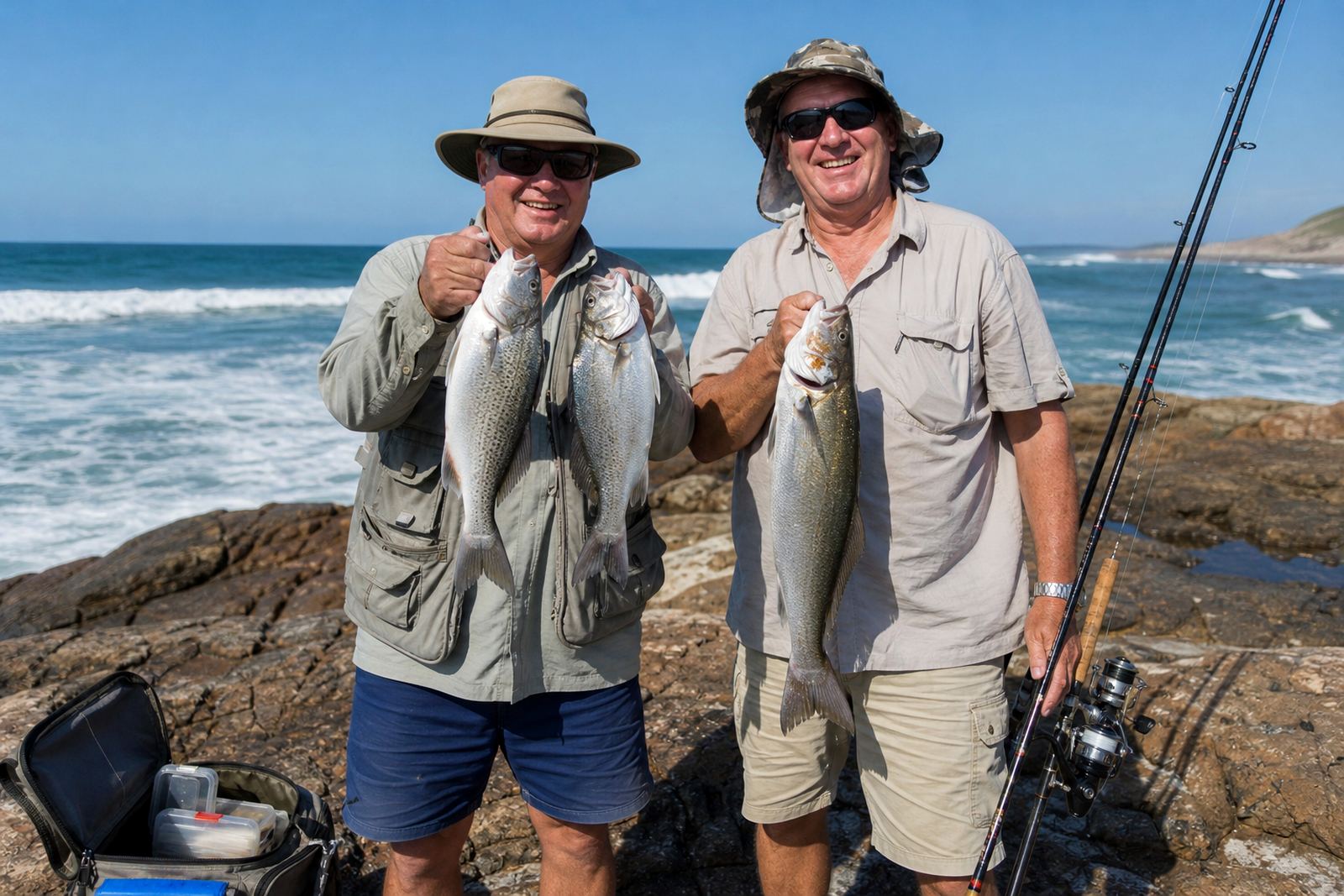
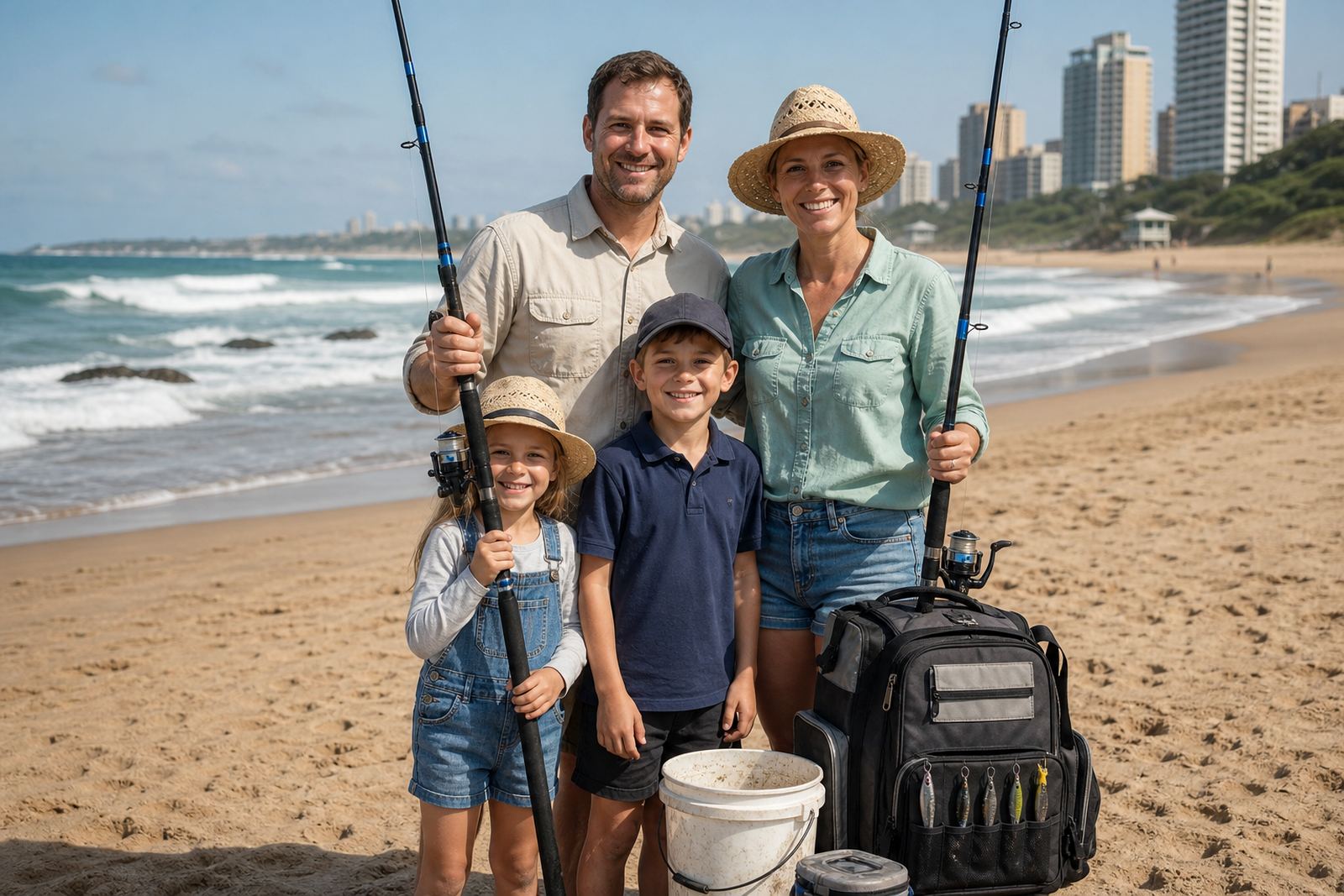
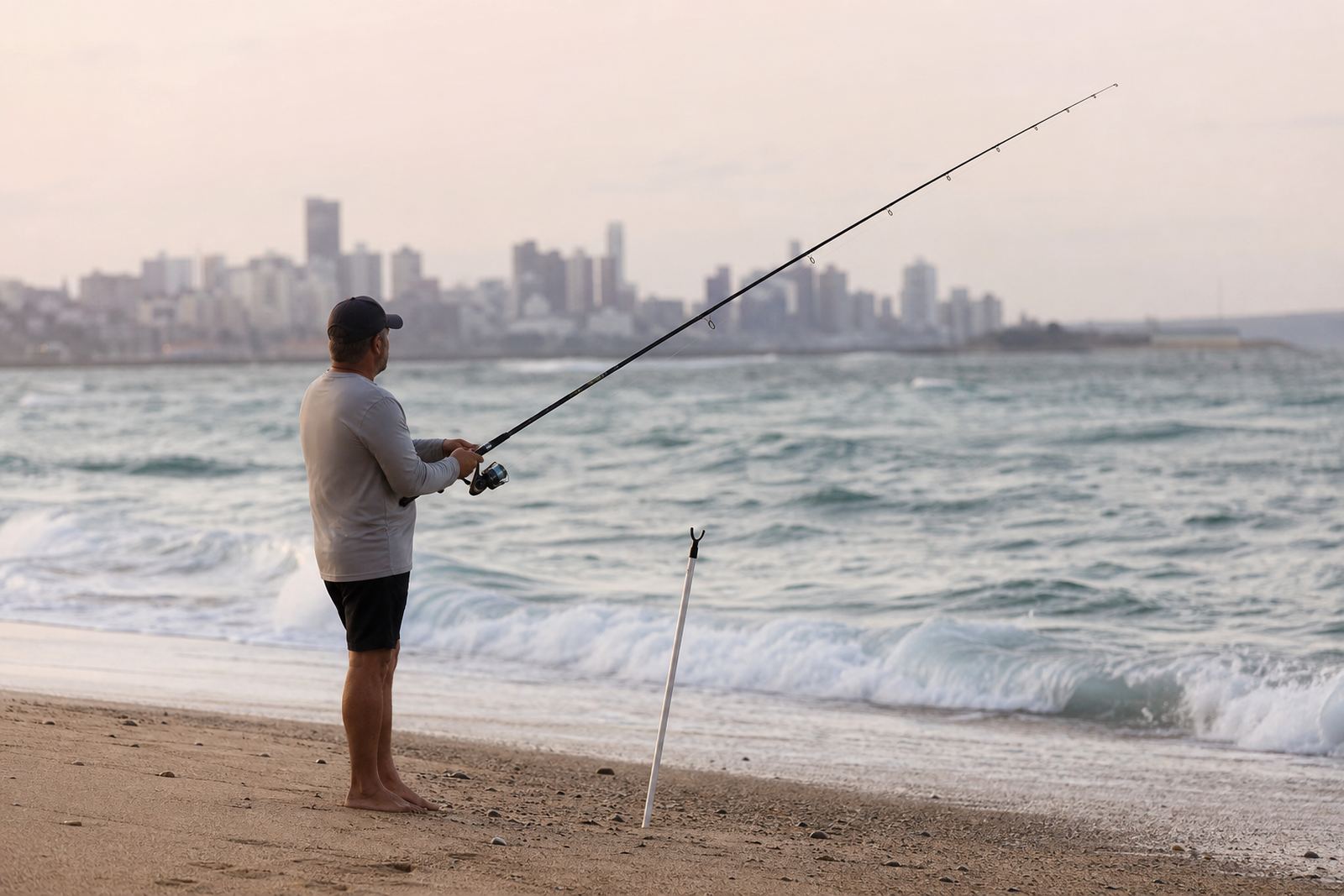
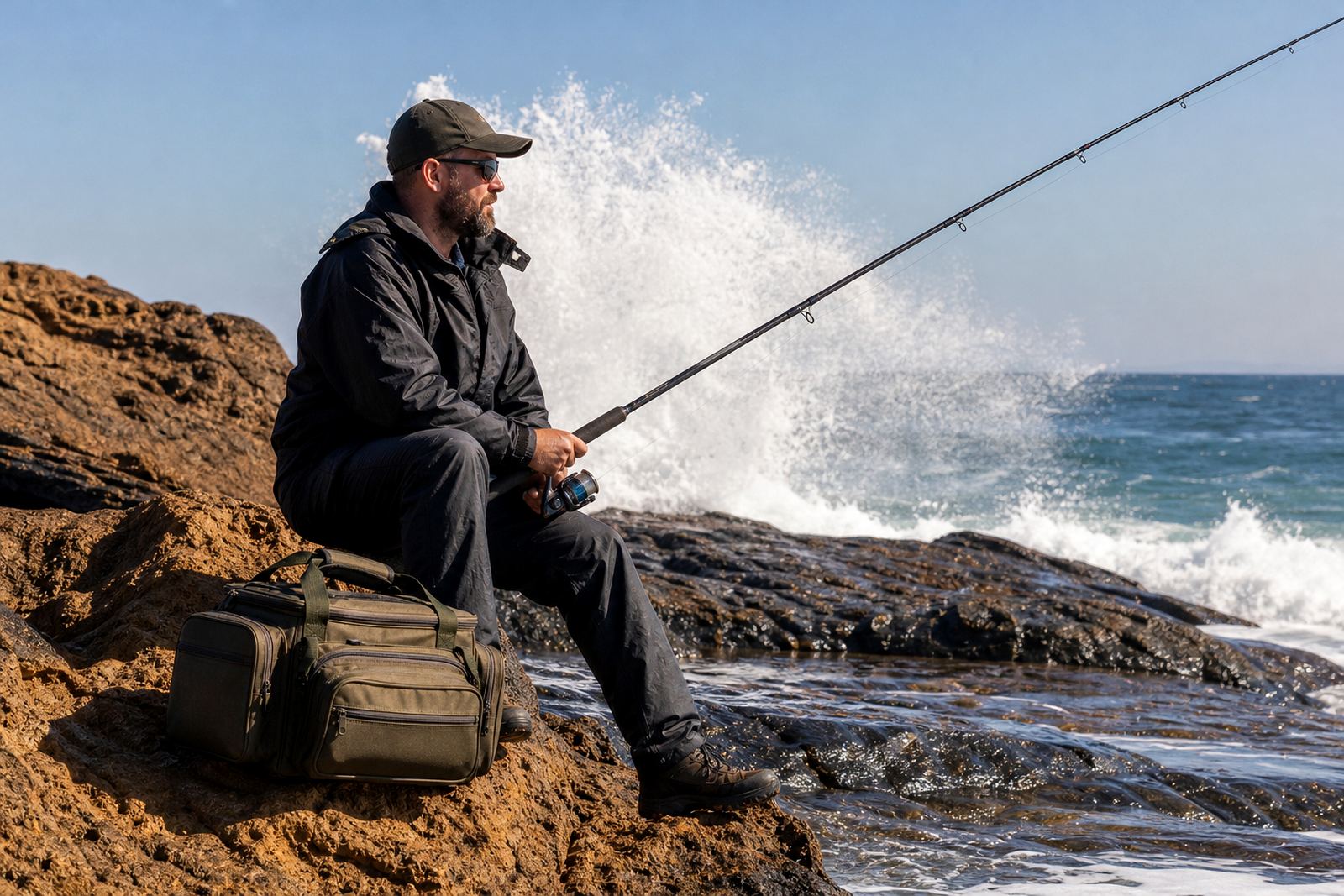
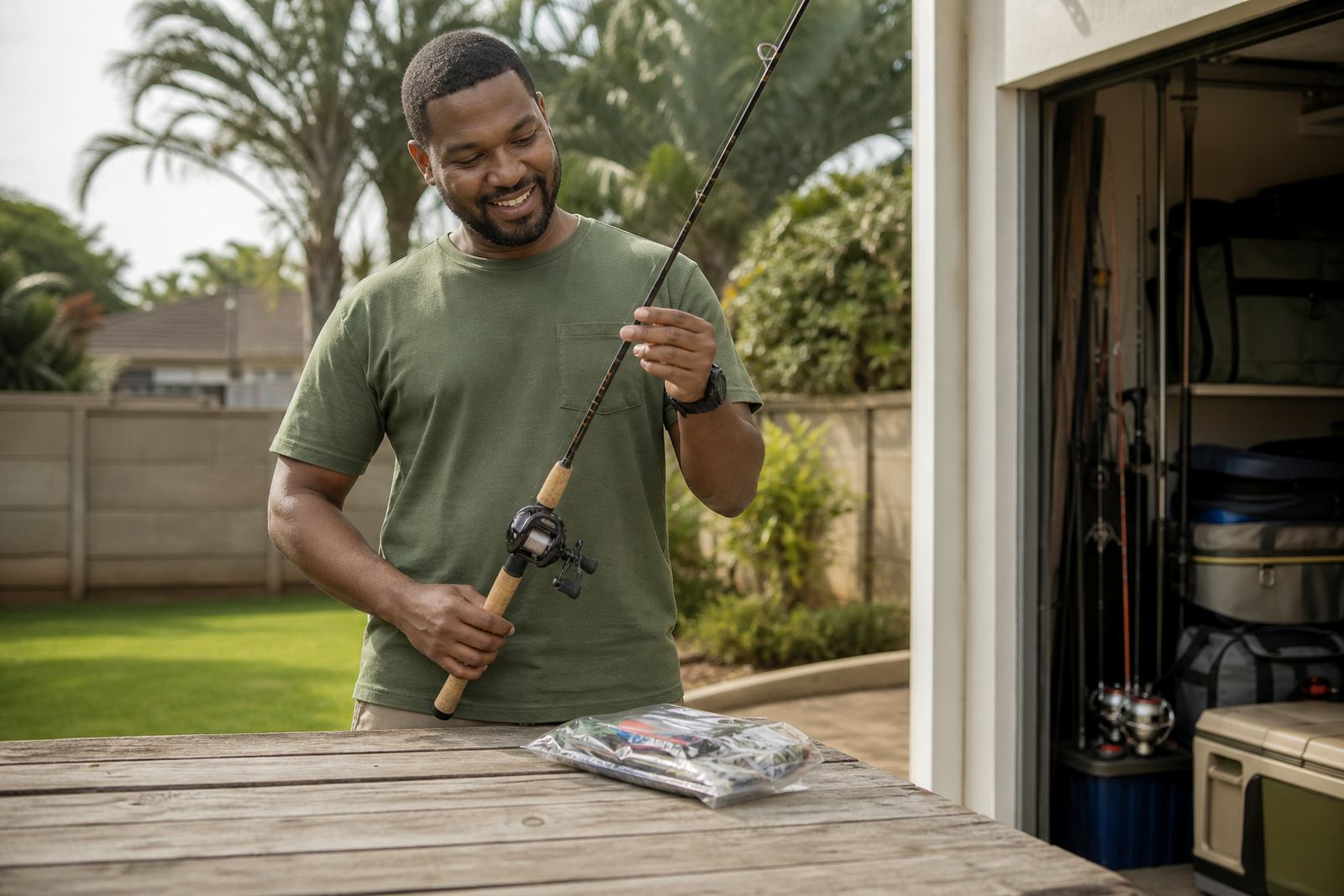
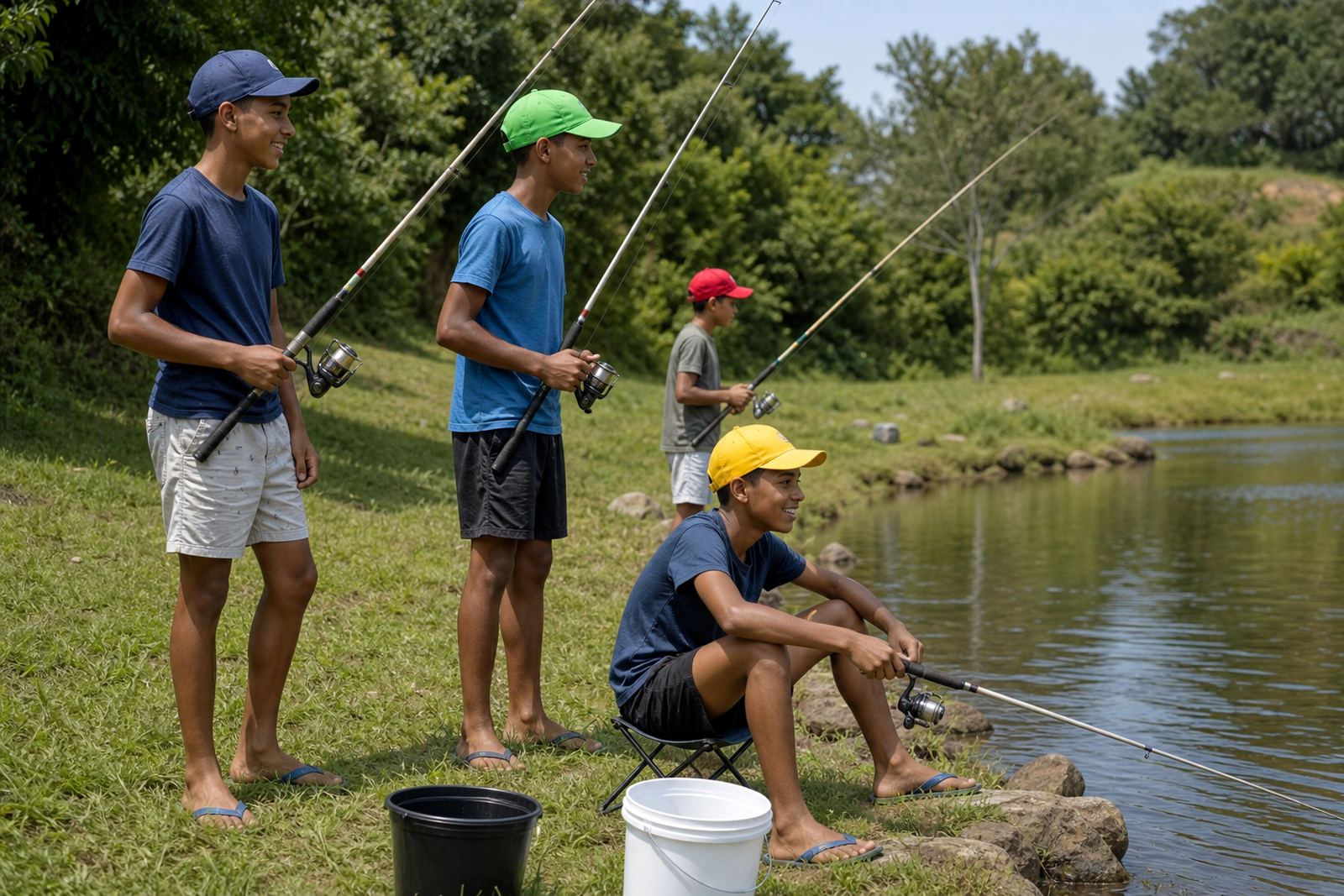
Why these stories help you choose better tackle
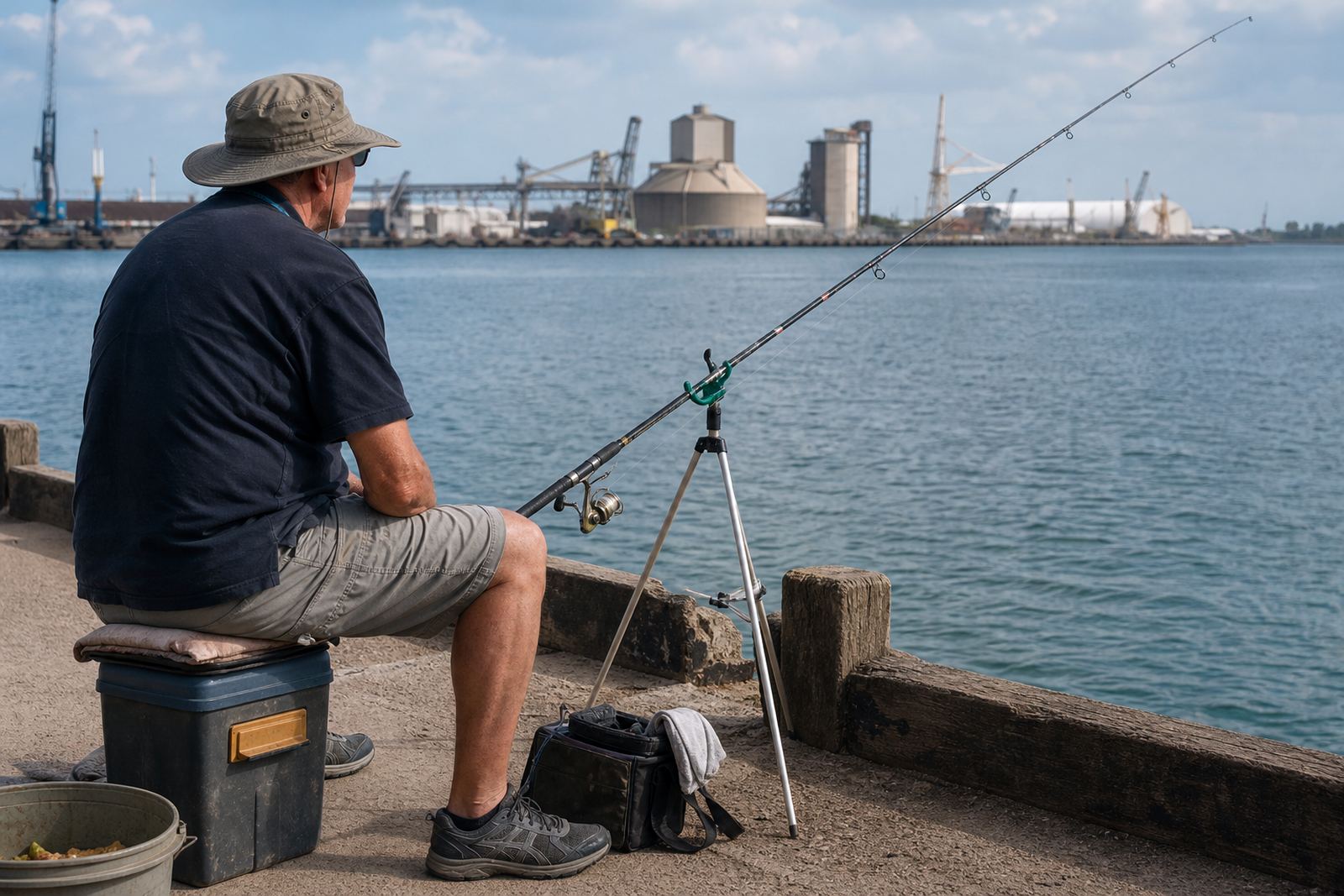
Every waterway asks for something different. A setup that works on Durban harbour bricks might feel heavy on a quiet Midlands dam, while a freshwater rod can be undergunned for surf wash and strong side currents. These stories show what anglers faced, what they wanted to catch, and how the right rod, reel, line and terminal tackle changed the result.
Use them as a quick guide if you are choosing gear for a holiday trip, a club outing, or your regular weekend spots. You will see where lighter traces made sense, where stronger hooks were needed, and when a simple change in bait or drag tension made all the difference.
Durban harbour and surf fishing setups
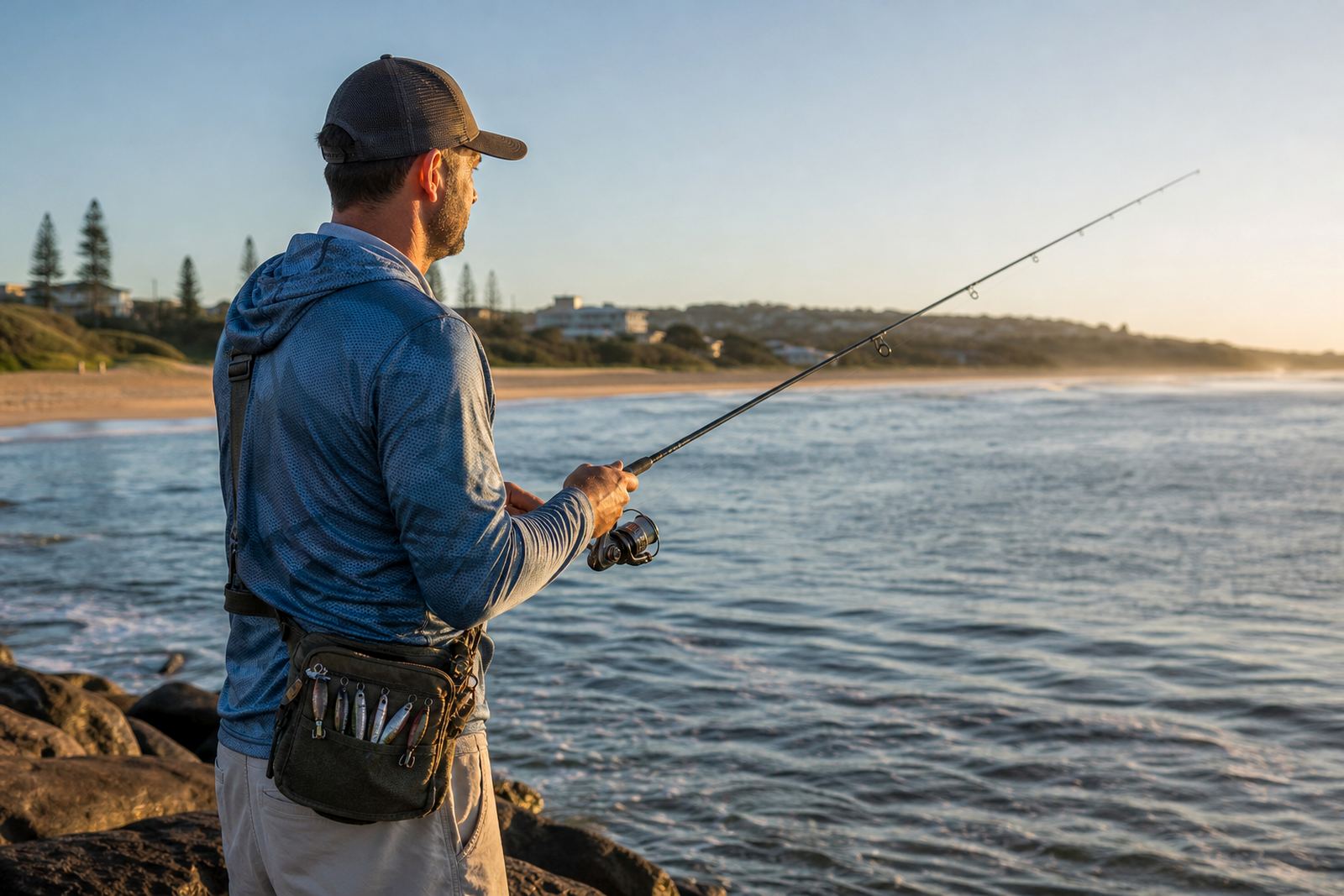
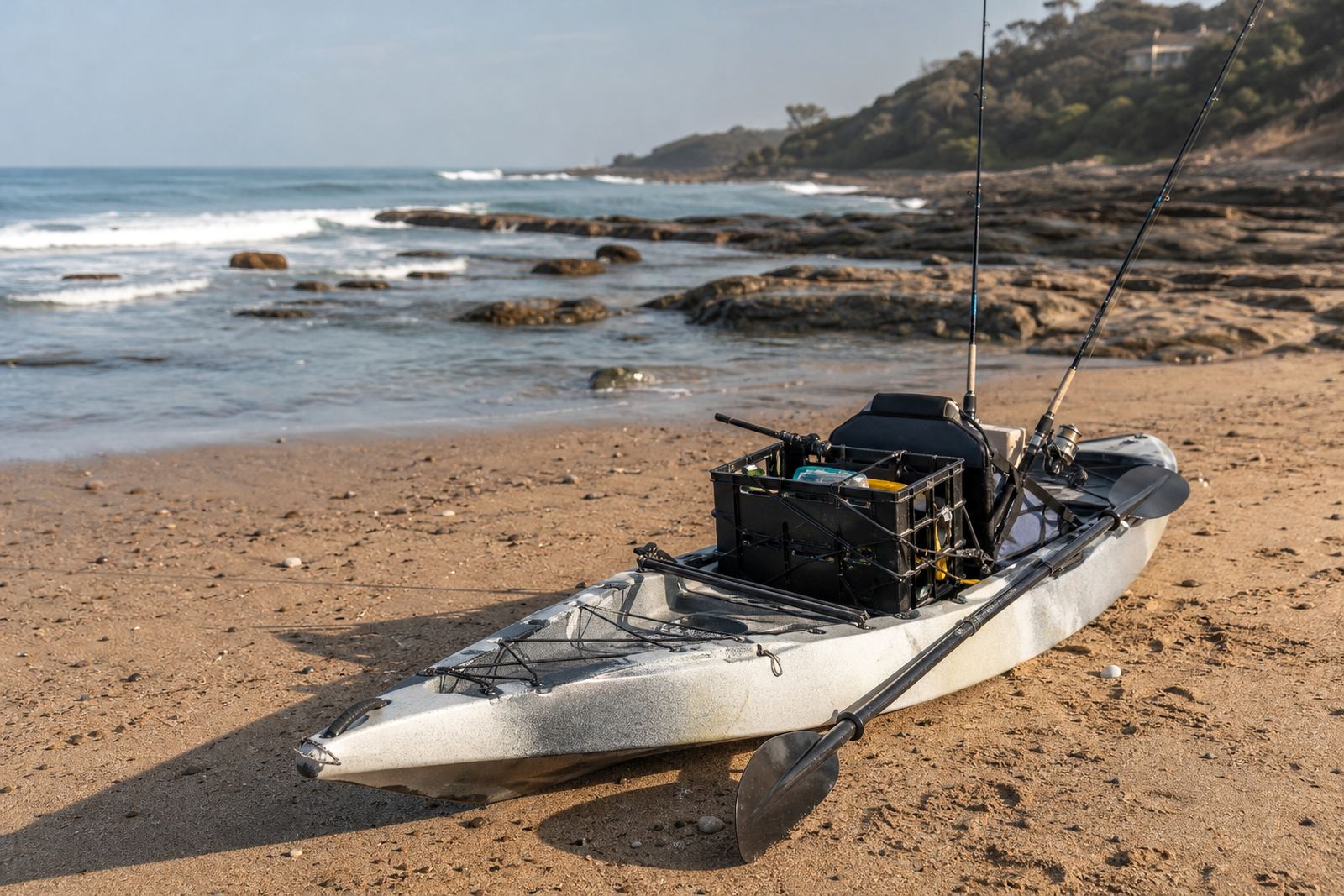
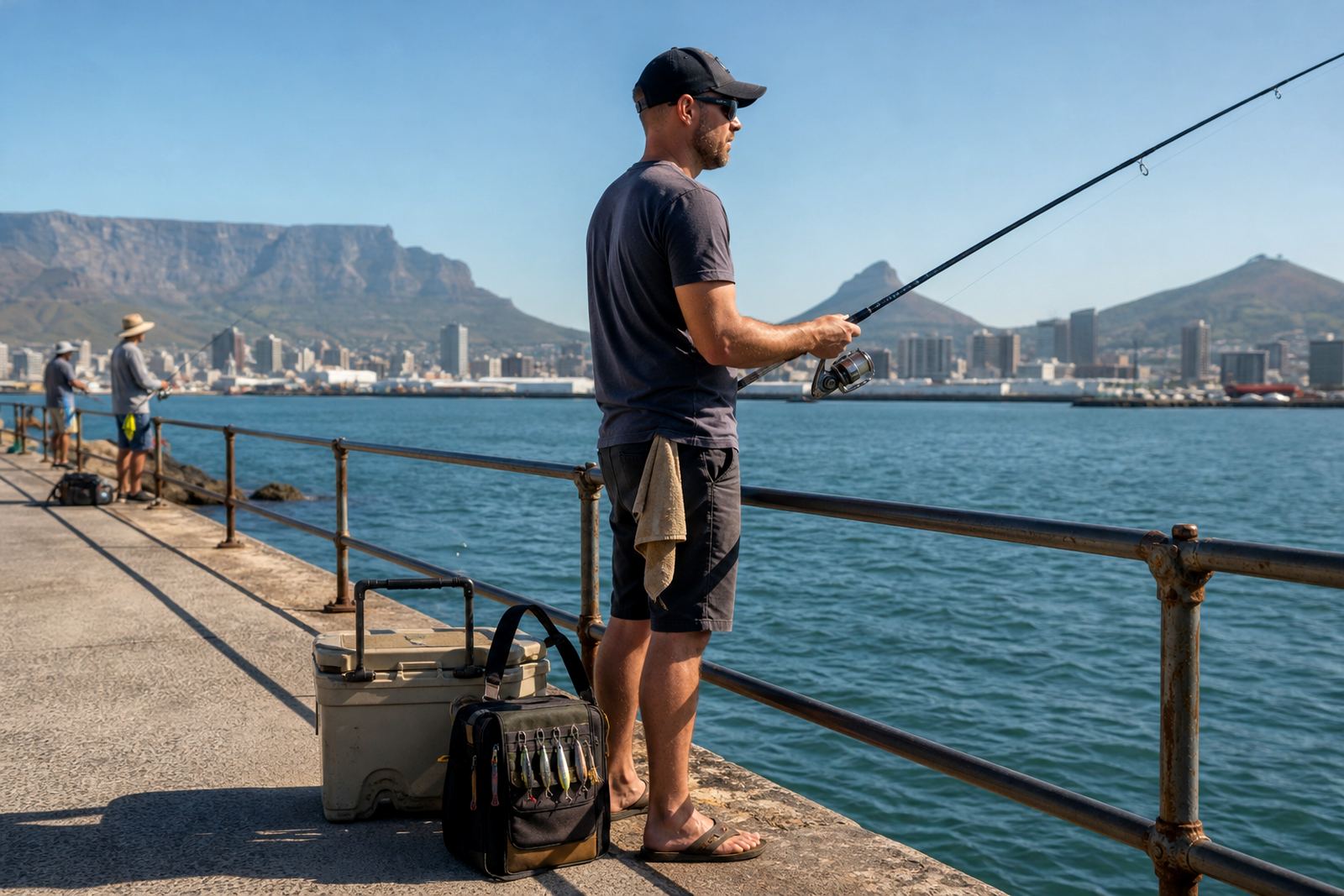
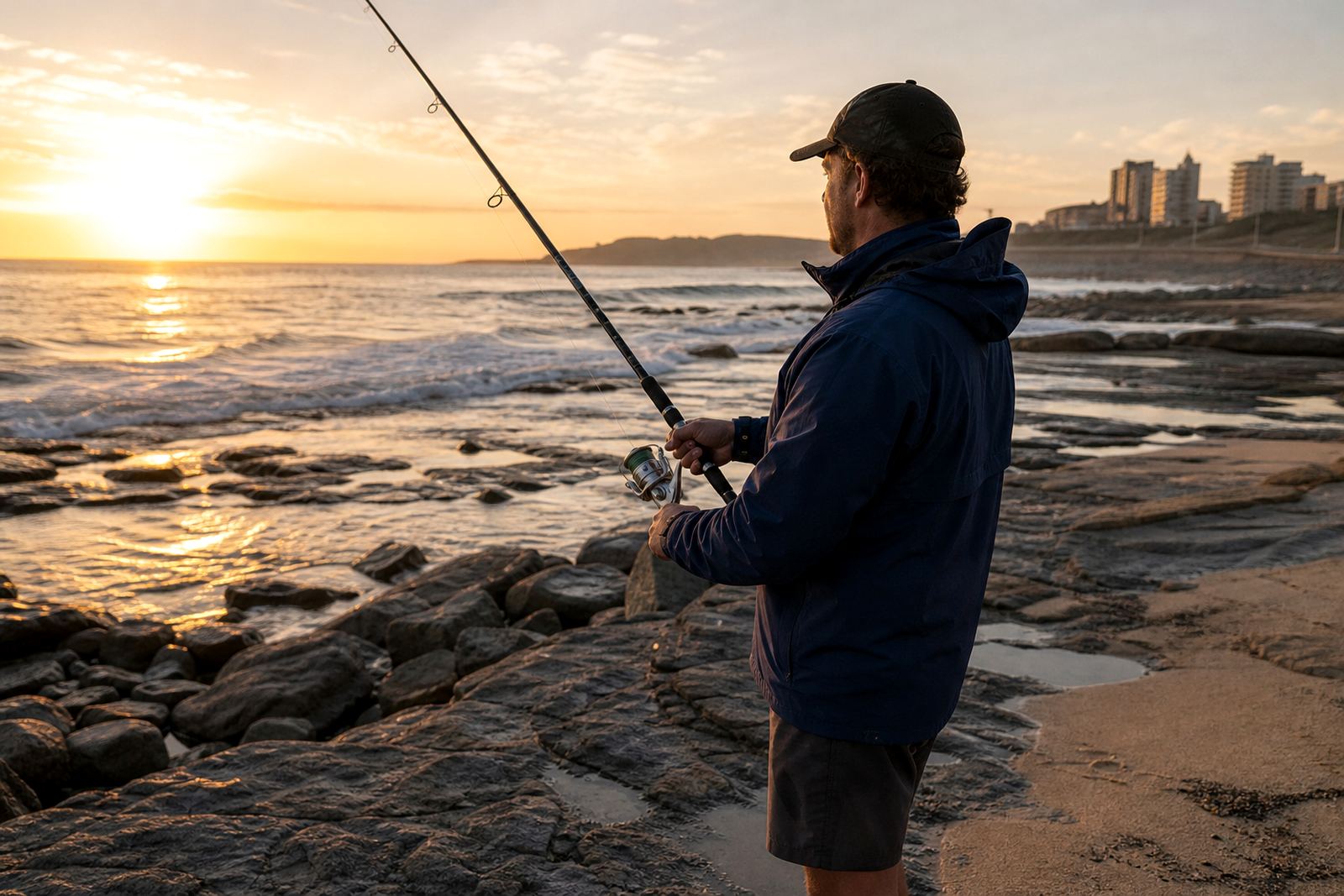
Coastal anglers around Durban often need tackle that can handle salt, abrasion and long casts. In this group of stories you will find setups for harbour edges, rock ledges and surf zones from Umhlanga through to the South Coast. Saltwater fittings, rinsed properly after use, help gear last longer in humid conditions.
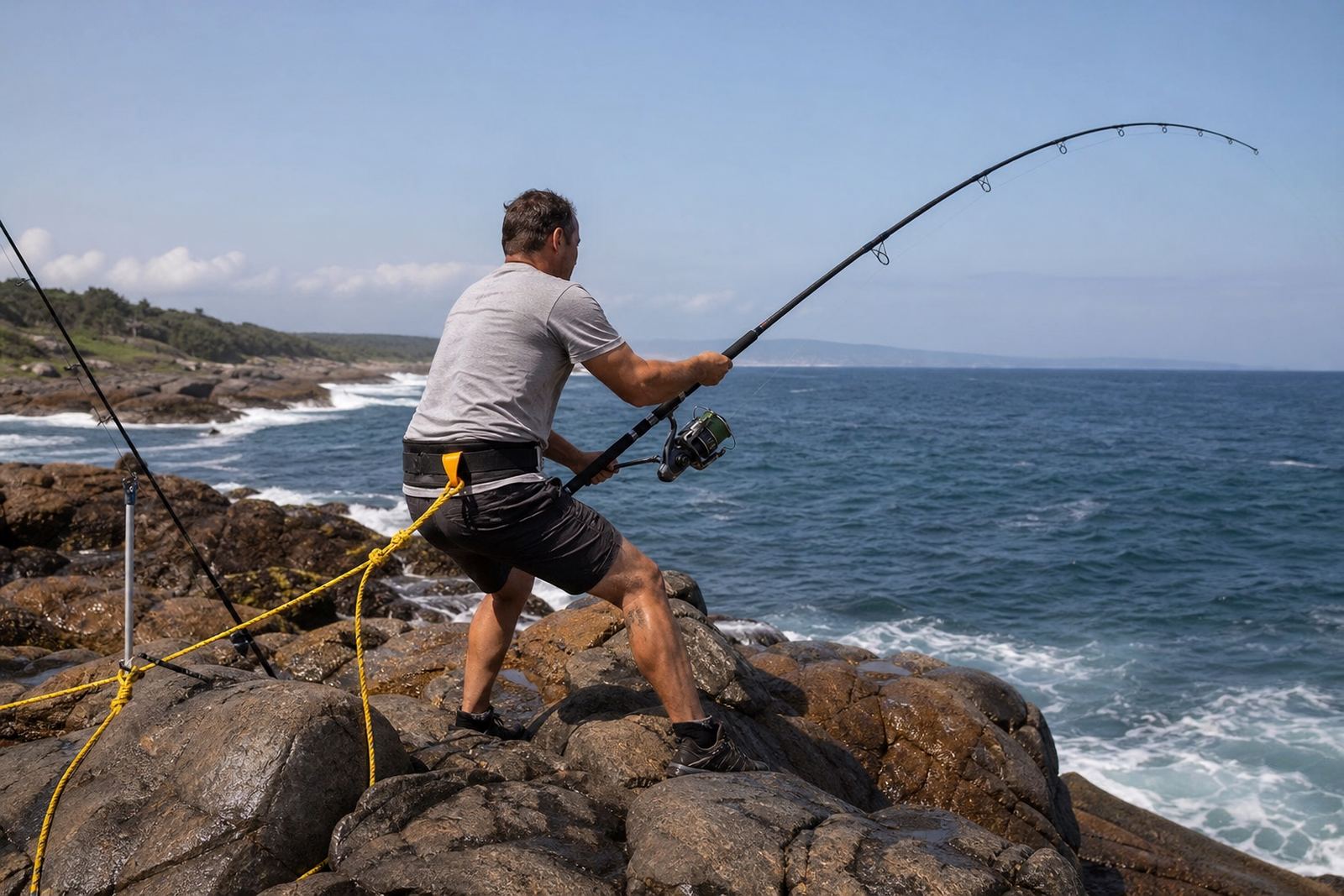
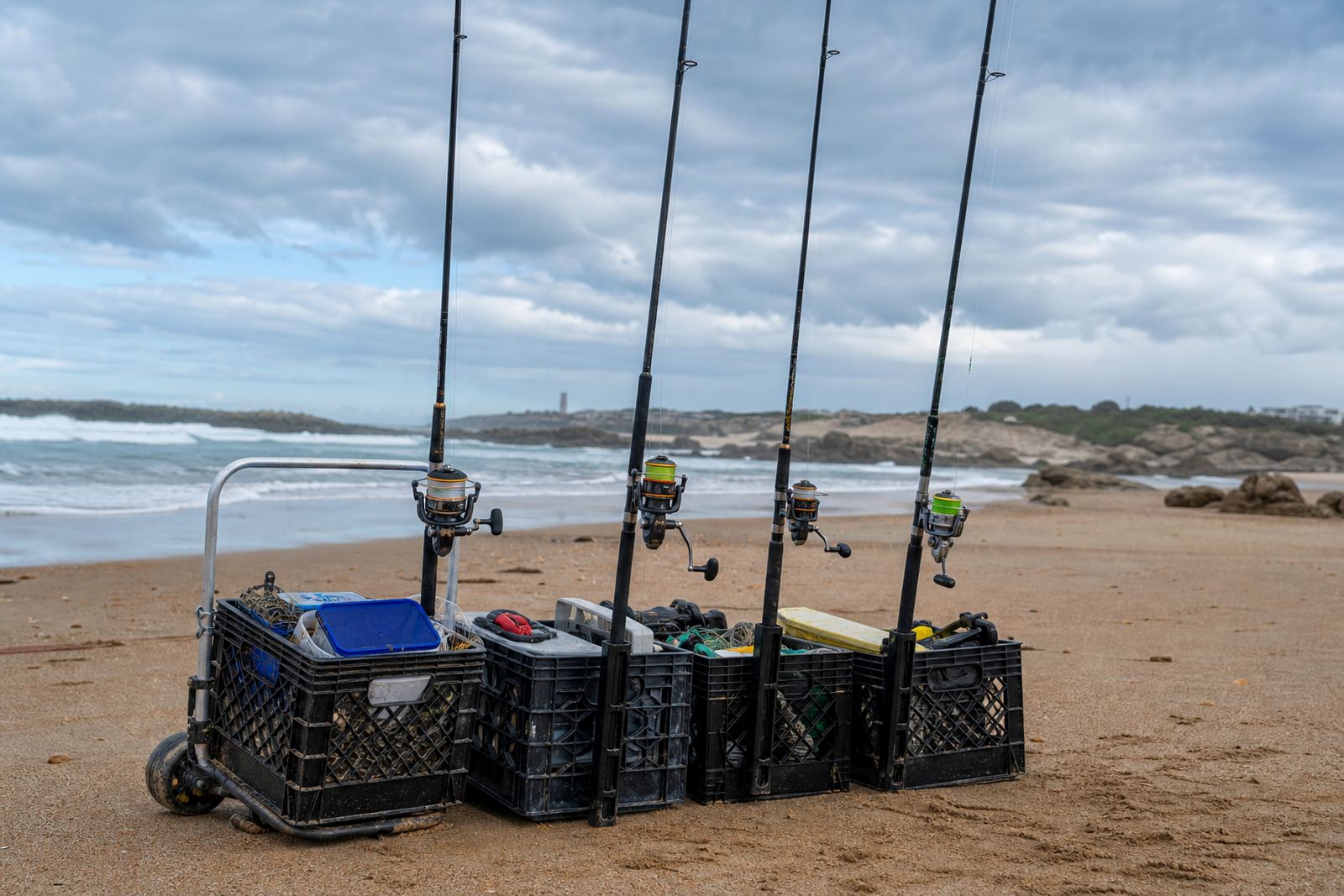
- Longer surf rods for distance and better line control in broken water
- Reels with smooth drags for hard-running fish and sudden pulls
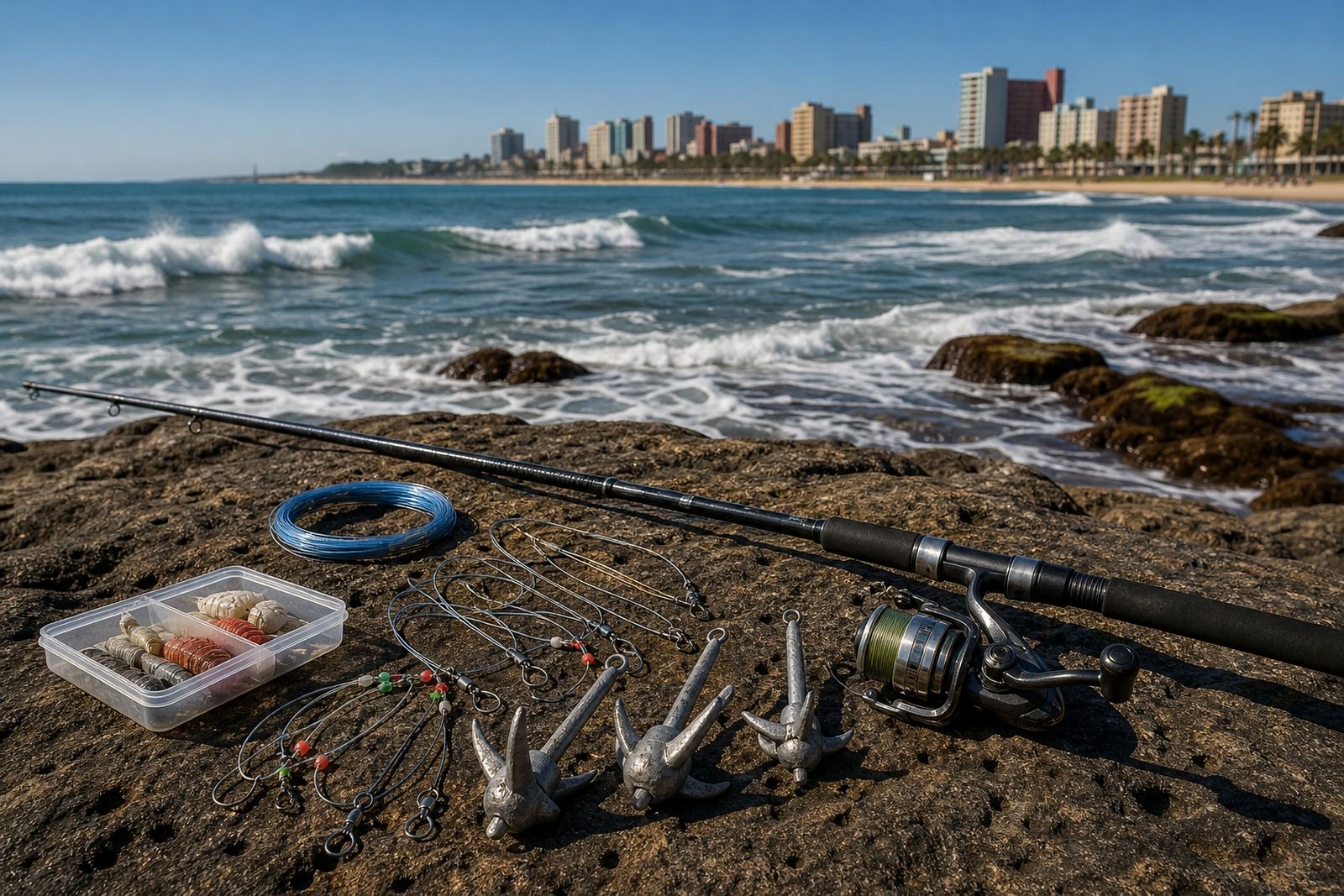
- Heavy-duty traces for rocks, reef and stronger hook holds
- Bait choices matched to current, tide and target species
For many Durban customers the best result comes from keeping the setup simple, then tuning the trace and sinker weight to the day. One extra knot or clip can matter when the tide turns and the wind picks up.
Freshwater stories from KZN and beyond
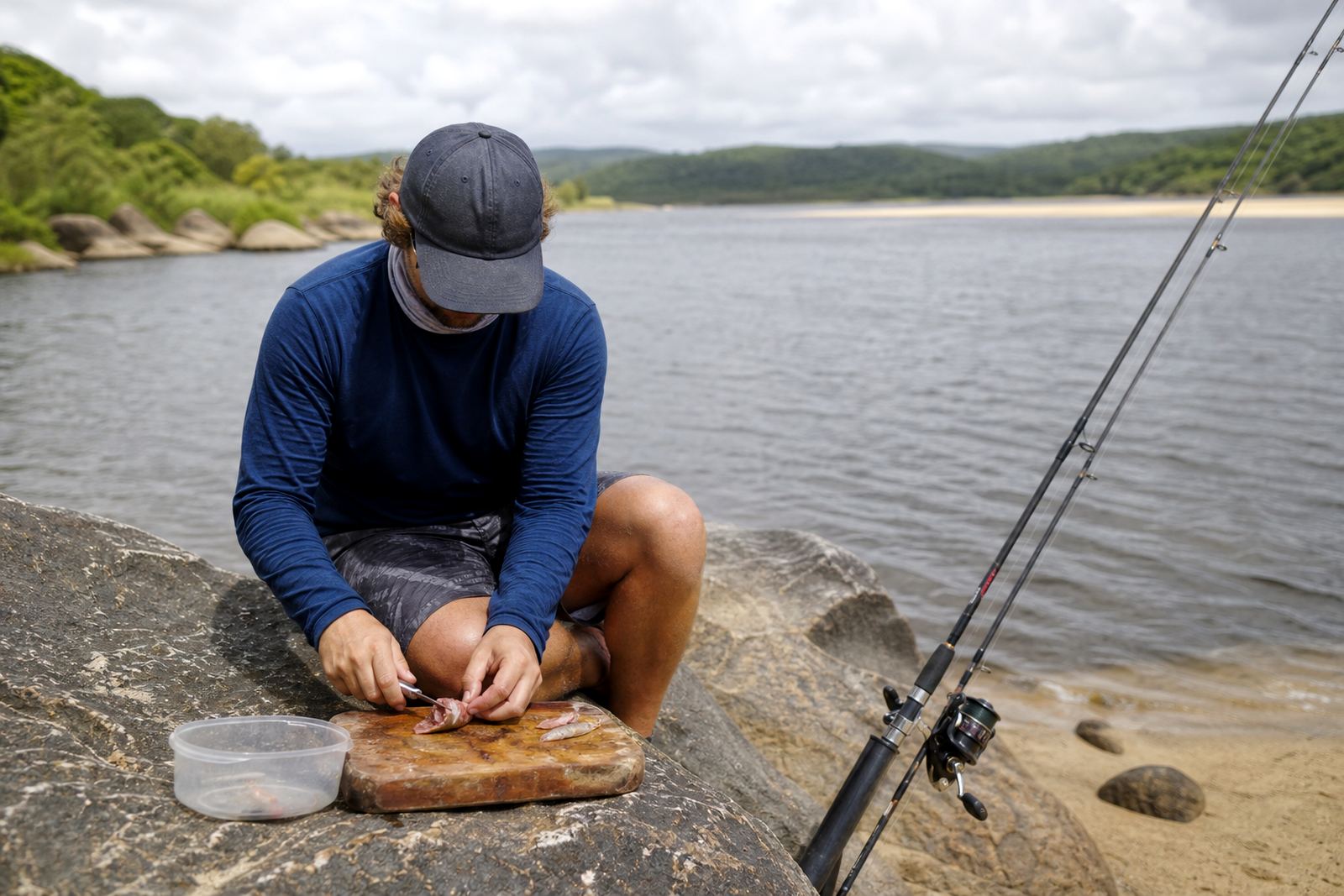
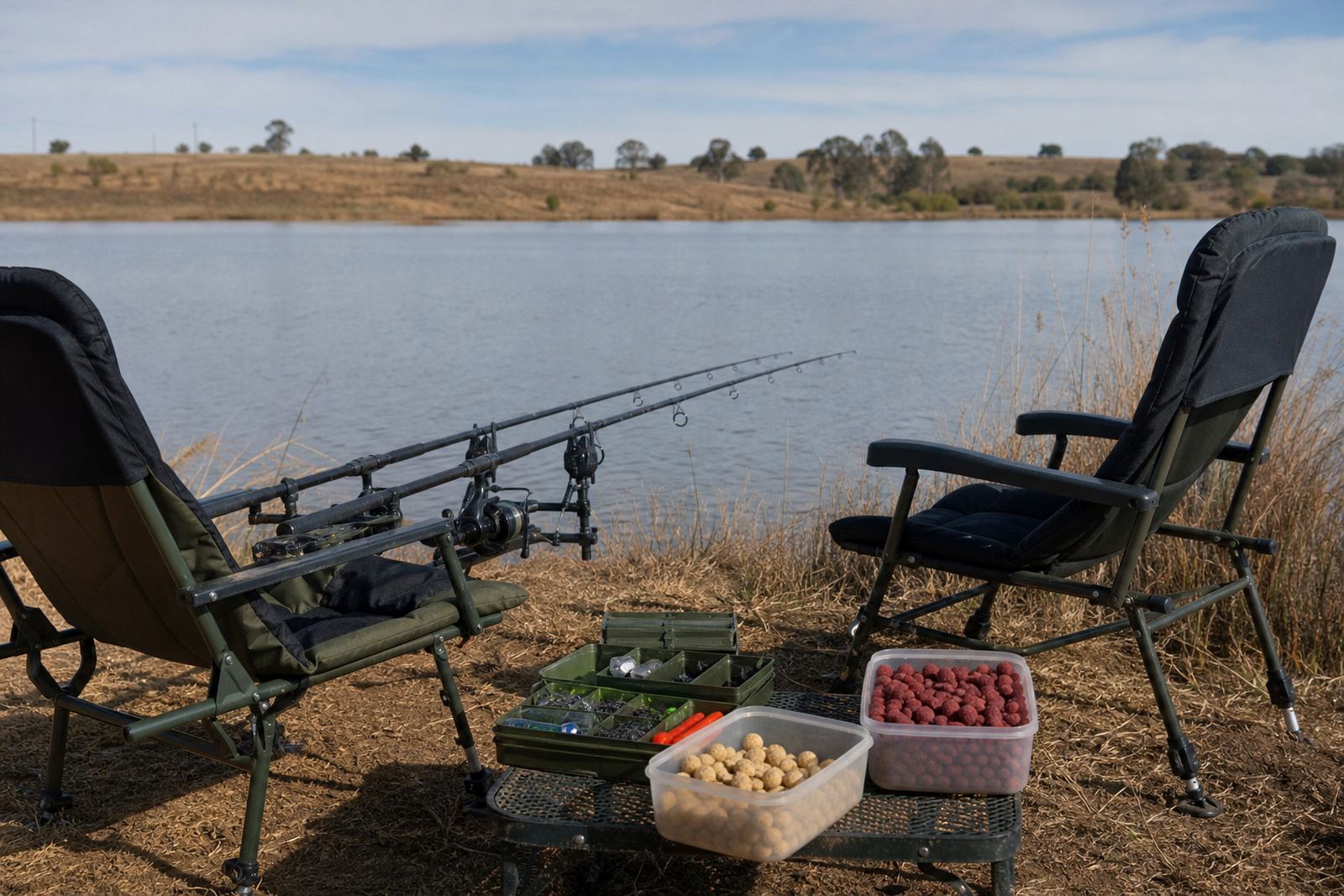
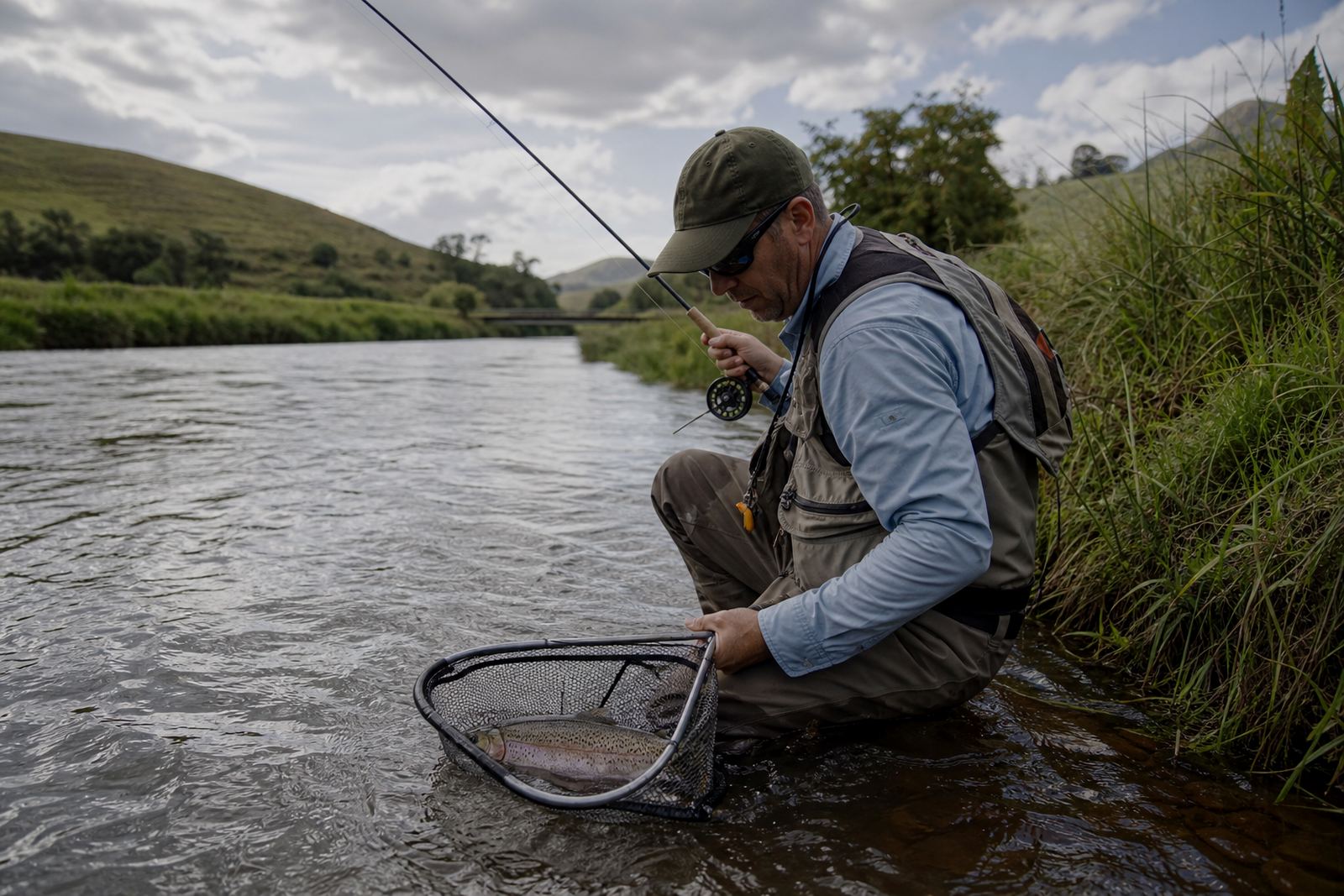
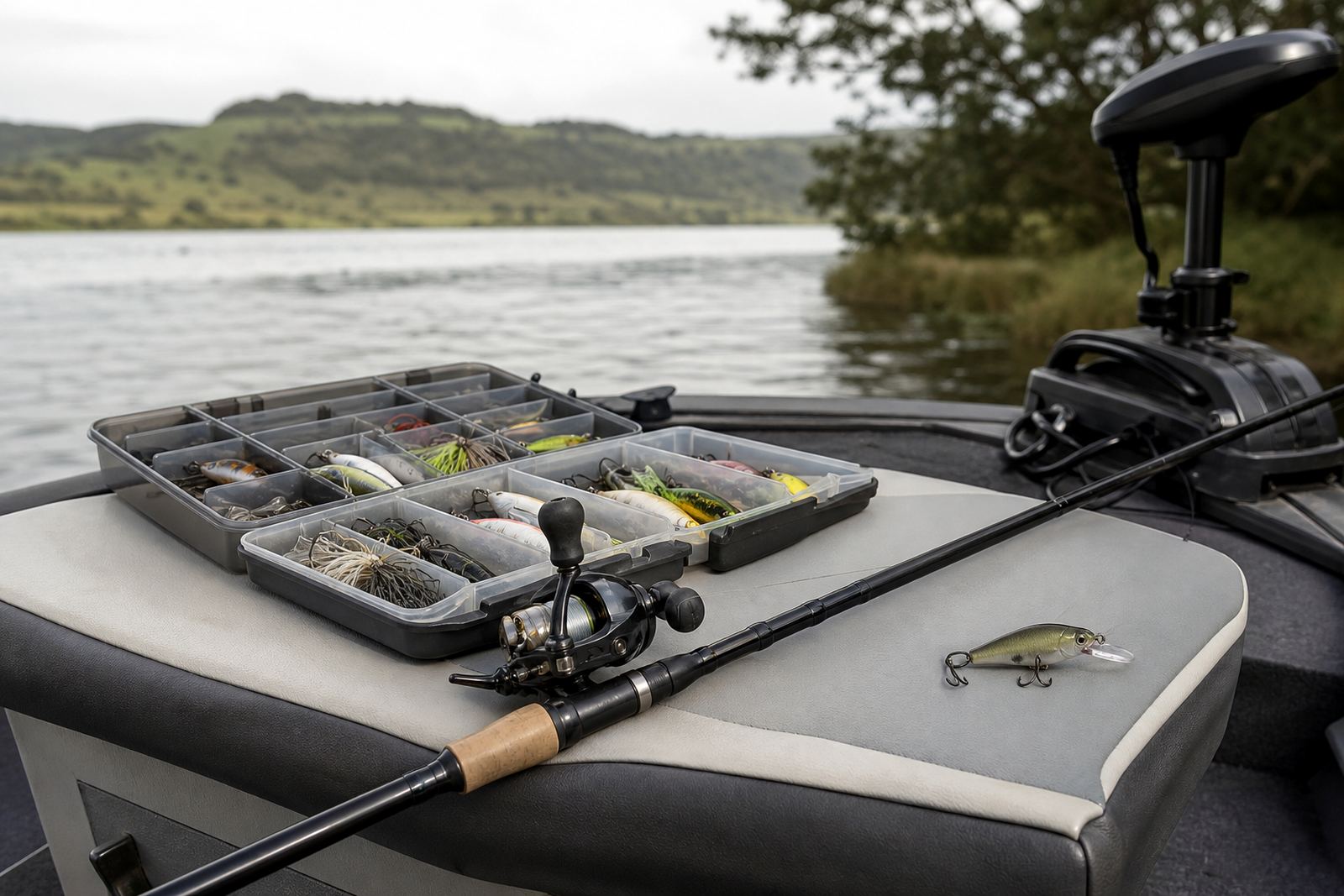
Freshwater anglers often need more feel and less bulk. Around Pietermaritzburg dams and inland waters, the stories here focus on bass, carp and general mixed-species fishing. The main aim is control, because bank conditions change fast after rain and pressure can build on popular spots.
These stories often feature lighter lines, carefully balanced rods and bait presentation that sits naturally in the water. In some cases the angler needed a softer rod tip for better bite detection, while in others a firmer backbone helped with hook sets near weed beds.
- Line choices for clear water and weed edges
- Float and ledger options for still water fishing
- Hooks sized to bait, not just to fish length
- Simple bite indication for early morning and night sessions
What changed the outcome in each trip
The strongest stories are not only about the fish caught. They show the small adjustments that turned a slow session into a productive one. Sometimes it was a reel service before the trip, sometimes a new leader, and sometimes just better bait prep advice from the counter. A clean drag and fresh line often make a bigger difference than people expect.
We also see patterns across the coast and inland. When anglers fish rough ground they usually need tougher terminal tackle. When they fish clean water, a neater presentation matters more. That is why the story cards are useful, they let you compare one setup against another before you spend a Rand on extras you do not need.
How to use a story to build your own setup
Start with the water type, then match the tackle to the conditions. A story from Gqeberha surf may still help an East London angler, but only if the current, wind and target fish are similar. For Johannesburg orders, the freshwater stories give a better starting point than the coastal ones, even if the species list is different.
- Choose the closest location first, then compare season and tide or water level
- Check whether the angler used bait, lures or a mixed approach
- Look at rod length, reel size and line strength together
- Use the story to narrow down what you need, then adjust for your own spot
If you are unsure, our team can help with starter setup, rig advice and trip gear check support so you do not overbuy or miss a key item.
Stories from first timers to regular club anglers
Some of these anglers were starting from scratch, others were refining a proven setup for club fishing or a family trip. That mix matters. A beginner may need a forgiving rod and a simple trace, while a more experienced angler may be chasing distance, faster changes or better hook-up rates. There is no single answer for every bank or beach.
As you read through the stories, look for the practical detail: what the angler was targeting, how far they were casting, and what the water looked like on the day. That is the kind of information that helps you buy with confidence and fish with less guesswork.