The brief from a Ballito estuary angler
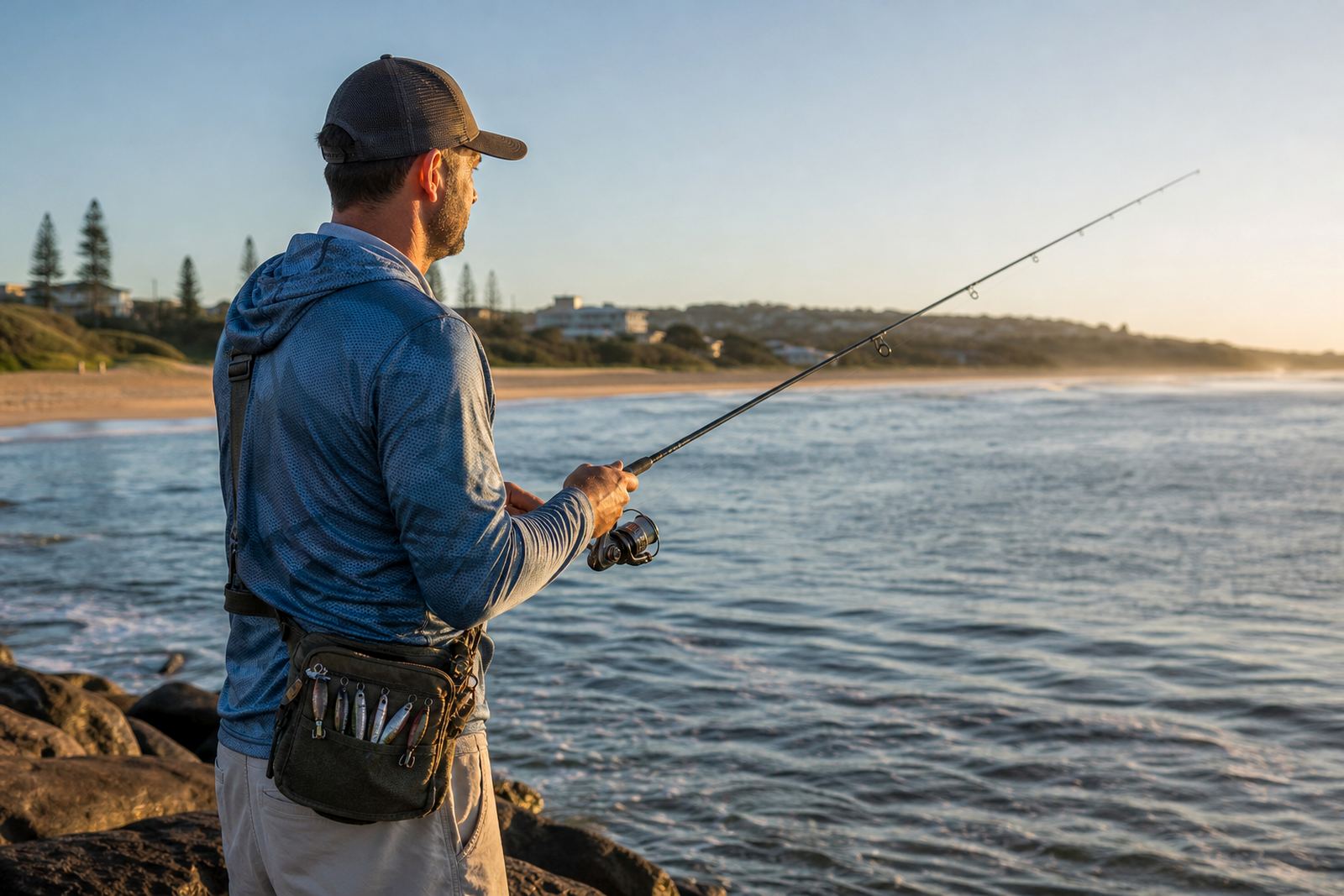
The client was a weekend angler based in Ballito who mostly fishes an estuary system with light current, sand patches and deeper bends around the drains. He wanted to move away from heavier bait fishing for this trip and use light lure gear for cleaner presentations, especially early morning when the water is flatter and fish can be line shy.
The brief was simple on paper but specific in practice. He needed a setup that could cast small hard lures and soft plastics accurately, handle 6 to 10 lb leader, and still have enough backbone for fish that turn hard in the current. He also wanted gear that would pack neatly into one carry bag, because he was doing the run from Durban to Ballito before sunrise and did not want loose tackle rattling around in the bakkie.
- Target area: Ballito estuary system and nearby tidal edges
- Fishing style: light lure work for cleaner presentation
- Main fish goal: mixed estuary species on light tackle
- Transport need: compact kit for a one day session
What the water and weather meant for the setup
We looked at the conditions he usually faces in that stretch of coast. Ballito can give you warm mornings, quick tide changes, and humid air that does not do reels any favours if the kit is not dried properly after the session. On a day like that, a heavy rod and thick line only makes the presentation worse, and the extra drag in the line can spook fish in clear water.
We also factored in that estuary banks there can be tight in places, with overhanging reeds and small casting windows. A short to medium rod with a responsive tip is better than a long, stiff stick when you are dropping lures under branches or along the edge of a current seam. The client also mentioned load shedding at home, so any reel work and line prep had to be sorted before the weekend and checked again before pickup, just to avoid last minute surprises.
- Recommended rod length: 7 ft to 7 ft 6 in
- Line class: 4 to 8 lb braid with 6 to 10 lb fluorocarbon leader
- Lure weight range: 3 g to 12 g
- Priority: low visibility, easy casting and quick hook-up response
The tackle and line package we supplied
We supplied a light spinning setup with a fast but forgiving action, paired to a compact reel suited to fine line work. The rod was matched to the lure range he wanted, so he could work soft plastics on a slow hop or send a small minnow tight to a bank without overloading the blank. We spooled the reel with thin braid for better bite detection and tied on a leader long enough to give abrasion resistance around shell beds and timber.
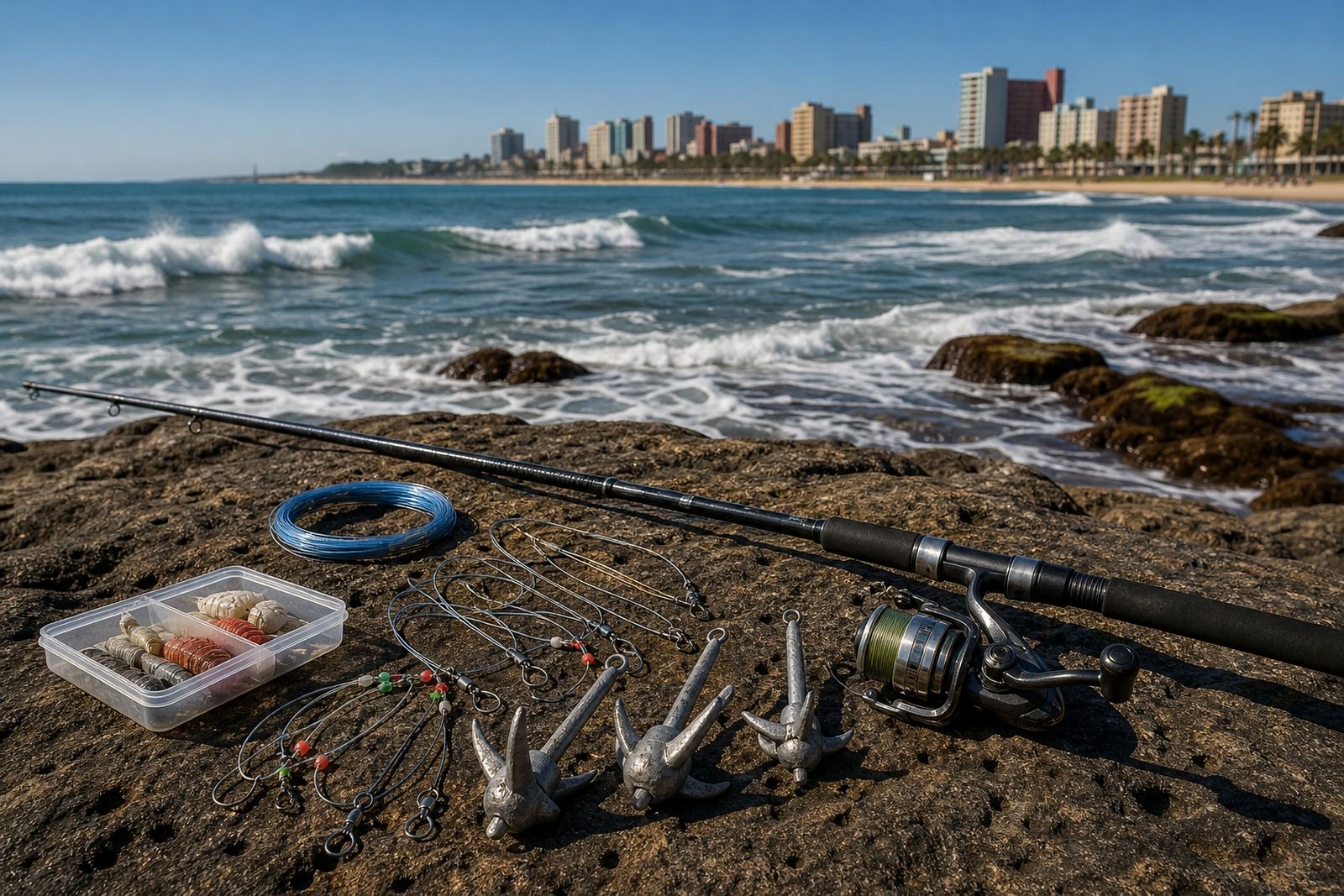
The terminal tackle was kept practical rather than excessive. We included light jig heads in a few weights, split rings, small snaps for lure changes, spare hooks, a simple trace pack, and a compact plier set. The bait side of the kit was kept minimal because this was a lure day, but we still added a small emergency selection in case conditions changed and he wanted to switch to a quick bait rig before the tide dropped. One small note from the handover was that he wanted easy sorting at the waters edge, so we packed everything by use, not by brand or colour.
- Rod: light spinning rod, 7 ft 3 in, fast action
- Reel: small spinning reel sized for light braid
- Main line: 8 lb braid
- Leader: 8 lb fluorocarbon, approx 1.5 m to 2 m
- Extras: jig heads, snaps, spare hooks, pliers and trace pack
Setup, spooling and final check
Once the gear was selected, we did the reel spooling and checked the drag so it would start smooth rather than grab at the first run. That matters on light tackle because even a small fish can pull hard in a current line, and a sticky drag can cost you both the hook-up and the fish. Jason handled the reel check and line lay, while the team confirmed the knot choices and leader length.
We also set the rod guides through a quick inspection for wear, because fine braid will find any rough edge faster than heavier mono. The client asked for a practical trip check too, so we ran through how to carry the rod, which lures to start with on the incoming tide, and when to switch from a faster retrieve to a slower sink-and-pause. He left with a simple system rather than a cluttered tray, which is often the difference between fishing and faffing about on the bank.
- Line lay checked for even spool fill and reduced wind knots
- Drag set for light fish but with enough give for sudden runs
- Rod guides checked for chips and rough points
- Trip plan explained for incoming and falling tide windows
Timeline from first chat to pickup
The whole job moved over two weeks. In week one we took the brief, checked the likely fishing conditions, and narrowed the rod and reel options to a setup that would suit estuary work without feeling too soft or too heavy. By the end of that week we had the main kit agreed and the line choice confirmed. In week two we completed the spooling, terminal tackle pack, and the final rigging advice before pickup from our Springfield Park base.
The client appreciated that the process stayed tight and practical. He did not want a long drawn out build, just a clear answer to what would work for the Ballito trip. That suited us fine, because light tackle work is usually about matching the conditions properly, not overselling the kit. The last check also picked up one worn snap that we replaced before it could become a nuisance on the water.
- Week 1: brief, conditions review and gear selection
- Week 2: spooling, rig prep and final handover
- Total turnaround: 2 weeks
What changed on the water and what we would repeat
The result was cleaner casting, less splash on the water and better control when working the estuary edges. The client reported improved feel through the rod tip and said the lighter setup made it easier to keep lures in the strike zone without overworking them. He also noticed that the leader choice gave him enough confidence around structure without making the whole rig feel bulky. For a single day fish, that is exactly what you want.
If we did the same Ballito estuary day again, we would repeat the light rod choice, the 8 lb braid main line and the short terminal pack with just enough variety for changing tide states. We would also keep the bait backup small and simple, because on this sort of trip the best answer is usually to stay mobile and let the lure do the work. The only tweak we would consider is an extra jig head weight or two if the wind is up, since coastal gusts can make light casts less tidy than they look on paper.
- Cleaner lure presentation in clear water
- Better feel on the strike and retrieve
- More confidence around light structure and edges
- Simple pack that suits a one day estuary session
Key facts
| Client type | Weekend angler from Ballito |
|---|---|
| Project area | Ballito estuary system, KwaZulu-Natal |
| Setup | 7 ft 3 in light spinning rod with small reel |
| Main line | 8 lb braid |
| Leader | 8 lb fluorocarbon, 1.5 m to 2 m |
| Turnaround | 2 weeks |