What the East London angler needed
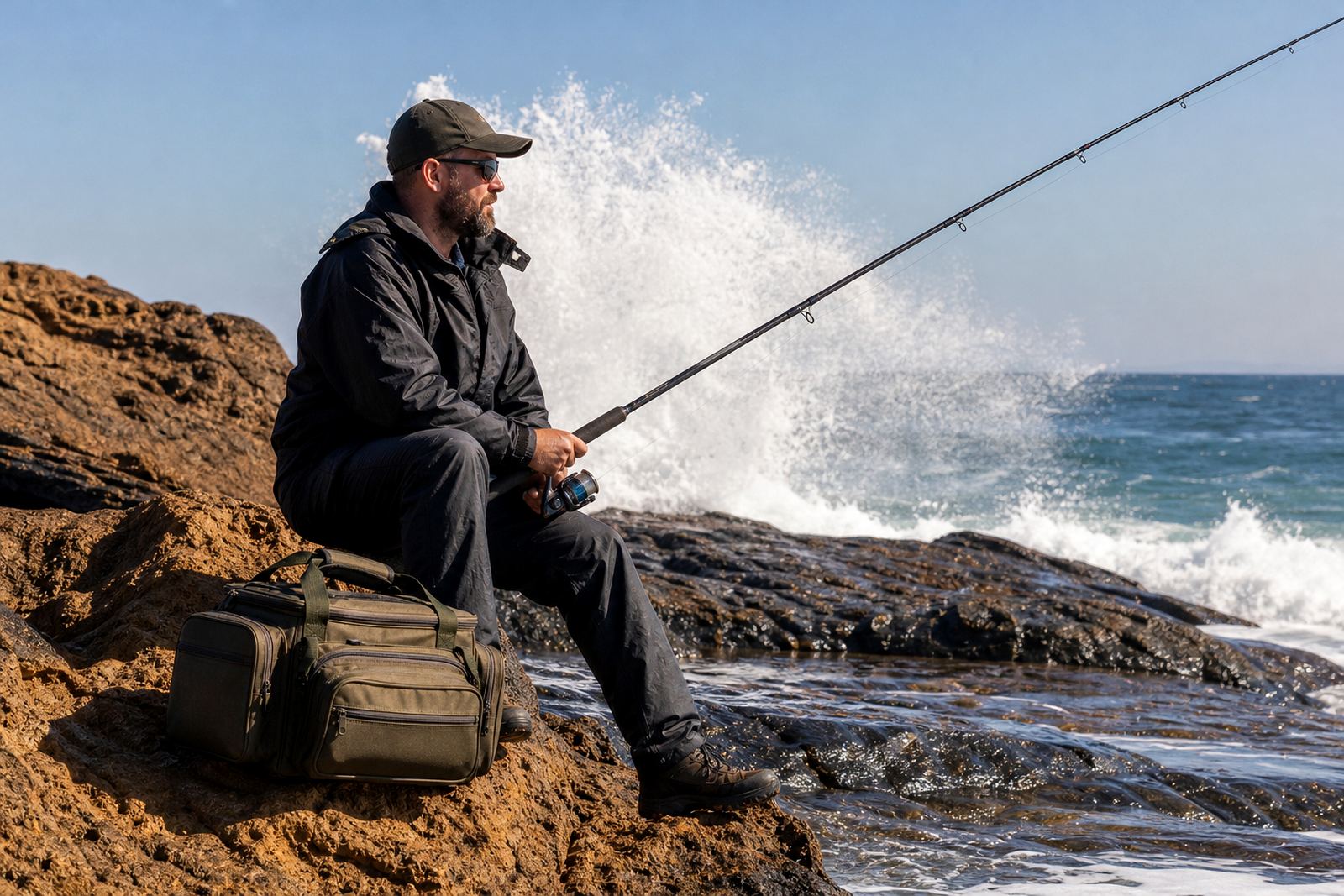
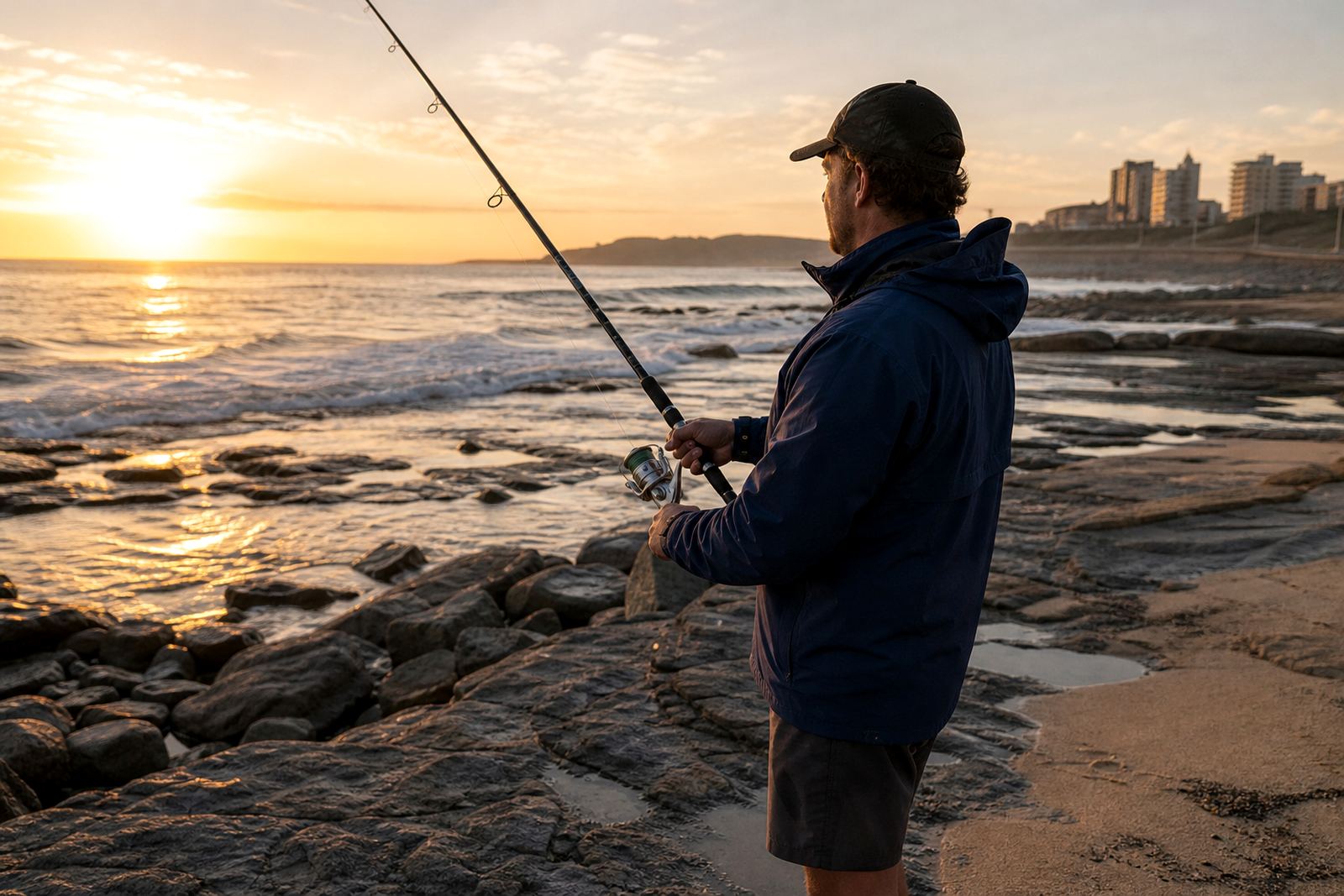
The client was a regular shoreline fisherman based in East London, working the rocky points and surf zones that make the Eastern Cape so productive, but also so hard on tackle. The main issue was repeated leader damage where line rubbed against rock, shell and rough kelp edges, especially on longer casts and when fish ran into broken ground.
The brief was clear enough. He needed stronger leaders, practical rig advice and gear that would hold up in windy weather and a fair amount of salt exposure. We also had to keep the setup simple, because shoreline fishing often means quick changes in the car park before dawn and not a lot of room to faff around.
- Target area: rocky shoreline and mixed surf spots around East London
- Main problem: abrasion and leader failure near structure
- Goal: more fish landed, fewer cut-offs, easier rig changes
- Constraint: gear had to suit beach casting and rock fishing without overcomplicating the setup
Conditions on the ground in the Eastern Cape
East London shoreline fishing throws a few things at tackle all at once. You get side wind, hard strikes in dirty water, salt spray, and plenty of rough ground close in. In places like this, a leader needs to do more than just look strong on paper. It has to stay intact after repeated contact with rock and still give enough give when a fish surges under pressure.
We worked from the conditions first, then matched the tackle to suit. That meant choosing abrasion-resistant mono leaders in heavier breaking strains than the client had been using, plus stronger terminal components that could cope with hard knocks. For rocky fishing we usually err on the side of honesty rather than marketing, because a lighter leader can cost more in lost bait, lost fish and lost time.
- Saltwater use only, with high abrasion exposure
- Leader lengths set to give protection without killing casting distance
- Knots chosen for grip and easy retying on the water
- Terminal tackle matched to the angler’s rod rating and main line setup
What we supplied and set up
We put together a shore-ready package built around abrasion-resistant leaders, trace material and a few key terminal items to keep the whole setup practical. The leaders supplied were in heavier diameters suited to rock work, with clear guidance on where to shorten or lengthen them depending on the day’s water colour and swell.
We also assisted with trace making and rig advice, so the client could run a cleaner setup for the species he was targeting. The result was not just a pile of parts, but a workable system that could be tied, checked and fished without guesswork. One small point that made a big difference was showing where to inspect for scuffing after each fish or snag, because a leader can look fine until it suddenly lets go on the next cast.
- Abrasion-resistant leaders for rocky shoreline use
- Heavier leader diameters for increased wear resistance
- Trace material for ready-to-fish rigs
- Hook and swivel selection to suit local shore species
- Practical knot and rig guidance for quick field changes
Timeline from enquiry to pickup
The job moved quickly. From first enquiry to collection took one week, with the bulk of the time spent confirming the fishing conditions, the client’s rod rating and the type of bait presentation he preferred. Because the brief was specific, there was no need to overcomplicate the order or make him wait on unnecessary extras.
During that week we checked the setup, prepared the leaders and gave a short run-down on how to use them in rocky areas versus open sand. We also flagged what to watch for after a rough session, especially if he had been fishing close to mussel beds or broken reef. That kind of advice matters because shoreline anglers often lose more tackle to hidden abrasion than to actual big fish.
- Week 1: brief confirmed and tackle matched
- Week 1: leaders and terminal tackle prepared
- Week 1: collection and usage advice given
Results on the water
After switching to the heavier abrasion-resistant leaders, the client reported fewer break-offs and better confidence fishing tight to structure. The main gain was not only strength, but consistency. He could work the shoreline with more conviction, knowing the leader had a better chance of surviving contact with rough ground and a hard-running fish.
He also found the rig easier to manage between casts. That matters in East London conditions, where a strong wind can turn a loose, messy setup into a headache very quickly. With the new arrangement, he spent less time retying and more time fishing. For a shoreline angler, that usually means more chances at fish before the tide changes.
- Fewer leader failures near rocks and reef edges
- Better confidence on longer casts and hard retrieves
- Less time lost to retying damaged traces
- Improved overall durability in saltwater conditions
What we would repeat for similar shoreline orders
If we were doing the same kind of order again for another East London shoreline angler, we would start with the same process. First, ask where the fishing is happening and what the snagging looks like. Second, match the leader to the ground rather than just to the fish size. Third, keep the rig simple enough that the angler can rework it on a windy pier or a dark beach without trouble.
We would also repeat the small extras that saved time: clear label notes on leader strength, a couple of spare lengths in case of damage, and a quick check on knot choice before the order leaves the counter. That kind of practical care is worth more than fancy kit when the tide is moving and the rocks are wet. It sounds basic, but basic done well keeps anglers fishing and not standing around cursing a cut line.
- Confirm ground conditions before choosing leader strength
- Keep a spare pre-cut section for quick replacement
- Use knot styles the angler can tie again under pressure
- Inspect for scuffing after every fish or snag
Key facts
| Project location | East London, Eastern Cape |
|---|---|
| Client type | Shoreline angler |
| Timeline | 1 week |
| Main supply | Abrasion-resistant leaders and terminal tackle |
| Key use case | Rocky shoreline and mixed surf fishing |
| Outcome | Fewer break-offs and easier rig management |