Home / Stories / Phoenix Youth Club

Stories

Phoenix Youth Club

A youth group in Phoenix, Durban needed straightforward freshwater kits for teaching beginners how to cast, tie knots, and handle tackle safely. We supplied practical starter packs that could be used by volunteers, with gear chosen for simple use, repeat sessions, and local freshwater conditions.

Phoenix Youth Club

A youth project in Phoenix that needed simple gear, not complicated gear

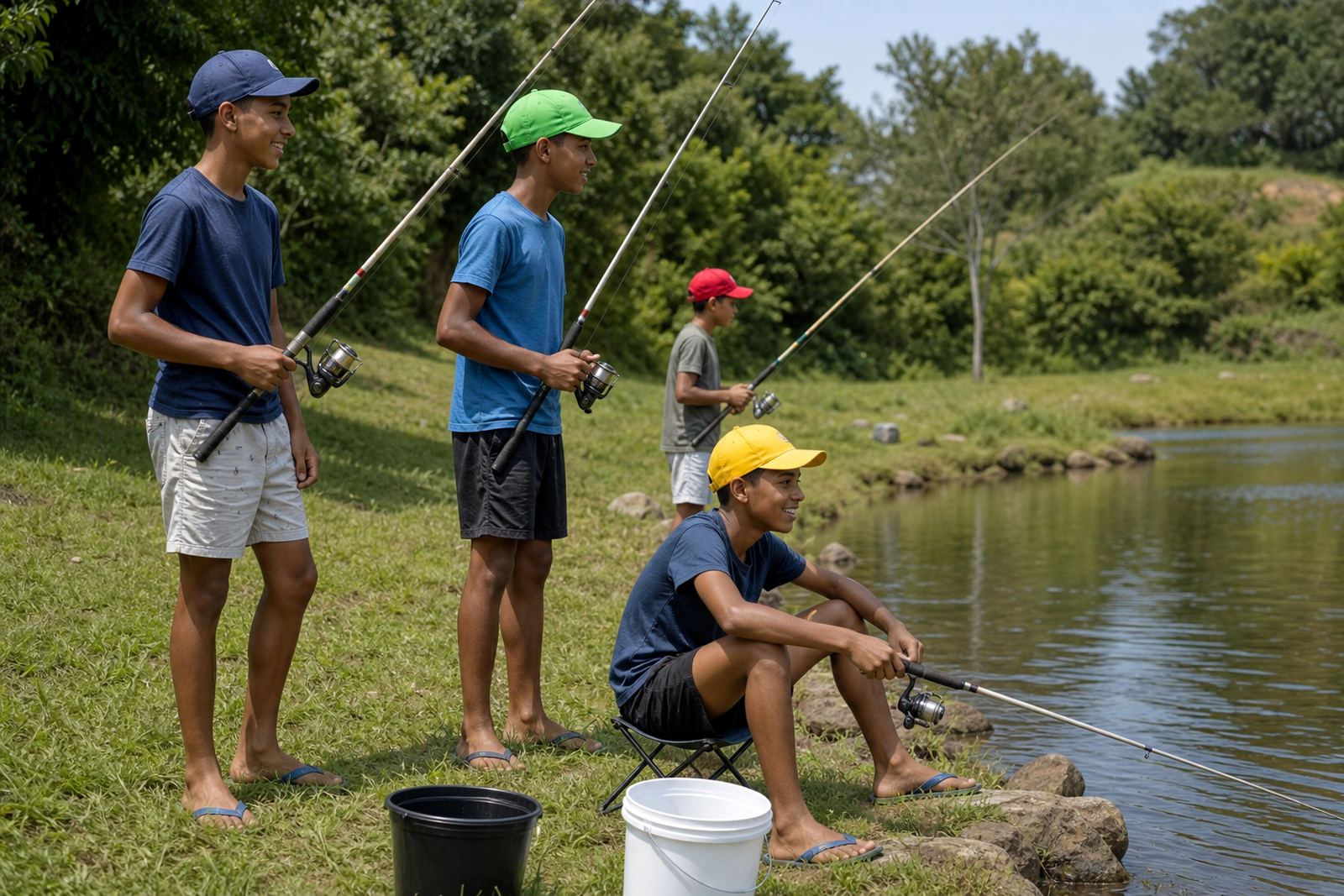
The client was a community youth club in Phoenix, Durban, working with children and teenagers who were new to fishing. Their aim was practical: give young anglers a safe way to learn the basics without wrestling with heavy tackle, fragile hooks, or reels that were hard to set up. They needed kits that would work for lesson-style sessions at local dams and still be useful after the project ended.

The brief was clear from the start. The club wanted affordable freshwater setups that volunteers could hand out, explain in a few minutes, and repack after each outing. They also wanted gear that could stand up to repeated use, a bit of rough handling, and KwaZulu-Natal humidity. In a group setting, if tackle is too fiddly, the lesson loses momentum quickly, so we kept the selection practical and easy to reset.

  • Client type: community youth group
  • Town: Phoenix, Durban
  • Use case: beginner freshwater teaching sessions
  • Key need: easy setup and low-maintenance tackle

What had to be considered before we packed anything

There were a few constraints to work around. First, the group needed tackle that could be shared across multiple learners, so the kits had to be consistent and simple to check before and after each session. Second, the project had to stay within a modest budget because the club was buying enough sets for regular use, not just one demo day. Third, the gear had to suit freshwater species and local conditions, with enough strength for school-age learners but not so much weight that casting became awkward.

We also planned for storage and transport. Youth programmes often move gear in and out of a hall, bakkie, or storeroom, so we kept packaging neat and the components easy to count. Line choice mattered as well. On beginner rods, line that is too thick makes casting harder, while line that is too light causes breaks when learners strike too hard. We balanced that carefully, and did a quick check on every reel before dispatch.

  • Budget aware kit selection
  • Shared-use setup for group teaching
  • Freshwater-spec tackle for Durban conditions
  • Easy storage and fast stock checks

The starter kits we supplied for the group

We put together easy-use freshwater kits with matched rods and reels, pre-spooled line, and a basic terminal tackle mix for beginner sessions. The setup was chosen so a volunteer could explain the whole system in plain language: rod, reel, line, float, hook, sinker, and bait presentation. That made the learning side much easier, especially for first-time anglers who needed confidence before they needed distance.

Each kit was built around light-to-medium freshwater use, suitable for dams and slow-moving water. The rods were selected for manageable length and forgiving action, while the reels were checked for smooth winding and sensible drag control. We also included spare terminal items so the club would not be caught out by a few lost traces or bent hooks after a busy afternoon. The line spooling was done neatly, because poor spooling wastes time and creates tangles almost immediately.

  • Easy-cast freshwater rods
  • Matched spinning reels with smooth drag
  • Pre-spooled line for immediate use
  • Float, hook and sinker starter terminal tackle
  • Extra consumables for repeat sessions

Teaching support, not just a box of tackle

Because the project was about mentoring young anglers, we also helped the club with starter setup guidance. That included how to set the drag, how much line to leave on the spool, how to check knots, and how to keep the rigs simple for learners who had never fished before. We shared advice on bait prep too, since a neat bait presentation helps beginners feel they are doing things right, and it reduces frustration when bites are slow.

We also covered trip gear checks, which is something youth leaders value because it stops small problems from becoming a mess on the bank. Before a session, the team could check hooks, swivels, sinkers, and spare line in a few minutes. It sounds basic, but with a group of young anglers it saves time and keeps the focus on the lesson. A good teaching kit should be easy to understand and easy to reset, otherwise the same problems repeat every week.

  • Starter setup advice for volunteers
  • Drag tuning guidance for beginner reels
  • Simple bait prep support
  • Trip gear check routine for each outing

Timeline, delivery and the way the handover was handled

The project moved from brief to delivery in three weeks. Week one was spent on the gear list and the teaching needs of the club. In week two we assembled the kits, checked each reel, and matched the line to the rod and reel combos. Week three covered final packing and handover, including stock counts and a quick review of what should be replenished first after the initial sessions.

The handover was kept straightforward so the club could get going without delay. Everything was labelled by kit type, which made it easier to issue, collect, and store. We also made sure the club knew which items were consumables and which could be serviced later, because that saves money in the long run. For a project like this, clarity matters just as much as the gear itself, especially when several volunteers are sharing the load.

  • Timeline: 3 weeks from brief to handover
  • Week 1: needs assessment and kit planning
  • Week 2: assembly, reel checks, line spooling
  • Week 3: packing, counts and delivery prep

What changed after the first few club sessions

The club reported that the kits made teaching easier from the first outing. Beginners could pick up the basics faster because the setups were not overcomplicated, and volunteers spent less time fixing tangles or rebuilding rigs. The younger anglers also had a better experience because they could actually hold the gear correctly and feel in control of the cast. That tends to build confidence quickly.

For the club, the practical benefit was stock control. With a clear kit format, it became easier to see what had been lost, what needed replacing, and what could be repaired. The freshwater focus was also the right fit for their outings, since they were not trying to force a one-size-fits-all coastal setup into inland teaching. The result was a cleaner, more consistent programme for the group and less downtime on fishing days.

  • Faster learning for first-time anglers
  • Fewer tangles and setup issues
  • Better gear control between sessions
  • More time spent teaching, less time fixing

What we would do again for a similar youth programme

If we were repeating this project, we would keep the same approach: light freshwater tackle, clear labelling, spare consumables, and a simple upkeep plan. That formula works well when the goal is education first and competition second. We would also keep the reel servicing schedule in mind from the start, so the club can rotate kits and keep them in good order through the season.

For a youth group, the right gear is the gear that gets used. Not the fanciest set on the shelf, not the heaviest either, just tackle that helps learners succeed and gives volunteers less admin. That was the point of this project, and it is the same point we would carry into any similar school, church, or community fishing programme in Durban or beyond.

Key facts

ProjectPhoenix Youth Club starter fishing kits
TownPhoenix, Durban, KwaZulu-Natal
Timeline3 weeks
Kit typeEasy-use freshwater starter sets
Key componentsRod, reel, pre-spooled line, terminal tackle
Support includedStarter setup, bait prep advice, trip gear check guidance

What our Fishing Tackle customers say

Verified Google reviews

Questions we get asked

Who was this project for?

A community youth club in Phoenix, Durban that needed beginner-friendly freshwater tackle for teaching young anglers.

What made the kits suitable for beginners?

We chose light-to-medium freshwater setups with simple reels, pre-spooled line, and basic terminal tackle so volunteers could teach the basics quickly.

Can you support similar group orders?

Yes. We handle bulk club orders, kit planning, line spooling, reel servicing, and advice for freshwater or coastal use.

Planning something? Send the team a message.

Contact form