A St Lucia brief built around mixed water fishing
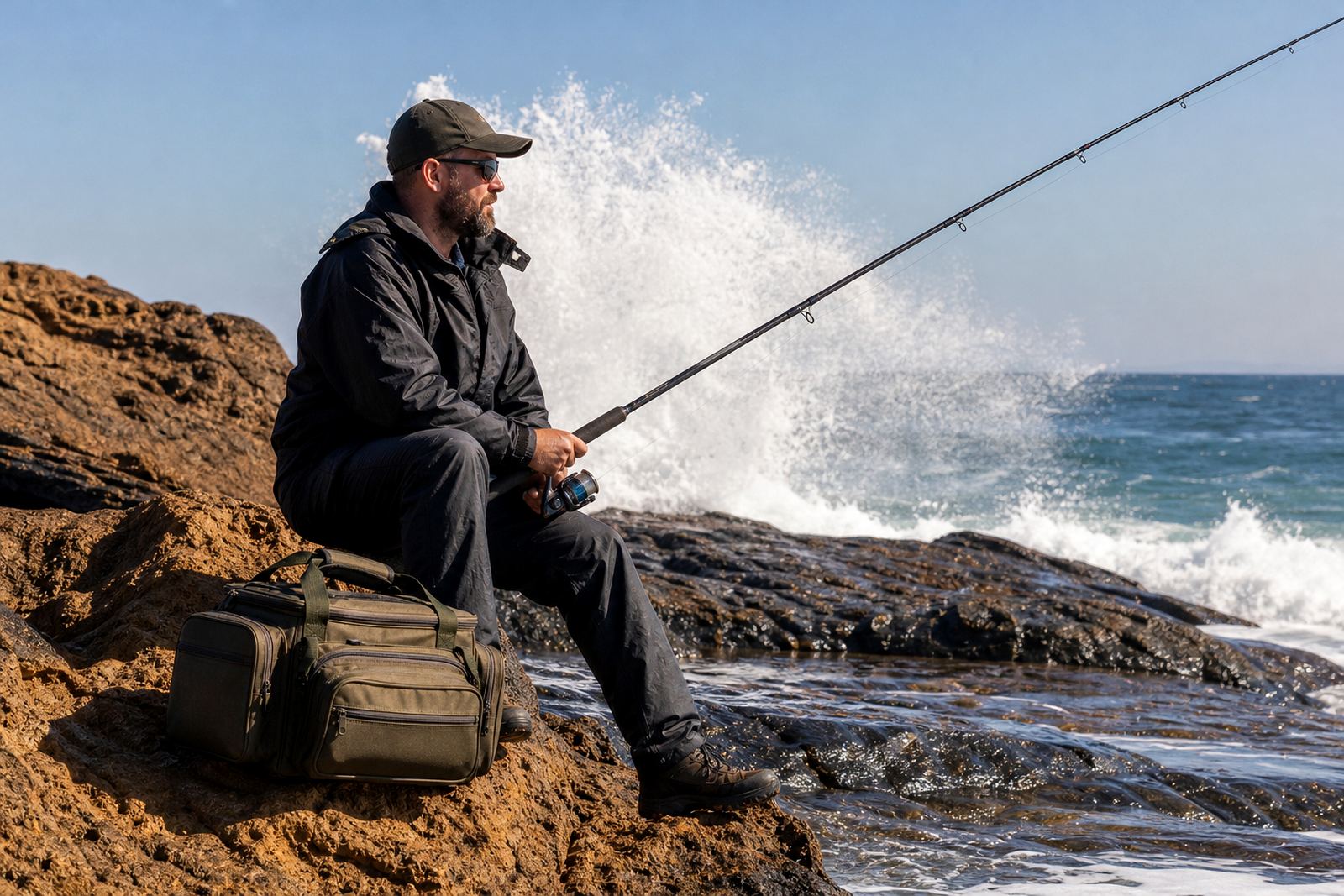
The client was based in St Lucia and needed a bait setup that could do more than one job. He fishes the estuary edges, nearby shoreline marks and the odd early morning session when the wind swings around, so the brief was clear: keep it simple, keep it durable, and make sure every part of the kit could cope with saltwater, sand and regular use.
He wanted two things above all else. First, enough casting distance for open beach work without making the outfit too heavy for long sessions. Second, a rig that could be changed quickly when the water colour, tide or bait choice changed. The setup also had to suit local bait species and the type of conditions you get up the North Coast, where humidity can be high and gear gets worked hard even when it is only used on weekends.
Because the client was fishing from St Lucia and travelling around the KZN coast, we treated this as a practical field build rather than a generic tackle sale. That meant checking rod length, reel size, line choice, trace material and the bait he would actually carry in his bucket and cooler. We also discussed how to keep the outfit ready between trips, especially with salty air and damp storage in the wet season.
What the setup needed to do
The main constraint was versatility. A pure surf outfit would have been too stiff for estuary work, while a light estuary rod would not have given enough backbone for heavier sinkers and fish runs on the beach. We aimed for a middle ground that could handle bait presentations with decent casting power, but still stay comfortable in the hand for longer sessions.
- Rod length in the 10 ft to 12 ft range for balance between casting and control
- Saltwater-safe reel with smooth drag for line protection and steady pressure
- Line setup suited to abrasion from sand, rocks and structure
- Terminal tackle that could be changed without retying the whole rig
- Bait options that work for estuary and shore species common around St Lucia
We also took load-shedding into account for the home side of the setup. If a customer is mixing bait prep, line spooling and gear storage at home, it helps to keep the system low-fuss. So we focused on gear that does not need any special treatment or power-dependent extras just to stay usable. A clean rinse, a dry place and basic upkeep are enough when the parts are chosen properly.
The tackle package we supplied
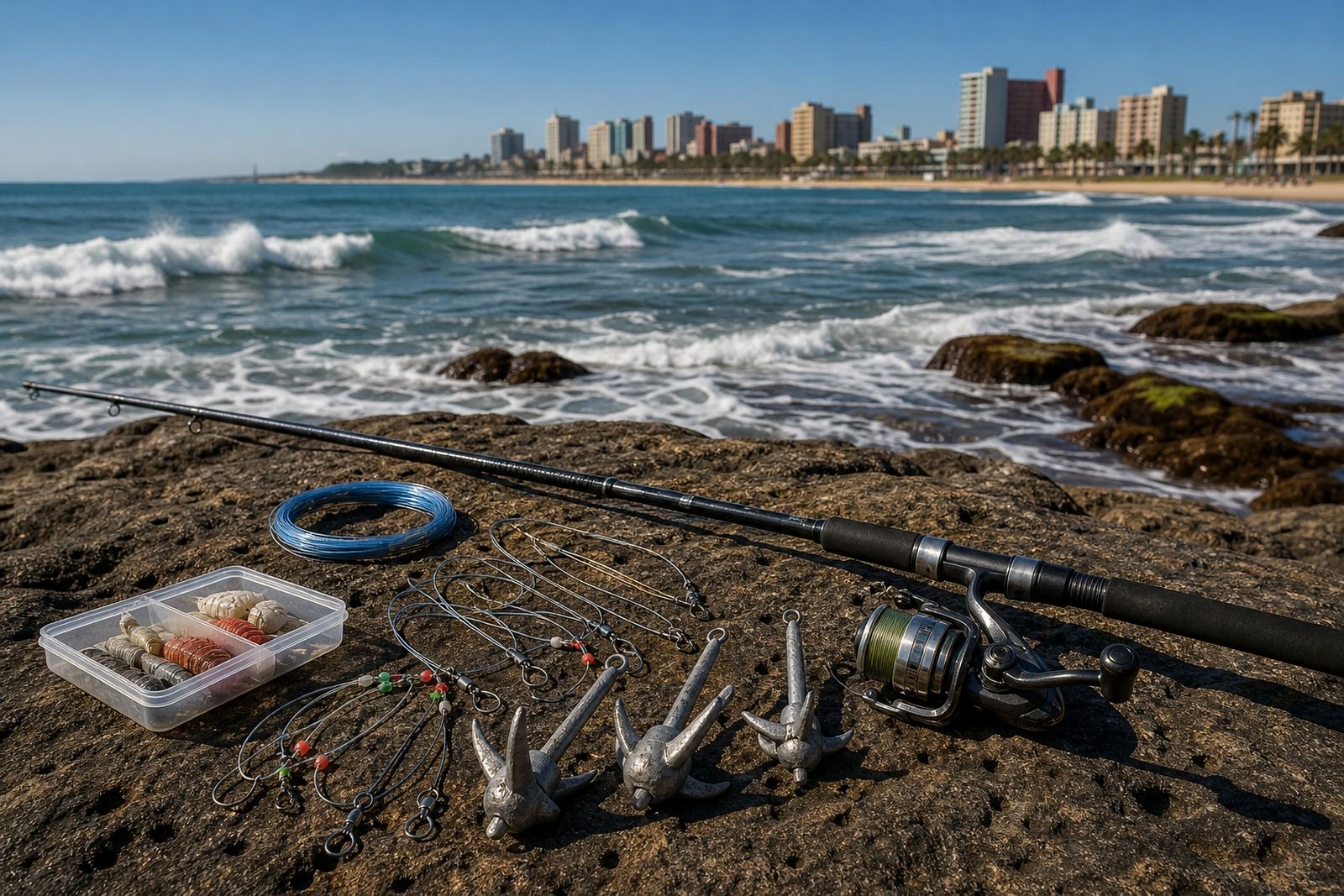
We supplied a matched rod and reel combination with a medium-heavy feel, chosen for bait work along the coast and estuary edges. The rod had enough length for distance but still loaded well with standard sinker weights, while the reel size gave the client a good line capacity for mixed conditions. We paired it with abrasion-resistant main line and added a practical leader system for quick rig changes.
The terminal tackle side included the usual bait fishing essentials, but with an eye on the conditions around St Lucia. That meant neat clips, solid swivels, a few sinker weights in common shore sizes, and trace material suited to rubbing against structure without going too thick and clumsy. We also prepared a small bait kit for easy transport, including containers and separating tubs so different bait types stay in good condition on longer trips.
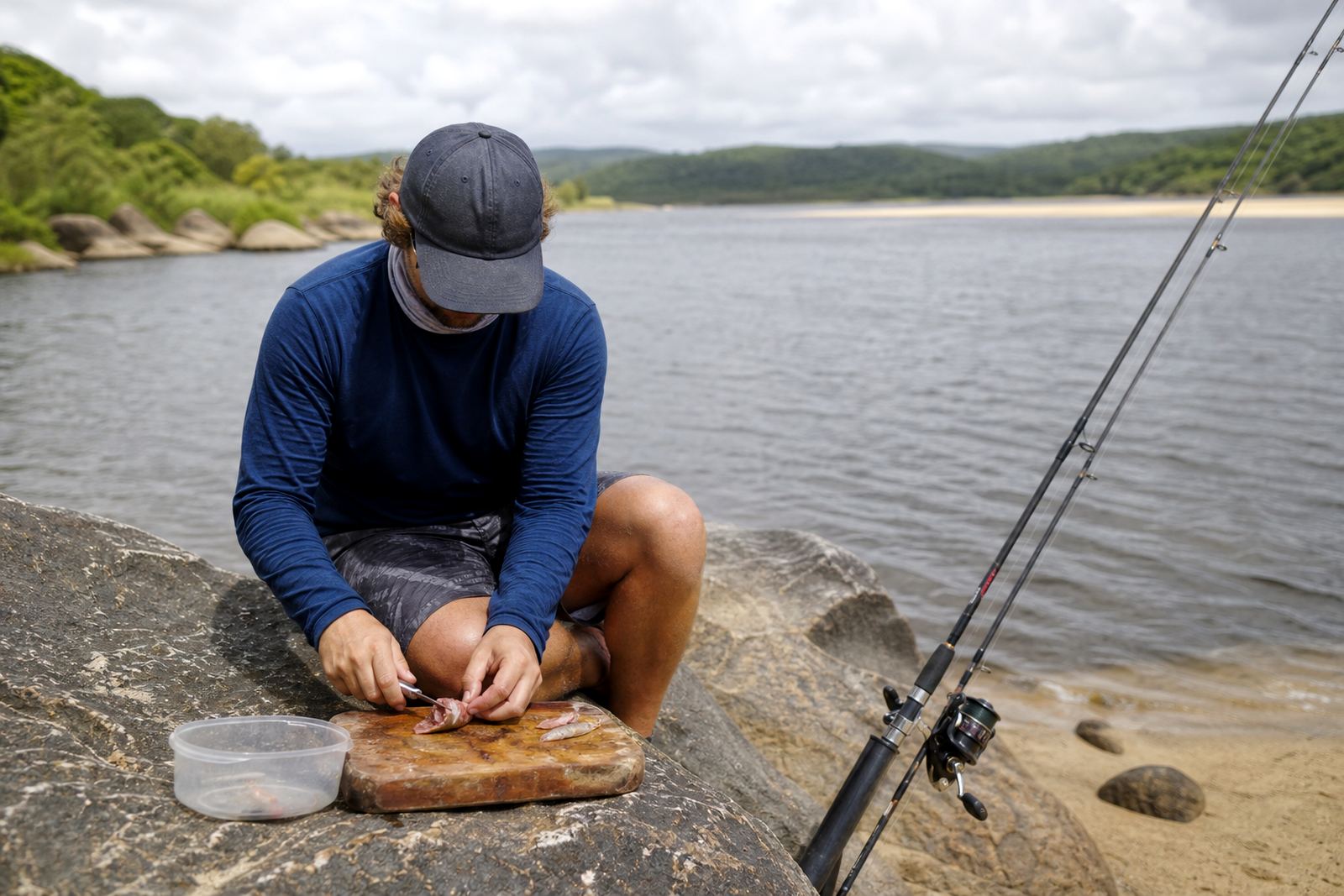
For bait guidance, we talked through what works well for estuary and shoreline fishing in that part of KwaZulu-Natal. The client needed advice on keeping bait fresh in heat, packing it so it does not sweat in the cooler, and setting up for quick bait swaps when the bite is moving. He also wanted a starter trace that could be tied at home and duplicated later, which we showed him step by step.
- Rod and reel matched for bait fishing versatility
- Main line and leader set for coastal abrasion resistance
- Trace components for quicker re-rigs on the water
- Bait storage advice for warm, humid conditions
- Starter rig layout for repeated use on future trips
How we worked the order through the shop
The job took 3 weeks from first enquiry to final handover. Week one was the brief, including what he already owned and what needed replacing. Week two was selection and spooling, where we matched the reel with the right line and checked that the drag, retrieve feel and balance were right for the rod. Week three covered trace prep, bait advice and final testing of the outfit before it left the store.
Our store team handled the order from Springfield Park in Durban, with support from our coastal and freshwater specialists. Lwandle Dlamini helped with the shoreline side of the brief, Pieter van Rooyen checked that the rig side still made sense for mixed use, and Jason Petersen went through the reel and line setup so the drag sat correctly and the spool was filled evenly. Nokuthula Khumalo then advised on bait storage and prep so the client could keep things tidy at home and on the road.
This was also a good example of why a hands-on tackle shop helps. The right choice was not just about price or a label, it was about how the gear would behave when wet, sandy and under pressure. We measured the line lay, checked the guides, and made sure the outfit felt natural in the hand. A small detail, but it matters when you are casting a few dozen times before breakfast.
Results on the water and what changed
After the setup was collected, the client reported better control on bait presentation and fewer awkward resets between estuary and shoreline sessions. The rod loaded well with his chosen sinker weights, and the reel drag stayed smooth during runs without needing constant adjustment. He also found the trace system easier to work with, which meant less time retying and more time fishing.
What changed most was confidence. Instead of carrying separate bits and pieces for different spots, he had one organised setup that could be adapted quickly. That is especially useful around St Lucia where conditions can shift fast, and a bait rig that worked at first light may need a different sinker or trace an hour later.
- Cleaner bait presentation with less gear clutter
- Faster rig changes between estuary and shore fishing
- Better drag feel under pressure from stronger fish
- Improved storage and transport for bait and small tackle
What we would repeat for the next St Lucia build
If we were doing the same kind of setup again, we would keep the same practical approach. Start with the fishing ground, not the catalogue. Work out whether the angler is spending more time in the estuary or on the open beach, then set the rod, reel and line around that split. That method gives a better result than buying something too specialised and hoping it fits later.
We would also keep the bait side simple and well organised. In coastal humidity, overpacking bait and terminal tackle is often where people run into trouble. Separate containers, clear trace sections and a sensible cooler routine make a bigger difference than most anglers expect. If the gear is neat and easy to reach, you waste less time and avoid unnecessary mess.
For a St Lucia customer, we would always recommend checking the reel service interval as well. Salt air and sand get into gear quickly, and even a good outfit benefits from regular cleaning, line checks and a drag test. If needed, we can handle reel servicing, line spooling, trace making and starter setup advice from our Durban base for anglers across KZN and beyond.
Key facts
| Project location | St Lucia, KwaZulu-Natal |
|---|---|
| Client type | Coastal angler with mixed estuary and shoreline fishing needs |
| Timeline | 3 weeks from brief to handover |
| Core setup | Medium-heavy bait rod, saltwater reel, abrasion-resistant line, mixed trace kit |
| Use case | Estuary edges, shoreline casting and bait fishing in changing conditions |
| Shop base | Springfield Park, Durban |