

Home / Tackle / Trace Wire

Tackle

Trace Wire

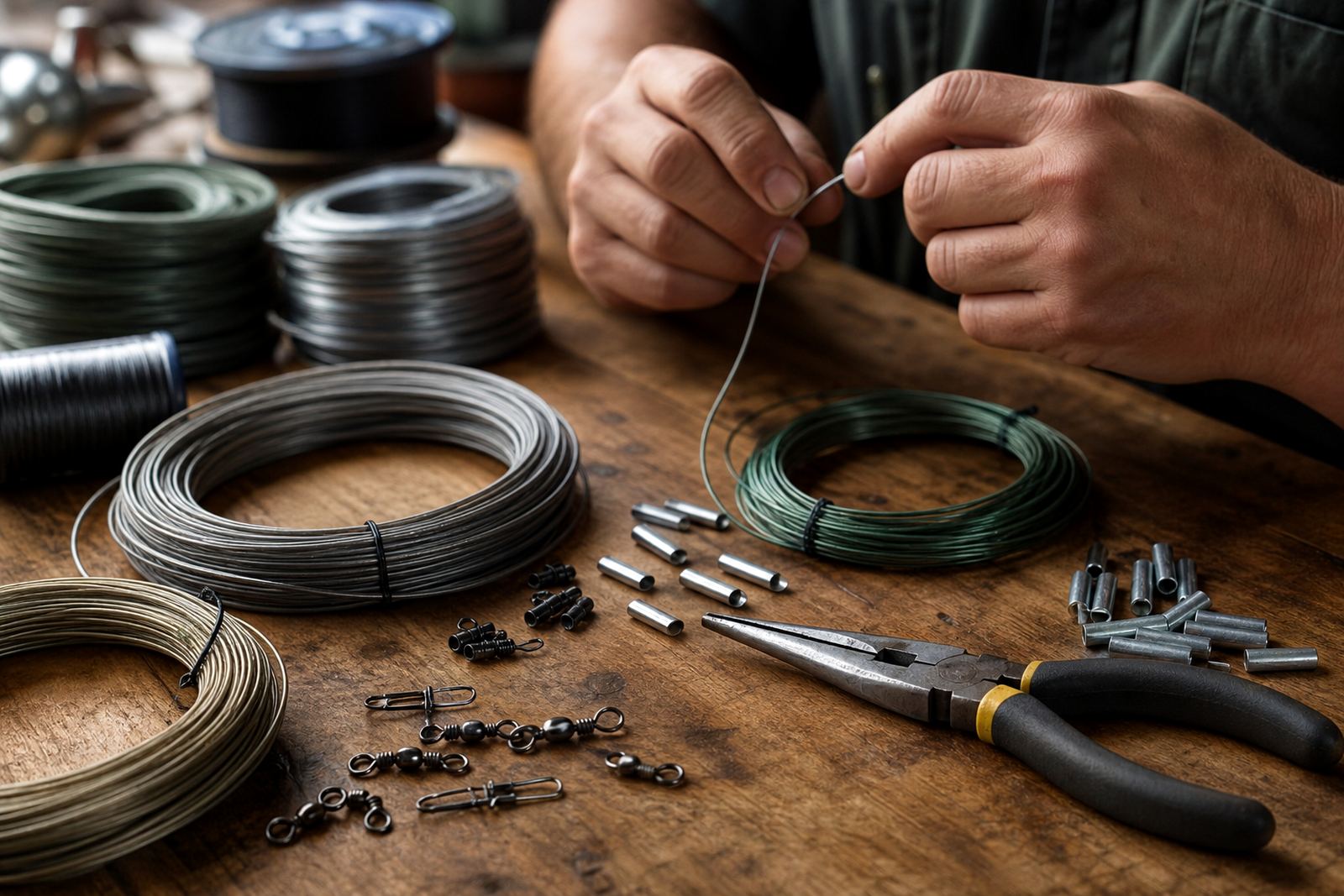
Trace wire is used where teeth, shells and hard mouths can wear through standard leader material. It gives extra protection for kingfish, mackerel, pike and other tough species, whether you are fishing the coast or inland waters.

Trace Wire

What trace wire is and why anglers use it

Trace wire is a thin metal leader material used ahead of the hook or lure when fish can cut through normal mono or fluorocarbon. It is common on toothy species, sharp structure and rough conditions where abrasion is a daily problem. For Durban rock and surf anglers, and for freshwater anglers chasing species with hard mouths or abrasive habitat, it gives an added layer of insurance when the bite comes fast.

It is not there to replace good knots or proper rigging. It is there to protect the most exposed part of the setup. On windy days, in strong current, or around reef, snags and mussel beds, trace wire helps keep the terminal end intact for longer. That can mean fewer lost fish, fewer lost lures and less time retying on the bank or in the car park.

Our trace wire range suits anglers who need tidy rigs and dependable holding power. It is also useful where you want a short, neat leader section that resists wear from teeth, gill plates and hard edges. If you fish often in coastal humidity, the right wire and aftercare matter because corrosion can start quickly if tackle is stored damp.

Sizes, strands and finish options for different rigs

Trace wire is supplied in different diameters, strand counts and breaking strengths so you can match it to the target species and the size of the lure, hook or bait rig. Thinner wire gives a smaller profile and better movement. Heavier wire gives more protection and more confidence when fishing bigger baits or stronger fish.

  • Fine wire for smaller lures, light coastal traces and cautious presentations
  • Medium wire for general saltwater use and mixed fishing conditions
  • Heavy wire for larger predators, big baits and rough cover
  • Single strand for a firm, straighter presentation and simple twisting joins
  • Multi strand for added flexibility and better lure action on moving rigs
  • Coated options where a smoother finish helps with handling and added abrasion control

When choosing a size, think about both fish and water. In clear water and lighter spinning setups, a smaller diameter often fishes better. In dirty water, around jetties or where bite-offs are common, a stronger trace usually makes more sense. Some anglers prefer a short wire section only, while others run a longer leader for extra protection around the hook trace and swivel area.

Where trace wire suits best in South Africa

This product is well suited to Durban harbour edges, surf launches, estuary mouths and rocky shorelines, where fish can run straight into abrasion. It also works inland when fishing hard-mouthed species or when you need a tougher front end on a bait rig. A short wire trace can save you when the line is rubbed against reeds, shells, timber or submerged debris.

Anglers from Cape Town, Gqeberha, East London and Johannesburg order trace wire for different reasons. On the coast, the challenge is salt, sand and aggressive fish. Inland, it can be structure, drag pressure and repeated casting. In both cases, a trace must be chosen to suit the water, the target species and the tackle in hand. If the rig is too light, it fails early. If it is too heavy, it may reduce bite confidence. Balance matters.

For beginners, trace wire is often part of a starter setup when the species list includes fish known for biting through softer leaders. For more experienced anglers, it becomes part of a planned rig build, especially when fishing trips are expensive and lost tackle is a real cost.

How to install trace wire without damaging the rig

Installing trace wire does not need power or gas. What you need is a clean work area, good cutters, proper sleeves or twisting tools where needed, and enough time to make neat joins. Rushed fittings can kink the wire, weaken the trace, or leave a rough end that frays other line.

  • Cut the wire cleanly, do not crush it with blunt tools
  • Check the rig length before attaching hooks, swivels or lures
  • Use the correct join method for the wire type, especially on multi strand
  • Keep twists neat and even if you are making loop ends
  • Avoid sharp bends that create weak points
  • Test the finished trace by pulling it firmly before use

If you are using trace wire with trebles, live bait rigs or heavier traces, make sure the hooks can still move naturally. The rig should stay practical and safe to handle. A trace that is too stiff for the presentation can reduce the effectiveness of the bait or lure. A trace that is too short can leave the rest of the leader exposed.

Care after saltwater use and during storage

Trace wire needs basic care, especially in Durban humidity and coastal spray. After fishing, rinse the rig in fresh water and dry it fully before storage. Do not leave it coiled damp in a tackle bag, because surface rust and salt build-up can shorten the life of the wire and the fittings around it.

Check for kinks, scuffs and areas where the coating has been rubbed off. If a section has been bent sharply by a hard strike or snag, replace it. Trace wire is not the kind of tackle you want to keep using after visible damage. A small weakness near the hook or swivel can fail when a better fish hits. That kind of loss usually costs more than replacing the trace in the first place.

For anglers who fish often, it helps to pre-make a few traces and store them flat or in a trace wallet. Keep them away from moisture and direct heat. If you are fishing several times a week, inspect your traces before every session, not after. A few minutes of checking can prevent a wasted trip.

What to check before ordering your trace wire

Before you place an order, think about the species, the water and the rest of your setup. The right trace depends on whether you are throwing lures, bait fishing, or building a short leader for rough ground. It also depends on how much abrasion you expect and how visible the trace can be without affecting bites.

  • Target species and mouth type
  • Coastal or freshwater use
  • Required breaking strength
  • Wire diameter and strand count
  • Coating preference if any
  • Length of each trace you want to make

If you are unsure, tell us what you fish for, where you fish and what rod and reel you are using. Our team can help you choose a trace that suits your setup without overcomplicating it. That is especially useful for anglers buying in bulk for club trips, or when you want matched traces for a group outing. Good trace choice saves time on the water and helps keep your terminal tackle working as it should.

Key facts

MaterialMetal trace wire for leader and terminal rig protection
UseSaltwater and freshwater fishing where tooth bite or abrasion is likely
Available formsSingle strand and multi strand options
Common strengthsLight, medium and heavy depending on target species
Typical use lengthShort rig sections through to longer leader builds
CareFreshwater rinse, dry fully and replace if kinked or corroded

What our Fishing Tackle customers say

Verified Google reviews

Questions we get asked

When should I use trace wire instead of normal leader material?

Use trace wire when fish have teeth, when the water is very abrasive, or when you keep losing rigs to bite-offs and hard structure.

Can trace wire be used for freshwater fishing?

Yes, it suits freshwater species and rough environments where extra leader protection is needed, not just coastal fishing.

How do I know which trace wire size to choose?

Match the size to the species, lure or bait size, and the amount of abrasion you expect. If you are unsure, choose based on the tougher of the conditions you fish most often.

Planning something? Send the team a message.

Contact form