Built for hard coastal work
Rock surf reels are purpose-made for anglers who fish close to rocks, wash zones and heavy surf where line is pulled hard and gear gets wet fast. They are usually larger than freshwater reels, with bigger spools, stronger gears and a drag system that can handle sudden runs from kob, shad, grunter and other saltwater species. A proper rock surf reel should feel solid in the hand, wind smoothly under load and resist corrosion after repeated use in sea spray and humid weather.
For Durban anglers fishing through summer humidity or Cape Town anglers dealing with wind, sand and cold spray, the reel must be easy to rinse and service. A good model will also cope with bait fishing, sliding, scratching and longer casts from the rocks. If you fish after work or on weekend trips, the reel should give reliable line lay and enough capacity for heavier main line and shock leader without making the setup bulky.
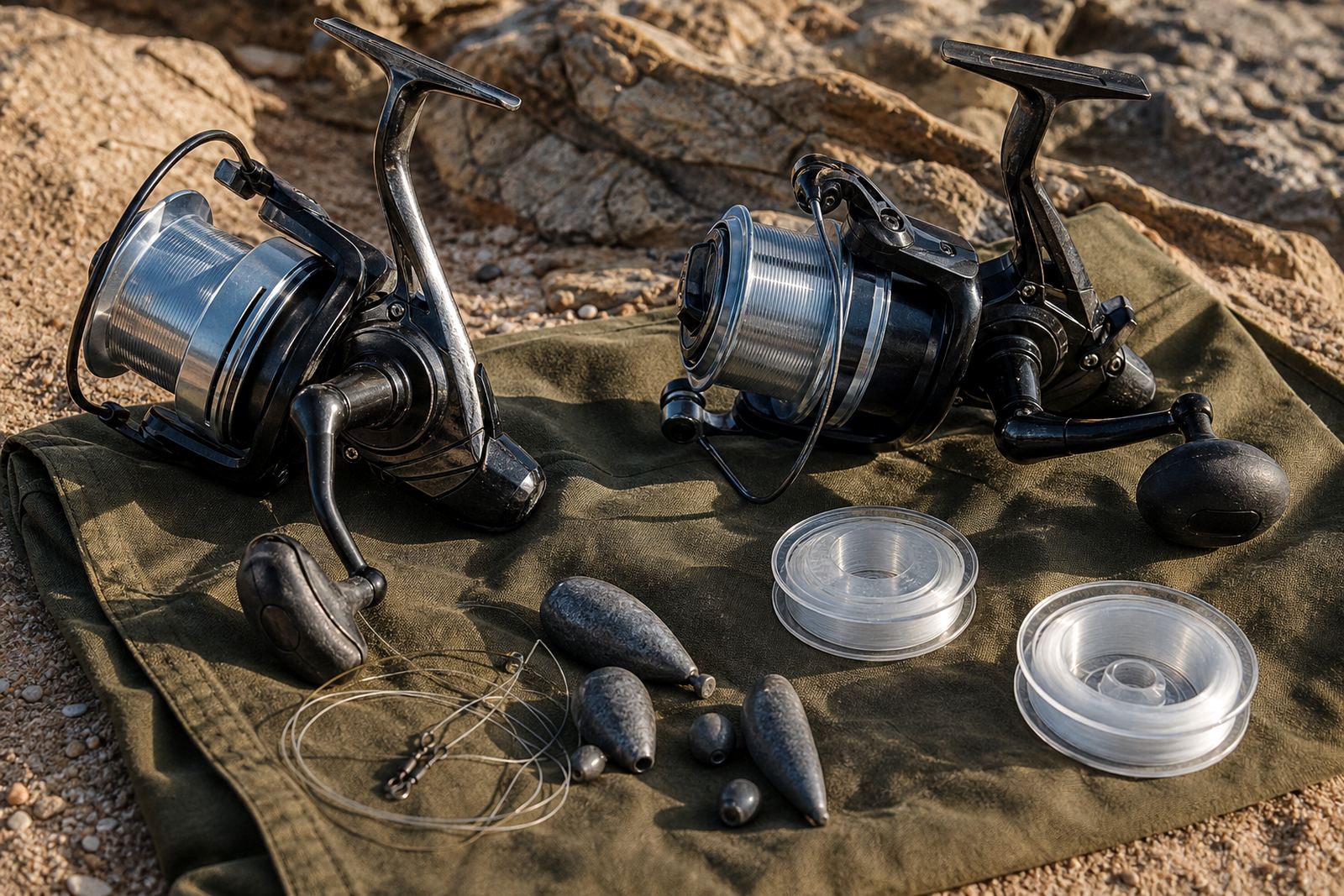
Typical rock surf reels are built with metal spools, reinforced bodies and smooth drag washers. Some are front drag, while others are fixed spool designs with slower oscillation for even line lay. The right choice depends on your target fish, the weight of sinker you use and how often you fish rough water.
Sizes, line capacity and casting range
Most rock surf reels fall in the medium to large fixed spool range. Smaller models suit lighter bait and shorter throws, while larger models are better for distance work and heavy sinkers. If you fish the south coast or around deep gullies near East London, line capacity matters because strong current and snaggy ground can take line quickly. For freshwater style use on dams or rivers, a smaller reel may be enough, but coastal fishing usually needs a tougher build.
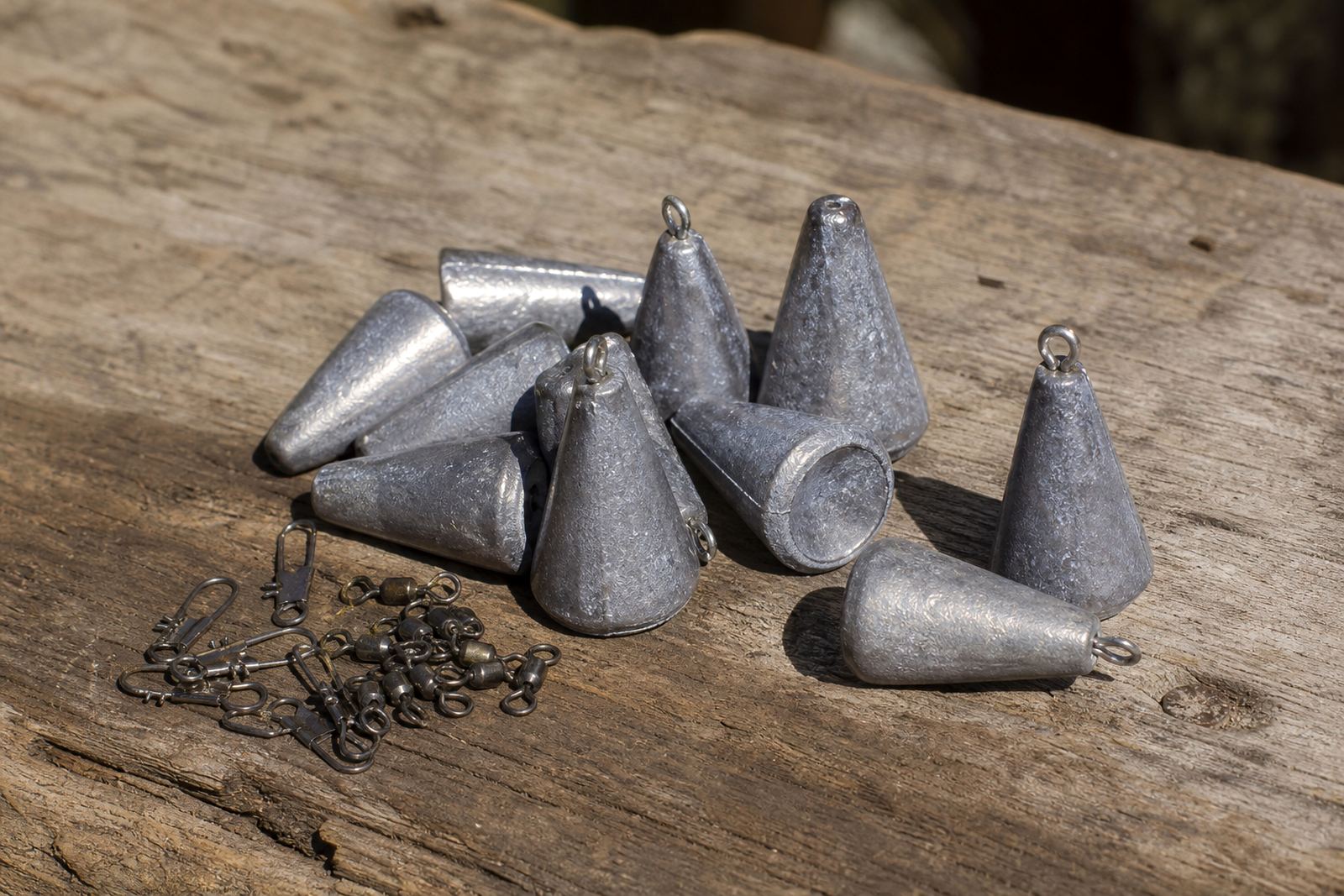
When choosing size, think about the rod length, line diameter and sinker weight you use. A 12 ft rod with 5 oz to 7 oz sinkers often pairs well with a medium large reel, while a 13 ft or 14 ft rod may need a bigger spool for smoother casting. Bigger spools help reduce line memory and can improve casting distance, but they must still balance properly with the rod so the outfit does not feel nose heavy.
- Small to medium size: suited to lighter bait rigs and shorter casts
- Medium size: good all-round choice for beach and rock fishing
- Large size: better for distance casting, heavier sinkers and more line capacity
- High line capacity: useful when fishing current, reefs and deeper channels
If you are ordering for a club or a family fishing trip, check how much backing and main line the spool takes. A reel that looks large on paper may still hold less line if the spool is shallow. That is worth checking before you buy so you do not end up short on capacity near the rocks.
Where rock surf reels suit best
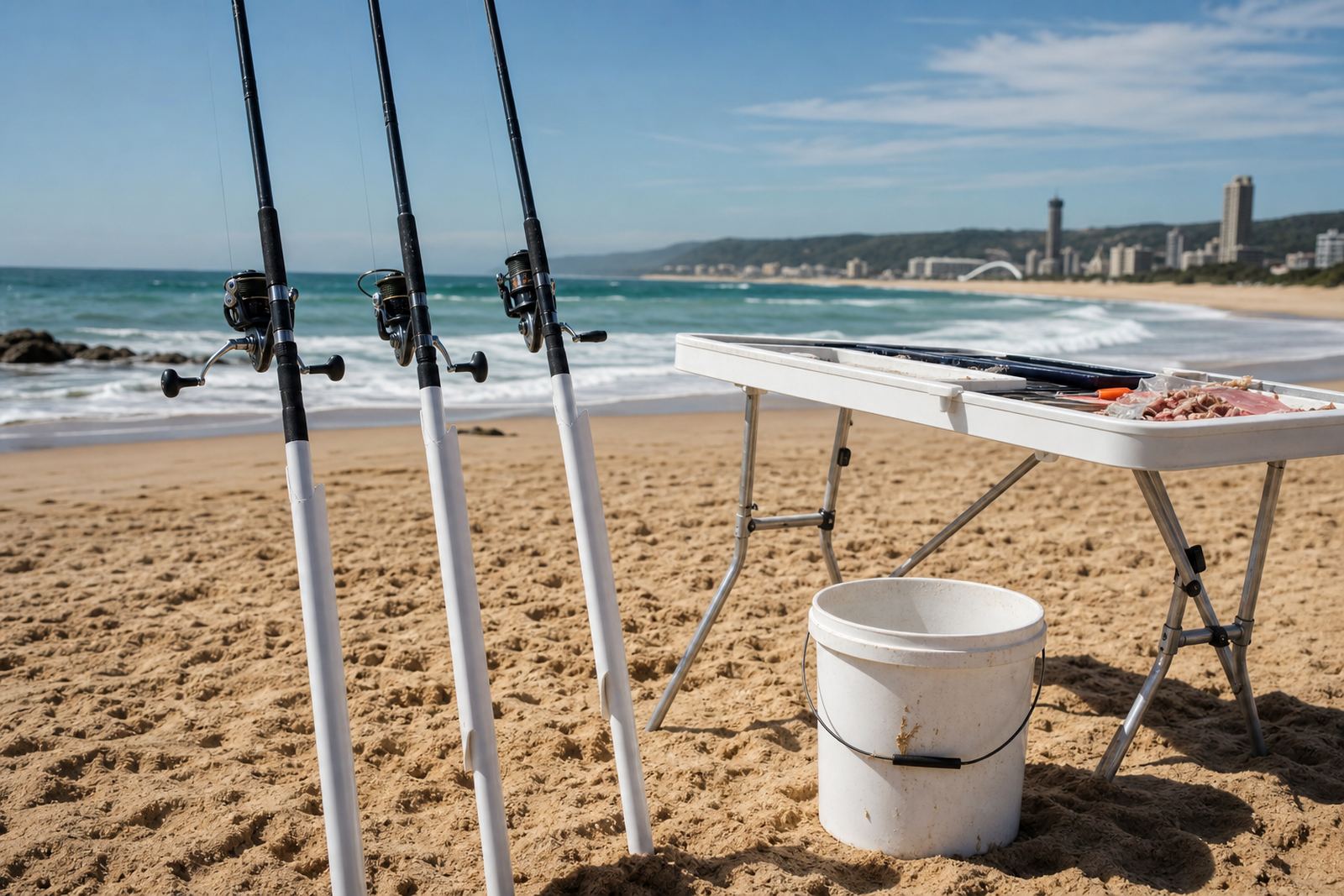
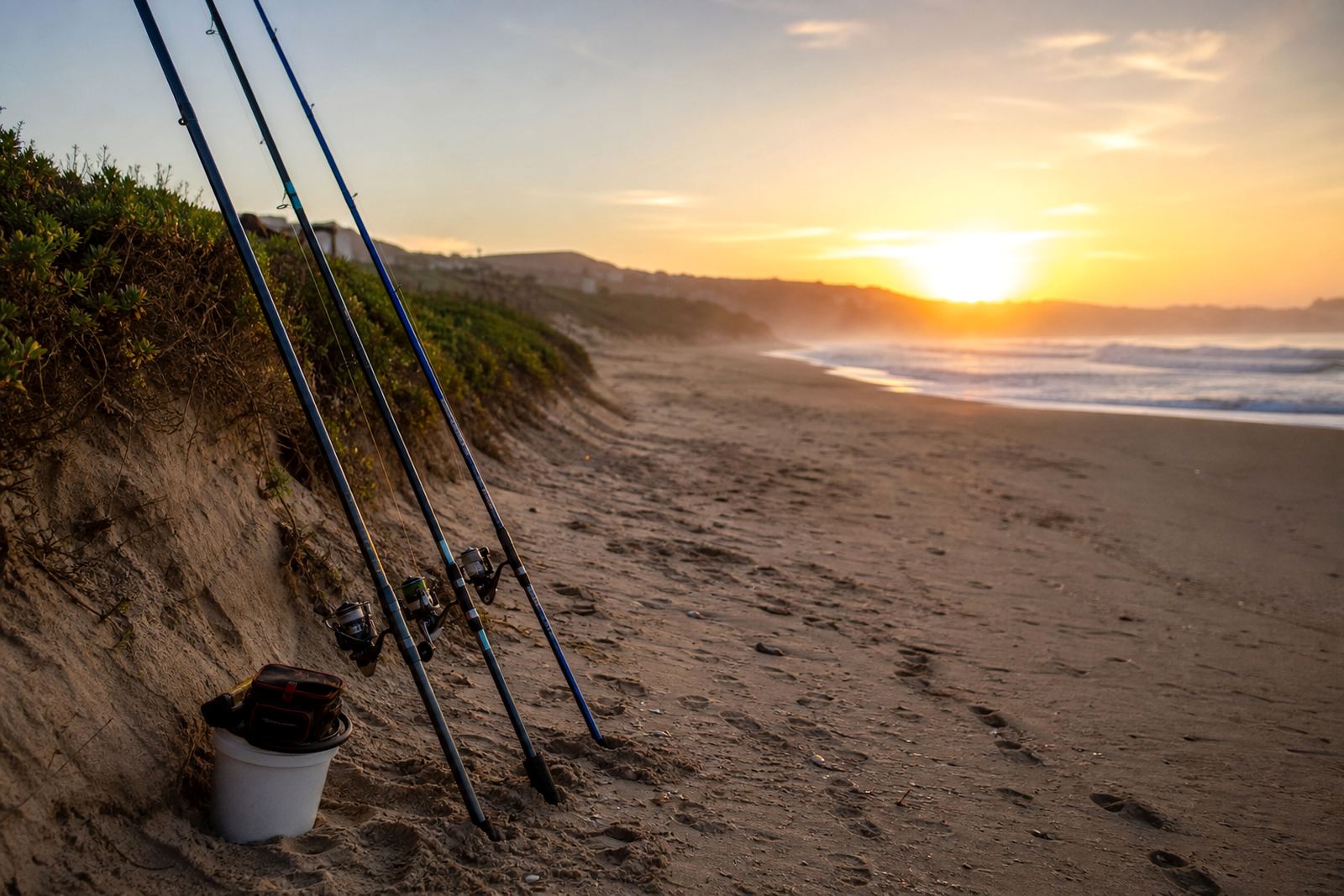
These reels are ideal for rocky coastlines, surf gutters, piers, harbour edges and open beach marks where long casts and steady pressure matter. They suit anglers targeting edible species from shore, especially where bait has to sit well in the strike zone. In KwaZulu-Natal, they are commonly used for offshore facing ledges and surf beaches. In Cape Town and Gqeberha, they are useful where wind, swell and cold salt exposure make lighter tackle feel out of place.
Rock surf reels also work well for anglers who need one reel that can cover several styles. You can use them for bait fishing, sliding traces, live bait presentations and heavier bottom rigs. They are not usually the best choice for very light lure work, but for practical coastal fishing they offer a good mix of power and line control.
They are especially suitable when:
- You fish from rocks, reefs or rough shorelines
- You need long casting distance with 4 oz to 8 oz sinkers
- You expect salt spray, sand and wet hands
- You want a reel that can handle strong runs and hard stops
- You fish both day and night sessions
For Johannesburg anglers travelling to the coast, a rock surf reel is a smart travel choice because it gives enough range for holiday fishing without needing several specialist reels. One good reel can cover most coastal situations if it is matched correctly to the rod and line.
What to check before placing your order
Before ordering, check the reel size, retrieve ratio, drag range and line capacity. These details tell you whether the reel is suited to your target fish and fishing style. A stronger drag is useful, but smooth drag is just as important because a jerky drag can snap trace or pull hooks. Also check whether the handle folds neatly for transport, especially if you travel between Durban and coastal holiday towns.
It helps to confirm the following points:
- Reel size and spool depth
- Retrieve ratio and handle feel
- Maximum drag pressure
- Line capacity for mono or braid
- Weight of the reel on your rod
- Whether spare spools or accessories are needed
If you are still deciding, think about your target water first. A reel for Durban harbour style fishing may not suit exposed rock marks near Ballito. Likewise, a reel chosen for Gqeberha surf conditions may be overkill for a lighter freshwater crossover setup. Matching the reel to the mark saves money and improves results.
Installation, setup and practical use
Rock surf reels are straightforward to fit onto a rod, but the setup must be done properly to avoid twist, poor balance and line issues. The reel seat should hold firmly and the spool should align well with the rod guides. If the outfit is too heavy or too light, casting can suffer and fatigue sets in after a few throws. That matters when you are fishing long sessions on the coast.
For most setups, the reel should be spooled with the right line for the rod rating and the sinker weight you plan to use. Braid can help with sensitivity and casting, while monofilament gives stretch and easier shock absorption. Some anglers use a braid main line with a heavier leader, especially in snaggy rock areas. It is worth checking your knots, shock leader length and trace setup before fishing, because a bad connection can fail at the worst time.
There is no power or gas requirement for the reel itself, but if you use a line spooler or service tools at home, make sure your setup is steady and well lit. On days with load-shedding, many anglers prefer to have their tackle ready early so they are not scrambling before a night session. A simple clean workspace, cloth and rinse bucket go a long way.
Care, servicing and salt protection
Saltwater reels need regular care. After fishing, rinse the reel lightly with fresh water and wipe it dry with a soft cloth. Do not blast it with high pressure water, because that can push salt and grit deeper into the body. Open the bail arm, back off the drag and store the reel dry before the next trip. If you fished in heavy spray, give the spool, handle and line roller extra attention.
Servicing matters even more if you fish often or if your gear is exposed to fine sand and moisture. Signs that a reel needs attention include rough winding, drag slip, noise under load or corrosion around screws and bearings. Regular line spooling and drag tuning help keep the reel working properly, and a timely repair can save a reel that is still in good overall condition.
Useful maintenance habits include:
- Rinse after every saltwater session
- Dry before storage, especially in humid weather
- Check the bail arm, handle and spool lip for wear
- Service bearings and gears when winding feels rough
- Replace worn line before it cuts into itself
If you fish weekly around Durban or along the KZN coast, seasonal servicing is a practical idea. That keeps the reel ready for the next run, and it reduces the chance of a breakdown at the wrong time.
Choosing the right reel for your next session
The best rock surf reel is the one that matches your rod, your line and the fish you are actually chasing. A bigger model is not always better if it feels clumsy or overpowers the rod. Likewise, a smaller reel may cast nicely but run out of capacity when the surf is strong. The sweet spot is a reel that gives you enough control, enough line and enough drag without becoming tiring to use.
If you are buying for a first coastal setup, keep it practical. Choose a reel with solid drag, a comfortable handle and enough spool depth for the line class you use most often. If you already fish regularly, then line capacity, retrieve smoothness and corrosion resistance become even more important. For club anglers or families buying in bulk, it also helps to standardise sizes so spares, line and traces are easier to manage.
Rock surf fishing is hard on gear, but the right reel can handle it well when it is matched and cared for properly. Check the specs, think about your fishing ground and order the reel that suits the way you fish, not just the label on the box.
Key facts
| Reel type | Fixed spool rock surf reel |
|---|---|
| Size range | Medium to large coastal models |
| Body and spool | Corrosion-resistant body with metal spool |
| Drag system | Smooth front drag for steady pressure |
| Line capacity | Suitable for mono or braid with leader |
| Use case | Rock, surf, reef and heavy shore fishing |