What a tackle box does on a real fishing day
A tackle box is more than a container. It keeps your rigs, hooks, lures, sinkers and spare line separated so you are not rummaging through a mixed-up pile when the bite starts. For shore anglers in Durban, a good box also keeps small parts out of damp sand and spray, while freshwater anglers get a neater way to carry trace material, floats and terminal tackle to the dam. If your kit lives in the bakkie, boat or backpack, organised storage saves time and cuts down on lost gear.
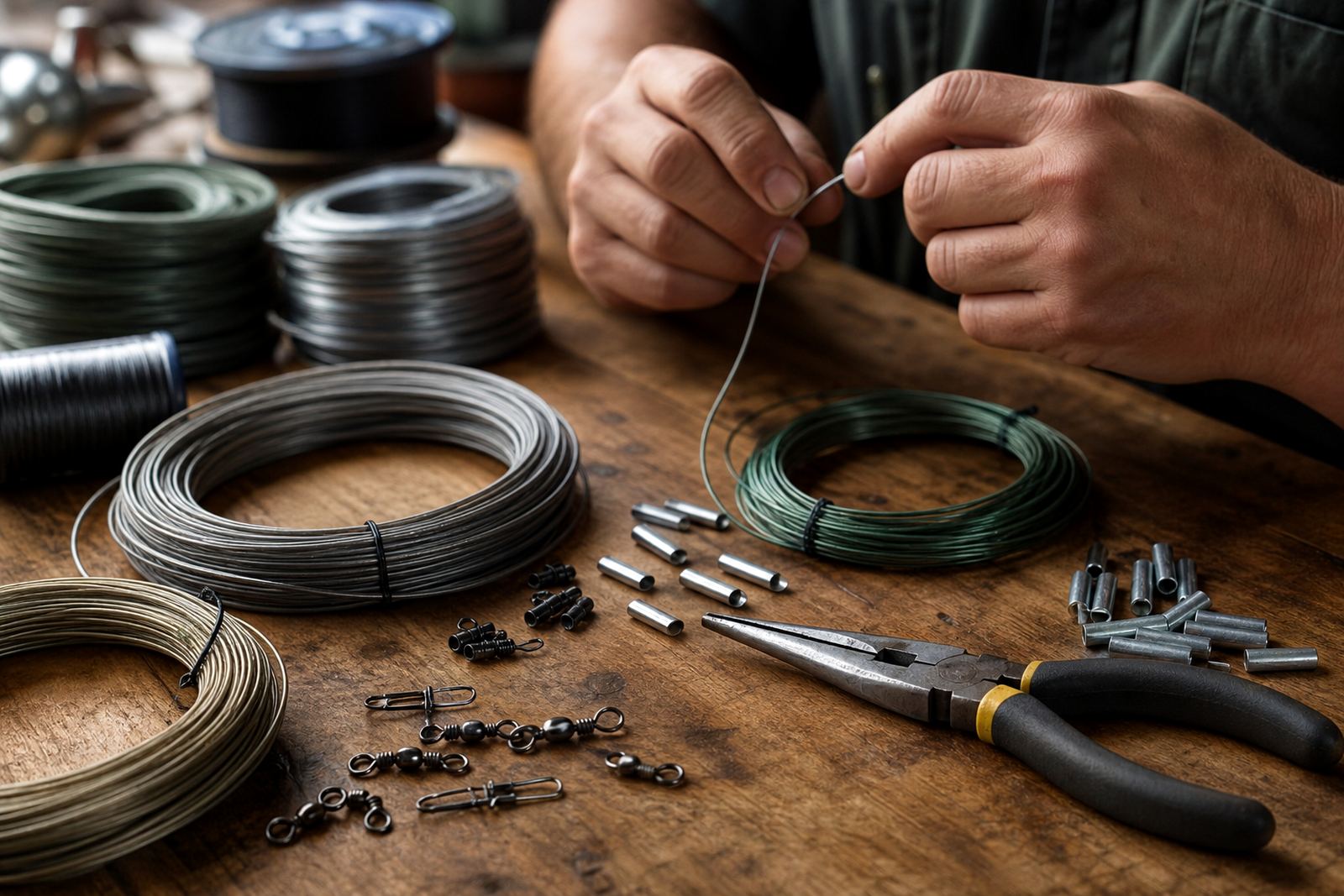
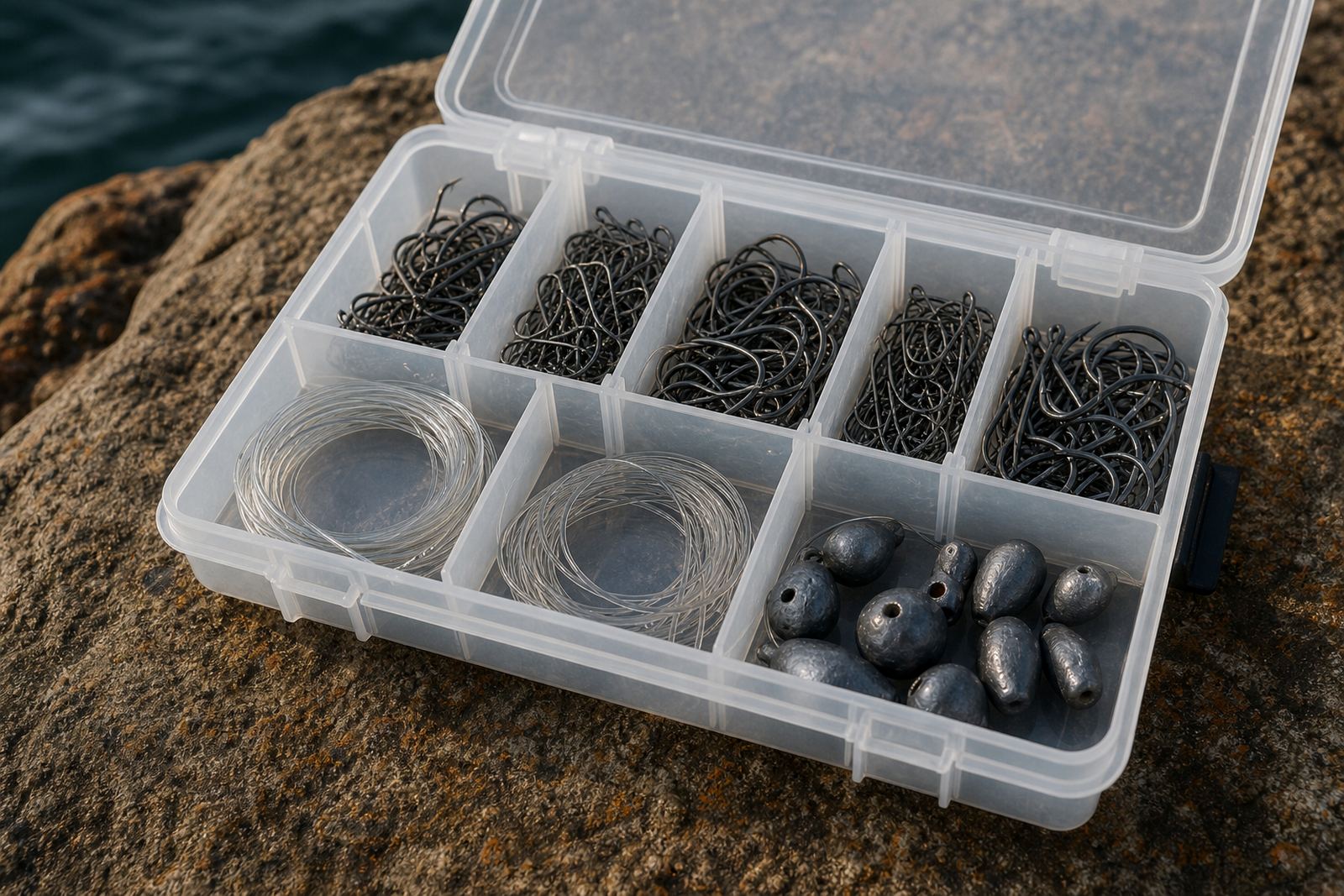
Most anglers use tackle boxes for the items that go missing first: swivels, hooks, snells, leader clips, bait elastic, beads and jig heads. A decent box should open easily with wet hands, close securely and fit into a cooler bag, carry crate or side pocket without wasting space.
Sizes and layouts that suit different styles of angling
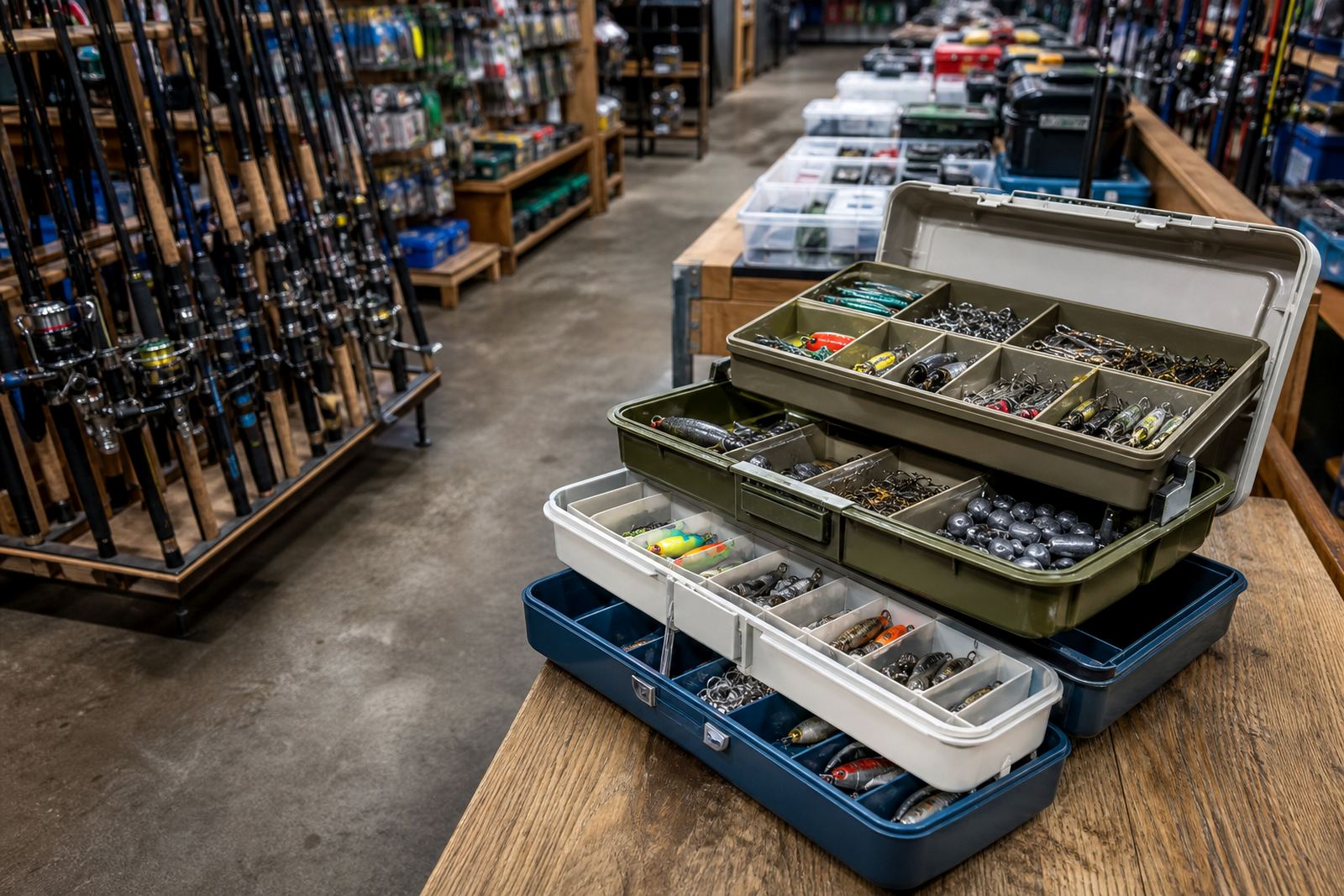
Tackle boxes come in a few practical formats. Small pocket boxes work well for basic shore sessions and quick bait runs, while medium organiser boxes suit day trips and mixed species fishing. Larger multi-tray boxes are handy for club anglers and those who carry a wide spread of lures, rigs and spare terminal tackle. If you fish both coast and inland, it often pays to keep one box for saltwater gear and another for freshwater kits.
- Compact boxes: Best for hooks, swivels, sinkers and a few pre-tied traces.
- Tray-style boxes: Useful for lures, spinners, jig heads and small tools.
- Deep organiser boxes: Good for bulk terminal tackle, leader spools and spare bait accessories.
- Compartment boxes: Keep soft plastics, floats and small parts from mixing.
Check the internal divider spacing before ordering. Some anglers want shallow sections for tiny items, while others need deeper cells for larger baiting gear. A box that is too shallow will not sit well with bulky hooks or pre-tied rigs, and one that is too deep can let small parts shift around inside.
Durban coastal use and inland carry options
For coastal fishing, especially around Durban, Umhlanga and Ballito, moisture resistance matters. Salt air can work its way into hinges, latches and metal screws, so a tackle box with strong closure points and a wipe-clean finish is the better choice. Anglers fishing the surf or rocks often prefer a box that can be rinsed quickly after use and left to dry open under shade. On humid days, a box with good sealing helps keep hooks and swivels from dulling too fast.
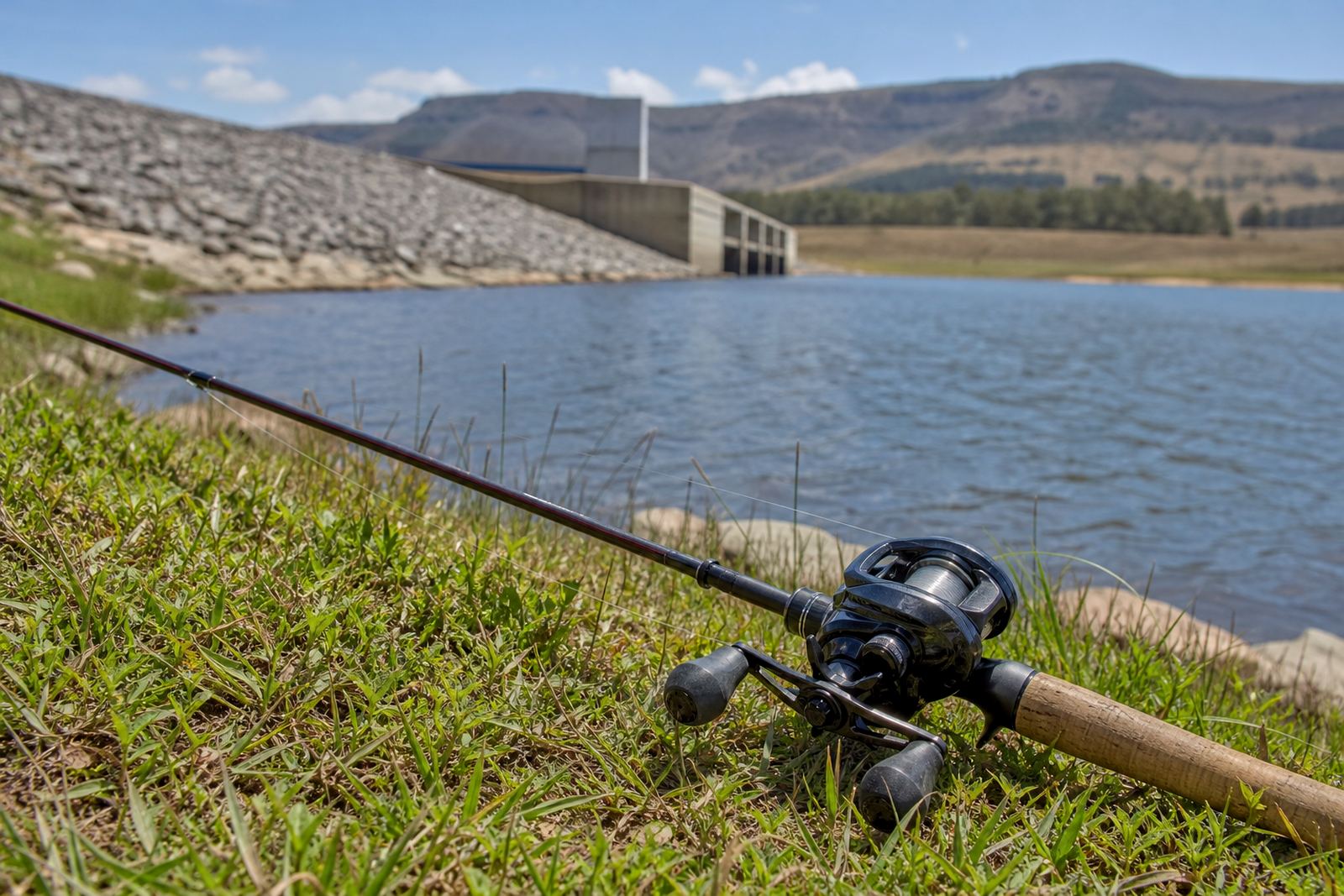
Inland anglers around Pietermaritzburg and Johannesburg may focus more on portability and storage depth. If you travel between dams, clubs and home, a stackable box or one with a carry handle can be easier to live with. For boat use, choose a box that fits securely in a hatch or under a seat so it does not slide about when the boat moves.
There are no installation, power or gas needs for tackle boxes. They are ready to use straight out of the pack, which makes them a simple add-on for any fishing kit, especially when load-shedding already affects lighting and gear prep time at home. You just pack them, label them if needed and keep them in a dry place.
Features worth checking before you buy
When choosing a tackle box, the small details matter. Strong latches, clear dividers and a lid that sits flat can save a lot of trouble later. If you often fish with wet hands or bait residue on the fingers, a latch that opens without sticking is worth having. Transparent lids are useful when you want to see what is inside at a glance, but opaque boxes can protect lures and traces from direct sun.
- Material: Look for tough plastic that can handle knocks in the bakkie or boat.
- Latch quality: Secure but easy to open and close.
- Divider system: Adjustable sections help you fit different rigs and accessories.
- Drainage and drying: Some boxes dry faster after a rinse, which helps in humid coastal conditions.
- Size match: Make sure the box suits your carry bag, crate or drawer setup.
If you carry pre-made traces or baiting needles, measure them before you order. A good tackle box should protect longer items without bending them. For anglers who swap setups often, a box with removable trays is often better than a fixed layout, because you can change the arrangement as your fishing changes.
Care, cleaning and long-term storage
A tackle box lasts longer if you treat it like fishing gear, not just a storage tub. After a saltwater trip, rinse it with fresh water, wipe it dry and leave it open for air flow. Do not pack wet hooks or sinkers straight back into the box, as trapped moisture can leave rust marks on metal parts and stain the inside. If sand gets into the hinges, brush it out before closing the lid. Small grains wear the latch over time.
Once a month, empty the box fully and check for cracked dividers, split corners or bent clips. If you keep bait additives, sinkers and metal accessories together, use small inner pouches or separate compartments to stop damage to lighter items. A quick sort before each trip saves time later and keeps your kit ready for the next outing.
What to check when ordering your tackle box
Before placing an order, think about how and where you fish most often. A surf angler will need a different setup to someone who fishes bass dams or slow freshwater rivers. It helps to know the size of your main lures, the length of your traces and whether you want a box for daily carry or storage at home. If you are buying for a club order or a family of anglers, standardising the box size can make packing easier.
- Check the external dimensions so it fits your carry system.
- Confirm the number of compartments and whether dividers move.
- Ask if the box suits saltwater use or dry storage only.
- Match the depth to your hooks, lures and pre-tied rigs.
- Decide whether you need one box or a set for different species and locations.
If you are unsure, speak to our team in Springfield Park, Durban. We help anglers from Durban, Cape Town, Gqeberha, Johannesburg and East London choose tackle storage that suits their trips, their gear and the kind of fishing they actually do, not just what looks neat on a shelf.
Key facts
| Product type | Tackle boxes and organisers for fishing gear |
|---|---|
| Typical use | Hooks, sinkers, swivels, lures, traces and bait accessories |
| Common sizes | Compact, medium tray and deep organiser formats |
| Material | Tough moulded plastic with secure latches |
| Use environment | Coastal, freshwater, boat, shore and club use |
| Care | Rinse after saltwater use, dry fully, store out of direct sun |