What a baitcaster rod does on the water
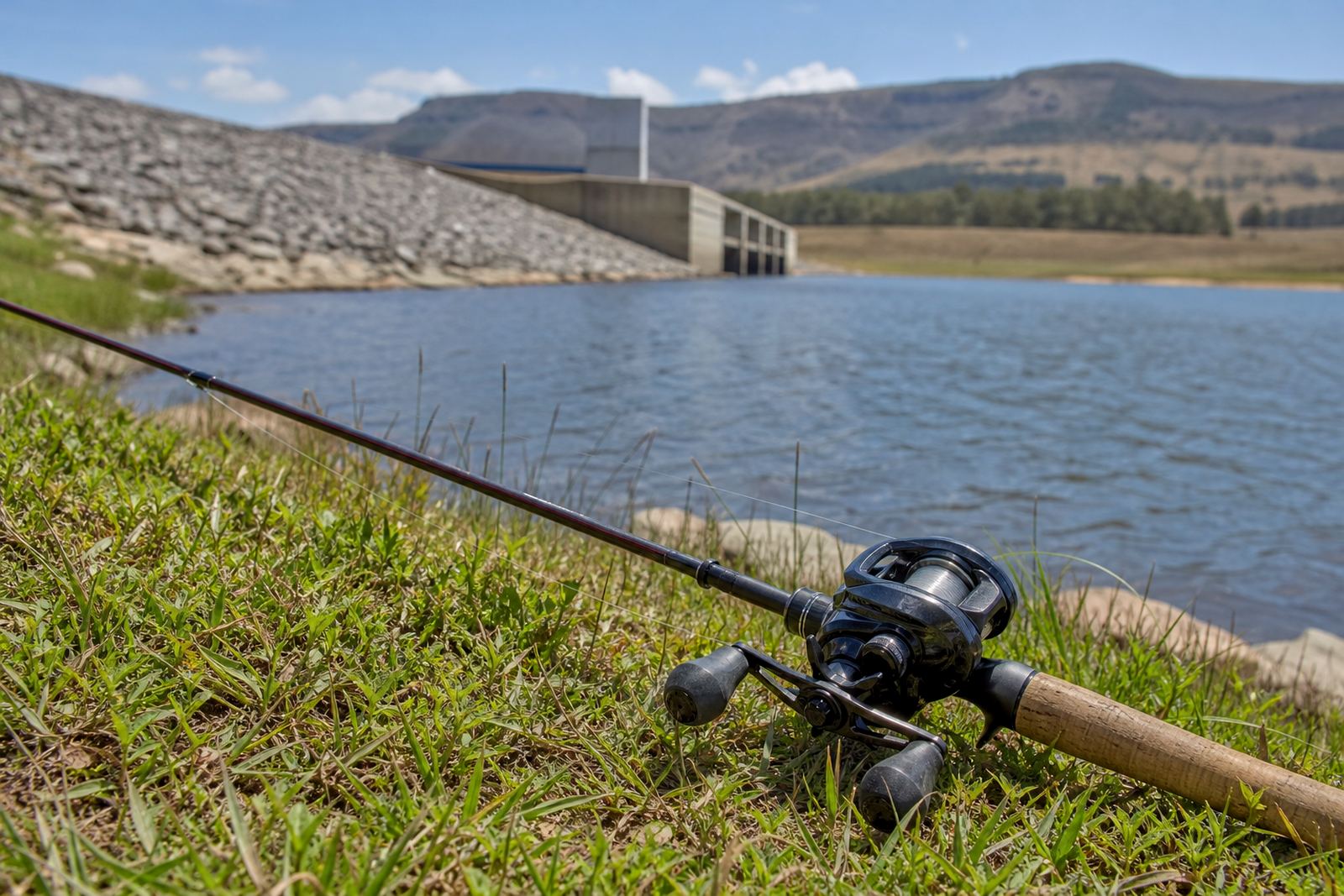
A baitcaster rod is built to pair with a baitcasting reel, giving the angler thumb control over the spool and more precise lure placement. That matters when you are pitching plastics into reeds, throwing plugs along rock points, or working a spoon through canals and harbour walls. The rod blank is usually shorter and more responsive than a general purpose spinning rod, so you feel the bite quicker and set the hook with better control.
For South African conditions, this type of rod suits coastal anglers in Durban, Gqeberha and East London, plus freshwater users around Pietermaritzburg, Gauteng dams and inland rivers. It is especially useful where snagging is common, because the extra backbone helps pull fish away from timber, weed beds and ledges. If your fishing changes from day to day, the right baitcaster rod can handle both finesse work and heavier lure presentations without feeling clumsy.
Lengths, power ratings and action choices
Most baitcaster rods fall between 1.68 m and 2.13 m, with some longer options up to around 2.40 m for broader casting needs. Shorter rods are easier for close quarters work and boat fishing, while longer rods help with casting distance from banks, jetties and open shorelines. Power ratings commonly range from medium to heavy, depending on the line class and lure weight you plan to use.
- Medium power for lighter lures, smaller bass setups and general estuary work
- Medium heavy for all round lure fishing, spinnerbaits and soft plastics
- Heavy power for thicker cover, larger lures and stronger fish control
- Fast action for quick hook sets and sharper lure feel
- Moderate fast action when you want a little more flex on the cast and the strike
When choosing action, think about how the rod loads under pressure. A fast tip will feel crisp and accurate, while a slightly softer tip can help keep trebles pinned on moving lures. In salt conditions, many anglers prefer a rod with a strong butt section and corrosion friendly guides for better long term use.
Where baitcaster rods suit best in South Africa
Baitcaster rods do their best work in places with structure. That includes mangroves, rocky points, bridge pylons, weed edges, estuaries, farm dams and river mouths. Along the KwaZulu-Natal coast, they are popular for light saltwater lure fishing, estuary casting and working around harbour edges where accuracy matters. In freshwater, they are a practical choice for bass, kurper and similar species where you need a controlled presentation.
If you fish on the Highveld or travel to coastal spots on weekends, a baitcaster setup can save time because the rod and reel pair is compact and quick to use. It also helps when conditions are windy. A well matched baitcaster rod gives you a cleaner trajectory and less wasted movement, which is useful when you only have a few hours between work and load-shedding windows.
- Good for structure rich waters and accurate lure placement
- Useful from boats, banks, jetties and harbour areas
- Works well for both freshwater and light coastal lure fishing
- Best when paired to line and lure weights within the printed rating
How to match the rod to your reel and line
Before ordering, check the rod rating printed on the blank. You need to match the lure weight, line class and reel size so the setup feels balanced in the hand. A rod that is too stiff for your lure will not load properly, while one that is too light can struggle with hook sets and fish control. If you are using braid, check that the guides are suitable for repeated casting and that the reel seat clamps the reel firmly.
For most anglers, a medium heavy baitcaster rod around 1.98 m to 2.13 m is a safe all round option. It gives enough casting control without becoming tiring during a full session. If you are fishing heavier cover or larger lures, move up in power and line capacity. If you are chasing finesse presentations, choose a lighter blank with a more responsive tip. The key is to keep the whole system in balance, not just the rod on its own.
Care, servicing and saltwater protection
Fishing near Durban, Cape Town or any coastal town means your rod will see salt spray, sand and humidity. After each trip, wipe the blank with fresh water and a soft cloth, then dry the guides and reel seat before storage. If the rod has been used around breakers or surf, check for fine sand inside the guide rings and around the winding checks. Small bits of grit can wear line surprisingly quick.
Store the rod in a tube or horizontal rack, out of direct sun and away from hot roofs or vehicle interiors. Heat can weaken wraps and loosen adhesives over time. If a guide insert chips or a tip breaks, bring the rod in early rather than continuing to fish with it. We handle rod guide replacement and rod tip repair, plus drag tuning and reel servicing for matched setups. A little upkeep goes a long way, especially for anglers fishing every weekend.
What to check before you place your order
When ordering a baitcaster rod, check the exact length, power, action and lure rating. Also confirm whether you want a one piece or two piece rod, since transport can matter if you travel between Durban, Johannesburg and the coast. If you fish from a boat, your preferred grip length and handle style matter too, because a rod that feels right in the shop may feel different after six hours on the water.
- Rod length and whether it suits bank, boat or jetty fishing
- Power rating for the fish species and structure you target
- Action for lure feel, hook setting and trebles or singles
- Line class and lure weight printed on the blank
- Guide quality for braid or mono use
- Handle length and reel seat comfort in your hand
If you are not sure, send an enquiry through the contact page and we will help you narrow it down. Our team in Springfield Park works with anglers across Durban, Umhlanga, Ballito, Pietermaritzburg, Johannesburg, Cape Town, Gqeberha and East London, so we can guide you on a practical match for the water you fish most often.
Key facts
| Typical lengths | 1.68 m to 2.40 m |
|---|---|
| Common power ratings | Medium, medium heavy, heavy |
| Common actions | Fast, moderate fast |
| Primary use | Accurate lure casting and fish control |
| Best line types | Braid or monofilament, depending on target species |
| Typical lure range | About 5 g to 35 g, model dependent |