What a spinning reel does on the water
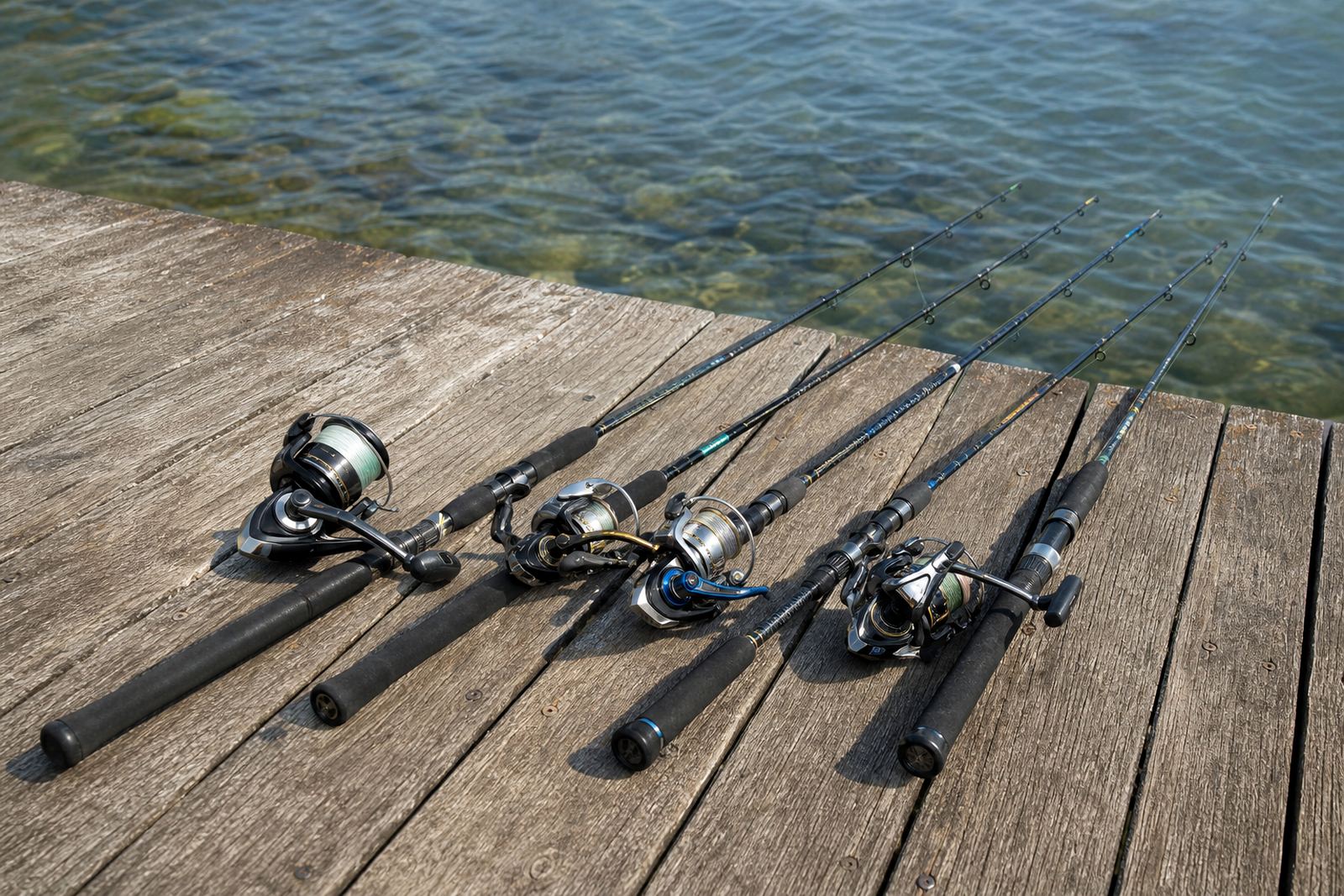
A spinning reel is the open-faced reel that sits under the rod and feeds line through a fixed spool. It is the most common reel choice for anglers who want easy casting, quick pickup and simple handling, especially when switching between estuary, surf and freshwater fishing. The bail arm controls line release and retrieval, while the drag lets line slip under pressure so you can fight fish without pulling hooks or snapping trace.
For many South African anglers, one good spinning reel can cover a lot of ground. A smaller reel suits light lure work and bream or bass fishing. A mid-size reel handles shad, grunter, geelbek and general shore fishing. Larger reels are better for surf use, heavier sinkers and stronger line. If you fish Durban beaches or the coast near Ballito and East London, salt resistance matters just as much as smooth winding.
Size ranges and the specs that matter
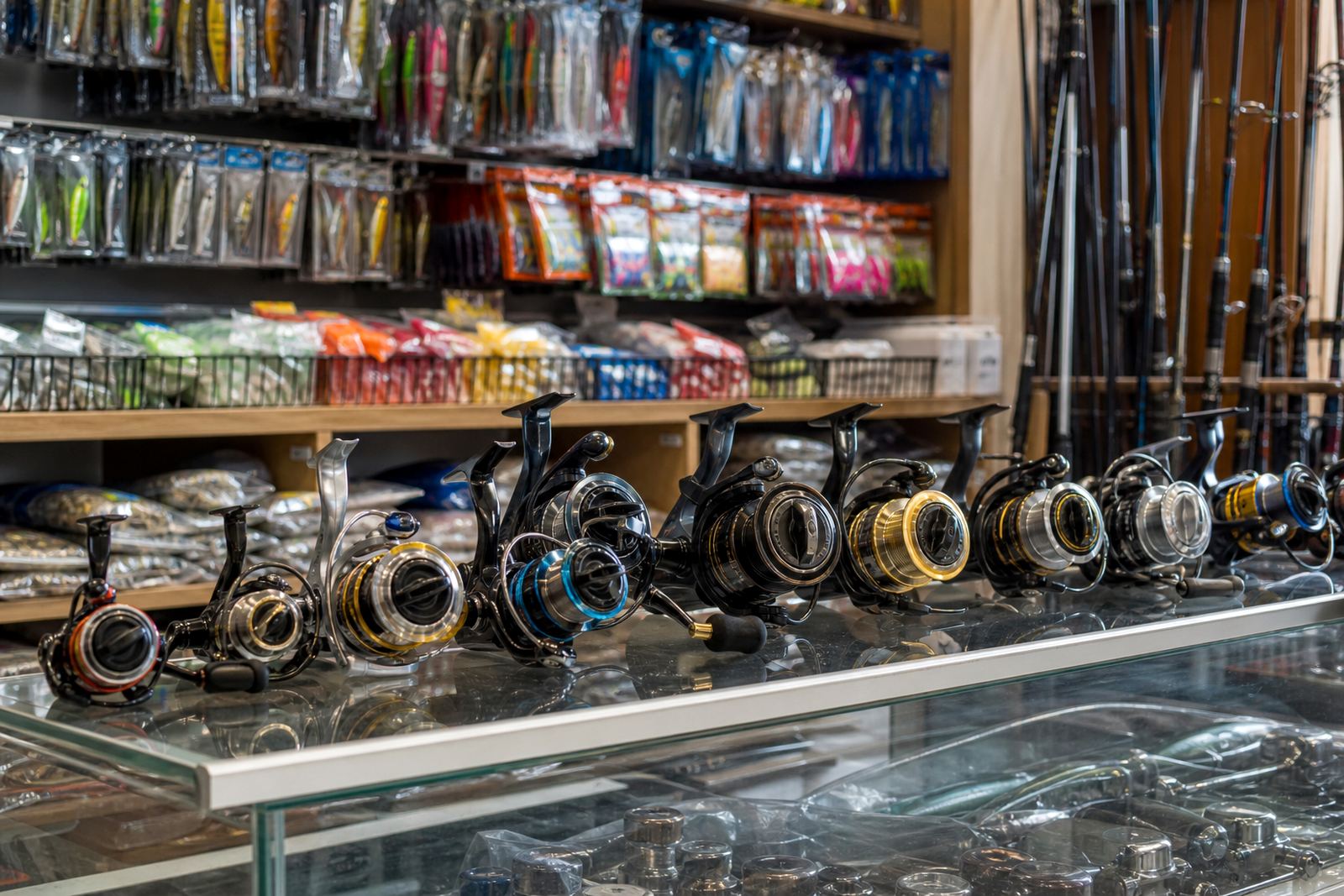
Spinning reels are usually sold by size class, with common options from 1000 up to 10000 and beyond. The smaller sizes are lighter and balance well with short rods for finesse fishing. Mid sizes offer a practical middle ground for estuary and light surf work. Larger reels hold more line and give you more turning power when casting bigger rigs or working deeper water.
- Gear ratio: Higher ratios retrieve line faster, useful for lures and quick line pickup.
- Ball bearings: More bearings can improve feel, but bearing quality matters more than the number alone.
- Drag system: Front drag is common and gives finer control for fighting fish.
- Line capacity: Check metres of nylon, braid or mono listed by size, especially for surf and boat use.
- Weight: Lighter reels reduce fatigue during long sessions, especially with frequent casting.
- Body and spool material: Look for corrosion resistant parts if you fish in salty, humid conditions.
Choosing a reel for surf, estuary, boat or dam
Match the reel to the job rather than buying purely on size. For estuary fishing around KZN, a 2500 to 4000 size reel is often enough for soft plastics, spoons and small live bait rigs. For surf fishing, many anglers prefer 5000 to 8000 size reels because they hold more line and cope better with heavier sinkers and wind. On boats, a medium spinning reel can work well for bottom species, light jigging and bait fishing if the drag is smooth and the gearing is strong enough.
Freshwater anglers usually lean toward lighter reels with smooth line lay and a balanced feel. That helps when casting all day on dams and rivers around Pietermaritzburg or inland spots near Johannesburg. If you fish both salt and fresh water, choose a reel with sealed or protected internals, plus a finish that can handle coastal spray. Durban humidity and salt air will show up quickly on cheaper hardware, so rinsing and drying after each trip is not optional.
- Estuary: 2500 to 4000 size, lighter drag, easy casting.
- Surf: 5000 to 8000 size, higher line capacity, stronger frame.
- Boat: 3000 to 6000 size, smooth drag, solid gearing.
- Freshwater: 1000 to 3000 size, light weight and controlled retrieve.
Rod pairing, line choice and setup advice
A spinning reel works best when it is paired with the right rod length and rating. If the reel is too heavy for the rod, the outfit feels nose heavy and tiring. If it is too small, line capacity and drag performance can become a problem. For example, a 4000 size reel often suits a 7 ft to 9 ft rod for general shore fishing, while larger surf rods may need a 6000 or 8000 size reel for balance and line control.
Line choice also changes how the reel performs. Braid gives better casting distance and sensitivity, while monofilament offers stretch and can be more forgiving on the shore. Leaders, traces and knots must be matched to the species and terrain. If you are unsure, ask for starter setup guidance, trace making or rig advice before your first outing. A correct spool fill is important too, because overfilling can cause wind knots and underfilling can reduce casting distance.
- Check the rod rating before selecting reel size.
- Match braid diameter or mono breaking strain to the drag and line capacity.
- Ask for line spooling if you want even lay and less twist.
- Use a leader when fishing rocks, reefs or abrasive estuary edges.
Care after saltwater use and in load-shedding conditions
Salt water, sand and heat are hard on reels. After use, especially in surf conditions, give the reel a light fresh-water rinse and wipe it dry with a soft cloth. Do not blast water directly into the body or drag area. Loosen the drag after fishing so pressure is not left on the washers. Store the reel in a dry place away from damp garages and salt spray, which is common around coastal suburbs in KwaZulu-Natal.
Load-shedding can affect how anglers keep gear serviced at home. If you rely on small workshop equipment or battery lights for maintenance, plan your cleaning and line work before power cuts. A reel that is cleaned, dried and checked regularly will last longer and feel smoother. If you notice rough winding, a sticking bail arm or uneven drag, it is time for reel servicing or reel repairs before the next trip.
What to check before you place an order
When ordering a spinning reel, check the size, retrieve ratio, line capacity and intended use. If you fish mostly from the beach, tell us whether you need distance, line capacity or heavier drag. If you fish dams and rivers, we can help with a lighter model that balances well with your rod. We also recommend checking whether you want a spare spool, because that makes switching between braid and mono much easier.
Buyers in Durban, Springfield Park, Umhlanga, Ballito, Pietermaritzburg, Johannesburg, Cape Town, Gqeberha and East London often need different setups because conditions vary so much. Salt, wind, current and tackle style all influence reel choice. If you are building a family kit or club order, we can help you compare options by price and use so you do not overbuy or end up with a reel that is too small for the job.
- Target species and where you fish most often.
- Rod length and rating.
- Preferred line type, braid or mono.
- Spool size and line capacity needed.
- Whether you need servicing, spooling or setup advice.
Servicing support from our Durban team
Catches has been helping South African anglers since 2008, with practical advice from a team that understands coastal and freshwater conditions. If your reel needs drag tuning, line spooling, repairs or a full check before a trip, our Durban team can assist through the enquiry form on our contact page. We work with anglers from Springfield Park, the coast and inland areas, including clubs and regular buyers who want equipment that is ready when the bite turns on.
For spinning reels, the small details matter. A clean spool lip, smooth bail action and correct drag setting make a noticeable difference on the water. If you want a reel for shad at dawn, grunter in the estuary, bass on the dam or light boat work offshore, we can help you choose one that suits the job and the conditions. It saves time, and it saves money in the long run.
Key facts
| Type | Spinning reel with fixed spool and bail arm |
|---|---|
| Size range | 1000 to 10000 plus, depending on application |
| Drag | Front drag, suitable for controlled fight pressure |
| Best use | Estuary, surf, boat and freshwater fishing |
| Line options | Nylon, monofilament and braid with leader |
| Care requirement | Fresh-water rinse, dry storage and regular servicing |