What a multiplier reel does on the water
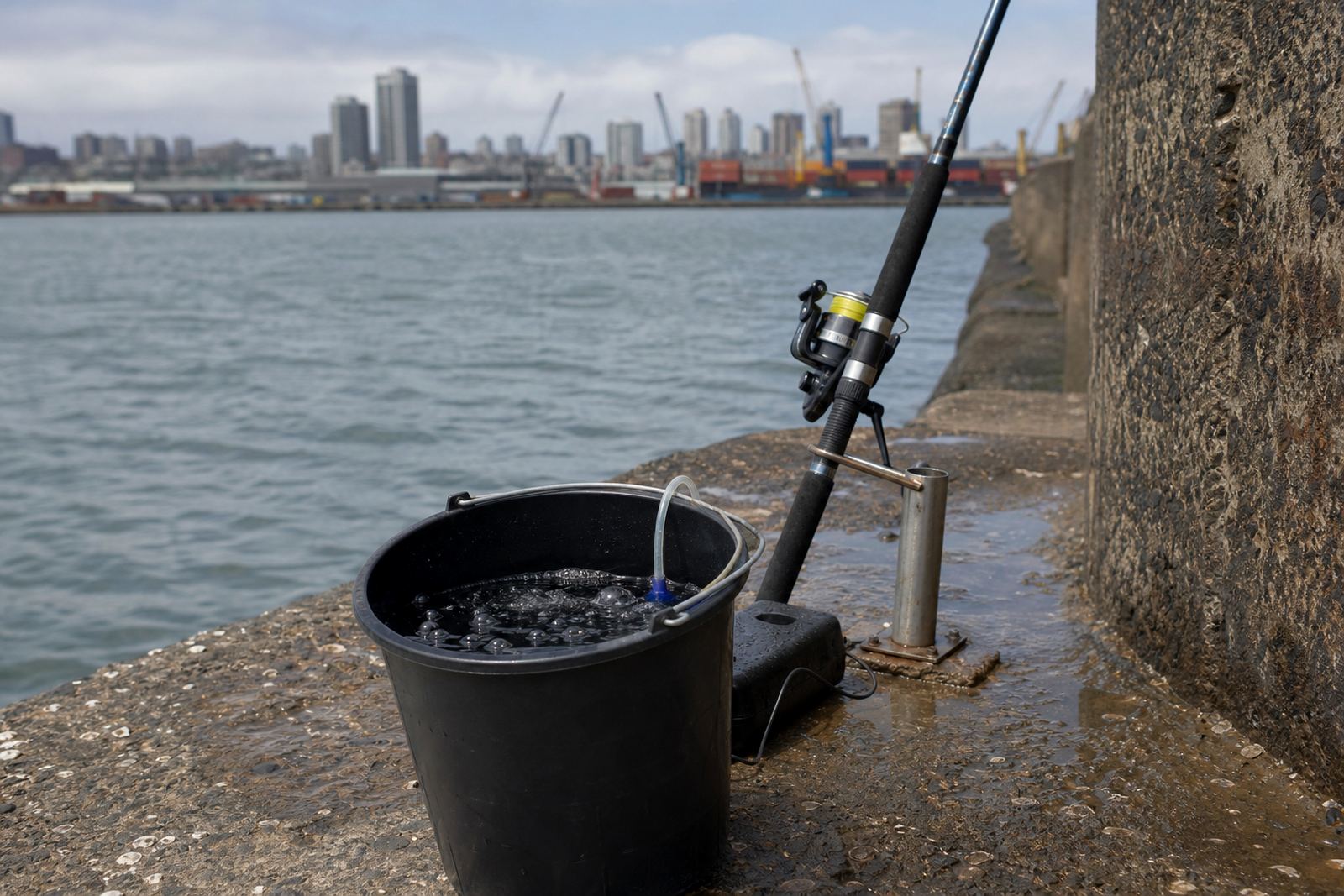
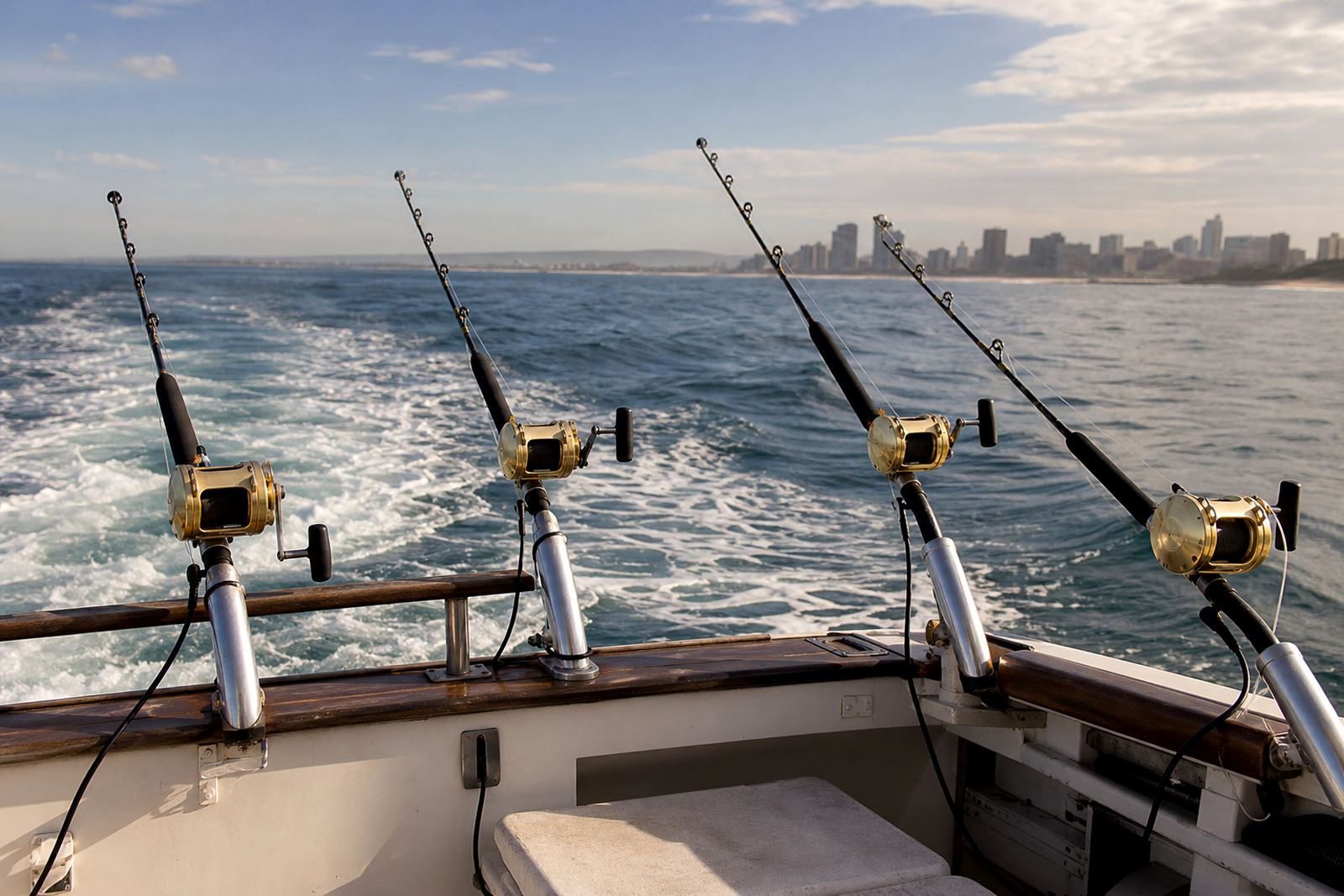
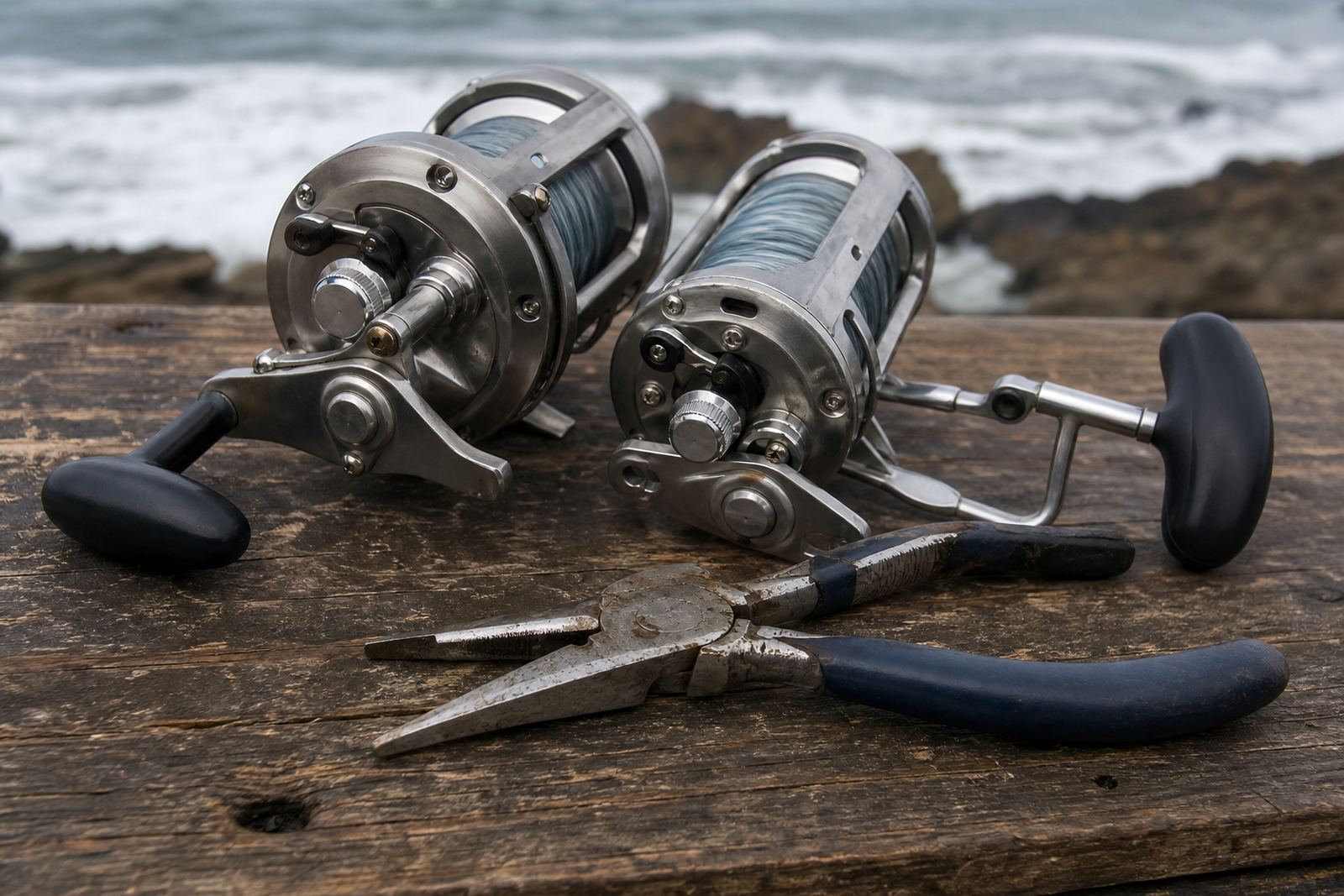
A multiplier reel sits on top of the rod and feeds line straight off the spool, which gives you more direct control when casting heavier sinkers and traces. That makes it a solid choice for surf fishing, rock and surf work, heavy bait presentations and boat fishing where strength matters more than speed.
For Durban anglers chasing edibles, for Gqeberha reefs, or for long beach casts in Cape Town, the main benefit is power. You get stronger gearing, better line capacity and a drag system that can handle sudden runs from kob, bronze bream, geelbek and other strong coastal fish. With the right setup, a multiplier also gives better feel when fishing bait close to structure.
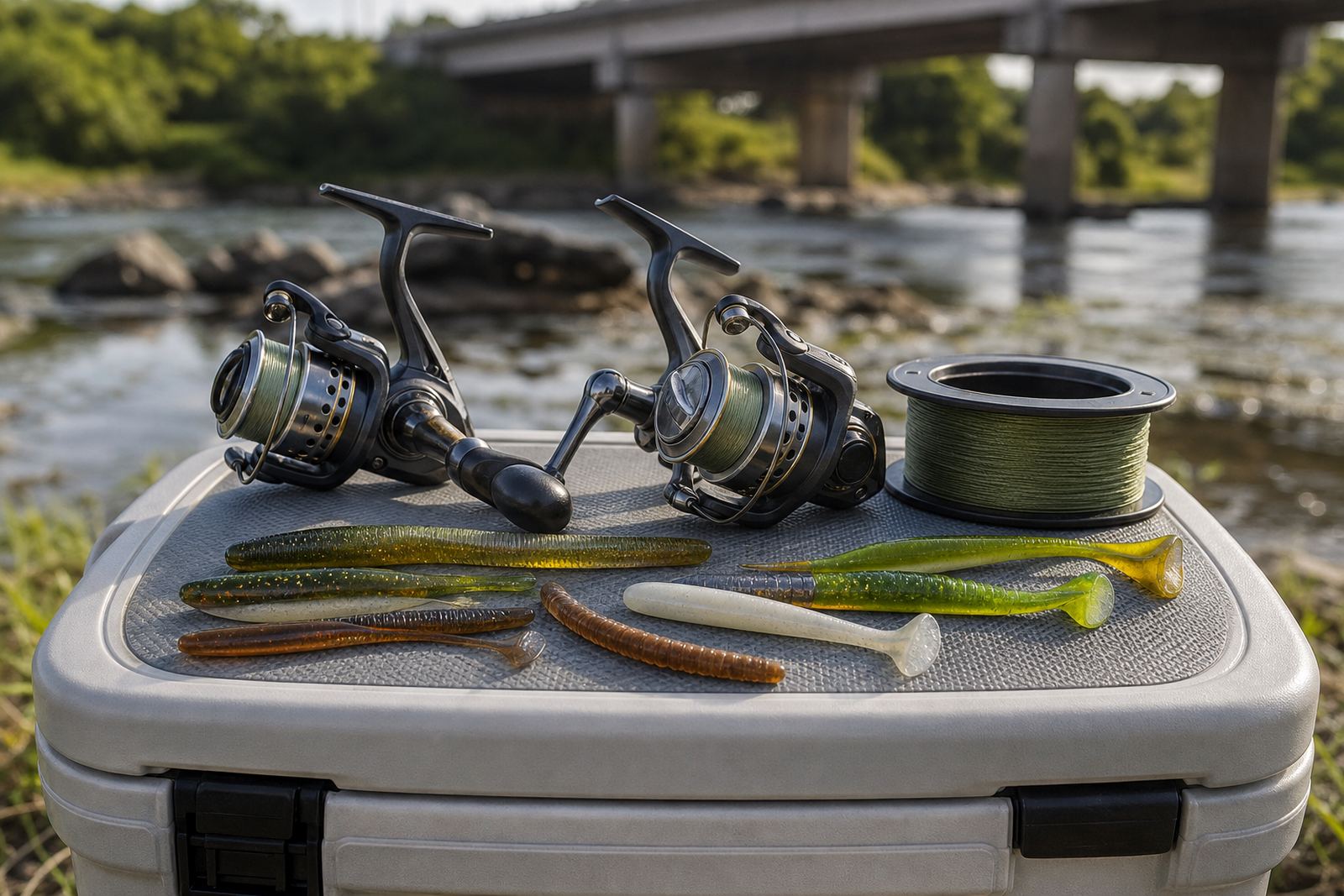
These reels are not just for the coast. Freshwater anglers in the Vaal, dams around Johannesburg, and estuary anglers near East London use them for heavy lures, catfish and strong traces. The key is matching the reel size and gear ratio to the rod and the way you fish.
Sizes, ratios and the options anglers usually ask for
Multiplier reels are commonly chosen by spool size, retrieve speed and braking style. Smaller models suit lighter surf work and bait fishing from the bricks, while larger models give more line capacity for big tides, long casts and deeper water. If you fish thick mono or heavy braid, choose a reel with enough spool depth to handle your preferred line diameter without overfilling it.
- Small to medium sizes: good for lighter traces, estuary work and shorter casts
- Medium-heavy sizes: a practical all-round choice for surf casting and boat bait fishing
- Heavy sizes: built for long sessions, bigger sinkers and stronger fish pressure
- High gear ratio: faster retrieve for lures and quick line pick-up
- Lower gear ratio: more cranking power for heavy sinkers and deep water
- Magnetic or mechanical brake: helps control spool speed and reduce overruns
When you order, check whether you want a left or right handle, because that makes a big difference in comfort. Some anglers prefer a levelwind, while others want a plain spool for better casting and fewer moving parts. If you are switching from a spinning reel, allow a little time to get used to thumb control on the spool.
Best places to use a multiplier reel
These reels suit a wide range of local fishing conditions, but they really come into their own where you need strength and direct control. On the Durban coastline, they are useful for surf casts into gutters and channels, or for working baits near reef edges when the sea is pushing. Around Ballito and Umhlanga, they suit anglers who want solid casting distance with heavier rigs and sinkers that hold bottom in moving water.
In Cape Town, a multiplier reel is handy for rough sea days and stronger currents, while in Gqeberha and East London it gives good control over baited traces in mixed surf and reef conditions. Inland anglers around Pietermaritzburg and Johannesburg also use them for heavy bait work at dams, carp and catfish, or for club competitions where reliability matters. If you fish often and want one reel for many jobs, a well-sized multiplier can be a smart buy.
- Surf casting with 4 to 8 oz sinkers
- Heavy trace fishing around rocks and gullies
- Boat bait fishing for stronger species
- Freshwater bait work and heavy lures
- Club and social comps where line control matters
How to fit it, and whether you need power or gas
Fitting a multiplier reel is straightforward. It mounts onto the reel seat of a compatible rod, usually a heavier surf rod or stout boat rod with a firm trigger grip or standard seat design. The rod guide layout should suit the reel and the line path, so check that the rod is built for multiplier use and not only for spinning reels. A good match reduces friction and gives a cleaner cast.
There are no power or gas needs for the reel itself. What matters is the rest of your setup: the right rod length, line type, leader strength and sinker weight. On the coast, salt spray and sand can get into the reel if you leave it open on the beach. Rinse after use, but do not blast it with high pressure water because that can push grit into the bearings and drag.
If you are fishing from a boat or harbour wall, keep a cloth handy and check the drag before every session. A reel that is set too tight can pull hooks on the strike, while one that is too loose can cost you a fish in the first run.
Care, servicing and common repairs
Multiplier reels last well when they are cleaned and serviced on time. Coastal humidity in Durban, salty air in Cape Town and fine sand on the north coast can all wear a reel faster if it is left dirty. After each trip, wipe the frame, handle and spool lip, then back off the drag before storing. That helps protect the washers and keeps the drag smoother for the next outing.
At Catches we offer reel servicing, reel repairs, line spooling, drag tuning and rod guide replacement, so you can keep the whole setup in working order. A reel with rough bearings, sticky drag or noisy gears should be checked before the next trip. Small problems often grow into bigger ones if the reel keeps pulling under load. If your spool has side play, the line lays unevenly or the brake is no longer consistent, it is time for attention.
For anglers who fish often, a service after a heavy season is a sensible habit. It can save line, protect the gears and keep casting distance more consistent. We also help with starter setup and trip gear checks, which is useful if you are moving into multiplier fishing for the first time.
What to check before you place an order
Before you buy, it helps to match the reel to the rod, line and target fish. A multiplier that is too small will fill up quickly, while one that is too big can feel heavy and awkward through a long session. Think about where you fish most often, the average sinker weight you use and whether you want speed or cranking power.
- Rod match: confirm the rod is rated for multiplier use
- Line capacity: choose enough room for your mono or braid plus backing
- Gear ratio: pick speed or power based on your style of fishing
- Brake system: check whether you prefer magnetic, centrifugal or simple mechanical control
- Handle side: left or right retrieve for comfort and habit
- Saltwater use: choose corrosion resistance if you fish the coast often
If you are buying for a club or a family group, it also helps to order a few matching reels so line, spares and setup are easier to manage. Our team can advise on trace making, starter setup and bulk club orders, and we can help you choose a reel that fits the kind of fishing you do rather than just the biggest model on the shelf.
Key facts
| Reel type | Multiplier / conventional overhead reel |
|---|---|
| Use | Surf casting, heavy traces, boat bait fishing, freshwater bait work |
| Typical line capacity | Approx. 300 m to 500 m mono depending on model and line diameter |
| Gear ratio | Commonly 4.2:1 to 6.4:1 |
| Brake | Magnetic, centrifugal or mechanical control options |
| Drag system | Multi washer drag, suitable for controlled pressure on strong fish |