What a spinning rod does on the water
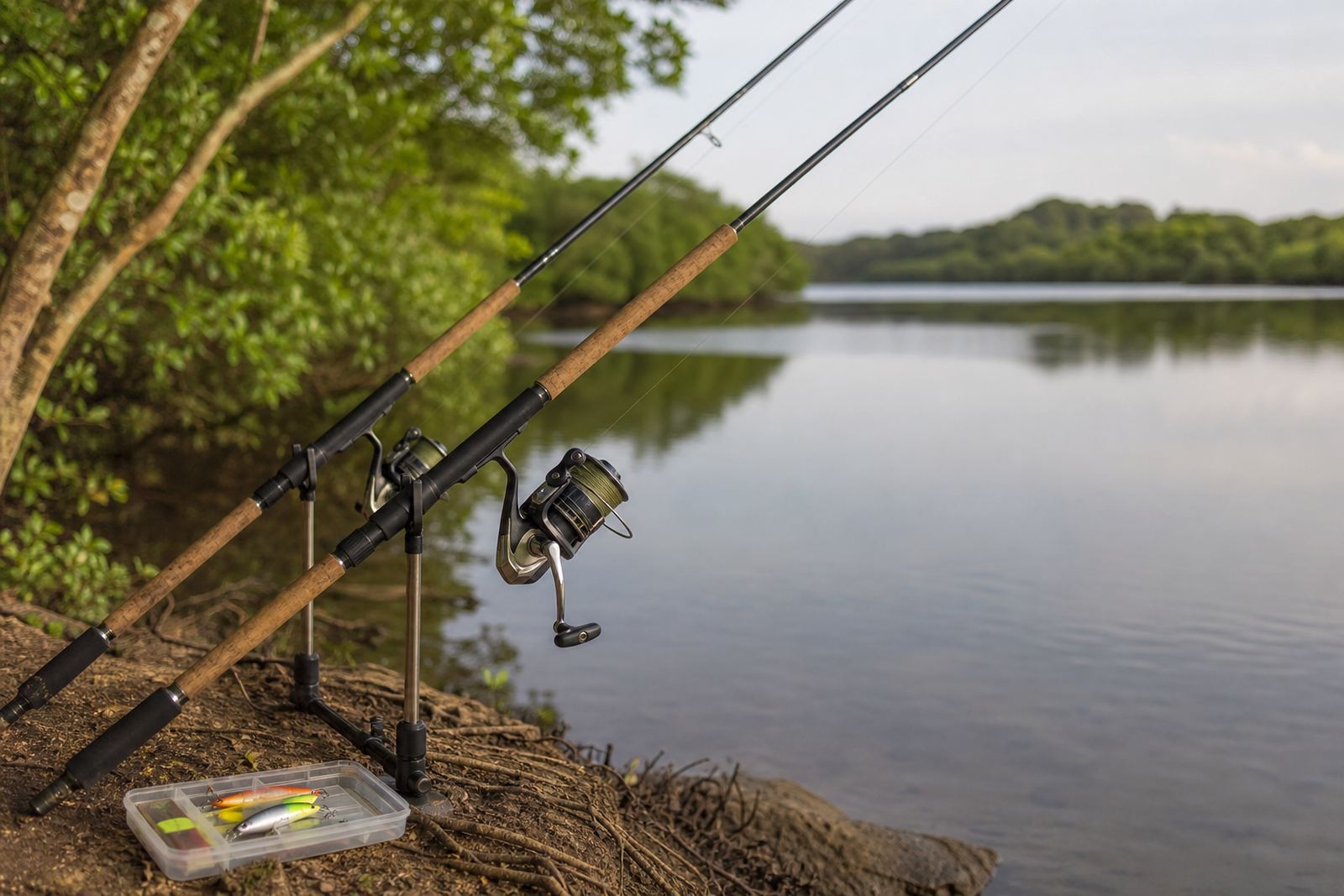
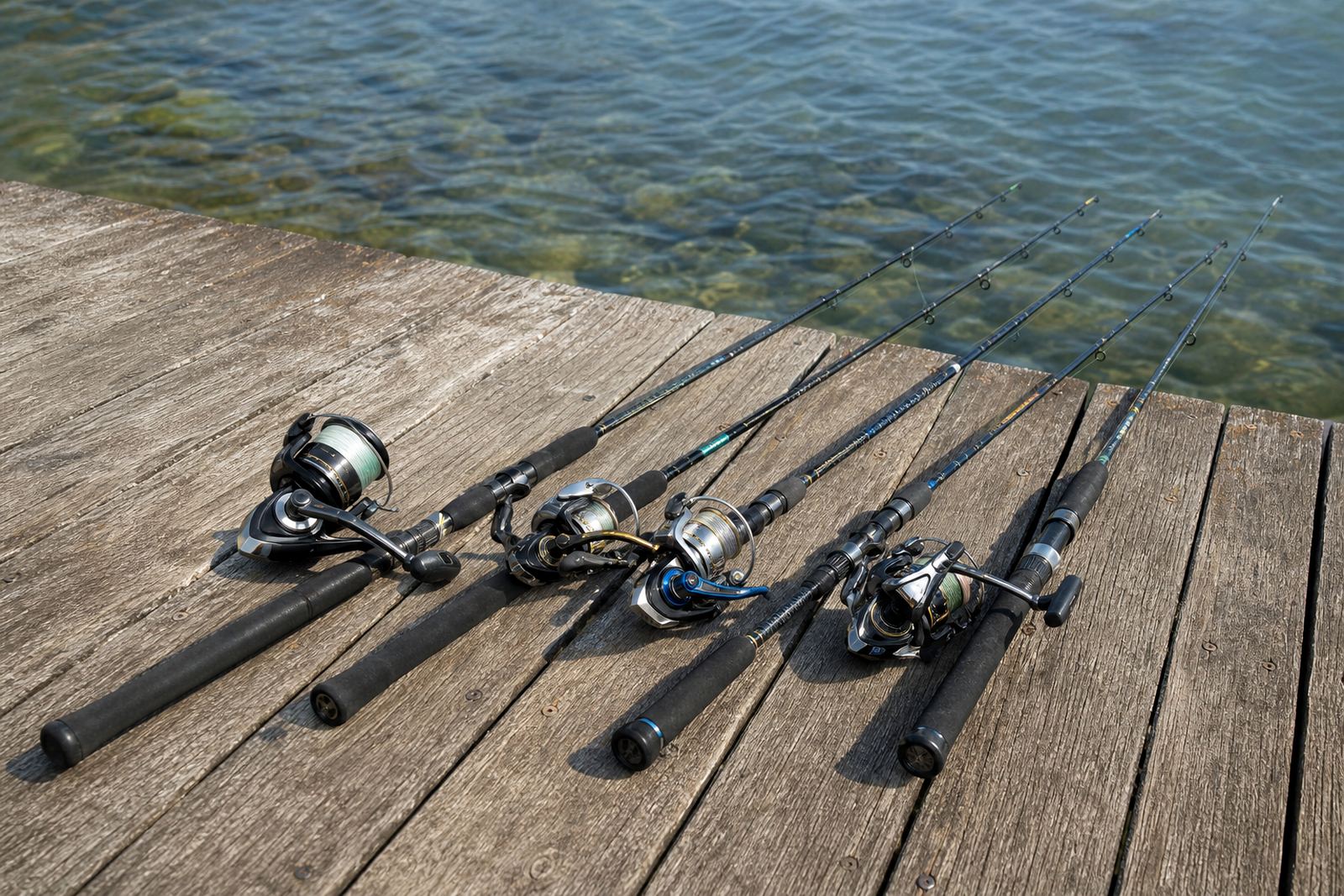
A spinning rod is built for casting lures, soft plastics, spoons and small to medium bait rigs with a fixed spool reel. The guides are set to work with the line coming off the reel in coils, which makes casting easier for beginners and gives experienced anglers good control when working a lure back through the strike zone. For many South African anglers, it is the most useful all-round rod type because it handles surf edges, harbours, estuaries, dams and rivers without needing a different setup for every trip.
These rods suit anglers targeting kingfish off the rocks, grunter in the estuary, bass in the dam, kurper in the freshwater banks, and smaller offshore species from a ski-boat or light boat setup. A 7 foot rod can feel neat and accurate around tight cover, while a 9 foot rod gives better casting distance from open beach or dune edges. The right choice depends on your line weight, lure weight and how much room you have to cast.
- Works with fixed spool reels
- Good for lure casting and light bait fishing
- Available in one piece or 2 piece travel formats
- Suitable for saltwater and freshwater use
Sizes, actions and power ratings to compare
When comparing spinning rods, look at length, action and line rating before the price tag. Length normally ranges from about 6 feet to 10 feet 6 inches, with 7 foot to 8 foot 6 inches being popular for mixed use. Shorter rods are easier to handle in a boat or on crowded banks, while longer rods help with line control and distance on open beaches. Action tells you where the rod bends. Fast action rods bend more toward the tip and give better bite detection and hook setting. Moderate action rods bend deeper and are a bit more forgiving when a fish surges close to the shore.
Power rating shows how much lifting strength the rod has, usually described as light, medium light, medium, medium heavy or heavy. Lighter rods are better for finesse work and smaller lures, while heavier rods suit bigger spoons, hard baits and stronger fish. Check the lure weight range as well, because loading a rod past its rated range can affect accuracy and may damage the blank over time. A 7 to 28 g rating is common for versatile freshwater use, while coastal models often sit around 10 to 40 g or more, depending on the target species.
- Typical lengths: 6 ft to 10 ft 6 in
- Typical lure ratings: 3 to 15 g, 7 to 28 g, 10 to 40 g and higher
- Action options: fast, moderate fast, moderate
- Power options: light through heavy
Where spinning rods suit best in South Africa
In Durban and along the KwaZulu-Natal coast, many anglers choose spinning rods for harbour mouths, rock ledges and surf edges where accurate casting matters. Around Cape Town and Gqeberha, a longer rod can help with wind and surf conditions, while anglers in East London often want a setup that can handle both estuary work and short beach sessions. In Johannesburg and inland towns, spinning rods are popular for dams, farm waters and rivers where the angler wants a simple setup that is quick to pack into the bakkie.
For freshwater, a medium or medium light spinning rod is often enough for bass, kurper and smaller predators. In saltwater, look for a rod with corrosion resistant guides and a blank that can handle regular rinsing after use. Coastal humidity, sand and spray can be rough on tackle, so an angler who fishes every weekend should choose parts that are easy to clean and service. If you fish in strong wind, consider a slightly heavier power rating and a faster action so the rod stays responsive.
- Shore casting for surf, rocks and harbour edges
- Boat and ski-boat lure fishing
- Freshwater bank fishing for bass and kurper
- Mixed salt and fresh use where you want one rod for more than one job
What to check before you place an order
Before you order a spinning rod, match it to the reel size, line type and target species. A rod that is too heavy for your reel can feel nose-heavy and tiring, while one that is too light can struggle under load. Check the recommended line rating on the blank and make sure your reel seat suits the reel foot properly. If you fish braid, a rod with good guide placement and a sensible tip action will help with casting and knot passage. If you prefer monofilament or fluorocarbon leader setups, the rod should still load well without feeling stiff.
Think about transport as well. A 2 piece rod is easier to store in the car or take on a work trip, while a one piece model can give a slightly cleaner feel but needs more space. If you are buying for a club, a charter, or a family setup, it helps to order a few different actions instead of one size for everything. Ask yourself what lure weight you use most, what fish you are actually targeting, and whether your fishing is mostly from the rocks, the bank or a boat. That small bit of planning saves money and avoids returns.
- Reel size and seat fit
- Line type: braid, mono or leader setups
- Target species and lure weight range
- One piece or 2 piece travel preference
Care, servicing and saltwater maintenance
Spinning rods last longer when they are rinsed after coastal use, dried properly and stored out of direct sun. Salt crystals left on the guides and reel seat can shorten the life of the fittings, especially in humid Durban conditions. Wipe the blank with a soft cloth after each trip and check the tip guide for nicks or cracks. Even a small chip can damage braid or mono over time, so it is worth catching that early.
If a guide insert loosens, a tip top breaks or a section gets damaged in the car boot, bring the rod in for a proper check. We handle rod guide replacement, rod tip repair and general tackle advice, including matching a rod to a reel and line choice. A well cared for spinning rod does not need much attention, but it does need the right handling after a hard session. Store it straight where possible and dont leave it leaning in a hot garage for weeks.
- Rinse after saltwater fishing
- Dry before storage to avoid corrosion
- Inspect guides, joints and reel seat regularly
- Ask about rod guide replacement or tip repair if damage appears
Local support from Springfield Park to anglers nationwide
Catches is based in Springfield Park, Durban, and we supply spinning rods to anglers across South Africa, including Durban, Cape Town, Johannesburg, Gqeberha and East London. Our team includes coastal and freshwater specialists who understand that a rod for surf work is not the same as a rod for a quiet dam bank. If you are setting up for the first time, or upgrading from an old rod that has had one too many hard trips, we can help you narrow the choice down to what actually suits your fishing.
We also assist with line spooling, reel servicing, drag tuning, trace making, starter setup and trip gear checks, which is useful when you want the whole outfit to work as one. For club orders or bulk purchases, we can help with matching multiple rods to the same line class and lure range. Orders are handled through the enquiry form on our contact page, and our team will respond with practical guidance based on where you fish and what you are targeting.
- Durban Store and Springfield Park support
- Orders handled for Johannesburg, Cape Town, Gqeberha and East London
- Setup advice for coastal and freshwater anglers
- Bulk club orders available on request
Key facts
| Rod type | Spinning rod for fixed spool reels |
|---|---|
| Typical lengths | 6 ft to 10 ft 6 in |
| Action | Fast, moderate fast, moderate |
| Power | Light to heavy |
| Common lure ratings | 3 to 15 g, 7 to 28 g, 10 to 40 g plus |
| Use cases | Surf, rocks, harbour, boat, dam and river |