Why sardine bait stays a favourite on the coast
Sardine bait is one of the first choices for anglers fishing Durban gullies, Cape Point ledges, Gqeberha beaches and the reefs around East London because it gives off a strong natural oil scent. That scent helps in stained water, washing surf and colder periods when fish rely more on smell than sight. For many surf anglers it is a reliable bait for shad, kob, grunter, stumpnose, garrick and other general target species depending on the season and area.
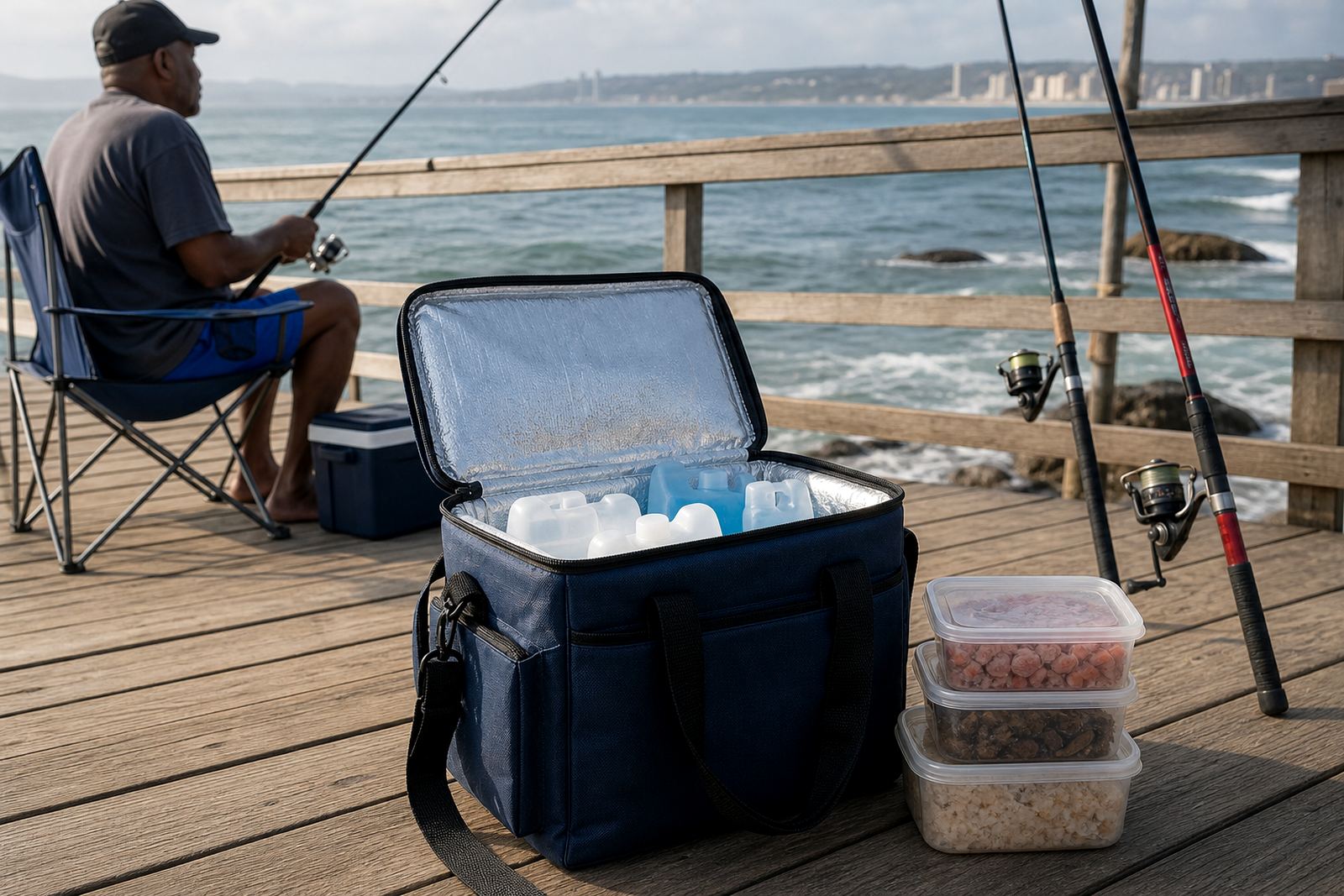
It also works well for anglers who want something simple to rig. Sardine can be cut, wrapped or presented as a strip bait, fillet bait or mash style bait depending on the trace and target. Because it is soft, you need to handle it properly and keep it cold from the moment it leaves the pack. Left in the sun, it breaks down quickly and can become messy on the hook. In warm coastal weather, a cooler box with ice bricks is a practical must.
- Strong scent for surf and rock fishing
- Useful for bait fishing in dirty water and moving current
- Can be cut to suit small or larger hooks
- Works with sliding traces, fixed traces and loop rigs
Available sizes, cuts and how to choose the right pack
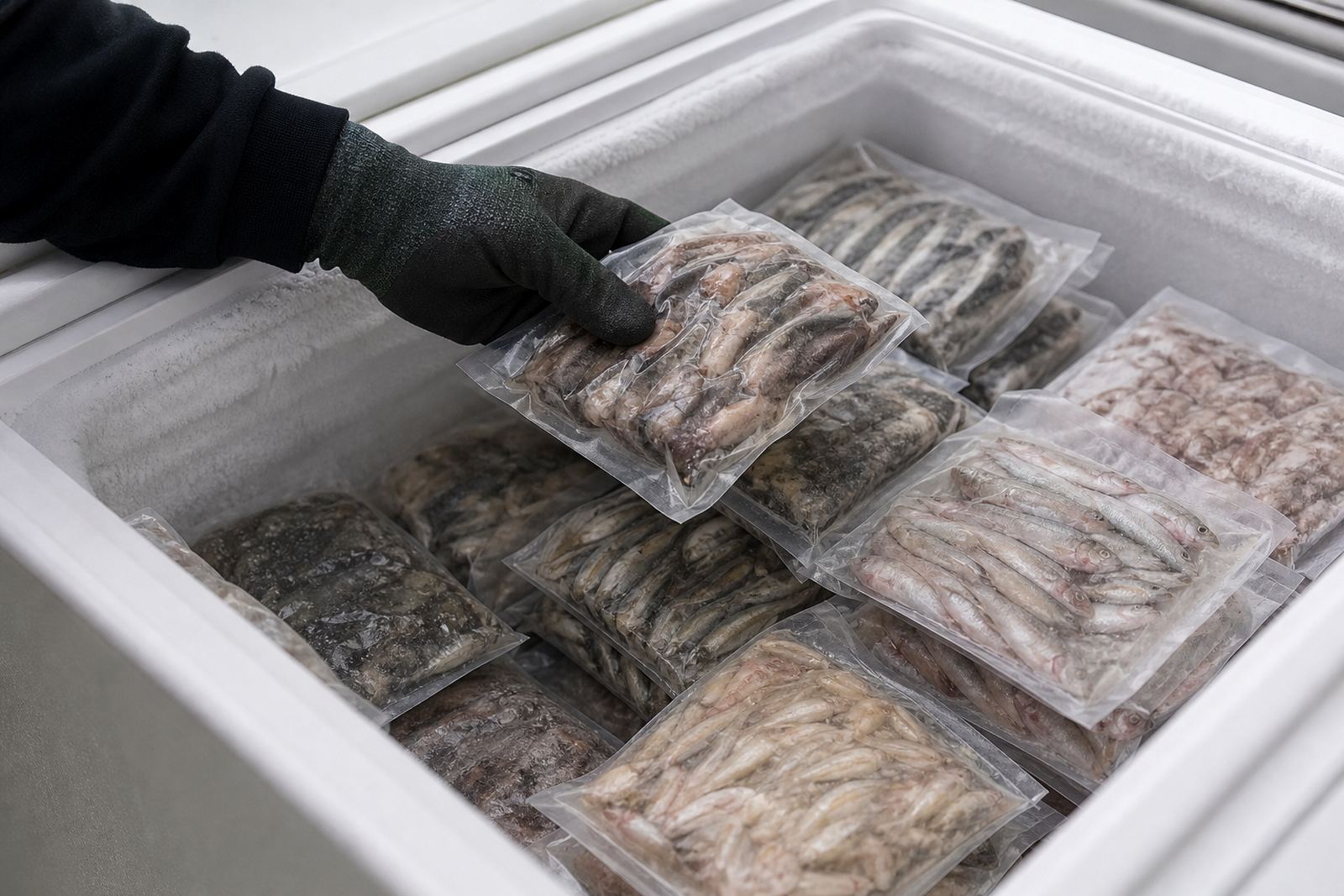
Sardine bait is usually supplied in practical portions rather than a one-size-fits-all format. Depending on the style and stock available, you may see whole sardines, filleted portions, strip cuts or bait blocks made for longer sessions. The best choice depends on how long you plan to fish, the size of the fish you are targeting and whether you want to cast far or fish close to structure.
For light surf work or smaller species, smaller strips are often easier to keep on the hook and cast without spinning off. For bigger target species, a larger fillet or a double-layer bait can give you more scent and a stronger profile in the water. If you are fishing through a long session in places like Umhlanga or Ballito where bait gets worked quickly by crabs and smaller fish, it helps to keep extra portions ready in a cooler. That way you are not trying to trim bait with cold hands and wind blowing sand into the pack.
- Whole sardines for cutting your own bait shape
- Fillet packs for fast rigging
- Strip bait for sliding traces and longer casts
- Smaller cuts for starter anglers and lighter tackle
Where sardine bait performs best
This bait suits a wide range of South African saltwater conditions, especially surf, gullies, rocky points and harbour edges where fish follow scent lines. It performs well in Durban when the water is coloured after swell, and it is a good choice for the Eastern Cape coast when you want a bait that keeps working even if visibility is poor. Around Cape Town, sardine bait can also be useful when the sea is cool and fish are feeding off smell more than sight.
It is equally handy for freshwater anglers who want to use a strong bait for certain predator or scavenging species where bait fishing is allowed, though local rules and venue rules always need checking first. If you are fishing from the bricks, remember that sardine oils drip on rocks and gear, so keep your footing sorted and store the bait in a sealed container. On hot days the bait can soften fast, especially in coastal humidity, so use it early and keep the remainder chilled.
- Surf fishing from beaches and gullies
- Rock and ledge fishing near structure
- Harbour and estuary edges where bait fishing is permitted
- Some freshwater bait applications subject to venue rules
Rigging, installation and power or gas needs
Sardine bait does not need any power, gas or special installation. It is a hand-rigged bait product and can be prepared on the beach, on the bank or at home before a trip. What matters is the way you attach it to the trace and how well you secure it for the cast. Soft bait needs a neat wrap or bait cotton if you want it to stay on through a long throw. For rough surf or strong side wind, a tighter bait profile helps a lot.
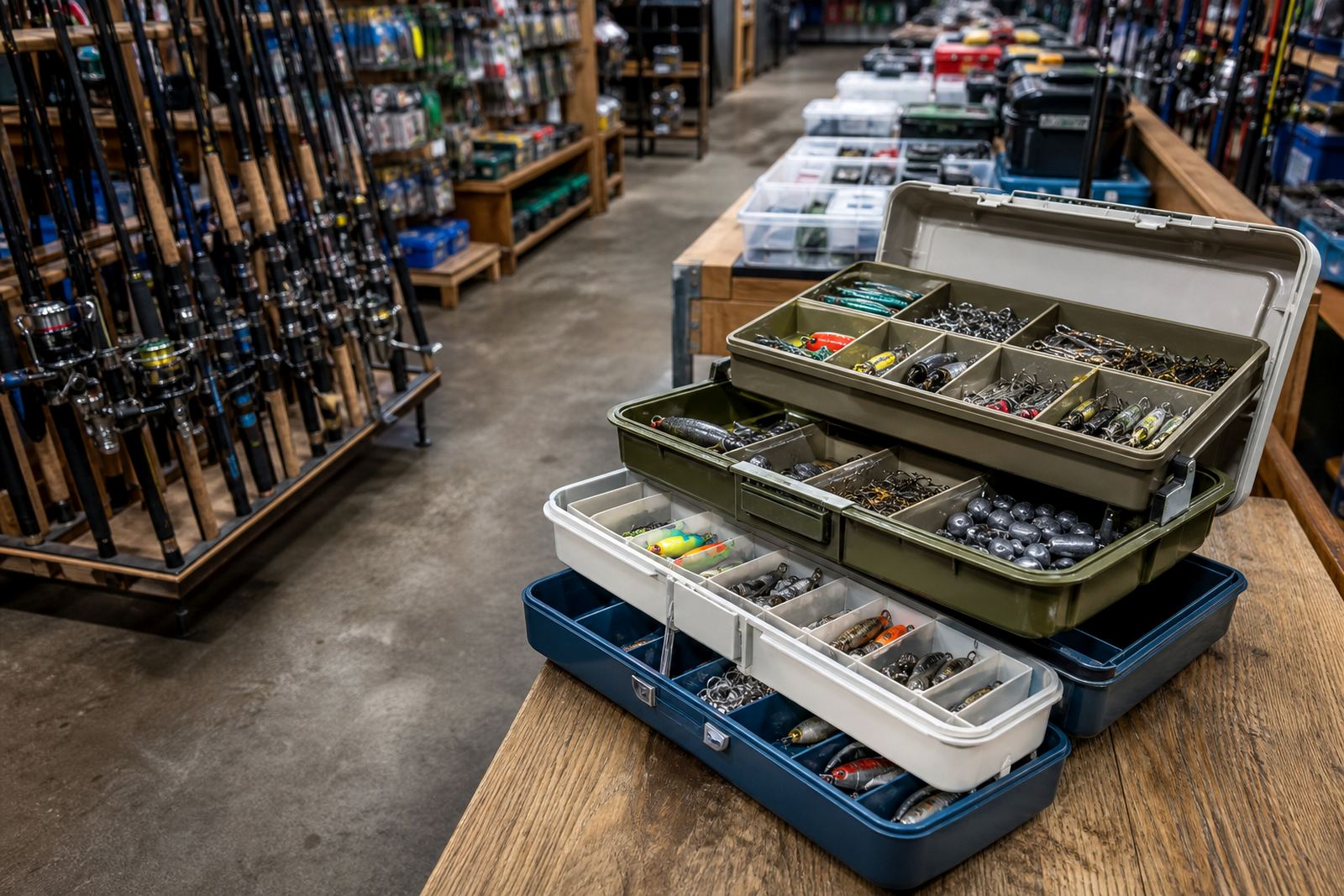
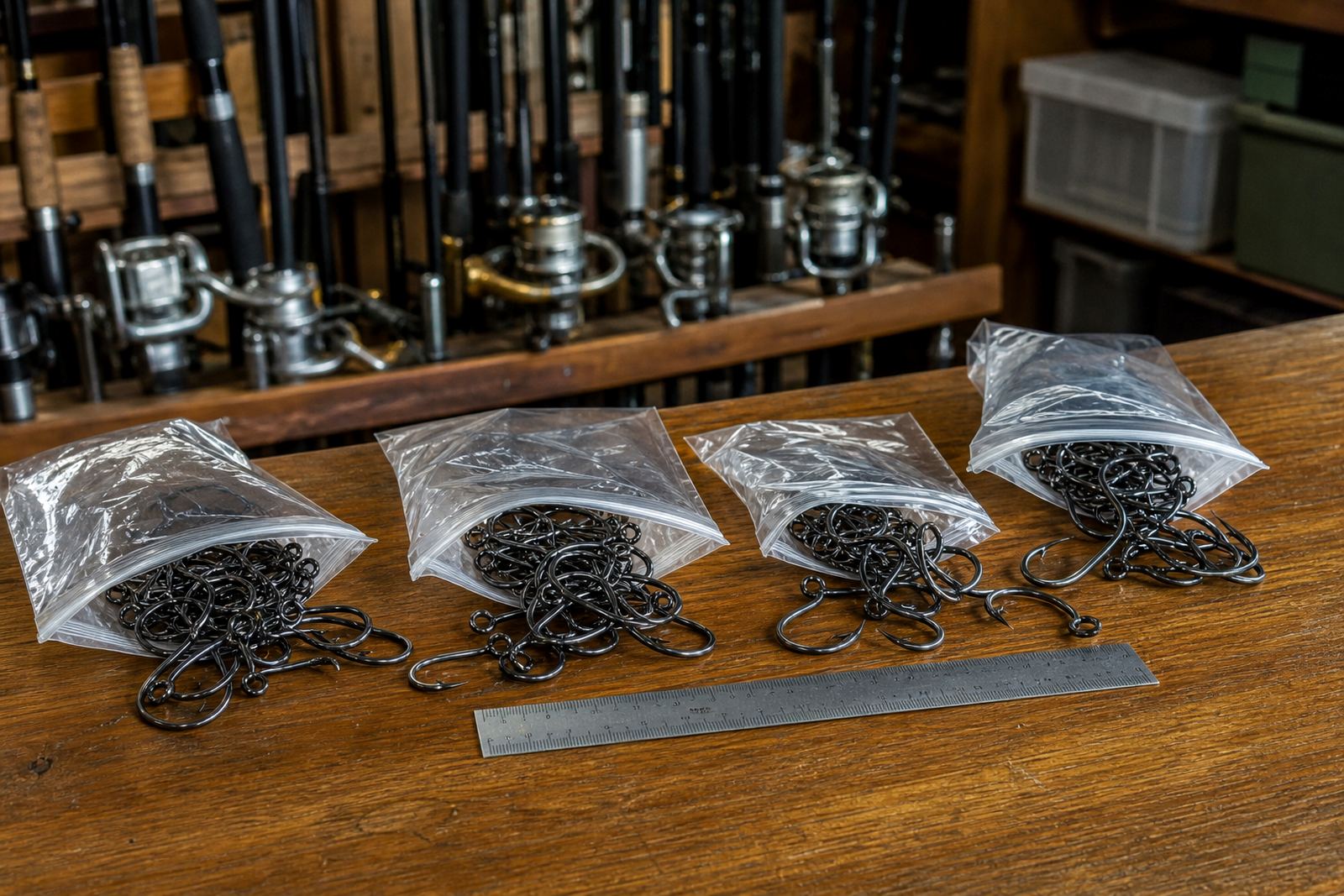
Use a hook size and trace style that suits the bait. For example, a long strip on a single hook often works better for distance, while a bulkier fillet bait can suit a stronger current or a more aggressive target. Keep your hands clean before handling hooks, and check that the trace knot, snood length and leader strength match the weight of your sinker. If you are fishing heavy shore break around Durban or the South Coast, your sinker choice and bait shape should work together so the bait does not helicopter on the cast.
- No electricity, gas or charging required
- Best used with bait cotton or a tight hook wrap
- Match hook size to bait size and target species
- Keep the bait compact for stronger casting
Storage, care and keeping it fishable
Sardine bait needs cold storage and sensible handling. Keep it in a sealed cooler with ice bricks and avoid leaving it exposed to direct sun for long periods. Once opened, portion only what you need for the session so the rest stays in better condition. If the bait has gone soft or started to smell overly sour, it will still have scent but it may be difficult to rig cleanly and may not stay on the hook properly.
After use, rinse bait knives, bait boards and containers in fresh water. Salt and oils can build up fast and leave a slippery film on tackle boxes, vehicle trays and boat decks. In humid areas like Durban, dry your tools before packing them away to reduce corrosion and bad odours. If you keep bait in a freezer at home, label the pack and rotate stock so older bait gets used first. That small step saves money and helps you avoid opening a pack that has been sitting too long.
- Store chilled from purchase to use
- Use sealed containers to limit smell and leakage
- Rinse tools after the session
- Rotate frozen stock so older packs are used first
What to check before you order sardine bait
Before placing an order, check the pack size, whether you want whole sardines or pre-cut portions, and how many sessions you expect to get from it. If you are doing a club outing, match the order to the number of anglers and the expected conditions. A one-kilogram pack can be enough for a short evening session, while a heavier order is better for a full day or for multiple rods. Ask what cut is currently in stock, because bait shape can change depending on availability and packing.
Also check how you plan to use it. If you are fishing far off the beach, a firmer cut may be better. If you are fishing close in around rocky areas, a softer bait can still work if you are re-baiting often. Consider your hook sizes, whether you have bait cotton on hand and whether you have enough cooler space for the day. For anglers travelling from Johannesburg or Pietermaritzburg to the coast, it is worth sorting storage in advance so the bait arrives in good condition and does not sit in a warm boot for hours.
- Confirm pack size and cut type
- Check how many anglers the bait must cover
- Match the bait to your hook size and trace style
- Plan cold storage for transport and on-the-day use
Key facts
| Product type | Natural saltwater bait for surf and rock fishing |
|---|---|
| Common formats | Whole, fillet cut, strip cut, portion packs |
| Target use | Coastal bait fishing for a range of species |
| Storage | Keep chilled in a sealed cooler with ice bricks |
| Power or gas needs | None |
| Care | Rinse tools and containers after use, then dry fully |