Why circle hooks work so well with bait
Circle hooks are shaped so the point turns back toward the shank, which helps the hook find the corner of the mouth as the fish moves off with the bait. This makes them a practical option for anglers who want firmer hook-ups without striking hard on every bite. They are especially useful when fishing with natural bait such as sardine, squid, pilchard strips, prawn, worms or small fillets.
For South African conditions, they make good sense on reef edges, river mouths, piers, estuary banks and dams where fish often mouth the bait first. They are not a magic fix, but when used properly they can improve bait presentation and reduce deep hooking. That matters when you are targeting edible species and want a quicker release if required.
Sizes, wire styles and finishing options
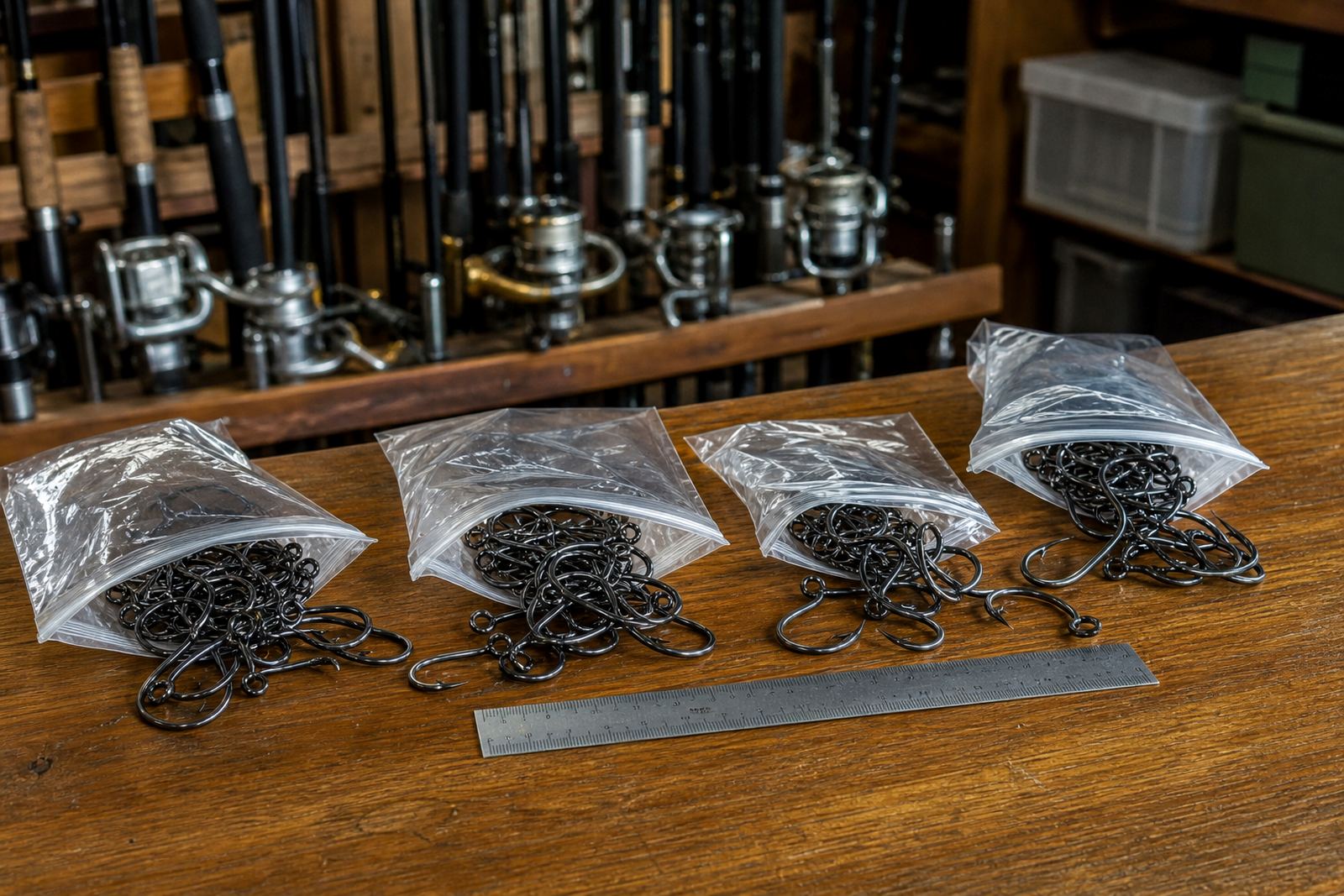
Circle hooks come in a range of sizes for light to heavy bait fishing. Smaller sizes suit trout bait fishing, light estuary work and small baits for species like grunter or smaller species in dams. Mid sizes are common for bread and bait rigs, small live baits and general surf use. Larger patterns suit stronger traces, bigger baits and rougher water where stronger wire is needed.
- Small sizes: fine-wire options for light bait and smaller mouths
- Medium sizes: all-round use for estuary, surf and freshwater bait rigs
- Large sizes: heavy-wire hooks for bigger baits and stronger tackle
- Barbed and barbless options: choose according to local rules and your release preference
- Coated finishes: useful for reducing corrosion in humid or coastal conditions
When ordering, check the hook gap, shank length and wire thickness. Two hooks marked with the same size can still fish very differently if one has a wider gape or heavier gauge. If you are matching trace material in Durban humidity or working near the sea in Gqeberha, a coated or corrosion-resistant finish is worth considering.
Best places to use circle hooks in South Africa
Circle hooks suit a wide range of venues across South Africa. In Durban, they are popular for rock and surf bait fishing, harbour edges and estuary mouths. In Cape Town and Gqeberha, anglers use them for surf zones, reefs and kelp-lined stretches where bait fishing needs a tidy hook set. Around Johannesburg and inland dams, they work well for bass, carp and catfish bait rigs when the bait is presented naturally.
They are a good fit for anglers who fish patiently and let the fish take off before coming tight. That style works well with sinker rigs, slide rigs and simple running rigs. If you are fishing in strong current or on a windy day, the hook choice becomes even more important because the bait must stay balanced and not spin around the hook point.
- Rock and surf bait fishing
- Estuary and harbour fishing
- Freshwater dam fishing
- Targeting species that swallow bait cautiously
- Catch-and-release situations where a cleaner hook set helps
How to rig and install them properly
Circle hooks should not be treated like a standard J hook. The point must remain clear so it can roll into the mouth and set cleanly. Tie them with a knot that leaves the hook sitting naturally, and avoid overloading the bend with bait. If the bait blocks the gape, the hook cannot turn properly and your hookup rate drops.
Use a trace that matches the hook size and the fish you are targeting. For light bait work, a neat loop or knotless connection may be enough. For stronger coastal setups, use heavier trace and check that the hook eye is seated correctly. There is no power or gas requirement for circle hooks, just sensible rigging and a properly matched rod, reel and line setup. If you are baiting up for a long session, keep your rig simple so you can reset quickly when conditions change.
- Keep the hook point exposed
- Do not bury the point deep inside soft bait
- Match hook size to bait size and target species
- Use steady pressure instead of a hard strike
- Check that the bait does not spin in the current
Care, rust prevention and servicing tips
Salt water, wet sand and humid air can dull hooks quickly, especially if they are left in a tackle box after a session. Rinse circle hooks in fresh water, dry them properly and store them away from damp bait tubs. If you fish often on the coast, check for rust spots before every trip and replace any hook that has lost its point or shows bending.
A sharpened hook point is not something to take lightly. Even a small nick can reduce penetration, particularly when fishing harder-mouthed species. If you run a busy bait fishing kit, keep spare hooks in the same sizes you use most and check them along with trace material, swivels and crimps. This saves time when load-shedding or weather interruptions mean you need to pack up quickly and head out again later.
- Rinse after every saltwater trip
- Dry before storage to stop rust forming
- Replace bent hooks or dull points
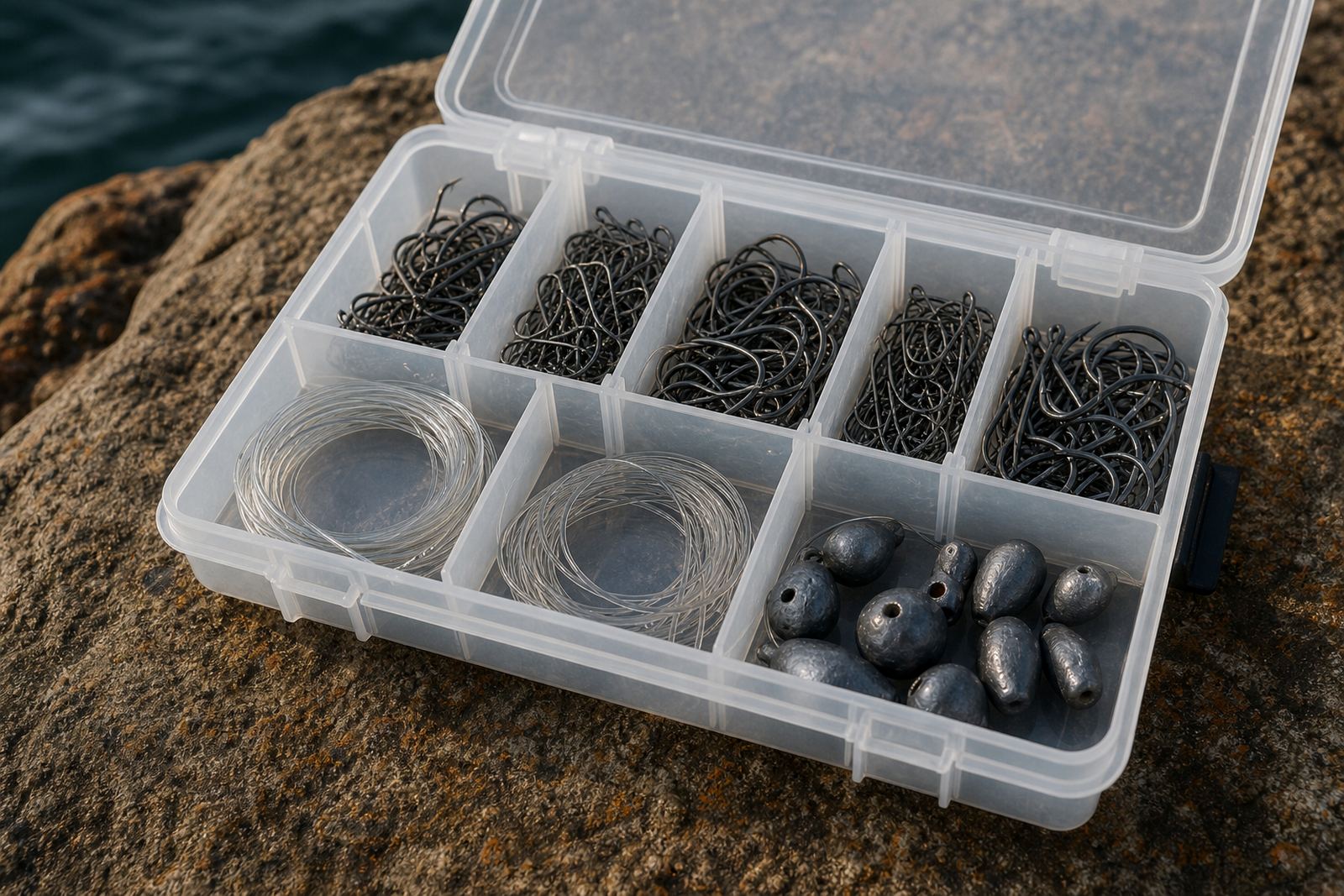
- Store in a dry tackle box with sealed compartments
- Keep spare sizes for quick rig changes
What to check before placing your order
Before you order circle hooks, confirm the size, wire strength, pack quantity and whether you need barbed or barbless options. It also helps to know what bait you will use most often, because a hook for a small sardine strip is very different from one for a whole bait fish or crab bait. If you are buying for a club, family group or a mixed coastal and freshwater setup, it may make sense to order two or three sizes at once.
For anglers around Durban, Springfield Park, Umhlanga, Ballito, Pietermaritzburg and the rest of South Africa, matching the hook to the venue matters more than chasing a single all-round size. If you are unsure, send through the details of your rod, line and target species so the right option can be matched to your setup. A small mistake on hook size can cost you a full day’s fishing, so it is worth checking carefully before you place the order.
- Target species and venue
- Bait type and average bait size
- Hook size, gape and wire thickness
- Barbed or barbless preference
- Pack size needed for personal use or club orders
Key facts
| Product type | Circle hooks for bait fishing |
|---|---|
| Use | Corner-of-mouth hook sets for coastal and freshwater angling |
| Sizes | Small to heavy gauge options, depending on target species |
| Finish | Standard and corrosion-resistant finishes available |
| Rigging | Best used on running rigs, slide rigs and neat bait traces |
| Care | Rinse, dry and store away from moisture after use |