Reels Built For Dams, Rivers And Structure
Freshwater reels are made for anglers who fish still waters and moving water where accuracy matters more than brute force. On a dam wall or from a boat, you want a reel that lays line evenly, handles repeated casts and gives you enough drag to manage sudden surges near reeds, rocks and sunken timber. For river fishing, a smooth retrieve and strong line lay are just as important because current can put extra strain on the gear.
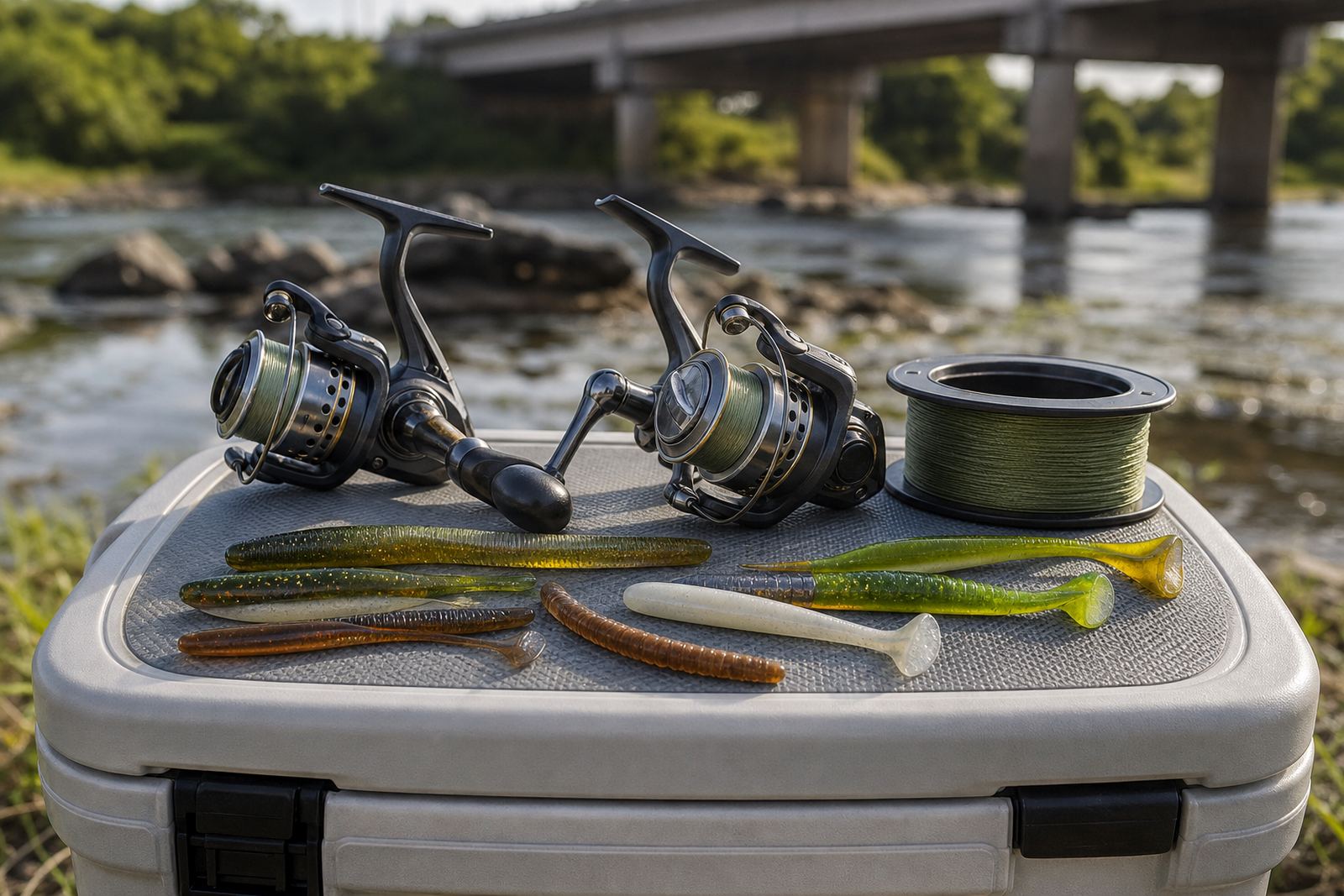
We stock reels for bass, kurper, carp, barbel and general lure fishing. The right reel depends on the rod length, the line you use and the style of fishing you prefer. A light 2000 size spinning reel works well for finesse and smaller lures, while a 3000 or 4000 size reel gives more line capacity and control for heavier presentations or larger fish. If you fish from the coast now and then but want one reel for dams as well, it helps to choose a model with decent sealing and a smooth drag.
- Spinning reels for soft plastics, small spoons and livebait rigs
- Baitrunner style reels for carp and static bait fishing
- Baitcast reels for accuracy around reeds, trees and cover
- Spare spool options on selected models for different line types
Choosing The Right Size And Retrieve Ratio
Freshwater reels come in a range of sizes and retrieve ratios, and getting that match right saves a lot of frustration on the water. A smaller reel in the 1000 to 2500 range is useful for light line and smaller lures, while 3000 to 4000 sizes are more versatile for local dams and river work. For heavier bait fishing, a 5000 size may suit anglers who need extra line capacity and stronger gearing.
Retrieve ratio tells you how quickly line comes back onto the spool with each turn of the handle. Higher ratios suit lure fishing because you can pick up slack fast and work plastics more cleanly around structure. Lower ratios are often easier on the arm for bait fishing and help when you need more cranking power. It is worth matching the reel to the rod action too, because an overpowered reel on a soft rod can feel unbalanced and tiring after a few casts.
- 1000 to 2500 size: light tackle, finesse and smaller dams
- 3000 to 4000 size: all round freshwater use
- 5000 size and above: carp, barbel and heavier bait setups
- Higher ratio: faster lure work and slack line pickup
Where These Reels Suit Local Fishing Conditions
Freshwater reels sold through our Durban base are chosen with South African conditions in mind. Humid coastal air, dusty car boots and long days beside the water can all affect a reel, so it is wise to pick one that is easy to clean and service. Anglers in Durban, Ballito and Umhlanga often fish mixed venues where a reel must handle both relaxed bank sessions and quick lure casting. Inland, from Pietermaritzburg to Johannesburg, many anglers use the same reel for dams, farm waters and club venues.
For structure fishing, a reel with a consistent drag and a comfortable handle makes a real difference. When a fish dives into weed beds or around rocks, you need control without jerky pressure. If you prefer livebait or bottom bait rigs, a baitrunner style reel can help with smoother runs before you engage the main drag. For lure work around weed edges and submerged timber, a compact spinning reel is often the better choice because it keeps the setup lighter and easier to cast all day.
- Durban and coastal inland areas: corrosion resistance matters more than ever
- Johannesburg and inland waters: focus on line capacity and smooth gearing
- River fishing: stable drag and easy retrieve under pressure
- Boat and bank fishing: choose a reel that balances your rod properly
Setup, Line Choice And Power Needs
Freshwater reels do not need power or gas, but they do need the right setup to perform properly. The reel should sit securely on the rod seat, and the line should be spooled evenly so it does not dig in under pressure. If the line is packed too tight or too loose, casting distance suffers and the drag can become uneven. That is why many anglers bring in their new reel for line spooling and a quick setup check before heading out.
Line choice depends on the species and venue. Thin braid gives excellent sensitivity for lure fishing and helps you feel taps on the drop, while mono or copolymer can be kinder for carp and general bait fishing. If you are fishing structure, a stronger leader helps prevent abrasion. Check that your rod guides are in good condition as well because a damaged guide can wear line quickly and create avoidable problems on the water.
- Match spool size to your intended line diameter
- Check reel foot fit on the rod before ordering line
- Use braid for sensitivity, mono for forgiveness
- Add a leader where rocks, snags or shells are present
Care, Servicing And Long-Term Use
Regular care keeps a freshwater reel working smoothly for years. After each outing, especially in damp or coastal air, wipe the reel down with a soft cloth and check the handle, bail arm and drag knob for grit. Do not hose the reel hard, because water can push dirt deeper into the body. A light clean and a proper service now and then is better than waiting for a noisy bearing or sticky drag to show up on the next trip.
We offer reel servicing, reel repairs and drag tuning for freshwater anglers who want their gear kept in working order. If a reel starts making rough noises, picks up line unevenly or feels loose under strain, bring it in before the problem gets worse. Small issues are easier to fix early, and a well maintained reel gives better casting and more confidence when a good fish takes off.
- Rinse lightly only if needed, then dry fully
- Loosen the drag after fishing to reduce pressure on washers
- Keep sand and grit away from the spool lip and line roller
- Book servicing before peak holiday fishing or club events
What To Check Before You Place An Order
Before ordering a freshwater reel, check the rod rating, line class and the species you target most often. It also helps to know whether you want a left or right hand retrieve, especially for baitcast models. For spinning reels, think about the line capacity you need for your usual venues and whether you want a compact reel for finesse or a larger body for stronger fish. If you are not sure, our team can help you narrow it down based on how and where you fish.
When clients use our enquiry form, we often ask about their rod length, target species, preferred bait or lure style, and whether they need a reel for a single trip or regular club fishing. That saves time and helps avoid buying a reel that feels wrong on the day. If you are setting up a new outfit, we can also advise on starter setup, trace making and trip gear checks so the whole kit works together.
- Rod length and casting style
- Target species and venue type
- Left or right hand retrieve for the model you want
- Line type, line strength and spool capacity
Key facts
| Type | Freshwater spinning, baitrunner and baitcast reels |
|---|---|
| Sizes | 1000, 2000, 2500, 3000, 4000 and 5000 class options |
| Drag | Front or rear drag depending on model, with smooth incremental adjustment |
| Line Capacity | Suitable for mono, fluorocarbon and braid, depending on size |
| Use | Dams, rivers, club waters and lure fishing around structure |
| Support | Line spooling, reel servicing, repairs and drag tuning available |