What gaffs and grips do on the water
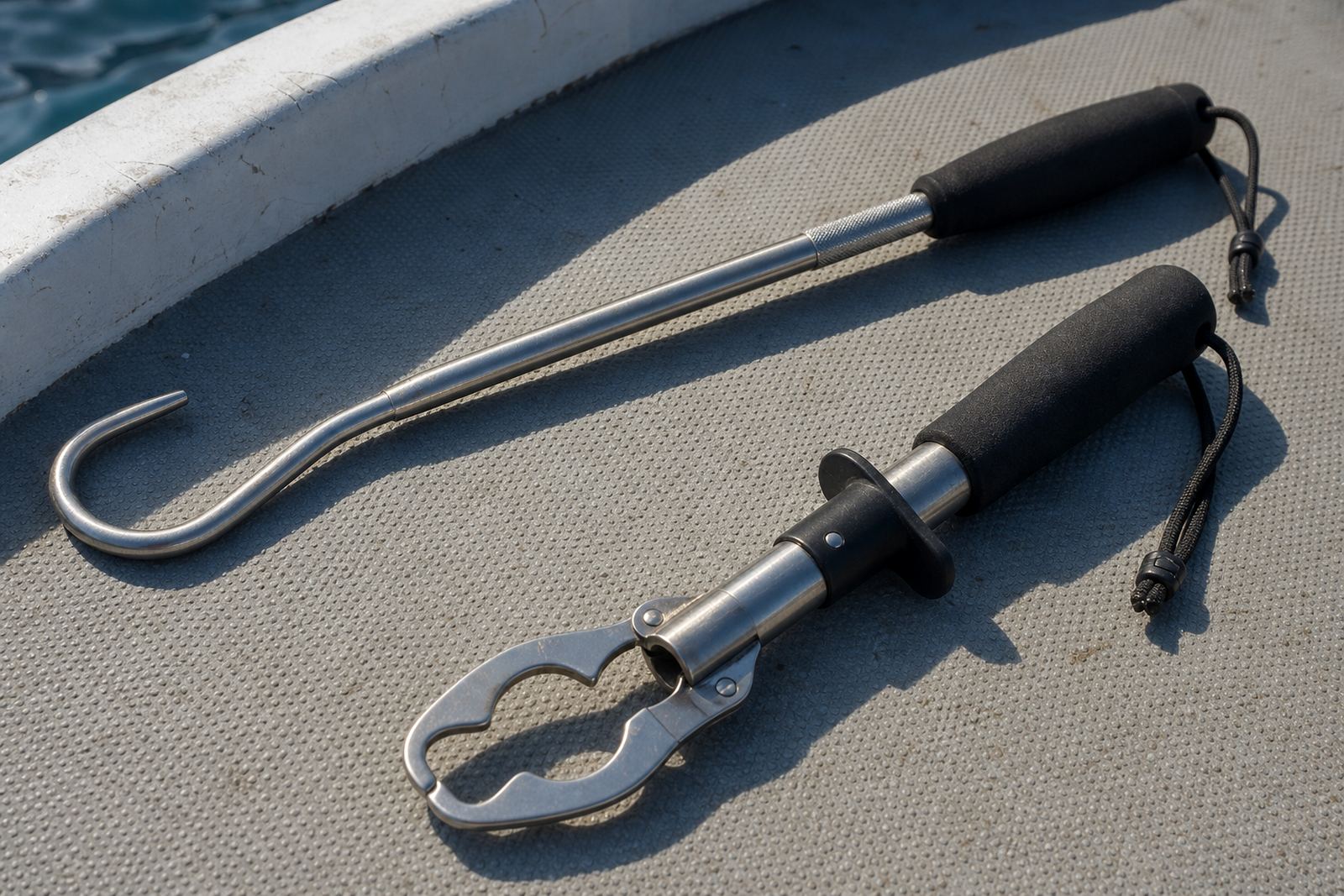
Gaffs and grips are landing tools used to secure a fish once it is ready to come in, or to control it briefly while you remove hooks and manage the release. A gaff uses a hooked point for a quick, controlled lift on suitable fish, while a grip tool clamps the fish by the mouth or jaw area without putting a hook through the body. For many Durban anglers chasing big kob, kingfish, grunter, and other hard-pulling species, the right tool saves time and reduces strain when conditions are rough and the fish is close to the side.
These tools are not for every catch. Smaller fish are best handled with wet hands, a landing net, or a soft release grip, but when size and current make hand control tricky, a good gaff or grip gives you more control. In freshwater, they can help with larger species from banks, dams, and barges where a safe lift is needed and the bank is steep or muddy.
Sizes, handle lengths, and head styles to choose from
The right size depends on where you fish and how close you need to work to the water. Shorter handles suit boat use, kayak fishing, and tight spots on harbour walls. Longer handles are better from the rocks, surf edge, or high banks where you need reach without leaning too far. Gaff heads also vary, from compact hook points for smaller to medium fish, to heavier hooks for larger saltwater catches. Grip tools come in different jaw openings and body lengths, with some designed for lighter freshwater work and others built for larger coastal fish.
- Short handle options: handy for boat fishing, kayak use, and compact storage
- Medium handle options: good all-round choice for shore and boat anglers
- Long handle options: useful for surf, rocks, dams with steep banks, and pier work
- Gaff head size: choose based on target fish and how much holding power you need
- Grip jaw width: check the opening suits the fish size you plan to land
Where each tool suits coastal and freshwater fishing
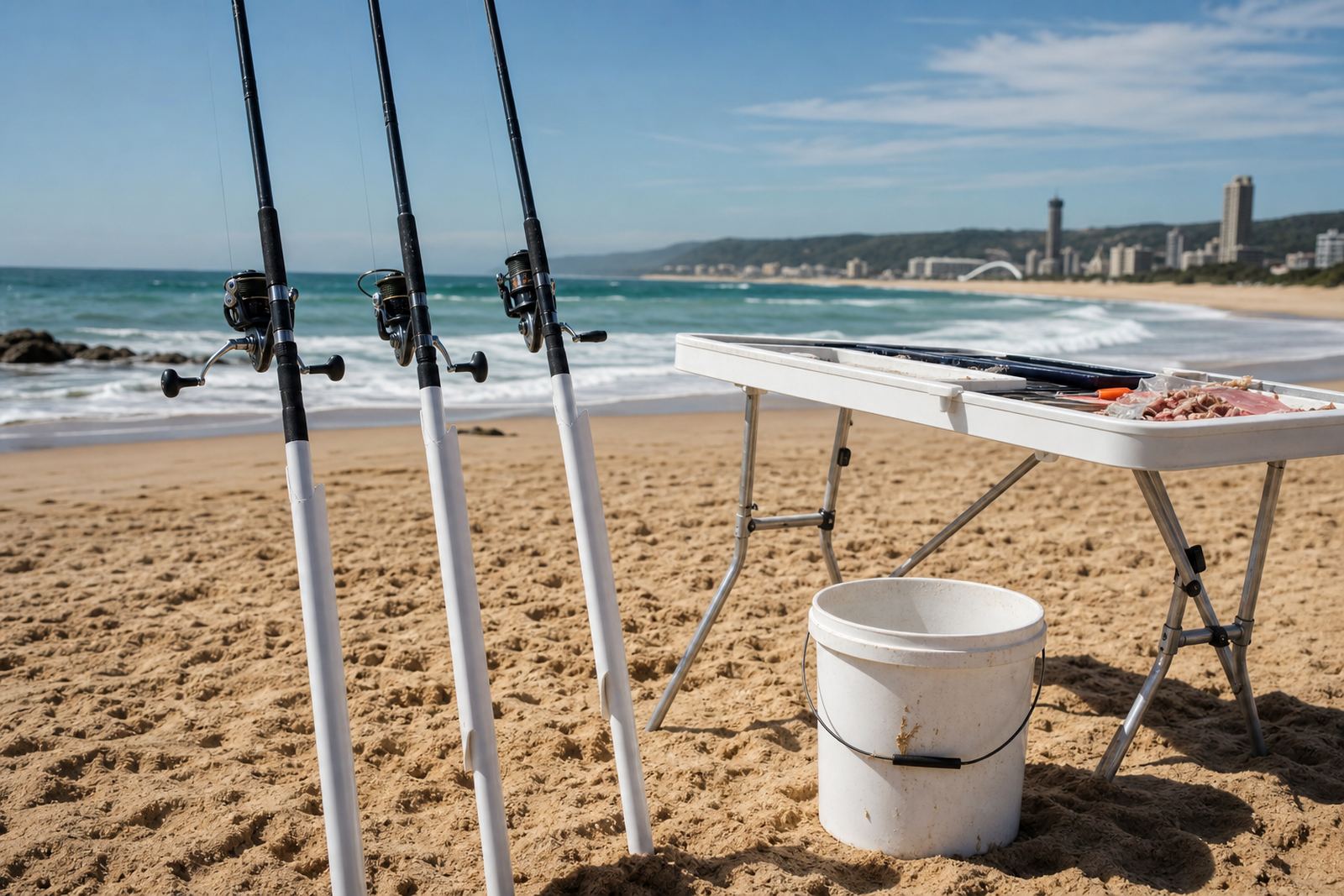
For coastal fishing around Durban, Umhlanga, Ballito, and the KZN North Coast, a gaff is often preferred when targeting larger edible species from the rocks or a boat, where a fast lift matters. A grip is useful when you need better control before unhooking, measuring, or photographing a fish. Around Cape Town, Gqeberha, and East London, anglers often want corrosion resistance and a secure grip because salt spray and strong wind wear gear down quicker than many people expect.
In freshwater areas such as Pietermaritzburg and inland dams, grip tools are often the better first choice for catch and release. They reduce the chance of damage when used correctly, and they are often dont need the heavy hardware that some sea tools carry. If you fish club waters or municipal venues, always check the local rules first, because some fisheries restrict gaff use or require barbless handling methods for certain species.
- Surf and rocks: longer handle, non-slip grip, corrosion-resistant fittings
- Boat fishing: shorter or medium handle, compact storage, quick access
- Freshwater banks: lighter grip tools for controlled handling
- Club and managed waters: check species rules before ordering
Key specs to look at before you buy
When comparing gaffs and grips, do not only look at length. Check the material, the joint strength, the finish, and how the handle feels in wet hands. In coastal humidity, a poor finish can rust fast, especially if the tool is not rinsed after each outing. A grip with a weak spring or loose jaw can slip at the worst moment, while a gaff with a thin shaft may flex more than you want on a larger fish.
Useful specs usually include shaft length, overall length, head size, handle type, weight, and whether the tool floats. Some anglers prefer a simple fixed design, while others want a foldable or telescopic option for the tackle box, hatch, or backpack. If you are buying for a boat or charter setup, ask about the balance point, because a tool that feels awkward in the hand can slow you down when the fish is at the side.
Care, cleaning, and servicing after saltwater use
Saltwater tools need proper care. Rinse the gaff or grip with fresh water after each trip, dry it fully, and store it where air can circulate. If you leave it wet in a box or vehicle, corrosion can start on the shaft, spring, screws, or hook point. Check moving parts for sand, dried bait, and salt build-up, then wipe them clean before the next trip.
For regular users in Durban and other coastal towns, a little maintenance goes a long way. Oil any moving joints lightly, keep the jaw action smooth, and inspect the point or jaw edge for wear. If a handle wrap becomes loose or slippery, replace it before it becomes a problem. In our shop we can also help with general tackle checks so your landing gear is ready before a weekend run or a longer trip.
- Rinse after every saltwater session
- Dry before storage to limit rust
- Check screws, joints, and jaw tension
- Keep the tip or jaw edge free of dents and burrs
What to check when ordering for your setup
Before you place an order, think about the fish you target, the place you fish, and how you carry your gear. A rock and surf angler in Durban will usually need a different length from a freshwater angler on a dam bank. If you fish from a ski-boat or tinny, storage space matters just as much as reach. Also check whether you want a dedicated gaff, a grip tool, or both, because each has a different job.
It helps to confirm the size of fish you expect, the type of water you fish most, and whether you need extra corrosion protection for coastal use. If you are ordering for a club or a group, ask about matching sets so the whole team has similar handling gear. For local anglers in Springfield Park, Umhlanga, Ballito, Johannesburg, Cape Town, Gqeberha, and East London, we can help match the tool to the way you actually fish, not just what looks good on paper.
- Target species and average size
- Coastal or freshwater use
- Handle length and storage space
- Grip style or gaff head size
- Corrosion resistance for salt exposure
Key facts
| Product type | Fish landing and handling tools |
|---|---|
| Use | Coastal and freshwater angling |
| Common sizes | Short, medium, and long handle options |
| Materials | Metal shaft with grip or hook head, depending on model |
| Best for | Landing larger catches and controlled handling |
| Power or gas needs | None, manual use only |