What Soft Plastics Are And How They Work
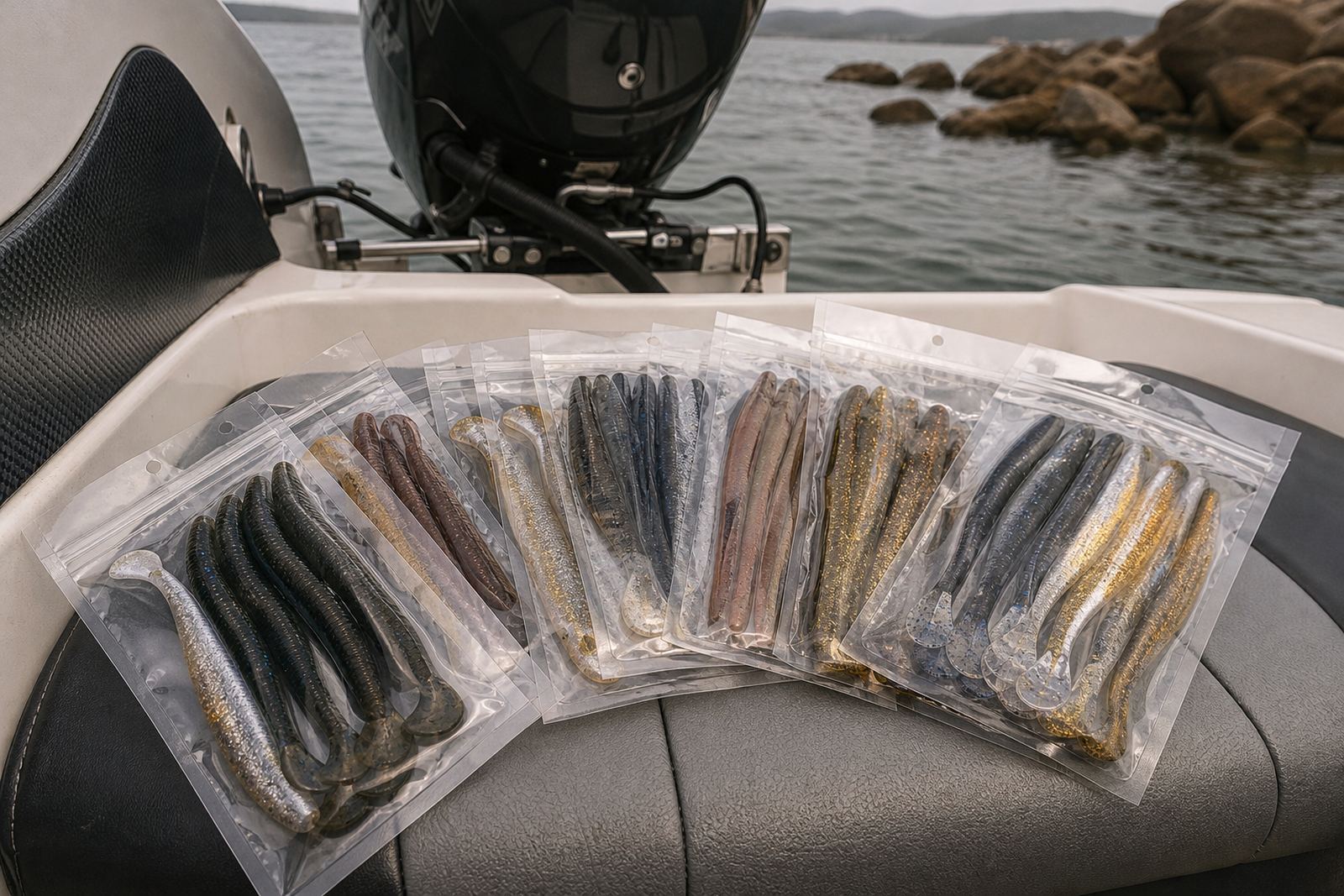
Soft plastics are flexible lures made to imitate baitfish, prawn, shrimp, grubs and other food sources that fish feed on inshore and inland waters. They work on weighted jig heads, weedless hooks, dropshot rigs and Texas-style set-ups, so you can fish them slowly in a drift or work them with sharp twitches near structure. For anglers fishing estuaries around Durban, the Breede, Knysna or St Lucia, they are useful when fish are picky and a hard lure is drawing too much attention.
In freshwater, they are a strong choice for bass around reeds, timber, rocky banks and weed beds. The softer body gives a natural tail kick, while the right weight lets you match the depth and current. You can fish them with braid and a fluorocarbon leader for clearer water, or use a heavier main line when there are snags and abrasive cover. No power or gas is needed, just a suitable rod, reel and terminal tackle.
- Common styles include paddle tails, shads, grubs, craws and prawn shapes.
- Most packages are sold by length, count or weight depending on the pattern.
- Colour choice often depends on water clarity, light and the local bait fish.
Sizes, Colours And Rigging Options We Stock
Soft plastics come in a wide range of sizes, from small 2 inch bodies for subtle bites to 5 inch and 7 inch options for bigger profiles. Smaller models suit estuary perch, grunter and shy bass, while larger shapes are useful when you want more vibration or are matching mullet, shad or crayfish. Some patterns are thin and lively, others are full-bodied with more water push and better hook holding.
When ordering, check whether the lure is sold as a single body or in a multi-pack, and whether it includes a jig head or is body only. A 1/16 oz or 1/8 oz jig head works well in shallower water, while 1/4 oz to 3/8 oz suits deeper holes, wind or stronger current. Weedless hooks help around grass and lilies. If you fish sandy estuaries, a lighter head gives a slower sink, which can make a big difference on a falling tide.
- Lengths commonly range from 2 inch to 7 inch, with some specialist bodies larger.
- Jig heads are usually chosen by depth, wind, current and target species.
- Natural colours suit clear water, while brighter colours help in dirty water or overcast conditions.
Best Places To Fish Them In South Africa
These lures are suited to a wide mix of South African conditions. On the coast, they work well in estuaries, harbours, canals and protected surf zones where fish are feeding on prawns, small baitfish and crabs. Around KZN, anglers often use them for targeted work in the Durban area, Umhlanga, Ballito and other warm-water systems. In the Eastern Cape and Western Cape, they are handy when the tide changes and fish move onto sandbanks, gullies and drop-offs.
In freshwater, soft plastics are a regular choice for bass waters around Gauteng, Mpumalanga and KwaZulu-Natal, especially where fish are relating to structure. They are useful in warm shallow water and also after cold fronts, when a slower retrieve can keep the lure in front of fish for longer. If you are fishing from the bank, a weedless rig can help you cast over cover without getting stuck every few metres, which saves time and line.
They also suit club anglers who need a simple lure that can cover different conditions without changing tackle every session. One pack can often serve for both natural presentation and more aggressive fishing, depending on how you rig it.
How To Rig, Cast And Retrieve Them Properly
Soft plastics are straightforward to fish, but the rig must match the water. A jig head gives a balanced sink and is the easiest option for most anglers. Thread the body on straight so it tracks true, then check the hook point exits cleanly. For weedless work, the hook should sit snug in the body without exposing too much metal. If the lure spins, the rig is usually bent or the body is not centred properly.
Retrieve style matters just as much as the lure itself. A steady slow retrieve can work in clear estuary water, while sharp hops and pauses are often better for bass around cover. In stronger current, keep contact with the lure so you can feel the bottom and detect a bite. On the drop, many strikes happen just after the cast or during a pause, so stay ready. A light knock from a fish can be easy to miss if the line is slack.
- Match the hook size to the body length so the point sits correctly.
- Use lighter heads for shallow water and heavier heads where depth or wind is an issue.
- Check your knot and leader after every few casts, especially near rocks and oysters.
Care, Storage And Simple Servicing Between Trips
Soft plastics last longer when they are stored away from heat, direct sun and the salt film that builds up after a day on the water. Rinse jig heads, hooks and tackle boxes with fresh water if you have been fishing the coast, then let everything dry before packing it away. In Durban’s humid conditions, damp tackle can corrode quicker than you expect, so a dry cloth and some air time help a lot.
Keep different lure colours separated if they can bleed into each other, and do not leave plastics sitting on bare painted surfaces for long periods. If a lure body has torn around the hook point, trim it neatly or replace it before the next trip. Sharpen or change dull hooks, because a soft body with a blunt point will miss more fish than it should. For anglers who fish often, it is worth checking your reels, line and drag setting at the same time so the whole set-up stays ready.
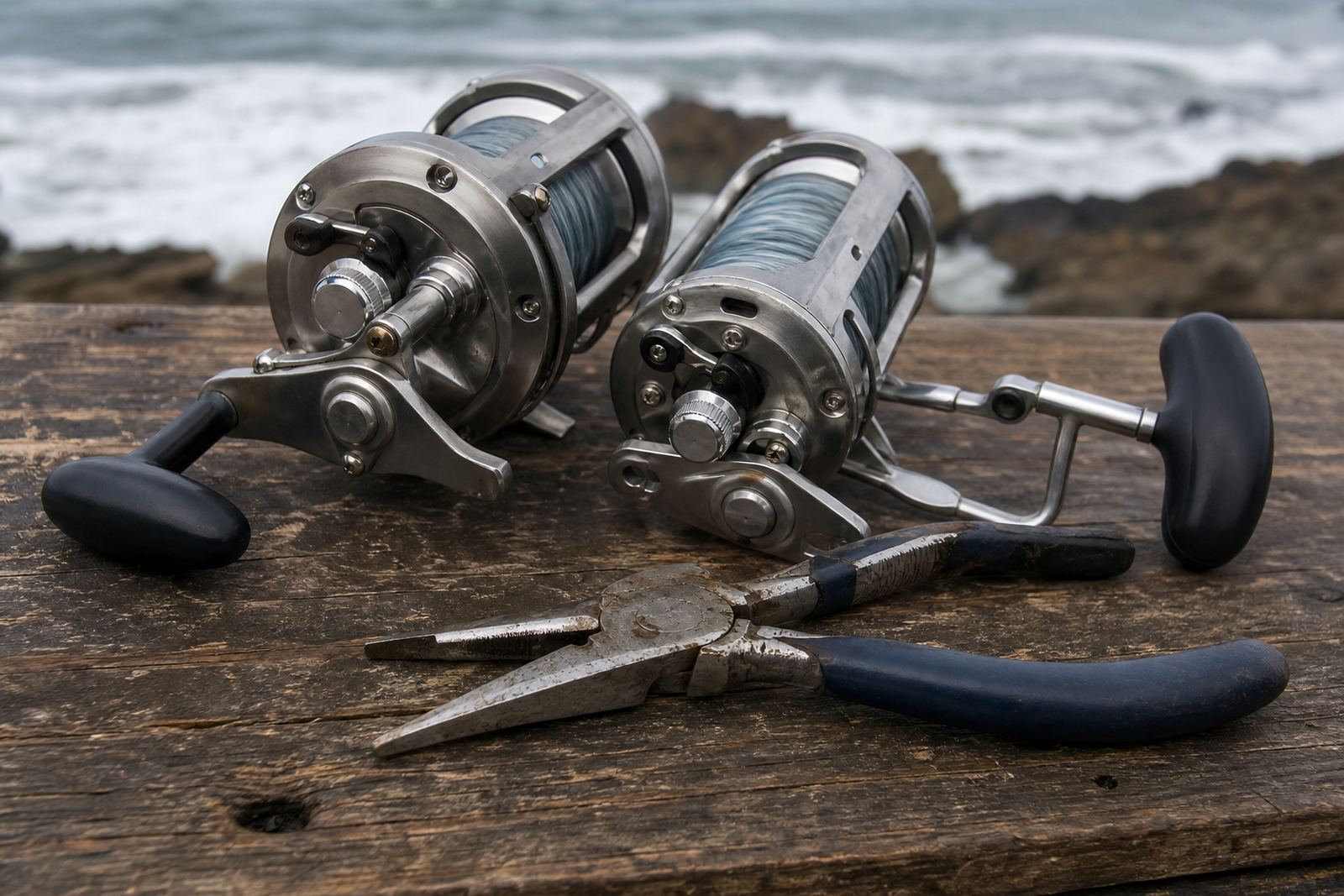
There is no special power or fuel requirement for these lures, but your gear still needs to be in working order. A smooth drag, sound knot and correctly loaded spool make a practical difference when you hook a good fish near pylons, reeds or rock. If your reel feels rough, we can assist with servicing and repairs through our tackle counter support.
What To Check Before You Order Soft Plastics
Before you place an order, think about where you will use the lure, what you are targeting and how deep the water is. That will narrow down the size, style and jig head weight. If you fish both coastal and freshwater spots, it helps to have one subtle natural option and one brighter pattern in the bag. A small change in colour or profile can save a session when the bite is slow.
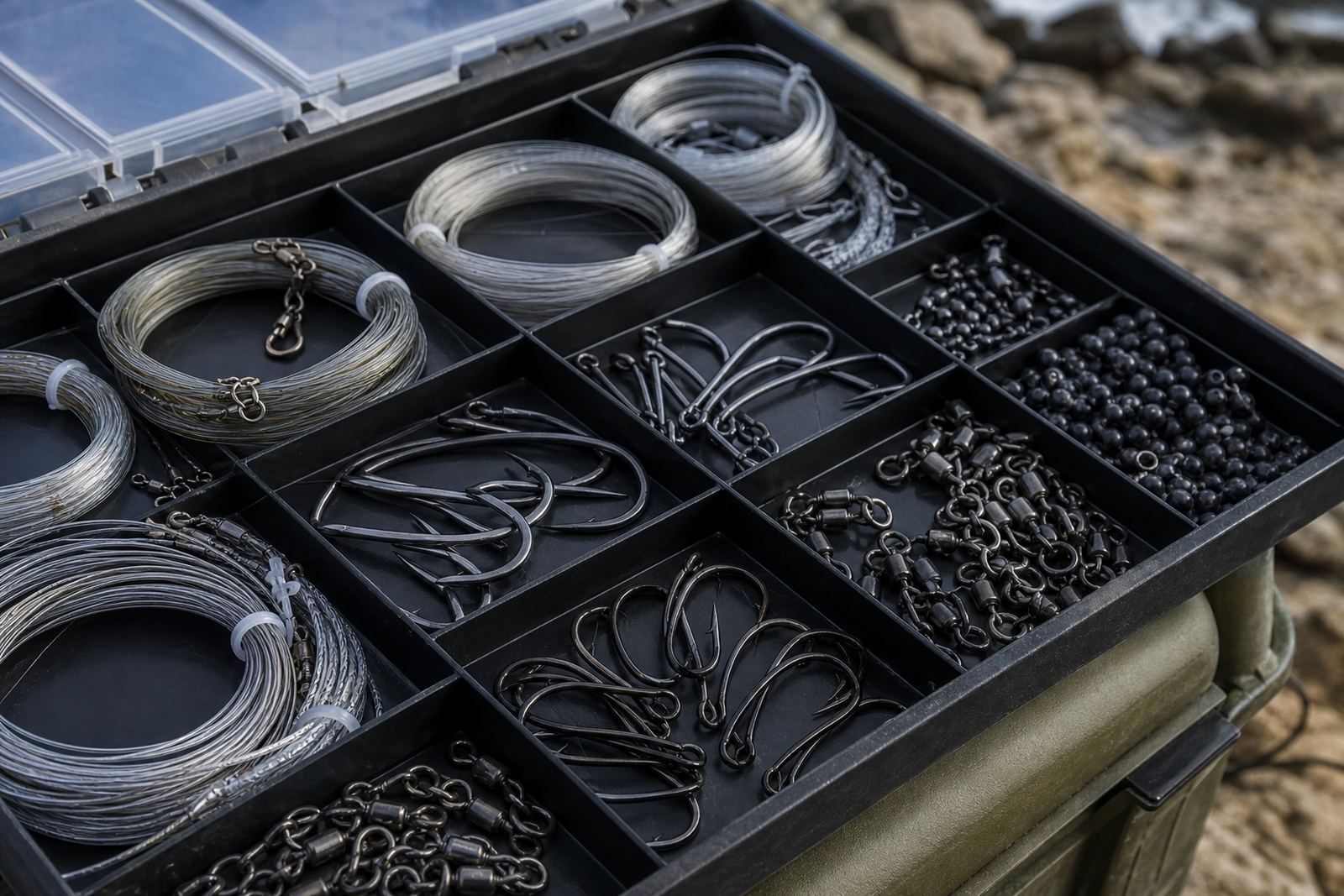
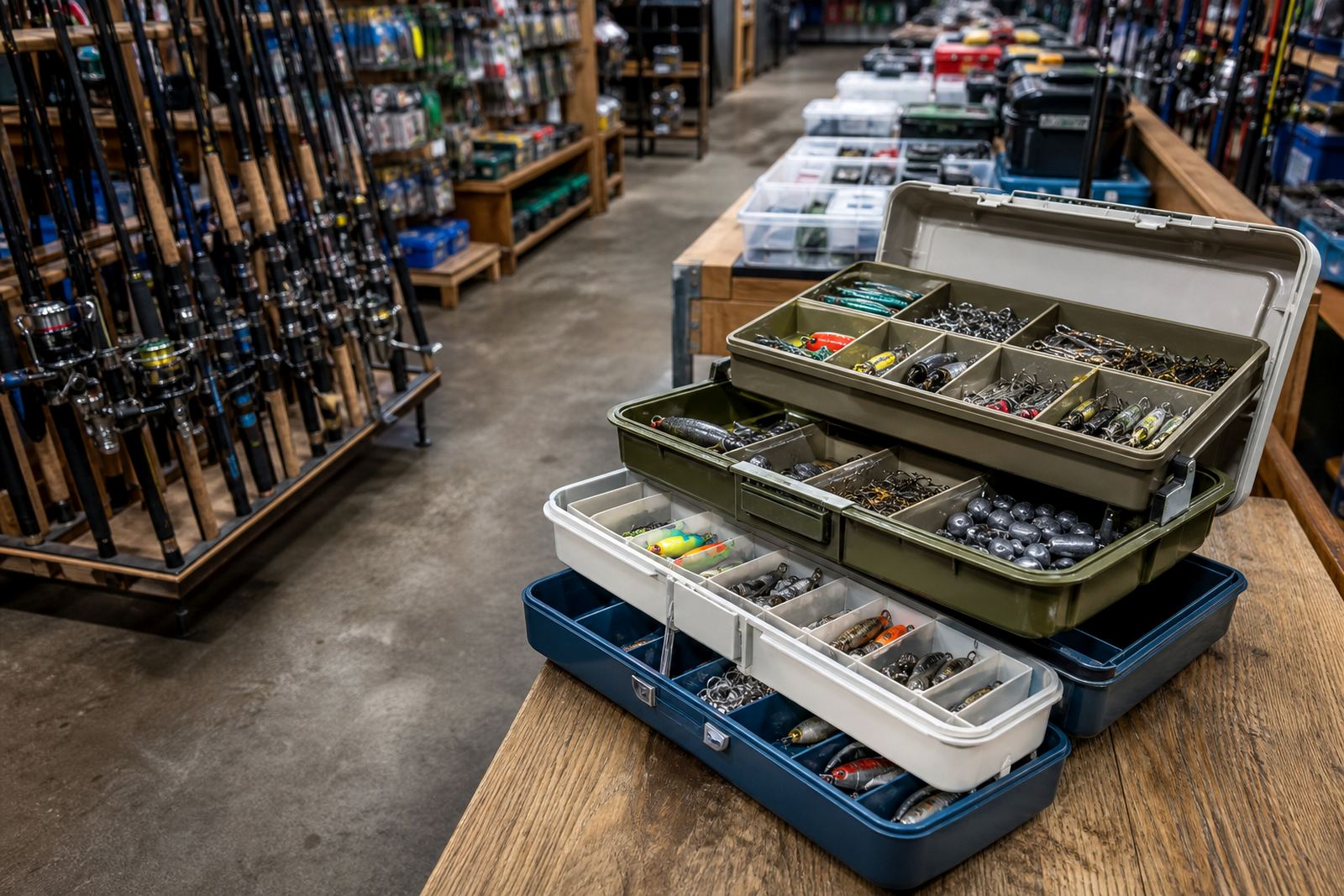
Also check whether you need extras such as jig heads, weedless hooks, leader material or spare bodies for a bait tray or tackle pouch. Some anglers prefer bulk packs for club fishing and regular weekend trips, while others want a few selected colours for a specific water. If you are unsure, ask about starter set-ups, trace making or trip gear checks so you are not underprepared on the day. We can also help with line spooling and rig advice if you are setting up a new outfit.
- Confirm the lure length, quantity and whether hooks or heads are included.
- Choose the correct weight for depth, wind, current and casting distance.
- Check if you need extra tackle for weedless, dropshot or jig head fishing.
Key facts
| Product type | Soft plastic fishing lures for coastal and freshwater use |
|---|---|
| Common lengths | 2 inch, 3 inch, 4 inch, 5 inch, 7 inch |
| Rig options | Jig head, weedless hook, dropshot and Texas-style rig |
| Best waters | Estuaries, harbours, dams, rivers and bass cover |
| Typical weights | 1/16 oz to 3/8 oz jig heads, depending on depth and current |
| Care | Rinse after saltwater use, dry fully, store out of direct sun |