What our starter setup service covers
We build a first-time fishing outfit around simple, proven components that are easy to use and easy to maintain. The aim is to keep things light enough for a new angler to handle, but strong enough to deal with Durban surf, estuary fish, inland dams and small freshwater species. We look at where you plan to fish, what bait you want to use and whether you need a single all-round setup or two outfits for different waters.
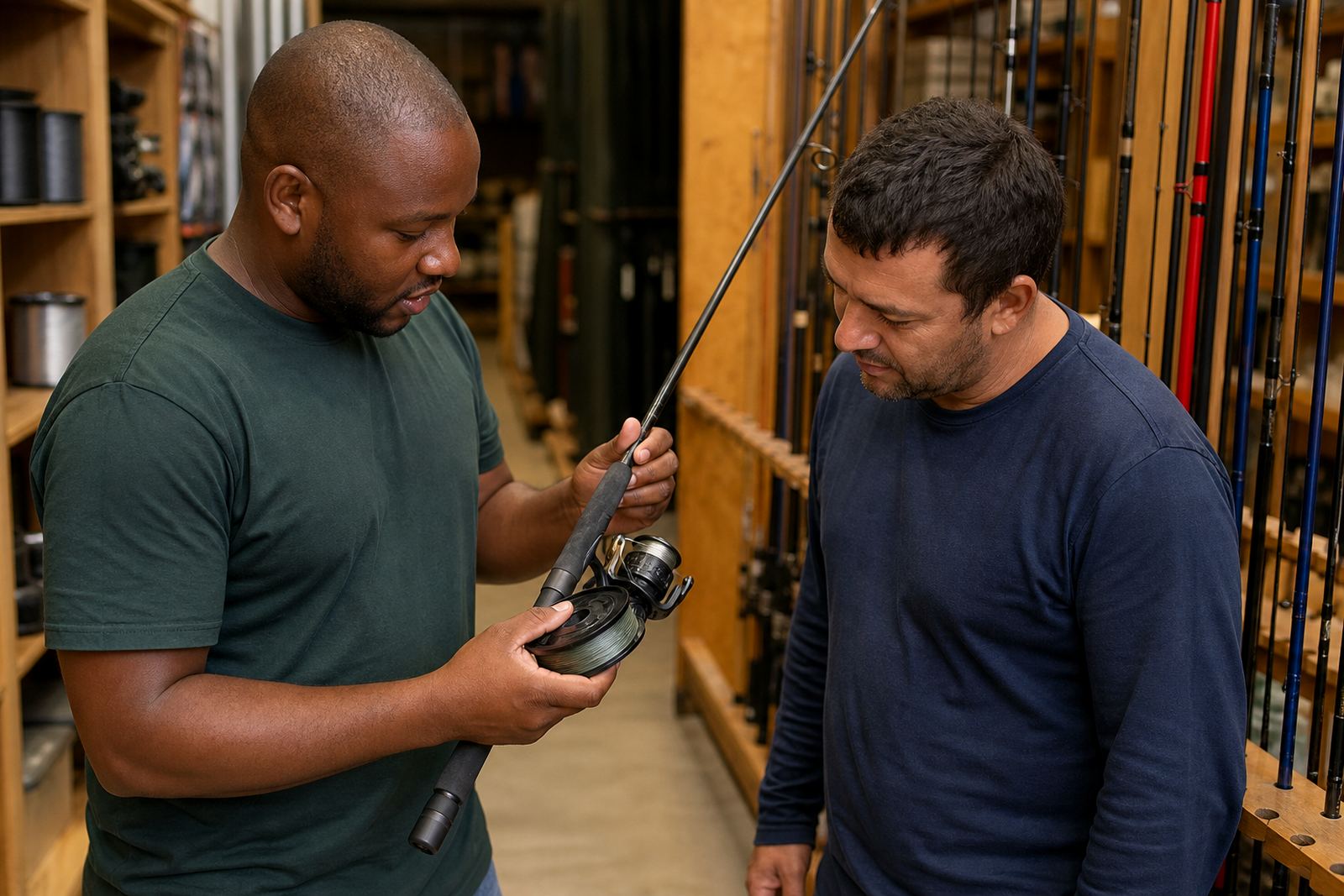
Our team then matches the rod, reel, line and terminal tackle so they work together properly. That means the rod action, reel size and line strength are chosen as a set, not as separate items. It saves a lot of frustration later, especially when a reel feels too heavy, the line is too thick, or the rod does not load well with the sinker weight you are using.
- Entry-level rod and reel matching
- Line selection for braid or monofilament
- Sinker, hook and swivel choice
- Bait and trace advice for the chosen water
- Basic casting and rig use guidance
How we choose the right first outfit
We start with a short conversation about where you will fish most often. A beginner casting off Durban beaches needs a different setup from someone fishing carp in a dam near Pietermaritzburg or bass in a small inland water. Coastal anglers usually need a bit more casting distance and corrosion care, while freshwater anglers often benefit from a lighter, easier-to-carry setup.
As a general guide, we keep starter gear practical and manageable. For coastal use, a 2.7 m to 3.3 m rod with a medium to medium-heavy action is often a good starting point. Reel size usually sits in the 4000 to 6000 range, depending on the rod and target species. For freshwater, a 1.8 m to 2.4 m rod with a lighter action and a 2500 to 4000 size reel is often suitable. We also explain line strength in plain language, so you know why 6 lb, 10 lb, 15 lb or heavier line might suit your plans.
- Durban surf and harbour use: longer rod, stronger line, corrosion care
- Dam and river use: lighter rod, easier casting, simpler rigging
- Mixed use: balanced setup for weekends and family trips
What is included in the setup and handover
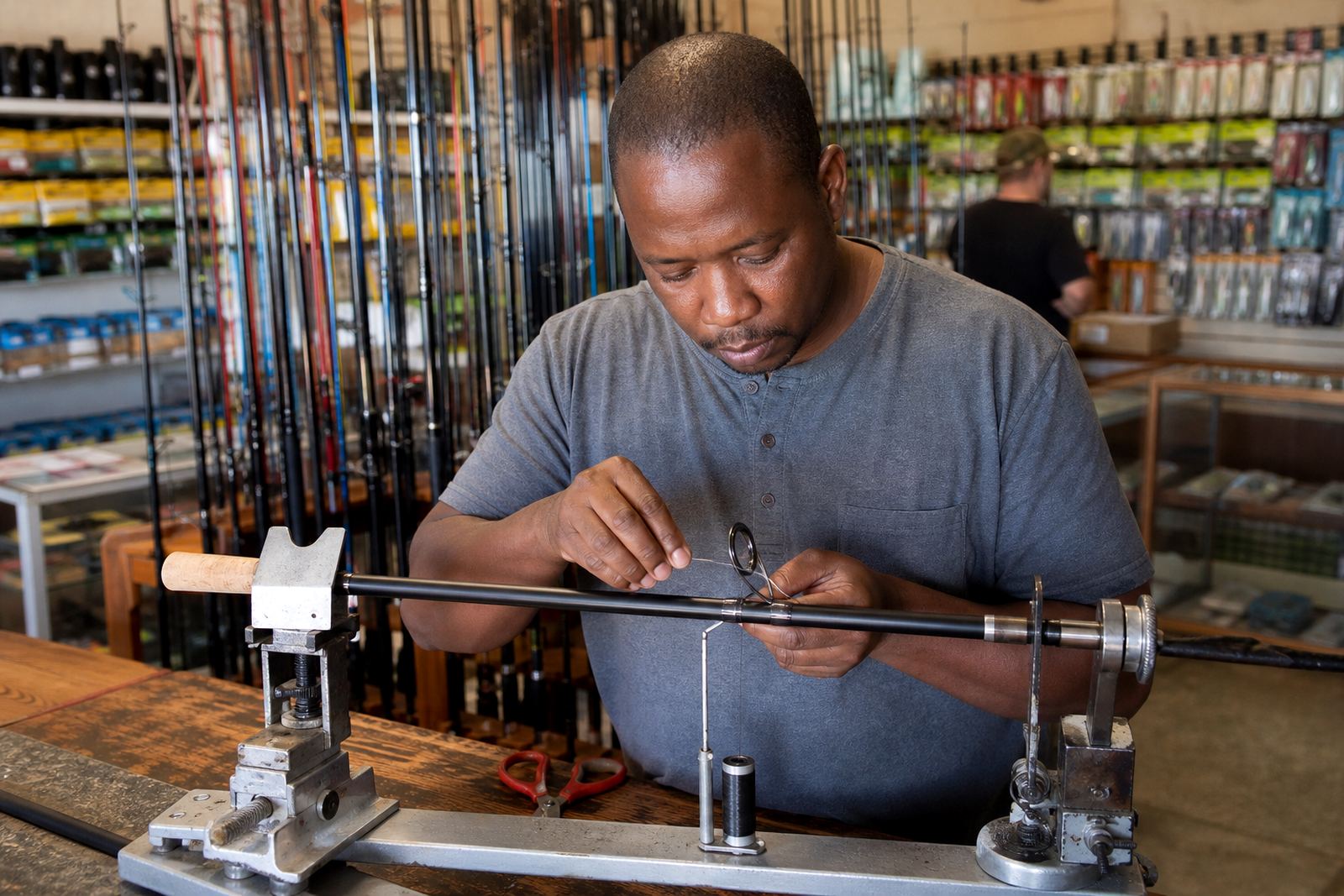
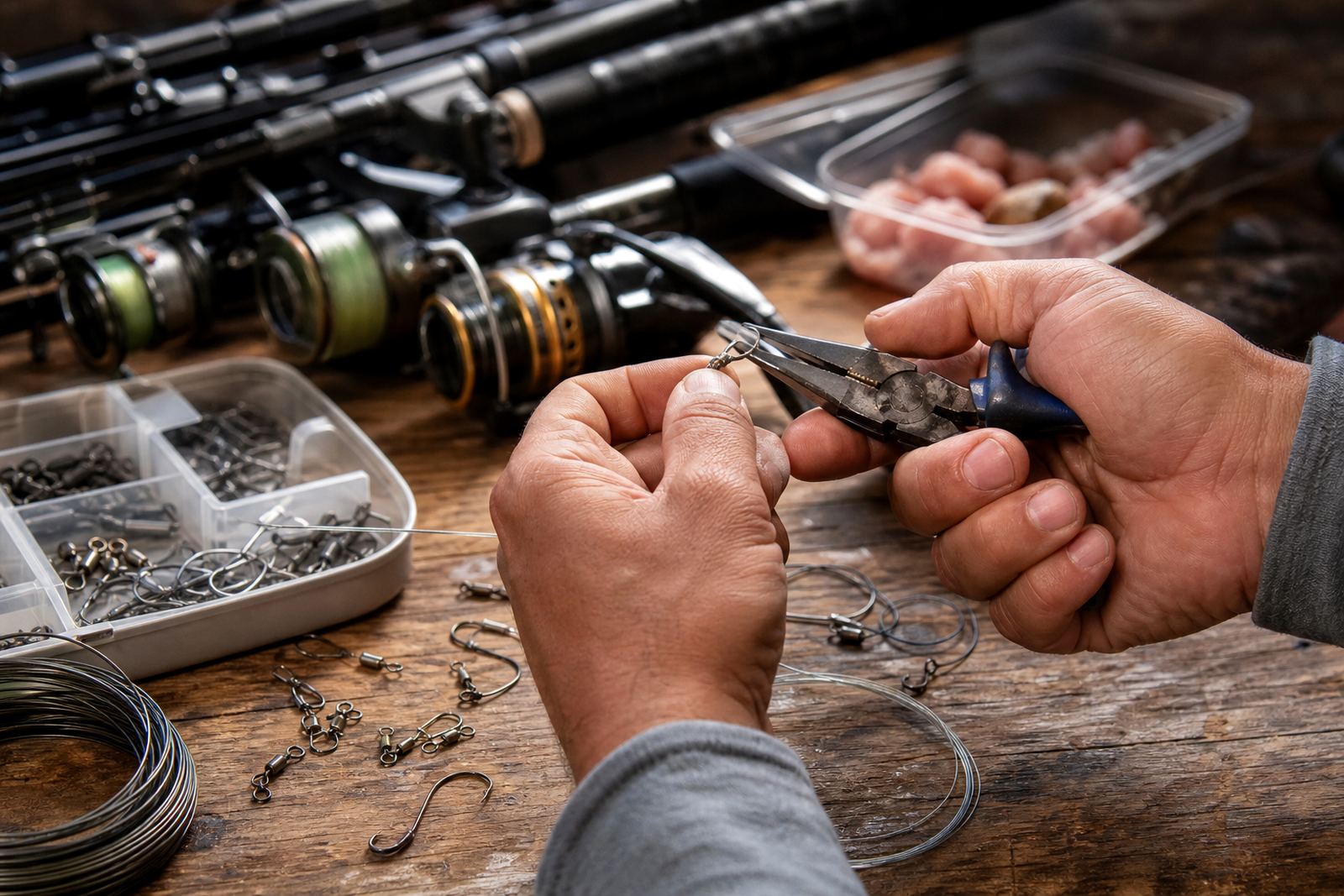
A starter setup is more than just selling a rod and a reel. We assemble the outfit, spool the line, check the guides and make sure the reel sits correctly on the seat. If needed, we add a basic trace or rig so you can leave with a fishable setup, not a box of parts. We can also prepare a simple bait plan based on whether you are using sardine, prawn, chokka, worms, dough or pellet type baits.
Before you leave, we explain how to cast, how to set the drag, how to tie the most useful knots and how to rinse the outfit after saltwater use. For people shopping for a child, parent or first-time angler, we can keep the system very simple so it is not overwhelming. If a second setup is needed later, we can build on what you already have instead of replacing everything.
- Rod and reel fitted and balanced
- Line spooled to the correct level
- Basic knot and rig guidance
- Drag setting and bait presentation advice
- Saltwater rinse and storage tips
Turnaround time for beginner setups
Most starter setups can be completed on the same day if the chosen gear is in stock and the queue is manageable. If we need to spool line, fit a trace and set up a few extras, allow a little more time. During busy periods, especially before long weekends and school holidays, it helps to send an enquiry first so we can prepare the right options before you visit the Durban store.
For clients in Cape Town, Gqeberha, East London and Johannesburg orders, we can prepare the outfit for collection or dispatch once the selection is confirmed. If a rod guide replacement or other small adjustment is needed before the setup is handed over, we will advise the extra time upfront. We try to keep everything clear and practical, so you know what is ready now and what may need a short wait.
- Same-day for simple in-store setups
- Short delay if line spooling or rig prep is needed
- Extra time for special rod and reel combinations
- Order preparation for out-of-town clients by arrangement
Pricing approach that suits first-time anglers
We keep starter setup pricing straightforward. The final cost depends on the rod length, reel size, line choice and any extras such as bait accessories, trace materials or a spare spool. We always try to work within the budget you give us, whether you want the most affordable entry point or a slightly stronger setup that will last longer in coastal conditions.
Rather than pushing the most expensive option, we explain the trade-offs clearly. A lighter freshwater outfit may cost less upfront, but a Durban surf setup usually needs stronger components and better corrosion resistance. If you are buying for more than one person or for a club outing, we can also discuss bulk starter packages and keep the specs consistent across the group. That makes it easier to share advice and swap spare parts later.
- Budget, mid-range and better-value options
- Clear breakdown of what each item does
- Packages for individuals, families and clubs
- No unnecessary add-ons unless they are useful
Keeping a starter outfit in good condition
New anglers often get the best results when they follow a simple maintenance routine. For coastal fishing, rinse the rod, reel and guides with fresh water after every trip, especially in humid Durban weather where salt builds up quickly. Let the outfit dry fully before storing it, and back off the drag if the reel will sit unused for a while. Freshwater gear needs less salt care, but it still benefits from a wipe-down and regular line checks.
We usually recommend a first check after the first few trips, then every few months if the outfit is used regularly. If the line starts fraying, the drag feels uneven, or the rod tip is damaged, bring it in for a quick inspection. Small problems are easier to sort out early than after a line break or a lost fish. For beginners in places like Umhlanga, Ballito, Springfield Park or the inland routes toward Pietermaritzburg, this routine keeps the kit ready for the next outing, even when load-shedding means you need to plan prep time carefully.
- Rinse after saltwater use
- Check line wear every few trips
- Inspect guides and tip top for cracks
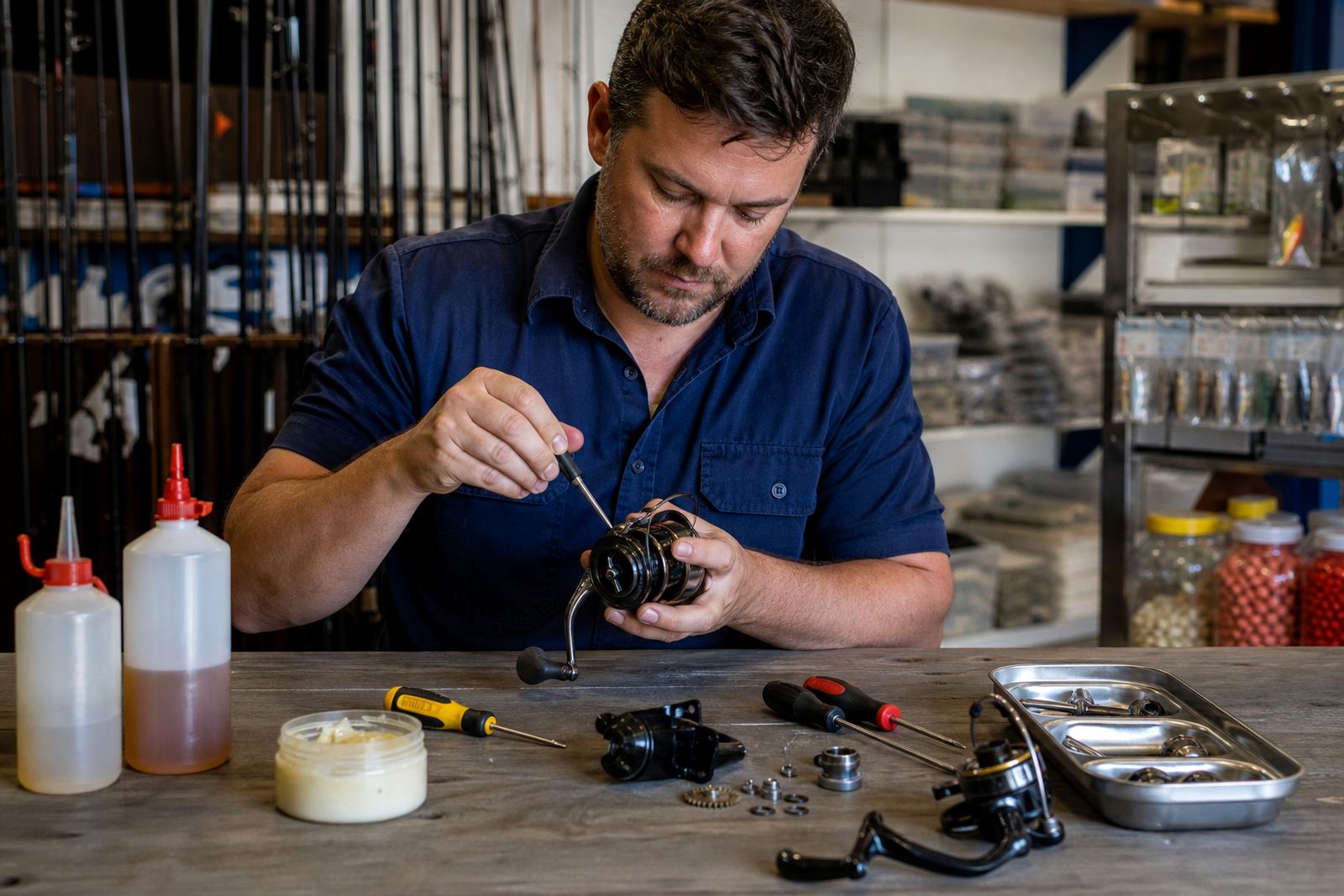
- Service the reel if it feels rough or noisy
Key facts
| Rod length | 1.8 m to 3.3 m depending on use |
|---|---|
| Reel size | 2500 to 6000 matched to target species |
| Line range | 6 lb to 15 lb for most beginner freshwater and light coastal setups |
| Typical include | Rod, reel, line, hooks, swivels and a basic rig or trace |
| Turnaround | Same day for simple in-store setups, longer for special orders |
| Service area | Durban, Springfield Park, Umhlanga, Ballito, Pietermaritzburg, Johannesburg, Cape Town, Gqeberha and East London |