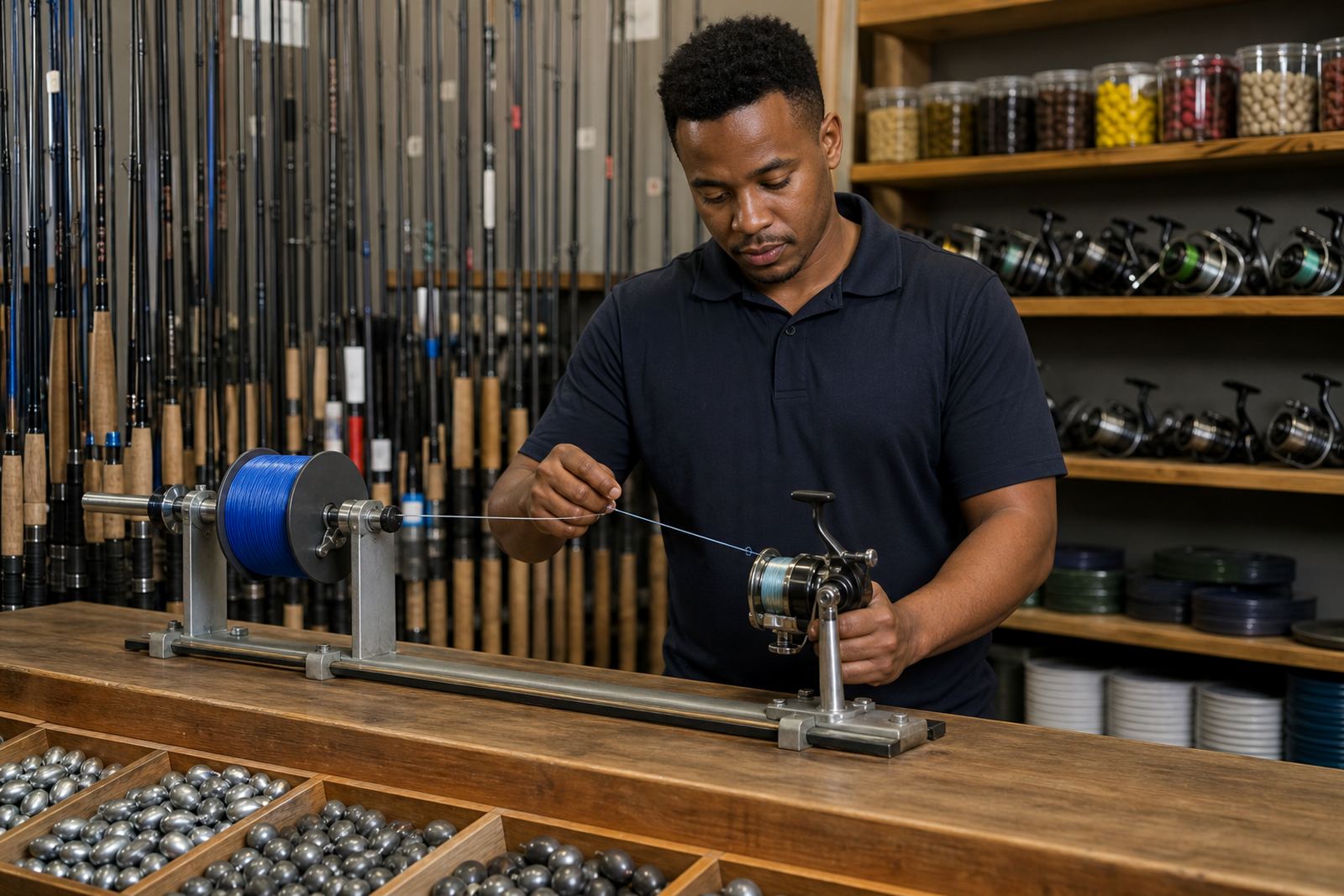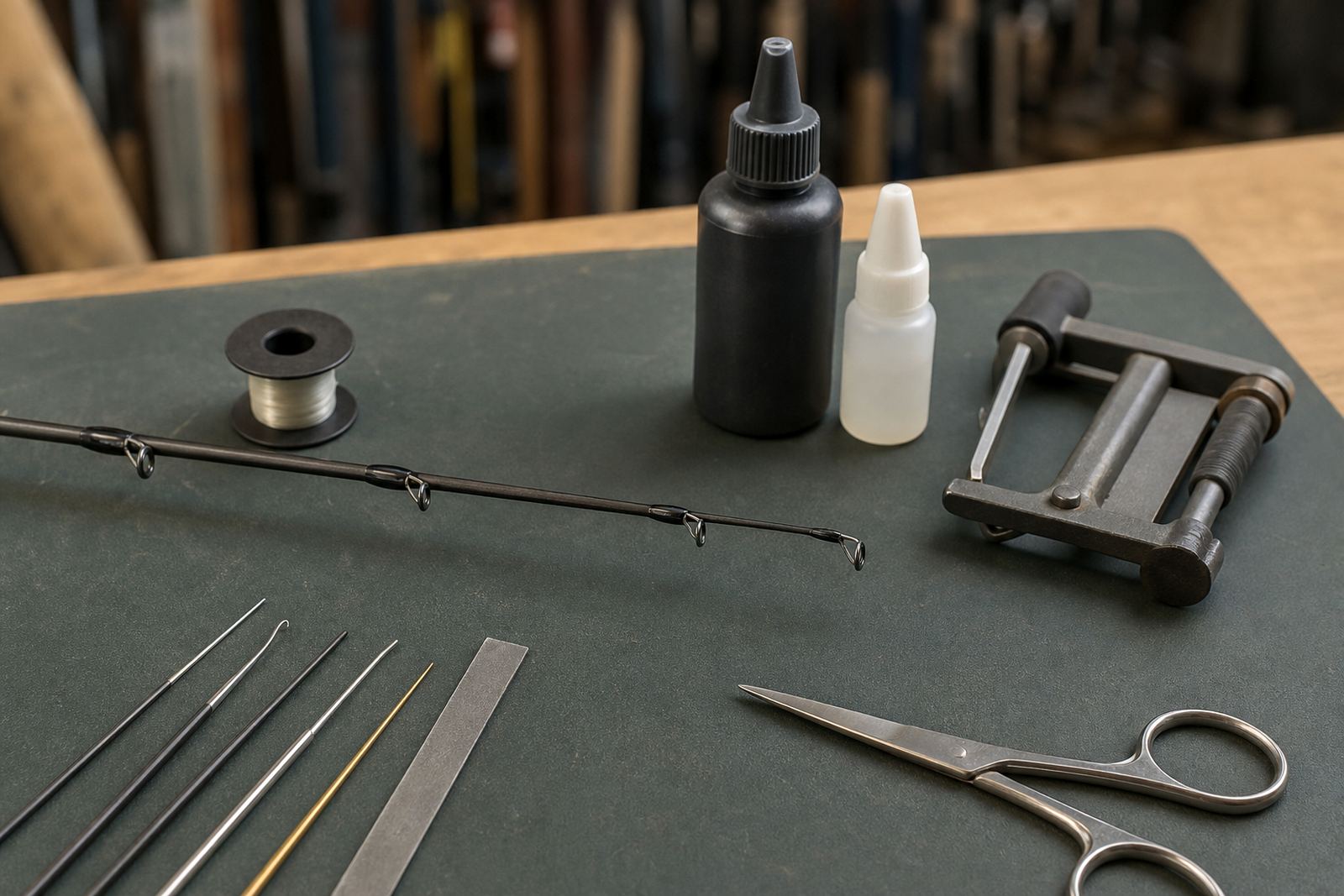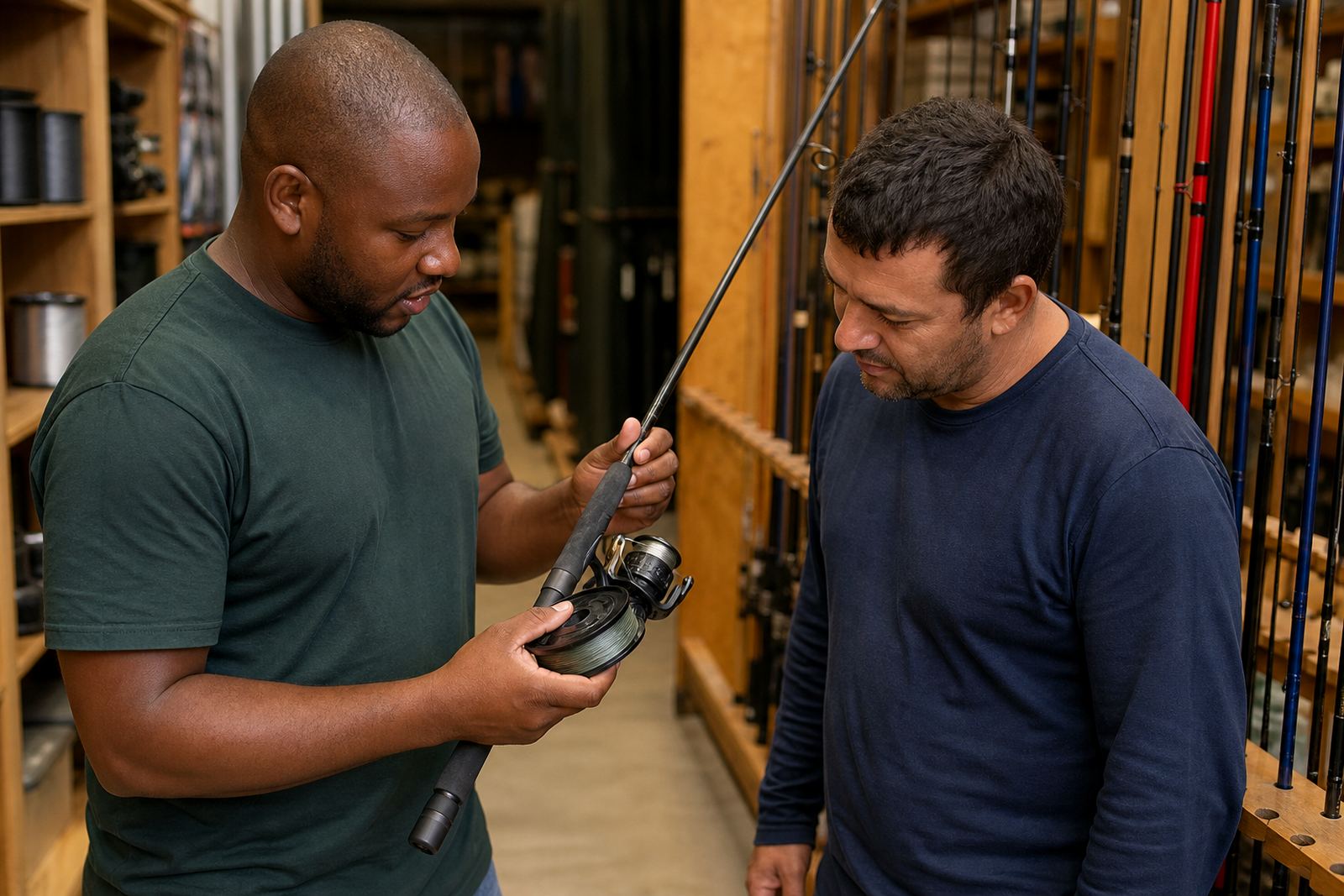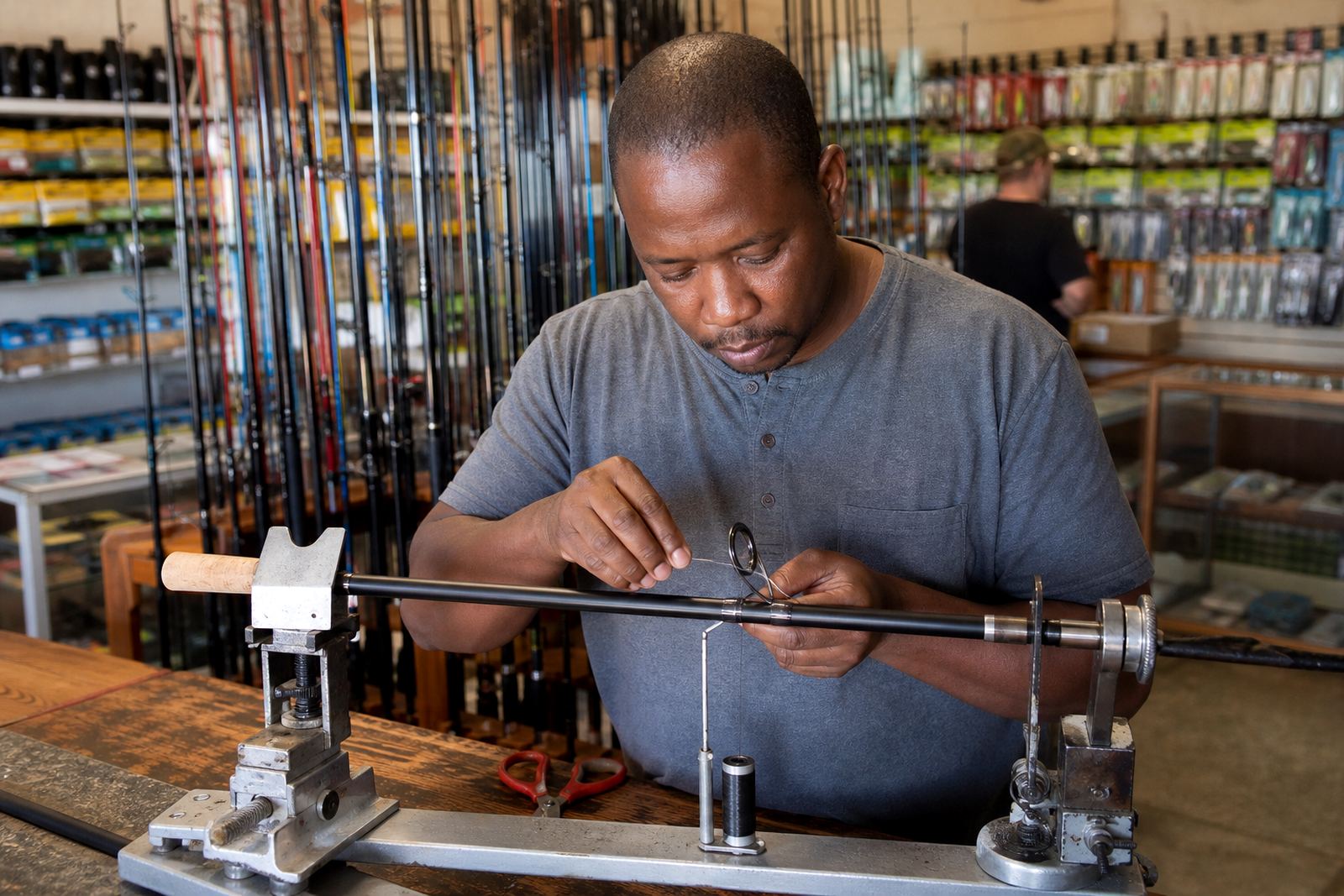
What Rod Guide Replacement Covers
Our rod guide replacement service is for rods with cracked inserts, bent frames, loose windings, rusted feet, or guides that have pulled clean out of the blank. We handle spinning rods, baitcasting rods, surf rods, boat rods and many freshwater setups used for bass, carp, kob, shad and rock-and-surf work. If a guide is only slightly damaged, we will say so and advise on the most practical fix rather than pushing a full strip down.
The aim is simple: restore smooth line flow and protect the blank. A damaged guide can cut braid, weaken mono, create noisy casting and put extra stress on the rod under load. On coastal rods, corrosion from salt spray and humid storage is a common issue. In inland areas, impact damage from transport and roof racks is often the cause. We match the replacement to the rod's action, guide size and intended line class, because a guide that is too small or too high can change the way the rod fishes.
How We Replace Guides On Rods
We inspect the damaged section, check the surrounding guides for wear, and confirm whether one guide or a set should be changed for balance. When needed, we measure the frame height, ring size, foot length and spacing so the repaired section stays in line with the rest of the rod. The work is done carefully to protect the blank finish and keep the rod straight. A neat repair matters here, not only for looks but for castng and load distribution too.
- Removal of the damaged guide without scuffing the blank
- Selection of a matching guide based on rod type and line use
- Secure wrapping with proper tension for strength and alignment
- Finish coating over the wrap for protection and durability
- Final check for alignment, smooth line path and tip clearance
If there is extra damage, such as a cracked guide foot seat or a nicked blank area, we explain the options before proceeding. In some cases a rod can be repaired with a single guide replacement, while in others a set of guides should be renewed to keep the rod balanced and practical.
Guide Types, Sizes And Materials We Work With
Different rods need different guide setups. Coastal rods often run larger entrance guides to handle casting distance and shock from heavier leaders, while freshwater rods may use smaller and lighter guides for sensitivity and line control. We work with single-foot and double-foot guide styles, depending on the rod design and duty required. For surf and boat rods, the guide choice usually needs to take more strain and salt exposure. For bass and light spinning rods, low-weight options help keep the rod lively.
We also check the guide ring material and the condition of the ring insert. A cracked ceramic ring can damage braid in just a few casts, while a corroded metal frame can weaken the wrap area over time. If the rod is used in Durban, Ballito or other coastal areas, we often recommend checking the guides more often because salt and damp storage can shorten service life. For anglers fishing both salt and fresh water, a mixed-use setup should be inspected at least once a season.
- Single-foot guides for lighter spinning and finesse rods
- Double-foot guides for surf, heavy casting and boat rods
- Ring and frame checks for corrosion, cracks and wear
- Spacing review to keep line flow smooth from reel to tip
Turnaround, Pricing And What Affects The Quote
Turnaround depends on the rod type, the number of guides needed and whether we are matching an existing guide or replacing several at once. Simple single-guide jobs are usually faster than full section repairs. If the rod needs special ordering for a matching size or style, that can add time. We will always explain the likely lead time upfront so you can plan for a weekend trip or a competition without guessing.
Pricing is based on the guide type, the size of the guide, the amount of prep required, and whether only the damaged guide is replaced or the rod needs a matched pair or set. Coastal rods with heavier guide frames and larger rings often cost more than light freshwater repairs, while complex surf rods may require more labour. We keep pricing practical and clear, and if a rod is not worth repairing we will say so before any work starts. That saves money and avoids throwing good rand after bad.
For club anglers, charter skippers and regular tournament fishers, we can also assess multiple rods in one go. That helps when several rods have been stored in the same rod tube or vehicle rack and show similar wear. It is often cheaper to sort them together than to repair them one by one.
When To Book A Guide Replacement
The best time to replace a guide is as soon as you notice a problem. Waiting usually makes things worse, because a damaged guide can chew through line and start damaging the blank around the wrap. If you hear a scraping sound when casting or retrieving, feel the line snag at the tip, or notice a white chip on the ring, the rod should be checked before the next trip.
- Visible cracks or missing pieces in the guide ring
- Rust on the frame or under the wrap
- Loose guide feet or lifting thread
- Frayed line after casting sessions
- Uneven casting distance or line slap on the blank
Anglers in coastal areas should inspect guides more often, especially after fishing in the surf or storing rods in humid conditions. Inland anglers should check guides after transport damage or when a rod has been knocked in the garage or shed. A quick check can prevent a bigger repair later.
How We Help Anglers Across Durban And Beyond
Catches supports anglers from Springfield Park, Umhlanga, Ballito and Pietermaritzburg, as well as order enquiries from Johannesburg, Cape Town, Gqeberha and East London. Many customers bring in rods before a holiday, after a breakage on the shore, or after noticing line wear on a favourite setup. We work on practical repairs that suit South African fishing conditions, from salt spray and sand to heat, load-shedding storage and long road trips.
Whether you need one guide swapped on a spinning rod or several guides replaced on a surf rod, we keep the process straightforward. You tell us what happened, we inspect the rod, recommend the repair and get it back into fishing condition as efficiently as possible. For the best results, keep rods in tubes or sleeves, rinse saltwater rods after use, and avoid leaning them against hard edges where the guides can bend.
Key facts
| Service type | Rod guide replacement for coastal and freshwater rods |
|---|---|
| Rod types | Spinning, baitcasting, surf, boat and freshwater rods |
| Common guide sizes | Matched to existing ring size, frame height and line class |
| Materials checked | Guide frame, ring insert, thread wrap and finish coat |
| Typical turnaround | Depends on guide availability and repair complexity |
| Service area | Durban, KwaZulu-Natal and orders from across South Africa |