Traces Built for the Way You Fish
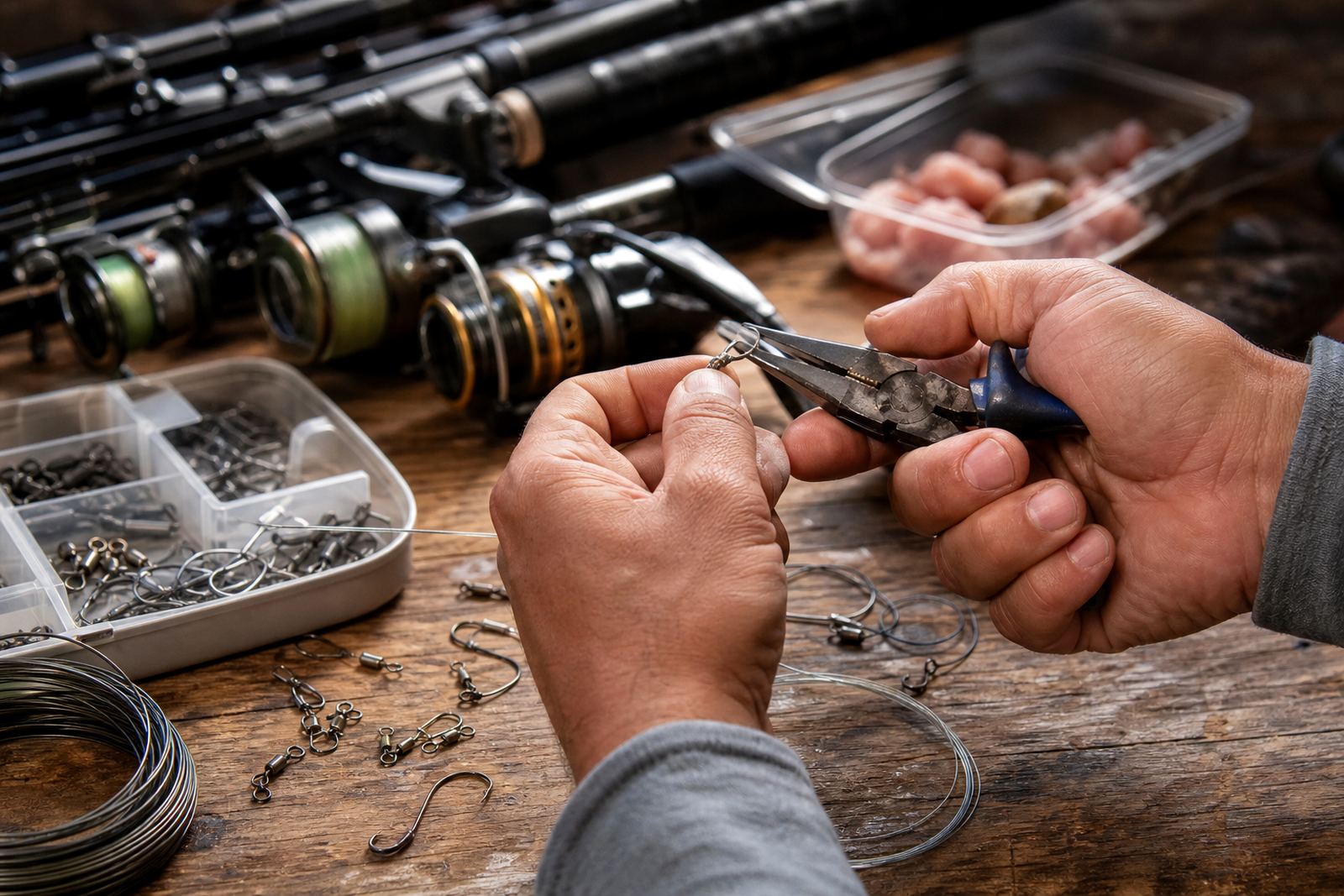
Trace making is not just about tying hooks onto nylon. It is about choosing the right length, hook size, swivel, leader strength and presentation for the species you are after. A good trace can improve bait movement, reduce tangles and give you better hook-ups in surf, rock, estuary and freshwater conditions.
We make traces for shore anglers, boat anglers and freshwater fishermen who need something ready to fish, or who want a specific setup for a trip. That includes traces for live bait, dead bait, snoek traces, sliding traces, bottom traces, fluorocarbon leaders and basic starter rigs. If you are fishing Durban beaches, estuaries around the KZN coast or inland waters near Pietermaritzburg and Johannesburg, the rig needs to suit the venue and the target fish.
- Single hook and two-hook traces
- Wire, nylon and fluorocarbon options
- Sliding and fixed trace styles
- Hooks sized for smaller baitfish through to larger target species
What We Include in a Custom Trace
Each trace is assembled with fishing conditions in mind, not just from a generic pattern. We can help with strength selection from lighter freshwater line right through to heavier coastal trace material used around reefs, surf zones and snaggy ground. If you fish in areas with abrasive sand, rocks or strong tidal run, we will usually recommend tougher components and shorter leaders where needed.
Our trace builds may include swivels, beads, crimps, snoods, hook snoods, sinker attachments, stopper knots and bait clips depending on the style you want. We also make sure the finished trace is practical to store and use. That means neat knots, correct spacing and a layout that works with the rod and reel you are using. For anglers who fish often, we can make several traces in one visit so you are ready for the next trip.
- Hook size matched to bait type and species
- Leader and main trace material selected for conditions
- Swivel and clip placement to reduce twist
- Neat tag ends and checked knot security
How the Trace Making Process Works
Bring in the details of what you fish for, where you fish and what bait you prefer. If you are unsure, we will ask a few practical questions about rod length, reel size, line class, sinker weight and whether you are fishing from the shore, rocks, estuary or a dam. That helps us avoid overcomplicating the rig and keeps the setup usable on the water.
Once we know the target, we select the materials and build the trace to suit. We can also copy a working rig if you bring in an old one that needs replacing or adjusting. For anglers who want a repeat setup, we can make traces in batches so they are ready for club use, family outings or regular weekend trips. Small tweaks make a big difference, especially when the fish are finicky and the current is running hard.
- Step 1: discuss species, venue and bait
- Step 2: choose line strength, hook type and trace length
- Step 3: build, test and tidy the rig
- Step 4: explain how to clip up, bait and store it
Turnaround Times for Single Rigs and Bulk Orders
Simple traces can often be done quickly in store, while more detailed rigs may take a little longer depending on the components needed and how many traces you want made. If you are preparing for a trip, let us know early so we can plan the work and keep everything ready before you head out. During busy periods, especially before holidays and long weekends, it helps to place your order ahead of time.
We also handle bulk club orders and family batches for anglers who want several of the same trace. That is useful for fishing competitions, charter packs or seasonal trips along the coast. If you need the same setup repeated, we keep the specifications on record so the next order is quicker. Turnaround depends on quantity and complexity, but the aim is always practical and on time.
- Single trace builds for quick trips
- Batch making for clubs and groups
- Repeat orders for consistent setups
- Rush requests handled where possible
Pricing That Depends on Materials and Rig Type
Trace making is priced according to the materials used, the number of hooks, the trace style and whether any specialist components are needed. A basic freshwater or light coastal rig will cost less than a heavy-duty surf trace with stronger hardware and extra fittings. We keep pricing straightforward, so you know what you are paying for before we start.
If you are fishing on a budget, we can suggest a practical build that still does the job. If you want a more specific setup for larger species or tougher water, we will build it accordingly. Prices can also change if you need repeated traces for regular use, since volume may reduce the per-trace cost. The main thing is to match the rig to the fishing, not overspend on parts you do not need.
- Cost depends on trace length and components
- Simple rigs are more affordable
- Specialist traces use heavier or more technical materials
- Bulk orders can be quoted per batch
Keeping Traces Ready Between Trips
Good trace maintenance saves money and time. After a fishing trip, especially in saltwater, rinse traces in fresh water where possible and let them dry properly before storing them. Coastal humidity around Durban, Ballito and the South Coast can affect hooks, swivels and clips, so it helps to keep spare traces dry and packed away from damp tackle boxes. If a trace shows kinks, frayed line or rust on the hooks, it is better to replace it before the next session.
As a general guide, check your traces before every trip and replace working rigs more often if you fish rocky ground, big fish or abrasive surf. If you fish weekly, some traces may need refreshing every few outings. For lighter freshwater use, the interval can be longer, but a quick inspection still matters. We can also advise on how many spare traces to carry so you are not caught short when load shedding or travel delays affect your prep time.
- Rinse after saltwater use
- Dry before storing in sealed tackle boxes
- Inspect knots, hooks and swivels before every outing
- Replace worn traces sooner in rough or rocky water
Key facts
| Service area | Durban, Springfield Park, Umhlanga, Ballito, Pietermaritzburg, Johannesburg, Cape Town, Gqeberha and East London |
|---|---|
| Trace types | Single hook, double hook, sliding, fixed, bottom, live bait, dead bait and bait clip rigs |
| Materials | Nylon, fluorocarbon, wire, swivels, clips, beads, crimps and leader components |
| Typical use | Surf, rock, estuary, boat and freshwater fishing |
| Turnaround | Simple traces often same day, larger batches by arrangement |
| Pricing approach | Quoted by rig type, materials used and order quantity |
| Maintenance guide | Check before each trip and replace worn traces after repeated saltwater or snaggy use |