What changes when you fish from rocks
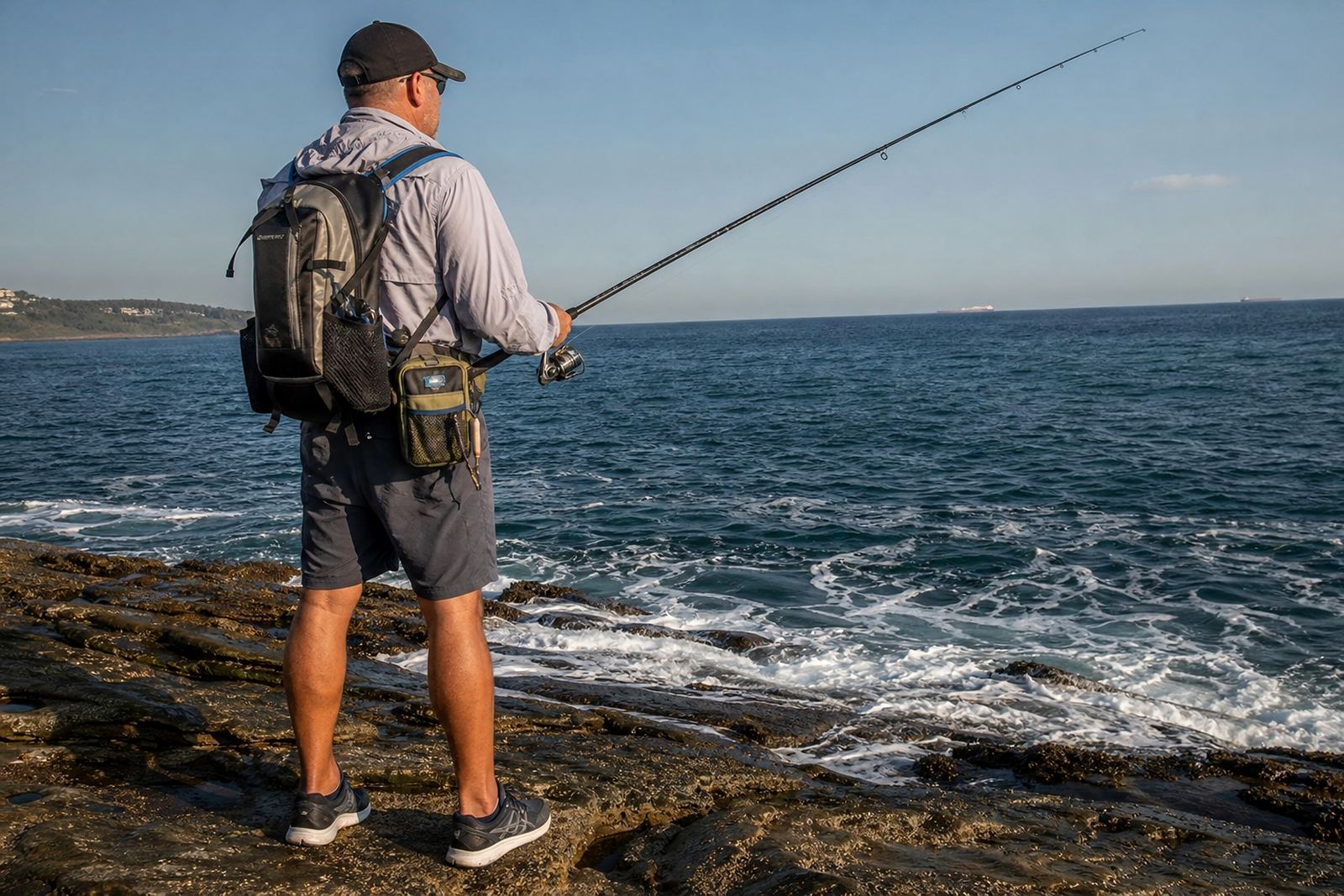
Rock angling is different from casting off a beach or fishing from a boat. You are often working close to reef, gullies, kelp and current seams, so the line has to cope with abrasion and the rod must keep control when a good fish turns back into cover. In Durban, Cape Town, Gqeberha and East London, conditions can change fast with tide, swell and wind direction, so the right setup is less about fancy extras and more about control, strength and good balance.
For most anglers, the first mistake is bringing soft beach tackle to a rock ledge. Light rods and thin hooks can work for smaller species, but once you are dealing with harsher structure and stronger tides, you need stronger traces, sensible sinker choices and a reel that lays line evenly. That saves time and money because you lose less tackle and spend more of the day actually fishing.
A practical rock angling setup that covers most trips
A solid rock angling kit normally starts with a medium heavy to heavy rod in the 10 ft to 12 ft range, matched to a reel that can hold enough line for long casts and hard runs. Spinning reels are common for general use, while some anglers prefer larger fixed spool reels for control in wind. Line choice usually comes down to braid with a leader, or strong monofilament where extra stretch is wanted. The final choice depends on target species, swell size and how much structure is under your feet.
- Rod, 10 ft to 12 ft for most ledges and points
- Reel with smooth drag and salt resistant construction
- Main line, braid or monofilament with abrasion resistant leader
- Hooks suited to the bait size and target fish
- Sinker selection for current, wash and holding bottom
- Trace materials, swivels, clips and spare leaders
- Landing tools, gloves and a sturdy bait knife
For bait, anglers often mix fresh and durable options, depending on what is available and how far they need to cast. Sardine, mullet, chokka, crayfish bait and firm strip baits all have their place. A bait that stays on the hook in surf and side wash is often worth more than one that smells strong but tears off after the first cast.
Layout and planning for the ledge, point or reef edge
Good rock angling starts before the first cast. Check your entry and exit route, where the wash is breaking, and where the slippery sections are likely to be. On the KZN coast, a safe route can change with the tide, especially around algae covered rock and low reefs. In the Western Cape and Eastern Cape, swell periods matter too, because a calm looking ledge can still get a hard surge every few minutes.
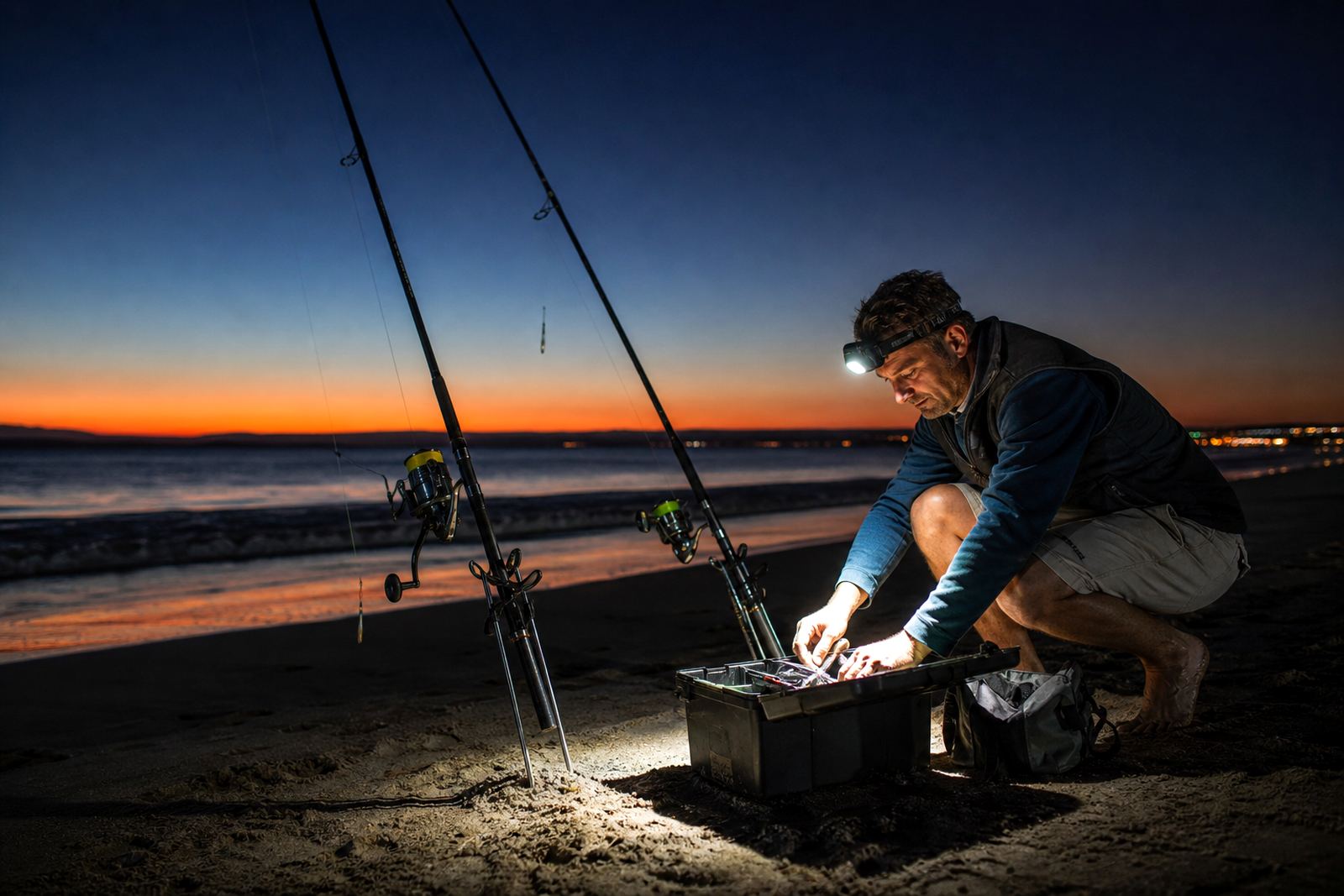
Set up with enough space behind you for casting and checking bait, and keep your tackle box, bait tray and landing gear where you can reach them without stepping back too far. If you are fishing with friends, spread out slightly so one angler is not crossing another angler’s line during a fish run. It sounds simple, but it saves a lot of lost fish and tangled rigs.
- Arrive early enough to read the water in daylight
- Mark safe footing spots before the tide covers them
- Keep spare rigs pre tied for quick changes
- Use a bucket or tray to keep bait, traces and tools organised
- Fish with a plan for the tide change, not only the first hour
Common mistakes that cost fish and tackle
One common mistake is using too light a sinker in moving water. If the bait drifts into a crack or over a lip, you lose the presentation and often the whole rig. Another is leaving drag too tight, which can pull hooks out or snap line when a fish makes a short, strong run around a rock face. A drag that is set with care makes a big difference, especially when the water is rough and the fish has a chance to use the structure.
Anglers also underestimate leader wear. Even a small nick from rock, shell or rough reef can weaken the line enough to fail later in the fight. Check the last metre often, and replace it when it feels rough. It is a small habit, but it saves a lot of frustration and a fair bit of money too.
Another issue is carrying too much kit. On rock, less clutter is better. You want what you need, but not so much that you trip while carrying a rod and a live bait bucket. A tidy setup is safer and quicker, especially when the wind picks up or the fish start feeding at the wrong side of the gully.
Budget ranges for a sensible rock angling kit
Rock angling budgets can start fairly modestly and climb fast if you are chasing bigger species or fishing often. A basic starter setup for coastal fishing can be built from around R1,800 to R3,500, depending on the rod, reel and line choice. That level suits anglers who want a dependable kit for smaller to medium fish and weekend sessions.
A more capable mid range setup usually sits between R4,000 and R8,500. In that range you can expect a stronger rod, a smoother reel, better line capacity and more reliable traces and terminal tackle. For anglers fishing rocky points regularly, this is often the sweet spot because it gives enough strength without becoming over complicated.
For anglers who fish hard, target larger species or want backup gear for long trips, total spend can move past R9,000, especially once spare spools, trace materials, landing tools and servicing are included. It is usually better to buy a sound setup and maintain it properly than to replace cheaper tackle every season.
How we help rock anglers get set for local conditions
From Springfield Park in Durban, we help anglers from Durban, Umhlanga, Ballito, Pietermaritzburg, Johannesburg, Cape Town, Gqeberha and East London choose tackle that suits their fishing spots and budget. That includes rod and reel matching, line spooling, drag tuning, trace making, starter setup and trip gear checks before a weekend away. We also handle reel servicing and repairs, because salt, sand and coastal humidity can wear a reel down quickly if it is not cleaned and checked.
If you are unsure what to buy for rock angling, it helps to start with the fish you want, the places you fish and how often you go out. A once a month angler does not need the same setup as someone fishing every spare weekend. The right advice keeps the kit practical, and it keeps you from spending on parts that do not suit your style.
We also help with bulk club orders for teams and fishing groups who need matched traces, bait prep advice and gear checks before competitions or social trips. That way the group leaves with a common plan, less last minute stress and fewer missing items on the rocks.