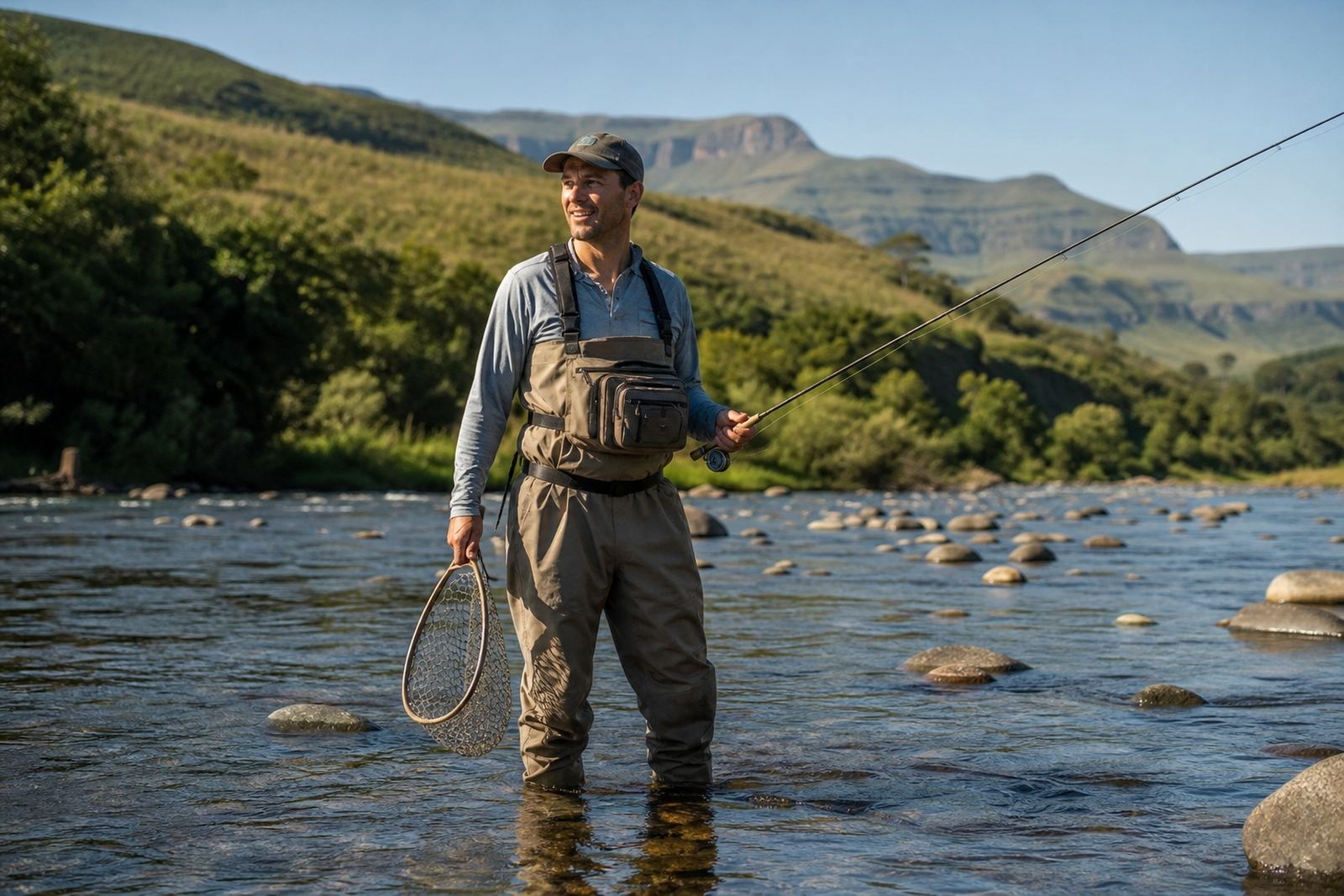
When the river is up, down or running dirty
River fishing in South Africa often means reading water before you even cast. On the Vaal, Breede, Orange, Tugela or smaller local systems around KZN, conditions can change after rain, dam releases or a cold front. That affects where fish hold, how far you need to cast, and how heavy your rig should be.
For many anglers the best river session starts with a simple question: is the water clear enough for finesse, or coloured enough for a stronger presence? In clear water, lighter line and smaller hooks usually work better. In dirty water or faster flow, a more visible bait presentation and a rig that stays put can save time and lost tackle. It is not about overloading the gear, it is about keeping contact with your bait and controlling the drift.
We often see anglers arrive with surf gear and expect it to do the same job. It can work in a pinch, but river fishing is usually better with lighter rods, smoother reels and terminal tackle built for current not surf. The goal is to place the bait where fish are feeding, not fight the river every cast.
The river tackle set most anglers actually use
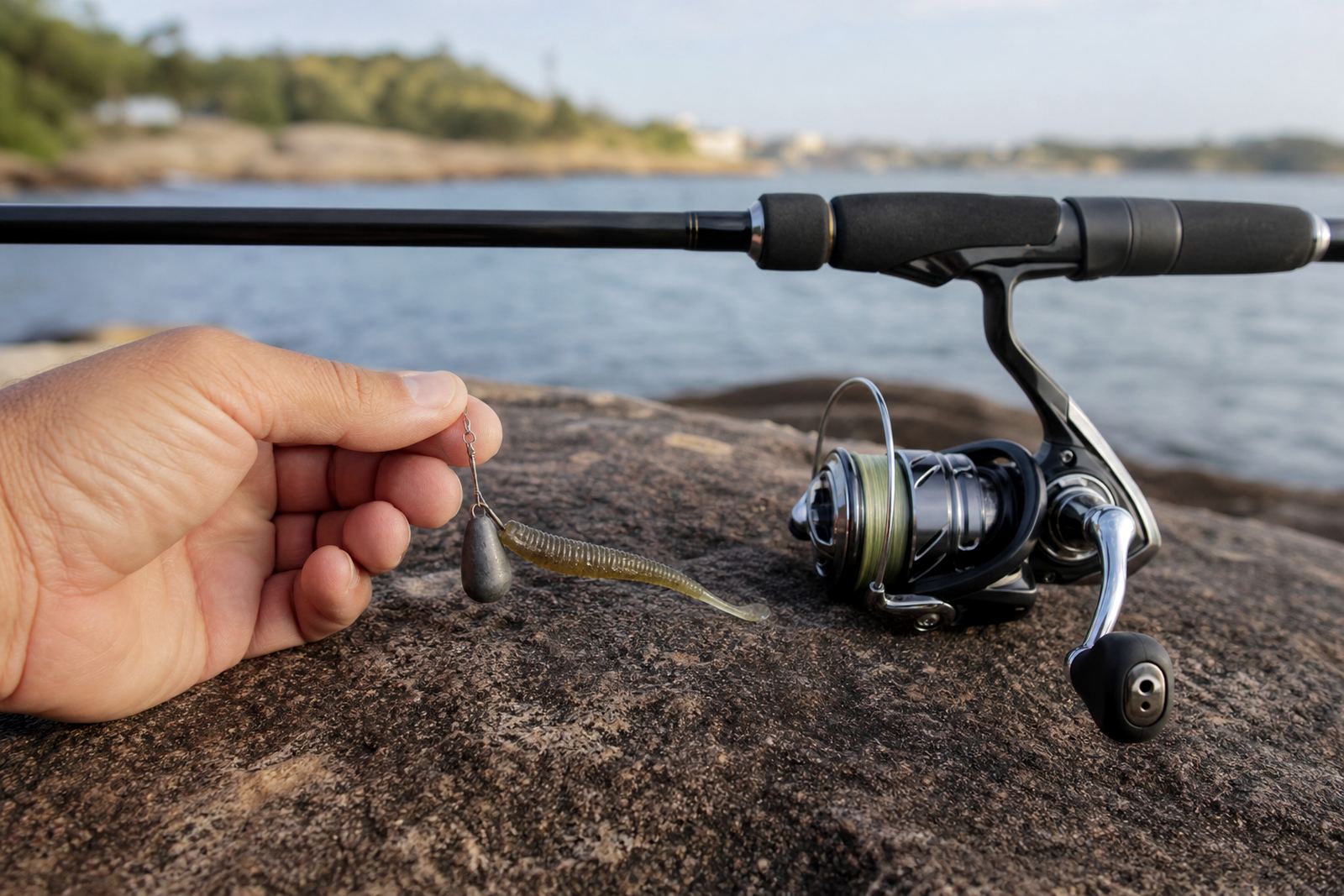
A practical river setup does not need to be complicated. A medium-light to medium rod around 7 to 10 feet is common for accurate casting and better bite feel. Pair it with a reel that lays line evenly and has a smooth drag, especially if you are fishing current seams or under overhanging trees where a fish can surge into cover.
Line choice depends on the target species and the water. Monofilament is forgiving and easy for beginners, while braid gives better feel and hook-setting at longer range. Many anglers use a leader section to handle abrasion near rocks, reed beds and timber. If the river has lots of snags, thicker trace material and strong knots matter more than fancy extras.
- Rods: 7 to 10 foot, depending on bank access and casting room
- Reels: smooth drag, enough line capacity for runs in current
- Line: mono for easy handling, braid for feel, plus a tougher leader
- Hooks and swivels: matched to bait size and target species
- Sinker options: enough weight to hold bottom without dragging hard
- Net, pliers and a compact tackle pouch for quick changes
If you are fishing from a steep bank or in thick grass, a shorter rod can be easier to manage. For open banks and longer casts, a longer blank helps with line control and setting hooks cleanly.
How to build a river rig for current and structure
River rigs should keep the bait in the strike zone while still feeling natural. A sliding sinker setup is common because it lets the fish pick up bait with less resistance. In slower water, a lighter sinker and longer hook trace can give a better presentation. In stronger flow, you may need to shorten the trace and increase sinker weight so the rig does not roll away.
Edges are often more productive than the middle. Fish hold near drop-offs, submerged logs, slow eddies, weed lines and the inside bends where food collects. That means your rig should be planned around the bank layout before you cast. If the river is muddy from rain, fish often move to calmer pockets where they can feed with less effort.
- Place baits just off the main current when possible
- Adjust sinker weight until the rig holds without dragging
- Use abrasion-resistant trace near rocks, shells and timber
- Keep spare hooks and pre-tied traces in a small box
- Check knots after every snag or hard pull
For anglers fishing from awkward banks, a simple pre-tied trace system can save time. It also makes changes easier when the water speed shifts during the day.
Bait choices for flowing water and hungry fish
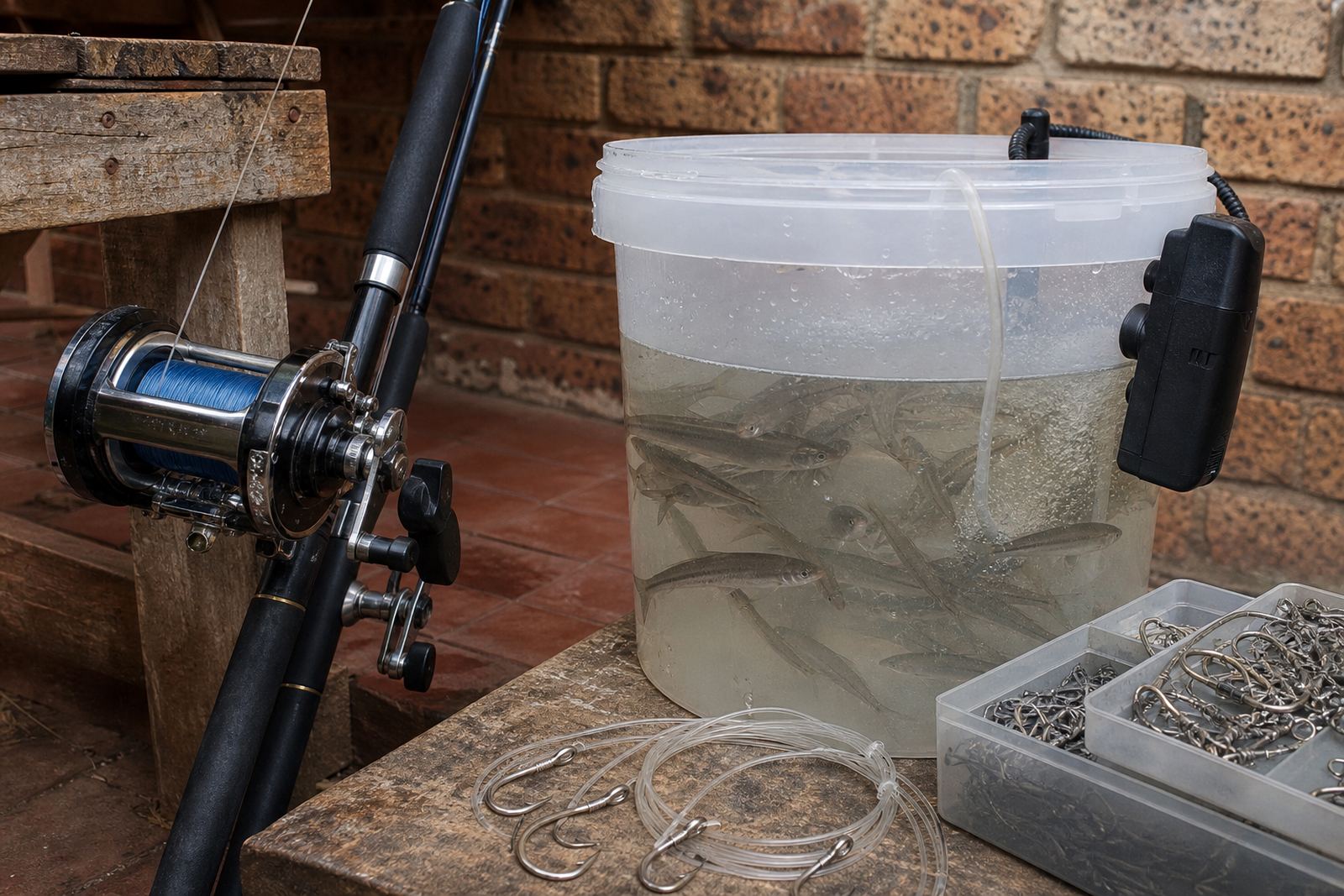
Bait is often the deciding factor on river days. Natural baits such as worms, dough mixes, maize, shrimp, small fish baits and prepared protein baits all have their place depending on the species and water conditions. In flowing water, scent can move through the current and help fish find your bait, but you still need a presentation that stays in place long enough for a take.
In Durban and surrounding coastal areas, anglers heading inland often underestimate how much bait prep matters. A bait that is too soft can wash off fast, especially in warm water and stronger current. That is where firmer mixes, bait cotton, or a smaller bait profile can help. If the water is cold, fish may feed more slowly, so a compact bait with good scent can outperform a large one.
We also see a lot of wasted sessions from overbaiting. Too much loose feed can pull fish away from your hook bait or keep smaller fish busy while the target species stay back. Start with a measured amount and build up only if the water and fish response show that it helps.
Common mistakes that cost fish and tackle
One of the biggest mistakes is fishing too heavy or too light for the river you are on. A sinker that is too light will roll and tangle. A rig that is too heavy can look unnatural and spook fish. Another problem is using blunt hooks or damaged line after a snag. River banks can be hard on gear, so small faults turn into lost fish quickly.
Beginners also often cast straight into the fastest water. Fish do use current, but they usually sit where food is delivered to them with less effort. Side channels, seams and sheltered pockets are often better than the main push of the river. Another common error is not checking water level changes through the day. If the flow picks up, your rig may need a heavier sinker and shorter trace. If the flow drops, you may need to go lighter.
- Do not fish with dull hooks or frayed line
- Do not ignore changed flow after rain or upstream releases
- Do not cast only into the fastest section of water
- Do not use the same rig for every river stretch
- Do not overpack gear you will not use on the bank
A clean tackle box and a few spare pre-tied traces often beat a bag full of random bits. Small preparation saves a lot of time once you are on the water.
What a river fishing budget looks like in Rand
River fishing can be done on a sensible budget, but the price changes with rod length, reel quality and how much spares you want to carry. A starter river setup with a decent rod, reel, line and basic terminal tackle often falls in the R1,200 to R2,500 range. That will suit many weekend anglers who want a practical setup without going too bare-bones.
A more refined kit with better drag, stronger line options, a wider range of sinkers, trace material and backup items can sit between R2,500 and R5,000. If you fish often, move between coastal and freshwater waters, or want a spare rig ready for club outings, that extra spend usually pays off in fewer failures and better feel on the bite.
For bait, budget around R100 to R300 for a simple day out, depending on what you use and how much prep you need. If you are planning longer sessions or club orders, it is worth setting aside extra for hooks, swivels, trace material and reel servicing. A well kept reel lasts longer and performs better in humid coastal conditions and dusty inland trips alike, especially with regular cleaning and line checks.