What family fishing usually looks like
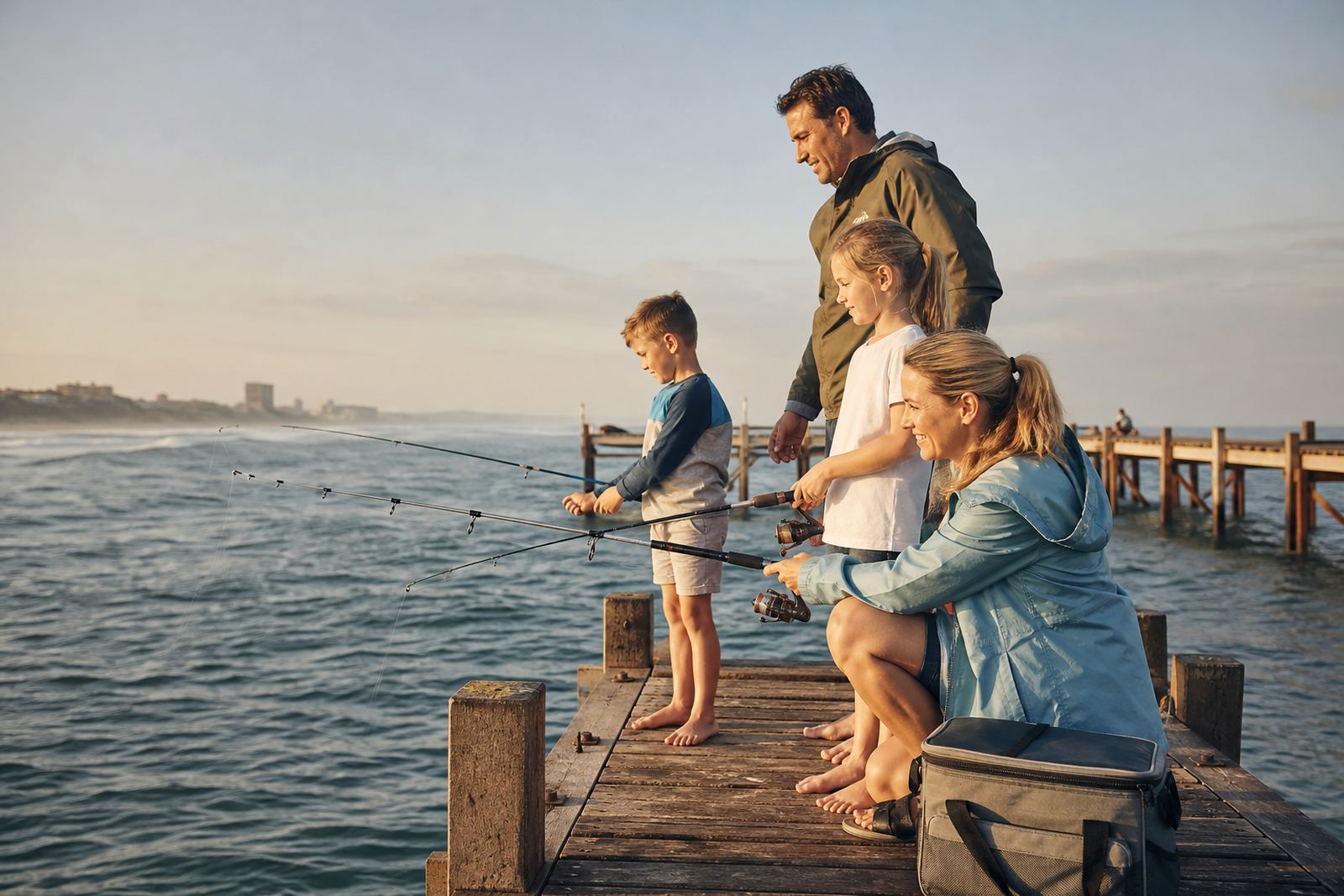
Family fishing is rarely about chasing trophy fish all day. It is more often a half-day at a local dam, harbour wall, pier or safe beach spot, with enough kit to keep children interested and the adults relaxed. In Durban, that might mean an early start before the wind picks up. In Gauteng, it could be a bank session at a quiet dam with easy access to the car. The aim is simple: fewer tangles, fewer heavy loads and more bites.
For family outings, we usually recommend gear that is forgiving and easy to learn on. That means rods with enough length to cast properly, reels that are not too stiff, and terminal tackle that is simple to rig. If the setup takes 20 minutes to explain, it is probably too complicated for a child’s first few trips.
Simple tackle that works for mixed ages
A good family kit should cover children, teens and adults without needing a separate crate for each person. Most families do well with two to four rods, depending on the vehicle space and the ages of the anglers. A shorter rod is often easier for younger children, while a slightly longer rod helps with casting from the beach or a harbour edge.
- Light spinning rods for small to medium fish and easy casting
- Basic fixed-spool reels with smooth drag for beginners
- Assorted hooks, sinkers, swivels and floats for quick rig changes
- Pre-tied traces for simple bait fishing
- Landing net, pliers, braid scissors and a bait box
For bait, families usually keep it practical. Mackerel strips, sardine, red bait, worms, sweetcorn and small prawns are common choices depending on the water and target species. In coastal areas like Durban, Umhlanga and Ballito, a mix of bait and a few lures helps when the fish are picky. For inland trips near Pietermaritzburg or Johannesburg, simple bottom rigs and float rigs are often the easiest place to start.
How to plan the kit so the day stays easy
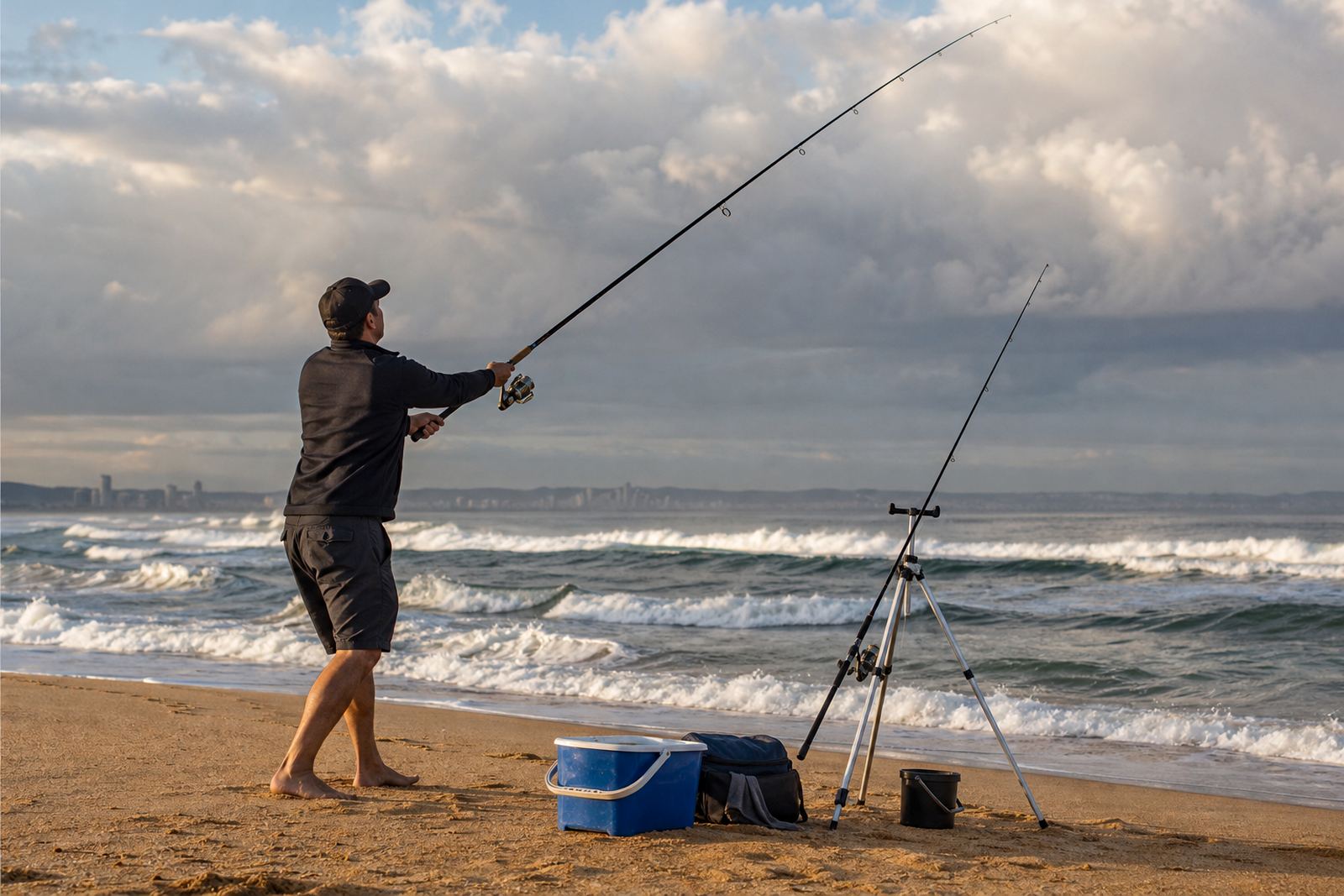
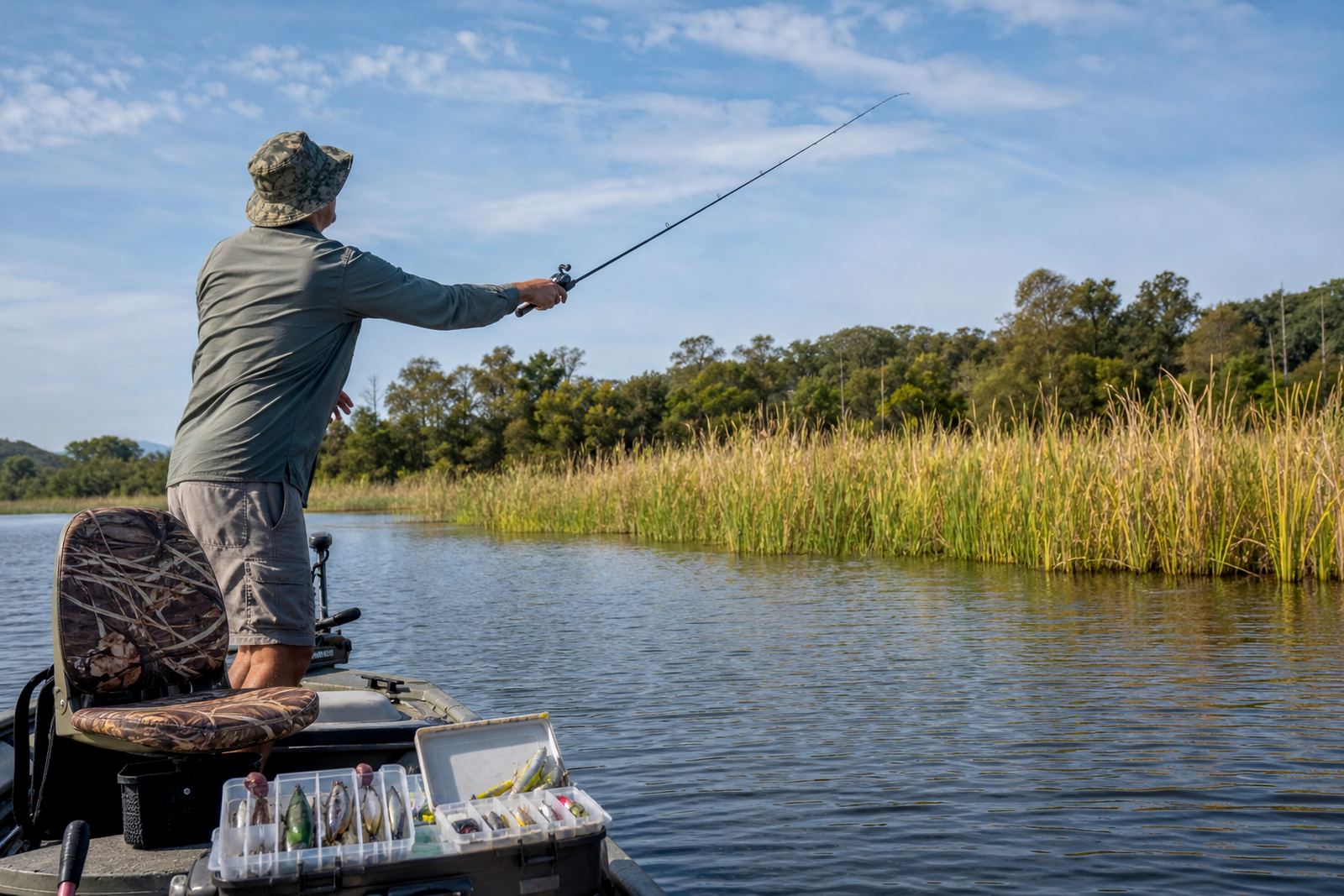
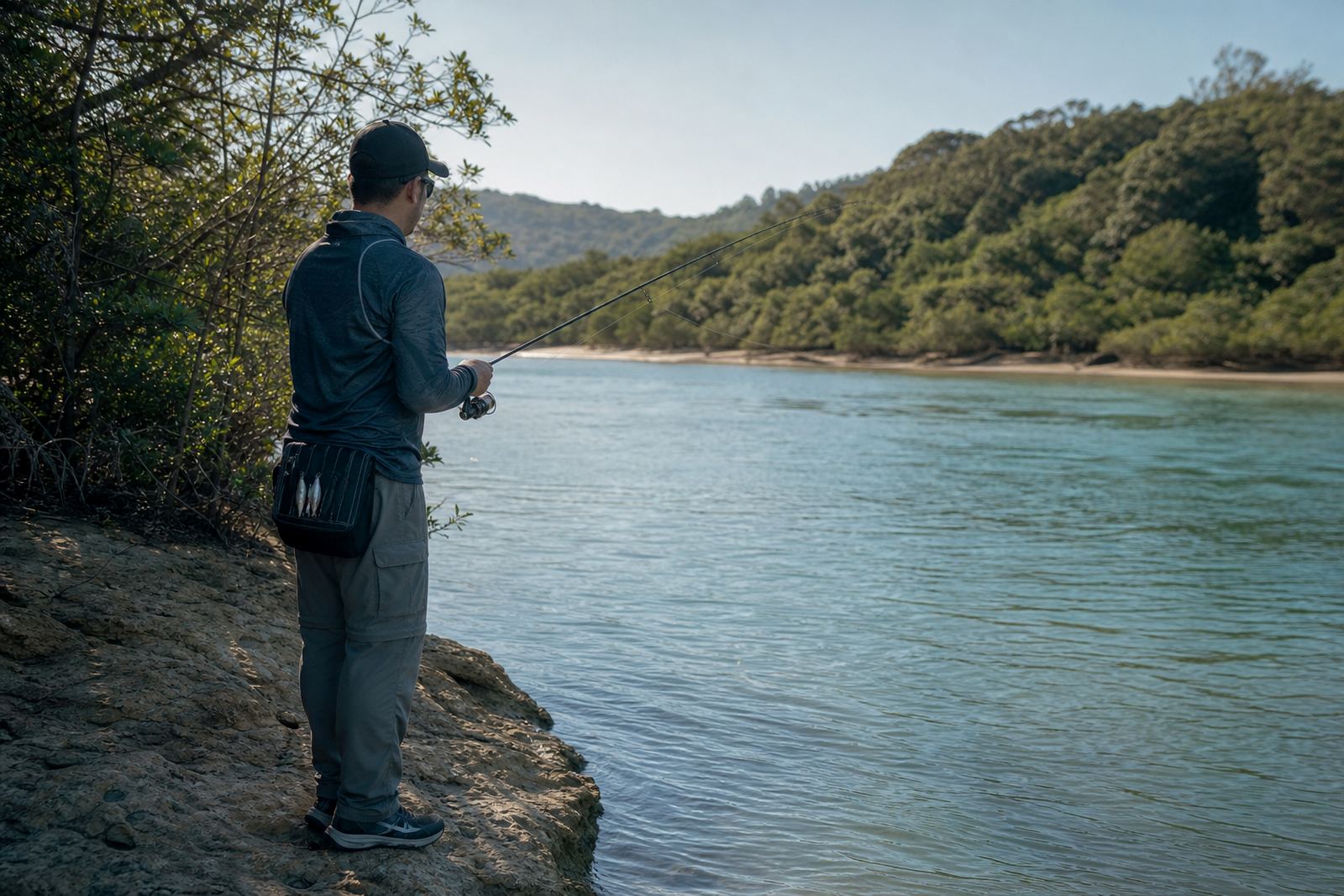
Good planning matters more than expensive gear. Start with the spot, the wind and the type of fish you want to target. If the family is fishing from a beach, think about sand spikes, longer rods and enough line to handle the surf. If you are fishing a dam bank, a compact carry bag, folding chairs and a cooler box may be enough. The trick is to pack for comfort without overloading the boot.
Children often lose interest when they are standing around waiting, so it helps to keep one rod ready for casting and another ready as a spare. Pack snacks, water, sunscreen and wet wipes too. At coastal spots, salt spray and humidity can rust hooks and stiffen reels quickly, so rinsing the gear after the trip makes a real difference. In hot inland weather, bait can spoil fast if it is left in the sun, so a small cooler is worth having.
- Keep rigs pre-made at home to save time on the bank
- Use simple knot choices that can be taught in one session
- Carry spare sinkers and hooks because family fishing often means snags
- Label the kids’ rods so they do not get mixed up
- Bring a towel and spare shirt, especially near rocky water
Common mistakes that spoil a family trip
The most common mistake is buying gear that is too heavy, too long or too technical for beginners. A reel with a stiff drag or a rod that is difficult to control can turn a day out into a frustration. Another issue is overpacking. If the group spends half the morning unpacking tackle boxes, searching for hooks and untangling line, the trip loses its fun before a bait goes in the water.
People also underestimate the conditions. On the KZN coast, wind and tide change quickly and a light setup can be knocked around. In inland waters, kids can get bored if they are waiting for a bite with no backup plan. Having a second rig, some basic floats and a few simple bait options keeps the day moving. It also helps to teach one or two safety rules at the start, especially around hooks, rocks and slippery banks.
Budget ranges for a practical family setup
A family fishing setup does not need to cost a fortune. A basic starter kit for one child and one adult can begin around R800 to R1 500 if you are keeping it simple. That might cover a budget rod and reel, a small tackle box, a few hooks, sinkers, line and bait essentials. If you want better reels, extra rods and a more comfortable carry setup, many families spend between R2 500 and R5 000.
For regular family outings, it is often better to buy decent mid-range gear once rather than replace cheap reels after a few trips. Families who fish both coastal and freshwater waters may want two setups, one for lighter freshwater work and one for beach or harbour use. That approach keeps each rod suited to the job and reduces breakages.
If you are unsure where to start, our team in Springfield Park can help you match the setup to the venue, age group and budget. We also help with line spooling, starter setup, trace making and trip gear checks, which can save time before a weekend outing.
What we recommend for first-time family anglers
First-time family anglers usually do best with gear that is forgiving, easy to clean and simple to store after the trip. A practical starter list often includes one or two medium-light rods, easy-turn reels, a compact tackle box, bait holders and a landing net. For younger children, short sessions are better than long ones, especially on windy days or when the sun is strong.
- Two-piece rods for easier transport in smaller cars
- Pre-packed terminal tackle for quick changes on the water
- Rod holders or sand spikes for hands-free waiting
- Soft bait buckets and a small cooler for cleanliness
- Basic repair items like spare tips and replacement guides
Families fishing from Durban to Cape Town and up to Gqeberha often face different conditions, but the same rule applies: keep it simple and keep it safe. If the gear is easy to use, the day feels less like a lesson and more like a proper outing. That is usually when the children start asking when the next trip is.