Why harbour fishing calls for a different setup
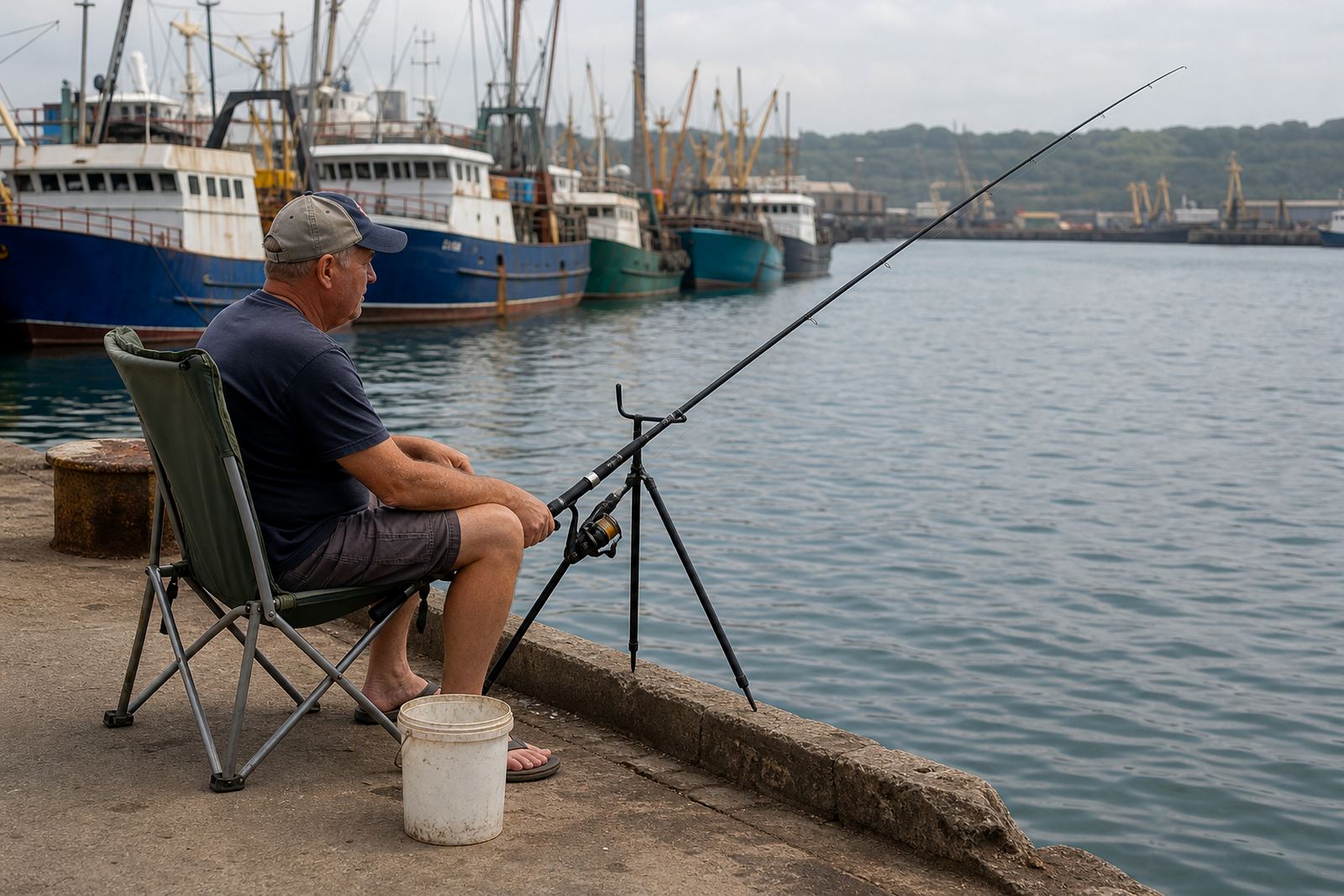
Harbours are not open surf marks. You are often fishing shorter casts, mixed depths and water that can turn from clear to dirty after wind or boat movement. That means your gear needs to be easy to handle, quick to reset and tough enough for concrete edges, pilings and the odd snag on rope or rubble.
In Durban especially, harbour fishing can mean early starts, changing tide windows and pressure from boats coming and going. A good setup gives you control when fish move through the channel or sit close to the wall. It also saves time when you only have an hour before work or a family outing, which is common for harbour anglers in SA.
Typical tackle for walls, jetties and slips
For most harbour work, a medium to medium-heavy rod is the starting point. A 7 to 9 foot rod gives enough reach for walls and jetties without becoming awkward in a busy area. Match it with a reel that lays line cleanly and has a smooth drag, because harbour fish can surge hard around structure.
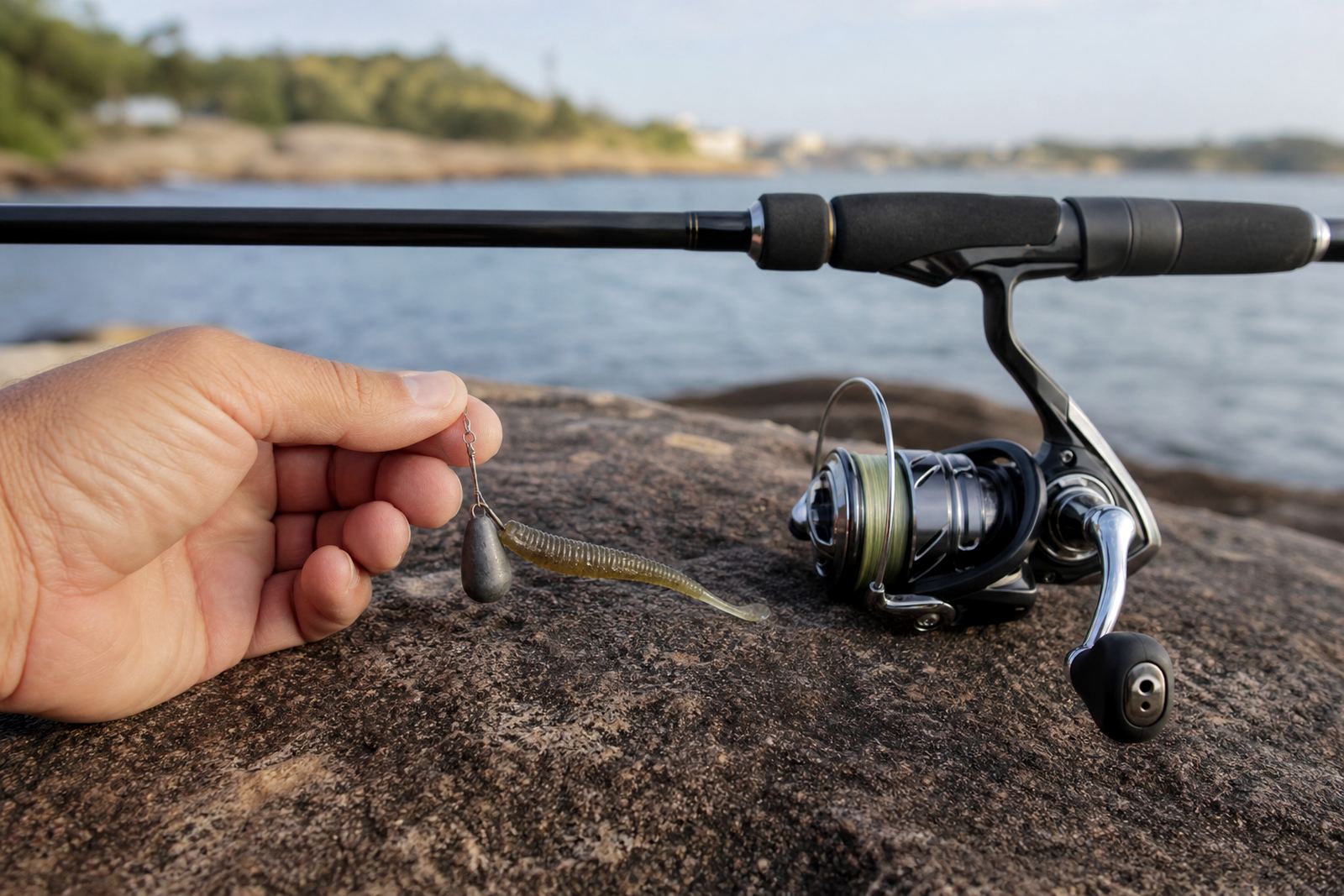
Line choice depends on the target fish and water clarity. Braided main line helps with sensitivity and bite detection, while a fluorocarbon or mono leader gives abrasion resistance around rocks and pylons. For bait fishing, a simple sliding trace or small paternoster rig is often enough. For lures, a light to medium spinning outfit works well when fish are feeding near the surface or along the edge of current.
- 7 to 9 foot rod for better control in tight spaces
- Reel with reliable drag and easy line lay
- Braided main line for feel, plus abrasion-resistant leader
- Hooks, swivels, sinkers and traces suited to the target species
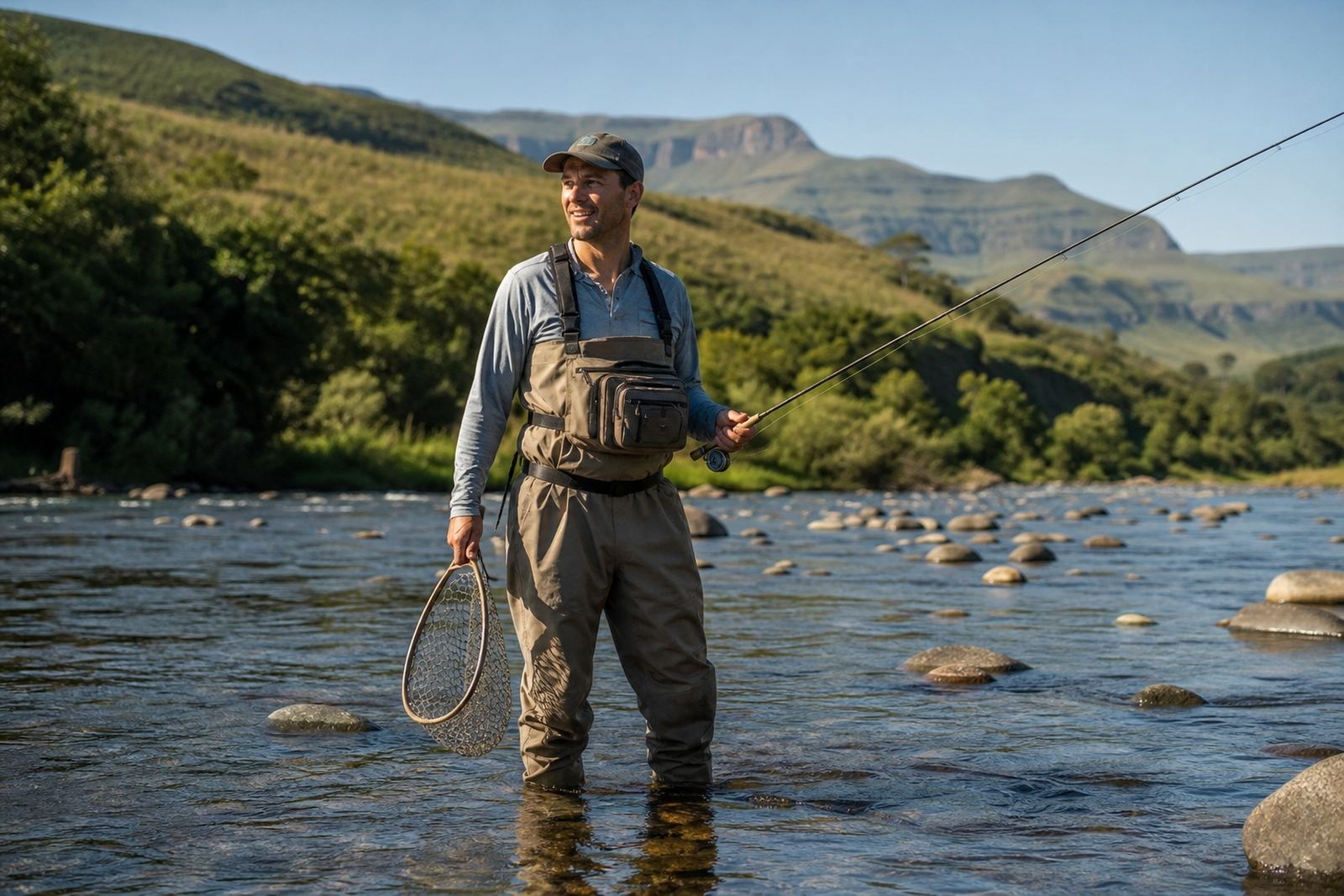
- Bait bucket, pliers, line cutters and a small landing net
How to plan your harbour session properly
Good harbour fishing starts before you leave home. Check the tide, wind and expected boat traffic, then choose a mark that matches the water level. On some walls the fish feed better as the tide drops, while on slips and basin edges a rising tide can pull bait into the strike zone. If you are fishing after work, plan for a short window and keep your rig simple.
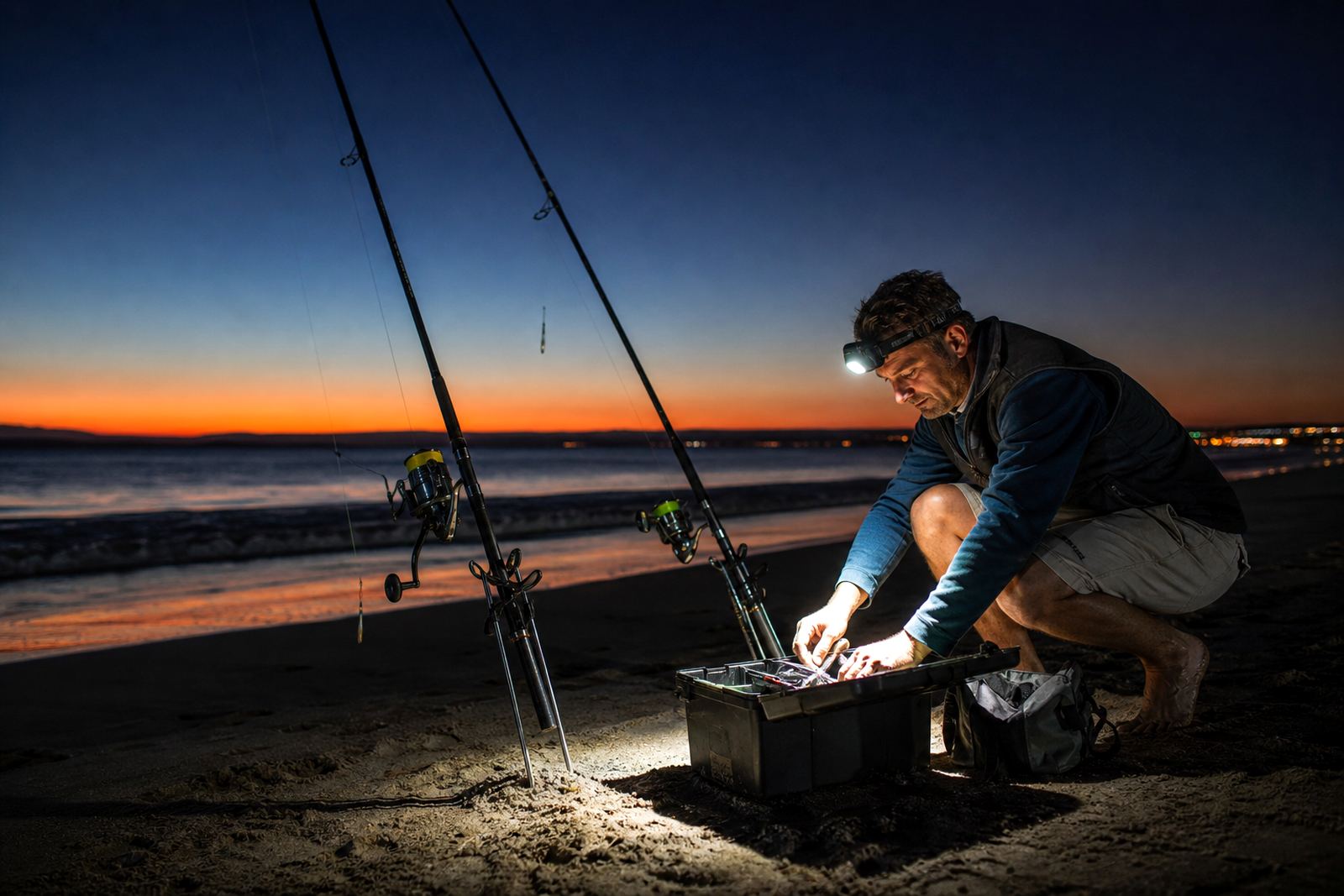
It also pays to think about the small things. Carry enough bait for the first hour, a spare leader, and an extra sinker or two. Keep your gear in order so you can change rigs quickly if the current picks up. In load-shedding areas, charge your reel-servicing light, phone and small headlamp before you leave home, because harbour work often starts before sunrise or carries on after dark.
- Match the tide to the wall, slip or jetty you are using
- Bring only the tackle you will actually use
- Keep one spare rig ready in a tackle box
- Pack a torch or headlamp for early and late sessions
Common mistakes that waste time and tackle
The biggest harbour mistake is fishing too heavy or too light for the structure. Heavy sinkers can pin your bait dead, while light gear may not hold bottom when the current runs. Another problem is using a leader that is too short or too thin, which leads to cut-offs against concrete and rusted edges.
Anglers also lose time by taking the wrong bait for the conditions. If the water is clear, a neat presentation matters. If it is coloured after rain or boat wash, scent and movement become more important. Many beginners also forget that harbour fish can be cautious. A noisy drop, too much line slack or moving around the wall too much can put fish off.
One more issue is ignoring local rules and access points. Some harbour areas have restricted zones, shipping lanes or municipal rules on where you may stand. It is worth checking before you cast, rather than being moved on after you have set up.
Budget ranges for a harbour fishing kit
You do not need to spend a fortune to start harbour fishing, but a very cheap setup often costs more in breakages and frustration. A basic harbour kit for bait fishing can start around R1 200 to R2 500 if you are buying the main rod, reel, line and a few terminal tackle items. That is usually enough for casual sessions from safe, sheltered spots.
A more serious setup with a better reel, stronger rod and a fuller selection of traces, leaders and accessories often sits between R2 500 and R6 500. If you want a second outfit for lure work or heavier current, the total can go higher depending on the line type, reel size and whether you need spare spools or servicing.
- Starter bait setup: about R1 200 to R2 500
- Better all-round harbour kit: about R2 500 to R6 500
- Extra lure outfit or upgrade parts: budget separately as needed
- Keep a small amount aside for bait, hooks and replacement leaders
What we help harbour anglers with
Our Springfield Park team supplies tackle for harbour fishing across Durban, Johannesburg orders, Cape Town orders, Gqeberha and East London. We can help you choose the right rod and reel pairing, set up a simple rig, and sort out line spooling, drag tuning or a rod guide repair before your next session. If your reel has been sitting through coastal humidity, it is worth getting it checked before the line starts to slip or the handle becomes stiff.
We also help with bait prep advice, trace making and starter setups for anglers who are new to harbour work. If you are planning a club outing or a family day at the water, we can put together bulk orders for hooks, sinkers, swivels and bait-related consumables. You can reach us through the enquiry form on our contact page and we will help you work out what suits your target species and budget.