Why winter surf changes the way fish feed
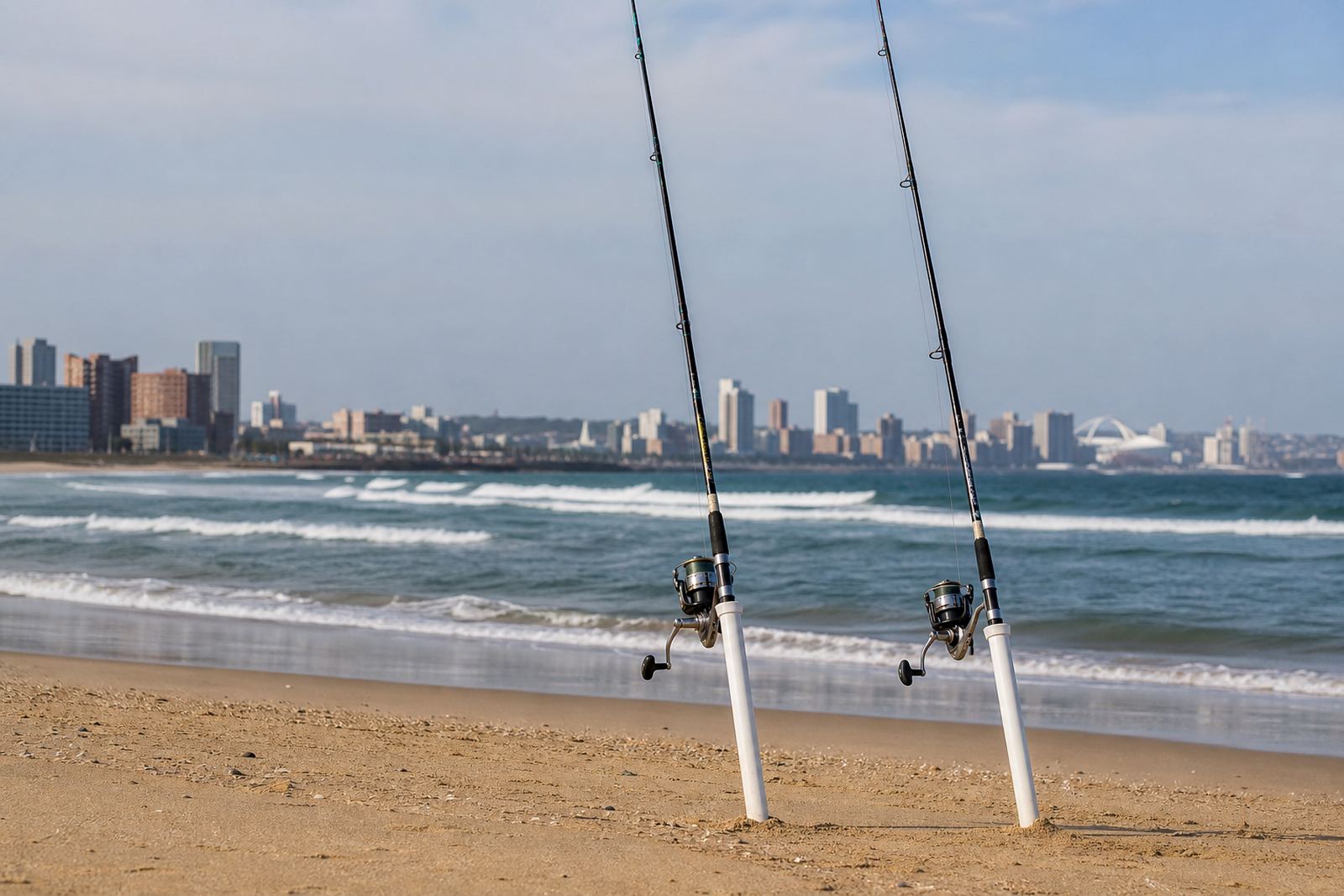
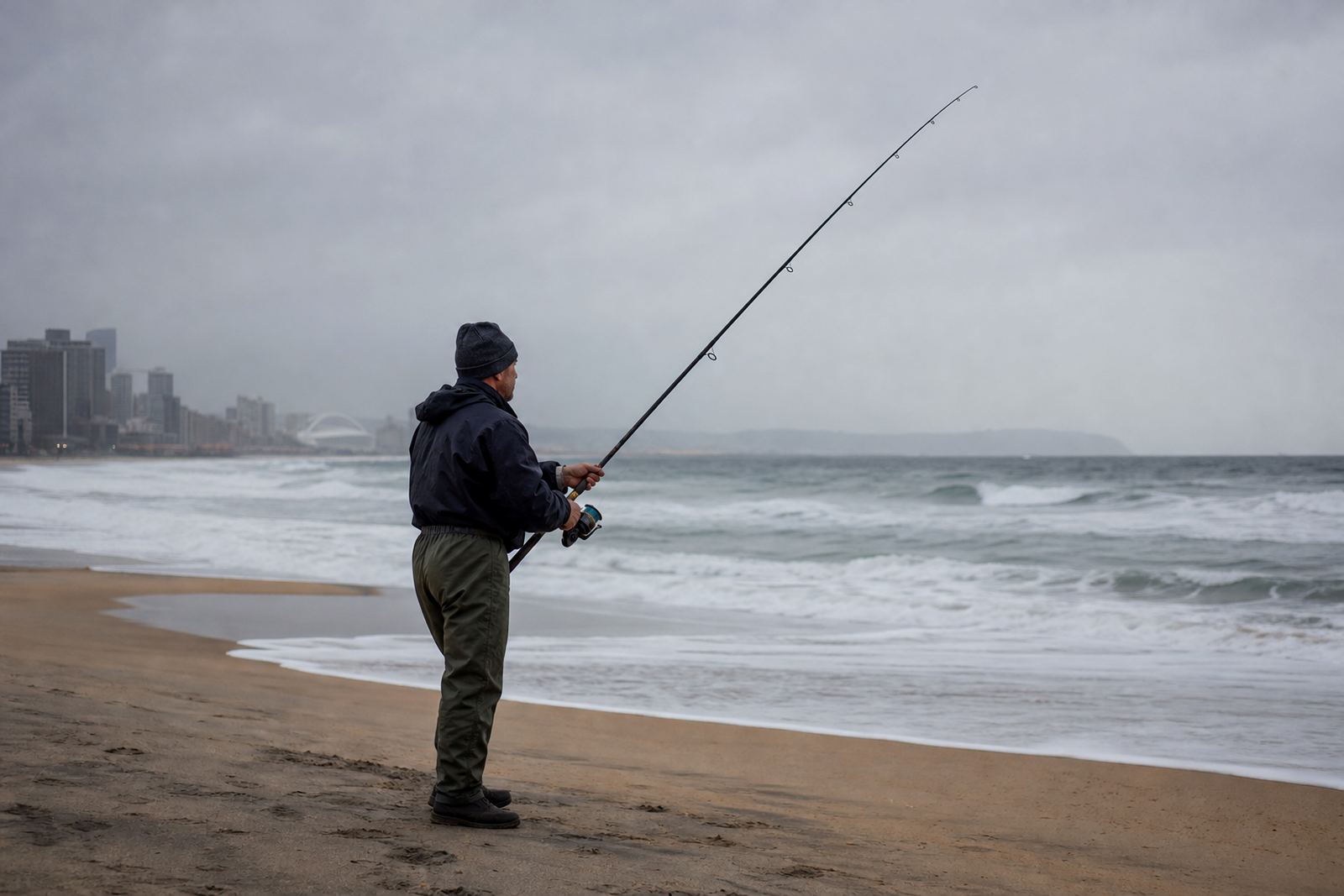
Winter along the South African coast brings colder mornings, stronger south-westerly winds and rougher surf on many beaches. For anglers, that changes how fish move and how they feed. In colder water, bites can come slower and fish often hold a bit deeper or closer to the pressure lines where food gets washed through. If you are used to summer fishing, winter can feel quiet at first, but the fish are still there. You just need to slow your thinking down and fish with more purpose.
On the KZN coast, especially around Durban and Ballito, winter swells can clean up some beaches while making others tricky to hold a bait in place. In Cape Town and Gqeberha, cold fronts can push strong wind and dirty water into the surf zone. That is why one rig that worked in March may not be the best choice in July. A simple winter setup with a strong trace, a reliable sinker and bait that stays on the hook for longer usually does better than a light, fast summer rig.
Choose a bait that stays hard in rough water
Cold mornings and choppy water can strip soft bait quickly, so the goal is to use bait that holds shape and keeps scent in the water. Winter is a good time to fish tougher baits, especially when you are expecting long casts and repeated wash over your trace. If the sea is dirty, scent matters more than presentation and that means your bait must stay on the hook well enough to do its job.
- Use firmer bait strips or whole baits when the surf is heavy.
- Bind softer bait with bait cotton so it does not wash off on the first cast.
- Keep bait cool and out of direct sun or wind so it does not soften too fast.
- Carry a small bait tray or cooler bag for longer sessions on the bricks or beach.
At our Durban store in Springfield Park, we often see anglers underestimate how much bait is lost to current and wash in winter. A bait that looks generous in the car park can be gone in two casts if it is not secured properly. That is why bait prep matters just as much as the rod you are using.
Match sinker weight to the surf, not the calendar
Winter is not the time to save weight on your sinker if the sea is pushing hard. A sinker that holds bottom gives your bait a better chance of staying in the feeding zone instead of tumbling back into the wash. Start by watching the line angle. If your line bows too much or drags sideways every few seconds, the sinker is probably too light for the conditions.
On a calmer winter morning, a medium sinker may be enough on a beach with a clean gutter. But when the surf is running and the current is pulling, a heavier hold is often the smarter choice. That said, do not go too heavy without reason. If you are fishing softer sand or a mixed bottom with weed and reef, too much weight can bury the sinker and make the rig awkward to move. It is better to feel the bottom and adjust than to guess.
- Check your sinker holds bottom for at least a few minutes before recasting.
- Move one size up if your line keeps walking down the beach.
- Use enough weight to hold, but not so much that your rod loads badly on the cast.
- Carry a few different sinker types for sand, reef edge and river mouth fishing.
Set your trace for slower bites and more pressure
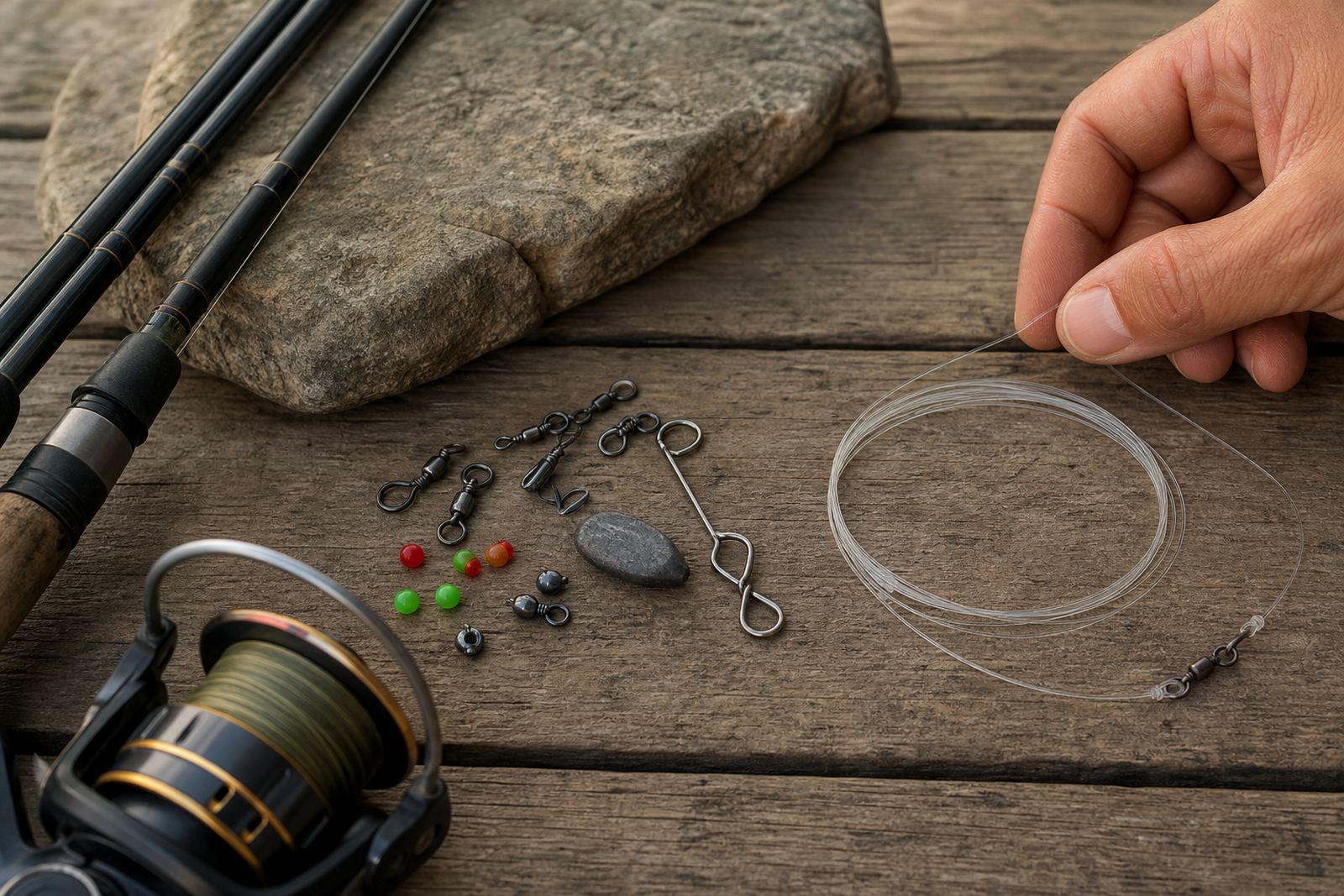
Winter surf fishing often rewards simple traces that keep the bait steady and reduce tangles. If the fish are feeding cautiously, a clean rig can make the difference between a tap and a proper hookup. Keep your leader in good condition, check knots before every session and replace any section that looks scuffed from rocks or shell beds. A small nick in the line can cost you a fish when the water is cold and the fight is slower.
Our team sees a lot of winter gear failures that could have been avoided with a quick check before launch. Jason Petersen, our rod and reel technician, often points out that drag problems show up more in winter because anglers are fighting heavier fish in rougher water. If your drag is sticking or your reel feels rough, sort it out before the trip. A smooth drag helps keep tension on the fish without snapping the trace when a wave surges.
For anglers building their own rigs, this is also the time to keep traces simple. Fewer weak points mean less hassle when your hands are cold and wet. If you need help with trace making, drag tuning or line spooling, it helps to get the tackle right before you leave home, not while the wind is already pushing sand into everything.
Fish the first and last hour with more patience
Winter mornings can be cold enough to make anglers rush their first casts. That is usually a mistake. The first hour should be used to read the water, spot gutters, and look for colour changes or bird activity. If you fish Durban beaches through winter, you will often find that the best bite window is not about the clock alone. It is about tide movement, light levels and how the swell is sitting against the beach.
Try to stay in one area long enough to work a proper plan. Cast, wait, then adjust your angle slightly if there is no sign of fish. Many anglers change spots too quickly in winter and never give the fish time to find the bait. A good local example is a cold, windy morning between Umhlanga and Ballito where the surf is rough but the gullies are defined. If you fish the same gutter carefully for 30 to 40 minutes, you may do better than moving every ten minutes.
- Arrive early enough to rig in calm light before the wind builds.
- Watch the water for foam lines and deeper channels.
- Work each likely spot before moving on.
- Keep spare rigs ready so you do not waste the best part of the bite.
Protect your gear from cold, spray and sand
Winter surf conditions can be hard on tackle. Salt spray dries on reels, sand gets into guides and wet hands make everything slip. After every trip, rinse gear properly and dry it before storage. This is especially important for anglers fishing the coast from Durban to East London, where sea air and humidity can corrode fittings quickly if tackle is left wet in the boot.
Reel servicing and line checks are worth doing before the season gets serious. If your line has memory from sitting on the spool for months, it can affect casting in cold air. If your rod tip or guides are chipped, the problem only gets worse under pressure. A quick repair now is easier than losing a fish later. Even a simple line spool refresh can make winter casting smoother and reduce the chance of wind knots and line slap.
At Catches in Springfield Park, we often help anglers get their kit ready for winter sessions, whether they are heading to the Durban beach front, fishing a quieter stretch near Pietermaritzburg dams, or sending tackle to Johannesburg for a freshwater trip. The right setup should match the day, not just the season.