Start by reading the beach from the car park
Before you tie on a trace, spend a few minutes looking at the water from a high point. A good surf gutter often shows as a darker strip where the water is deeper, with waves breaking on either side. The sandbank may be shallow and white, while the gutter stays smoother and greener. On low light mornings in Durban or after a south-westerly blow, these signs stand out even better.
Do not rush straight to the first open patch of water. Fish use the gutter to move with less effort, and bait fish do the same. If you can find where the wave line drops off, where foam runs through the same channel, and where birds are working, you already have a better starting point than most anglers on the beach.
- Look for darker water between two breaking banks.
- Watch where whitewater funnels into one line.
- Note any rip currents, they often mark a deeper lane.
- Check how the gutter changes with the tide, not just at one moment.
Know the difference between a gutter, a bank and a rip
A surf gutter is the deeper trough. A bank is the raised sand ridge that makes the wave stand and break. A rip is the moving water that drains back out to sea. All three work together, and if you mistake one for the other you can end up fishing the wrong line. Many beginners cast to the biggest whitewater they see, but the most productive water is often just off the breaking wave, where food is being pushed along the edge.
In practical terms, banks create cover, gutters create travel routes, and rips create movement. Predators like kob, shad and garrick patrol the edges because that is where bait gets confused. On the KZN coast after a stiff onshore wind, the beach can change in a few hours, so a gutter that was shallow in the morning may fish much deeper by afternoon.
- Bank: shallow, brighter water, waves break more sharply.
- Gutter: deeper, darker lane, often runs parallel to the shore.
- Rip: fast outflow, foamy water pulling seaward.
- Feeding edge: the seam where moving water meets calmer water.
Find the feeding lane, not just the hole
Not every deep spot is a good spot. A feeding lane is a route fish actually use to move between the bank, the gutter and the open sea. This is where current, bait movement and wave action meet. If you can identify the lane, you can place your bait in the path of passing fish instead of hoping they wander past by chance.
Watch the foam. Foam lines often show the exact path of moving water and can reveal a subtle channel that you cannot see from the sand. If foam keeps tracking diagonally across a section and then bends back, there may be a small pocket or notch in the bank. That little change in depth can hold fish through a full tide cycle.
- Cast slightly up-current so bait settles into the lane.
- Use a sinker heavy enough to hold in side wash, but not so heavy that it kills natural movement.
- On rough days, fish the inside edge of the lane where bait is pushed.
- On calmer days, try the deeper centre of the gutter.
Use tide and light to narrow the options
The same beach can fish very differently from first light to midday. Early morning and late afternoon often give clearer signs, but tide stage matters just as much. A gutter that is obvious at low tide may become hidden at high tide, while a shallow bank can become a working edge when the water pushes over it. If you only fish one tide stage, you are missing half the picture.
At Durban beaches, an incoming tide often brings cleaner water and pushes bait onto the edges of sandbanks. Around the Cape, colder water and stronger swell can shift the bite zone onto the first deep trough behind the shore break. In Gqeberha and East London, wind direction can change clarity quickly, so a beach that looked dead at sunrise may open up after the water settles.
Keep notes. Simple notes about tide, swell size and wind direction help more than memory alone. After a few trips, you will start to see patterns in your local spots and know which gutters hold fish on a rising tide, and which only work when the sea is dropping.
Local example: a Durban north coast gutter on a rising tide
Imagine a north coast beach near Durban after a few days of swell. You walk the beach and notice one long bank with waves breaking hard, then a smoother darker strip just beyond it. Small foam patches run into the darker strip and then drift down the beach. That is the lane worth working. If you cast too shallow, your bait sits on the bank and gets washed around. If you cast too far, you may miss the edge where fish are patrolling.
A better approach is to cast beyond the foam line, let the sinker settle, then work the bait back into the edge of the gutter with the current. A well placed bait in that lane will often get quicker attention than one thrown into the biggest whitewater. The key is to fish where the water is moving food, not where it simply looks busy.
- Check the gutter from more than one angle before fishing.
- Use a marker cast to judge distance to the edge of the bank.
- Adjust your casting line when the tide changes.
- If the water goes too milky, move until you find a cleaner lane.
Match your tackle to the water you found
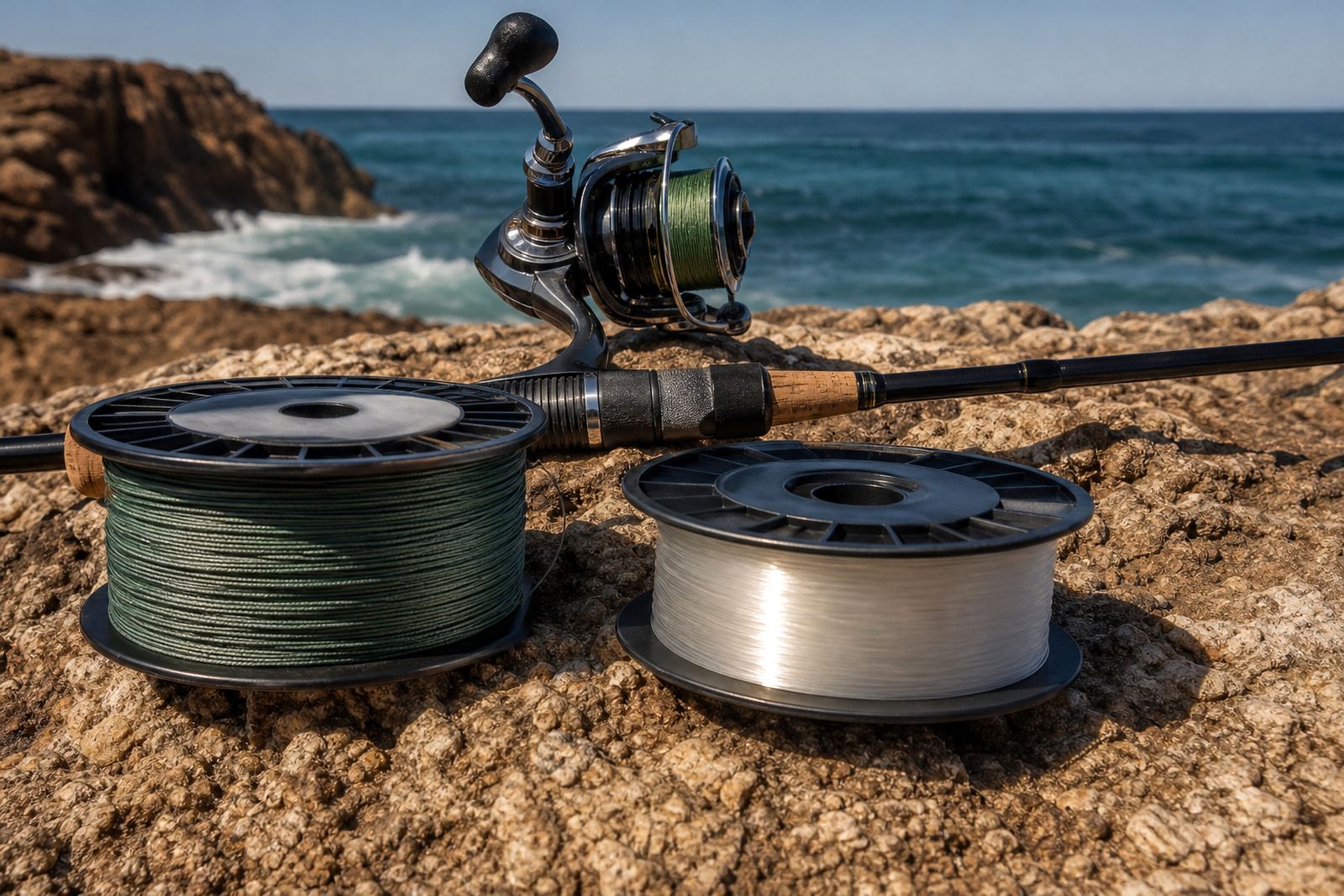
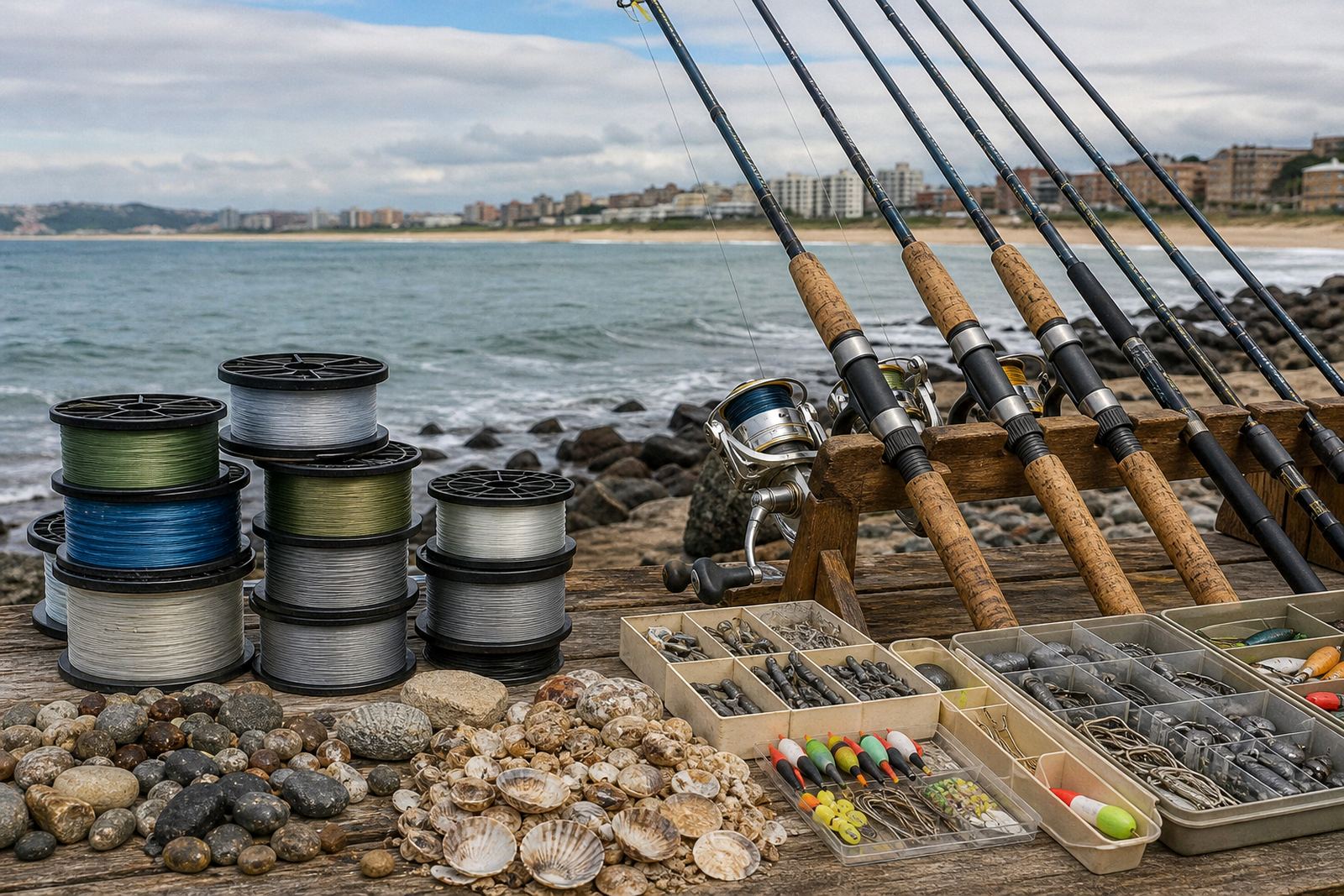
Once you have read the surf, your tackle choice becomes much simpler. A long rod helps you reach beyond the first bank, while the right reel and line let you hold contact in moving water. For lighter surf or freshwater mouths, a smaller sinker and a more natural presentation may do better. In stronger coastal conditions, you may need more hold and a firmer trace so the bait stays where the fish are moving.
For anglers starting out, the mistake is often overcomplicating things. A neat rig, fresh bait and a baited hook sitting on the correct lane will outfish an expensive setup dropped in the wrong place. If your line twists, your sinker drags or your bait keeps spinning, the presentation is wrong even if the spot is right. That is why reel servicing, line spooling and trace making matter as much as reading the water.
What to do when the gutter disappears
Some days the surf flattens out and the visible gutter disappears. That does not mean the fish are gone. It usually means the shape has softened or shifted. Move 20 to 30 metres, recheck the angle of the waves and look for a slight change in colour or foam movement. A small dip can be enough. In sheltered sections, fish often hold closer to the inside edge than expected, especially when the sea is clean and calm.
If you are unsure, test the beach in short sections instead of committing to one cast and waiting too long. A practical angler changes quickly, especially on a beach that is being reshaped by swell and wind. The more you read the surf, the less you fish by habit and the more you fish by what the water is telling you.
That is the real skill in surf fishing: not just casting far, but seeing the route before you cast. Once you learn to spot the gutter, the bank and the feeding lane, the beach starts giving up its pattern one tide at a time.