Why mono still earns a place in the tackle bag
Monofilament is not old news. For many anglers it is still the most practical line to use when you want a forgiving setup, simple knotting and a bit of stretch between the rod tip and the fish. That stretch can help when a shad hits hard on a beach rod, or when a bass makes a sudden lunge beside the boat or bank.
It is also easy to manage for beginners. Mono lies nicely on the spool, is simple to tie, and it does not need the same level of care as some other line types. If you are fishing in Durban after work, or heading out for a quick session at a dam near Pietermaritzburg, mono can be the straightforward choice that gets you fishing sooner.
For anglers who change rigs often, mono is forgiving when making knots, traces and loops. It is also handy for bait fishing where you want some give in the system rather than a hard, fixed feel all the way through the line.
The best times to choose mono over other line types
Mono works well when the fishing style calls for stretch, floatation or easy handling. It is often a solid choice for bait fishing, live bait presentations and general-purpose freshwater work. On the coast, it can also be useful when fishing baits for kob, sandies or shad from the beach or rocks, especially when you want a line that behaves well under pressure.
You may prefer mono when you are using lighter tackle, teaching a new angler, or fishing places where a simple, dependable setup matters more than maximum sensitivity. It is also a good option if your reel is being used by different family members at the same time and everyone needs something easy to manage.
- Beach bait fishing where stretch helps absorb sudden runs
- Freshwater fishing for bass, carp and barbel on simple rigs
- Beginner setups where knot strength and easy handling matter
- General-purpose rods used for mixed fishing trips
Where mono helps most in KwaZulu-Natal conditions
In Durban and along the KZN coast, anglers deal with humidity, heat and salt spray. Mono is a practical line for many bait fishing sessions because it is easy to rinse and inspect after use. If you fish the harbour edges, estuaries or surf zones, you can check for wear quickly and replace sections without much fuss.
It also suits mixed local conditions. One weekend you may be fishing a rocky coastline near Umhlanga, the next you are on a freshwater dam outside town. Mono gives a handy middle ground when you want a line that can handle different rods and different styles without needing a specialised approach every time.
For anglers in places like Ballito, Cape Town, Gqeberha and East London, mono can be useful for travel too. It packs well on spare spools, and if you are dealing with wind, rough surf or changing water clarity, the line’s visibility and handling are often easy to work with.
When stretch is an advantage, not a problem
Some anglers want the lowest stretch possible. That is fair enough for certain styles. But stretch in mono can be helpful in real fishing situations. It can cushion hooksets on softer-mouthed fish, reduce pulled hooks on sudden runs, and make it easier to fish light traces without snapping off on the strike.
This is why mono still fits many bait setups. It gives a bit of forgiveness when a fish turns at the last second or when a rod is held in a holder and the bite comes hard. If you are targetting fish that make fast, short runs near structure, that little bit of give can save a session.
- Useful when fish strike close to rocks or pylons
- Helps reduce shock on lighter hooks and traces
- Good for anglers who are still learning strike timing
- Can make landing fish feel smoother on medium tackle
Mono also helps when the rod action is quite fast. The line softens the system a little, which can make the whole outfit feel less harsh in close quarters.
Good mono choices for bait, float and all-round fishing
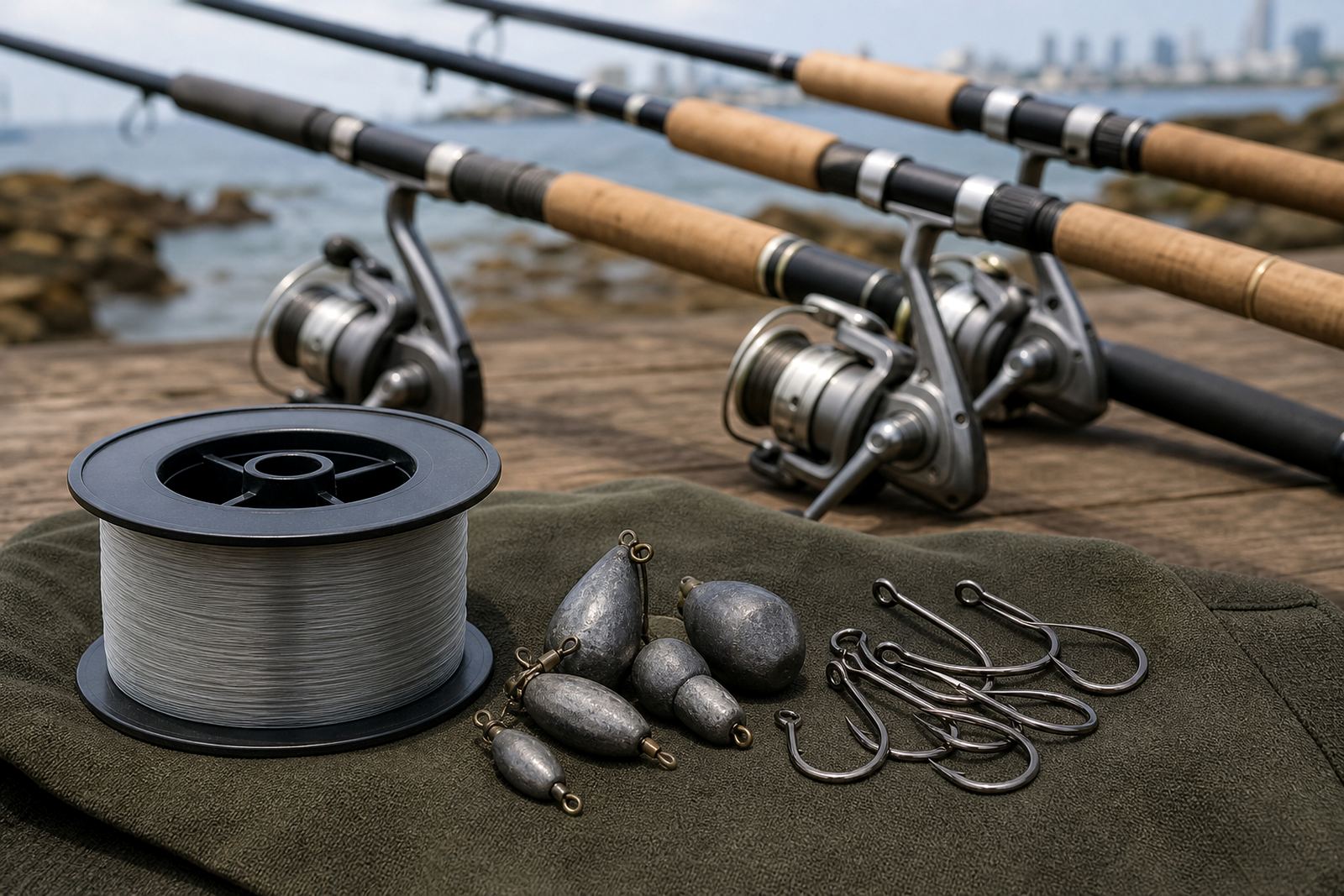
If your fishing includes float work, bait fishing or casual all-round use, mono is often the easier answer. It floats better than some other lines, which is useful for certain float rigs and topwater work. It also tends to behave neatly on spinning reels when the spool is filled correctly.
For anglers starting out, mono is often the first line we recommend because it lets you focus on the basics. You can learn knots, drag setting and casting without fighting the line. For families buying one outfit for a child and an adult to share, mono is practical and affordable, which matters when you are putting together kit for a whole season.
- Float fishing on dams and slow water
- Bait fishing for general freshwater species
- Simple spinning outfits for small spoons or plugs
- Starter rods where easy casting is the priority
If you are unsure about diameter, we usually suggest matching the line to the rod rating and the expected fish size rather than going too heavy. Too much line strength can reduce casting range and make the reel feel sluggish.
When to swap mono out for something else
Mono is useful, but it is not always the best line for every job. If you need maximum sensitivity at long range, or you are fishing deeper water where bite detection is critical, another line may suit better. The same goes for situations where you want the thinnest possible line for a strong breaking strain.
You may also move away from mono when you fish very often in abrasive reef areas and want a specialised setup. In those cases, the right leader, trace or line combo can make more sense. The point is not to force mono into every role, but to use it where it gives you the most benefit for the least hassle.
A good rule is this: use mono when you want easy handling, shock absorption and general reliability. Move to another line only when the fishing style clearly asks for something different. That keeps your tackle matched to the job instead of making it harder than it needs to be.
Practical setup tips for cleaner casting and better line life
Mono performs best when the reel is spooled properly and looked after after each trip. Overfilling the spool can cause coils and loops, while underfilling can hurt casting distance. A neat line lay matters more than many anglers think, especially if you are fishing in windy coastal conditions around Durban or on the South Coast.
After saltwater use, rinse the line lightly and let the rod and reel dry out of direct sun. Heat and salt both shorten line life. If the top section starts to feel rough, trim it back or replace it before the next trip. That small habit can save a fish and a lot of frustration.
- Check the first 10 to 15 metres of line for scuffs after each session
- Use the right drag setting before casting from shore or boat
- Replace line sooner if it has gone stiff, cloudy or coiled
- Keep spare spools ready for different fishing styles
Monofilament is at its best when it is used with a clear purpose. If you need a line that is easy to cast, forgiving on the strike and simple to manage, mono still makes good sense for plenty of South African fishing days.