Why rust on a hook is more than a bad look
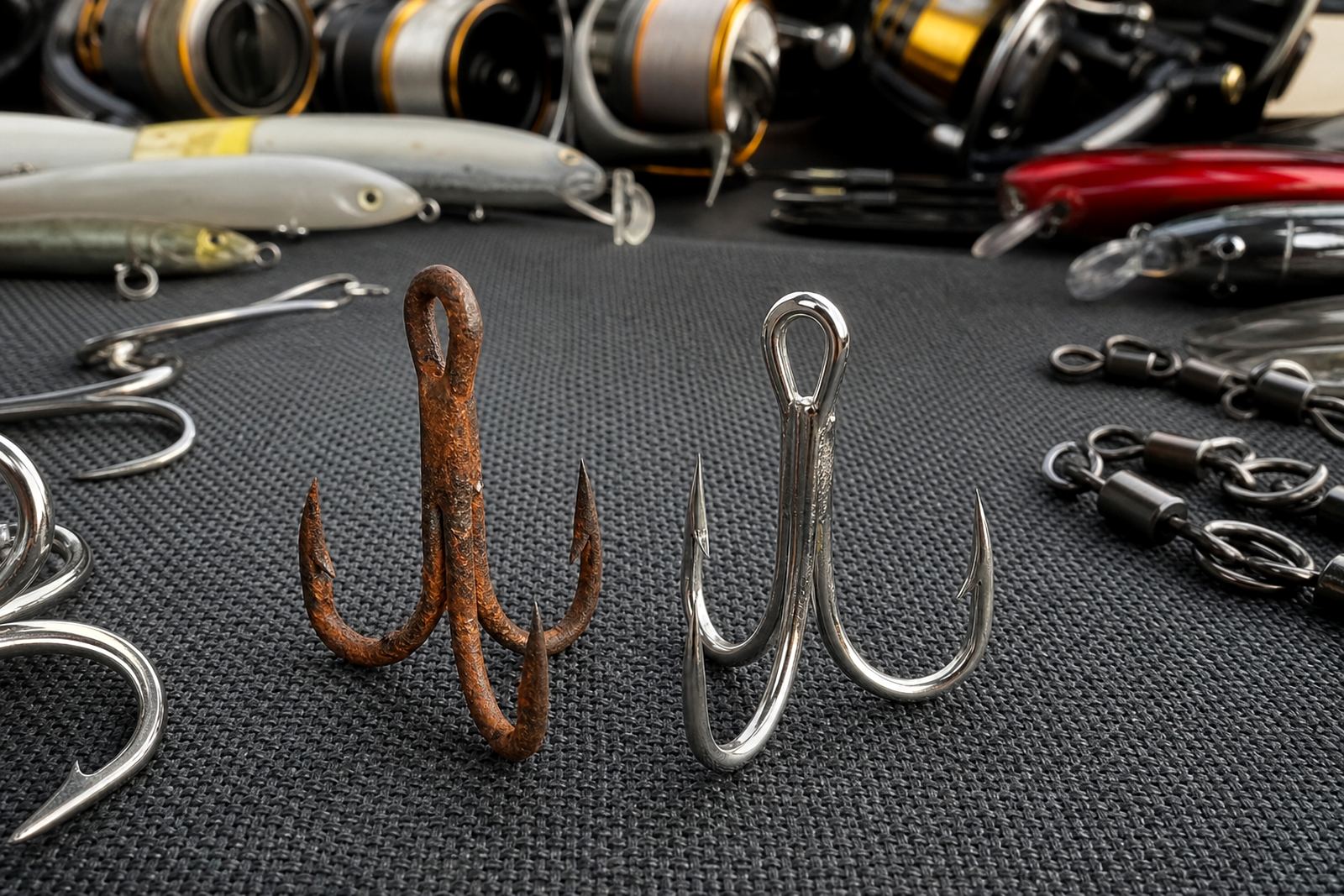
A rusty hook is not just ugly, it is weaker at the point, the bend and the eye. Once corrosion starts, the metal can lose strength without looking badly damaged, so the hook may straighten, snap, or fail when a fish surges beside the boat or in the surf.
In Durban and other coastal towns, salt spray and humid air speed this up. A box left in the car boot after a day on the beach can look fine at first, then show orange spots by the next morning. If you fish often, check every hook before each trip, not only when it is already in the water.
Signs it is time to bin the hook
Do not keep using a hook just because it still has a sharp point. Rust can hide under the barb, in the eye, and where the hook has rubbed against sinkers or swivels. If the metal feels rough, flakes when rubbed with your thumb, or has a dull patch near the bend, replace it.
- Orange or brown spots on the hook point or shank
- Blunted point that no longer catches your fingernail
- Rough texture, pitting, or visible flakes
- Bent shape from a previous catch or snag
- Weak eye where the line or trace thread passes through
Many anglers hold onto old hooks for backup, but if you would not trust it with your best bait and a decent fish, it should not stay in the box.
Match the replacement to the way you fish
Replacing a rusty hook is not only about size. The right style depends on the bait, target species, and where you are fishing. A live bait hook for a harbour kob differs from the circle hook you may use for larger reef fish, while freshwater anglers often need finer wire for bream, bass or kurper.
For a quick swap, keep a small hook kit with a few common sizes and styles in your tackle bag. That helps when load-shedding affects your packing routine at home and you need to sort gear in a hurry before an early drive to the coast or dam.
- Coastal surf: stronger hooks for bigger baits and rough water
- Harbour and pier fishing: smaller, neat hooks for precise bait presentation
- Freshwater: lighter hooks when fish are feeding shy
- Catch-and-release: use the right pattern to reduce deep hooking
How to replace a hook without weakening the trace
When changing hooks, inspect the whole terminal setup. If the hook is rusted, the swivel, split ring, or trace wire may also be tired. A clean replacement only helps if the rest of the rig is sound. Cut away any frayed knots, and do not leave old crimps on the line just because they are still holding.
If you tie your own traces, use fresh line and retie the knot neatly. Pull it down slowly and check for heat damage or slippage. Small mistakes here can cost a good fish, and yes it happens to experienced anglers as well.
- Remove the old hook fully before tying on the new one
- Check the knot or crimp for wear while the rig is apart
- Trim tag ends cleanly so they do not catch weed or bait
- Test the finished rig with a firm pull before packing it away
Local conditions that rust hooks faster in South Africa
Salt air in Durban, Gqeberha and Cape Town is hard on tackle. Even inland trips can turn corrosive if your gear gets wet in a cooler box, on a rainy bank, or after a day where bait and tackle stay damp in the vehicle. The same goes for rods, traces and split rings.
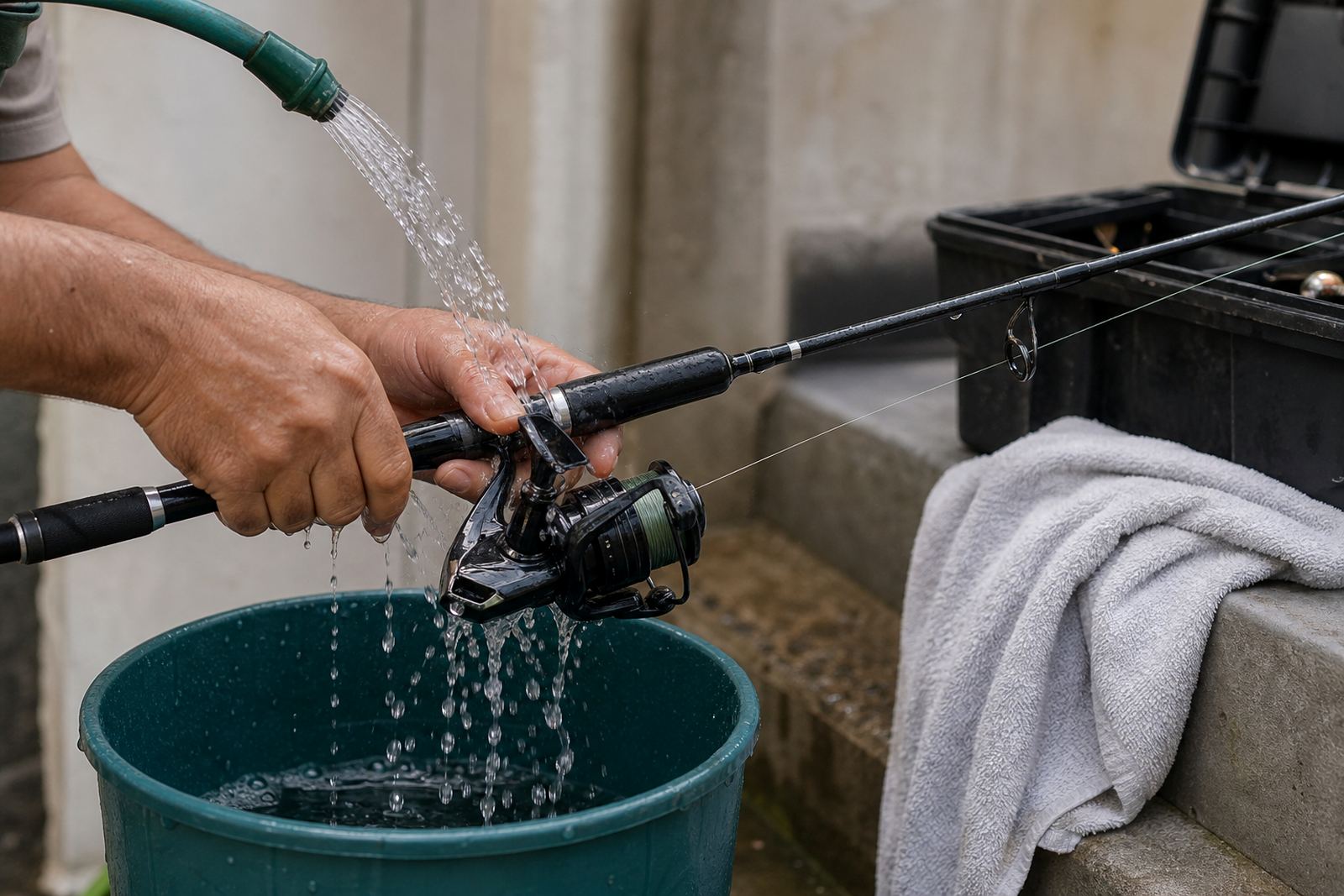
At the coast, rinse hooks lightly in fresh water after the session, then dry them fully before storing. If you keep hooks in a sealed box while still damp, rust can spread to other metal items. Springbok, shad, stumpnose and grunter anglers all see this problem, but it is easy to reduce with a better habit.
A Durban example that saves a trip
A customer from the Springfield Park side once checked a box the night before a family surf outing at Umhlanga. Half the hooks had small rust freckles, and one trace eye had gone rough. He swapped them before sunrise and avoided the frustration of losing bait and time on the beach. The fish came later, but the gear was ready when it counted.
That is the real value of replacing rusty hooks early. You spend a few minutes now, instead of wasting a full session later. For anglers heading from Durban to Ballito, or sending orders inland to Johannesburg and the Free State, the same rule applies. Fresh hooks give better bait presentation and more confidence when the bite turns on.