Use braid when you need to feel the bite, not guess it
Braid comes into its own when the bite is light, the water is coloured, or you are fishing at range and need direct contact with the lure or bait. Because braid stretches very little, you feel taps, drops and changes in bottom structure far quicker than with many other lines. That extra feel helps in both saltwater and freshwater, especially when fish are short-striking or just mouthing the bait.
For anglers around Durban harbour mouths, rocky gullies and surf gutters, braid can help you pick up on subtle pulls from kob, shad and grunter before the fish gets a chance to drop the bait. In a dam or river, it helps you read the bottom and work a lure more accurately. You do need to stay alert though, because what you feel through braid is usually what is happening right now, not a second later.
When casting distance matters more than forgiveness
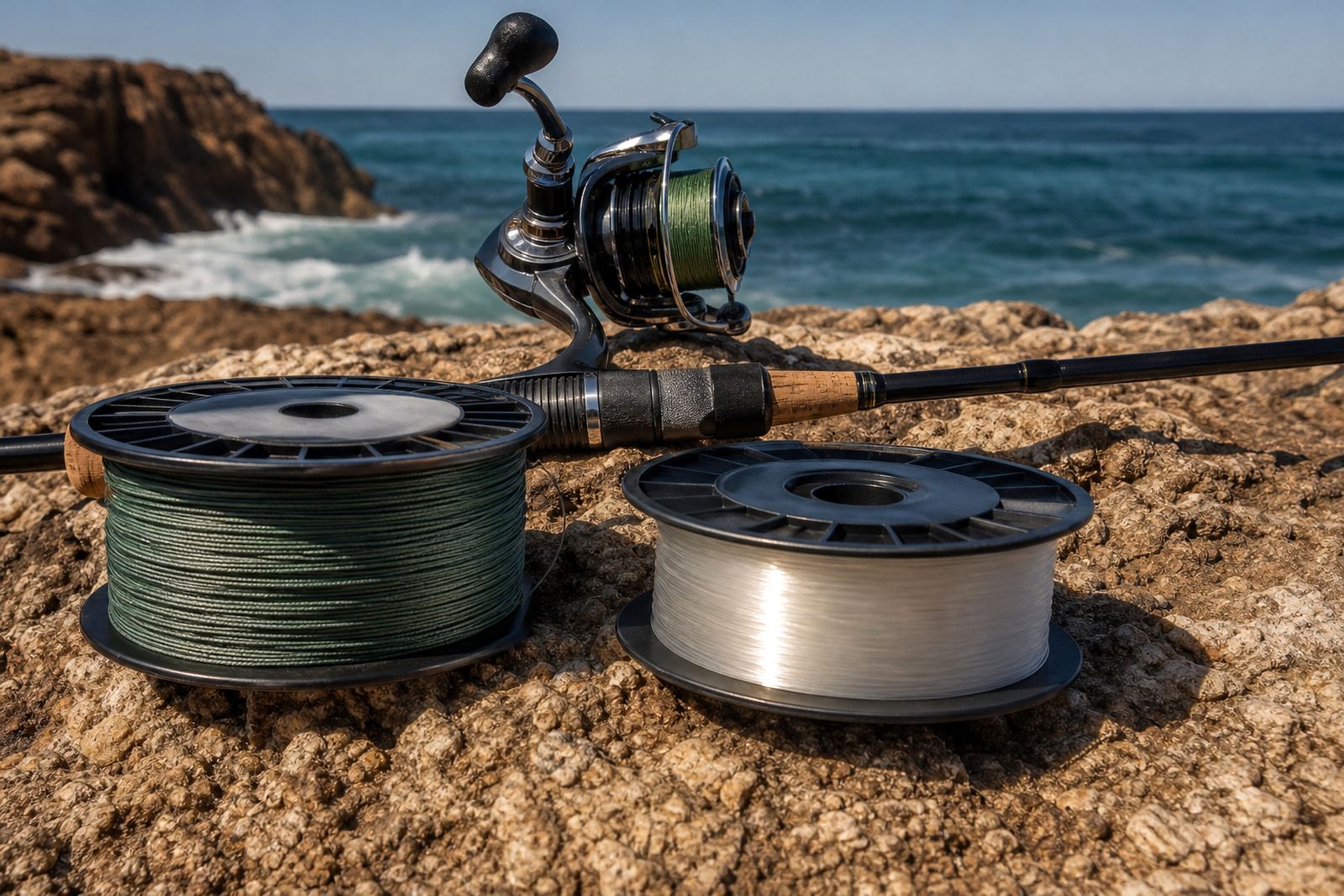
Braid is thinner than many other lines of the same breaking strain, so it often leaves the spool cleaner and cuts through wind better. That can add distance, which matters when you need to reach a sandbank, a hole beyond the breakers, or a quiet pocket on a dam edge. In KwaZulu-Natal, where wind can turn quickly along the coast, that slimmer profile can make your cast hold shape better. It also helps on lighter lures where bulky line would kill the cast.
- Surf anglers wanting to reach deeper water beyond the wash
- Spinning for shad, garrick or bass with lighter lures
- Finesse fishing around weed beds and structure
- Targeting fish that hold just out of normal casting range
That said, braid can also be less forgiving on rough cast timing, so if your technique is still developing, practise with a slightly heavier lure and make sure the knot sits properly through the guides.
Choose braid for hook setting on hard-mouthed fish
When you need a solid hook set, braid can help transfer your strike energy straight into the hook point. That is useful for fish with hard mouths, firm jaws or quick bites, such as reef fish, bass and some estuary species. With almost no stretch in the main line, the hook often finds purchase faster. You will still need the right rod action and hook size, because line alone will not fix a poor setup.
In practice, braid is especially useful when fishing with a longer leader and a bait that must stay in place in the strike zone. The less stretch in the main line means there is less delay before the hook turns. If you are working a lure through snags or submerged timber, that quick connection can be the difference between a clean hook-up and a missed fish.
Best times to avoid braid and stay with something softer
Braid is not ideal for every situation. If you are fishing very clear water with wary fish, the line can be more visible unless you use a suitable leader and keep things neat. It can also be a poor choice when fishing abrasive reef, sharp rocks or heavy shell beds without proper leader protection. In those conditions, the outer fibres can fray faster than many anglers expect.
There are also times when a bit of stretch is useful. When a fish surges at close range or jumps repeatedly, some give in the line can help reduce pulled hooks. That is why many experienced anglers match braid to a leader and adjust the rest of the setup around the target species and the venue.
- Very clear water with spooky fish
- High abrasion areas such as reef and broken rock
- Close-range bait fishing where stretch can help absorb lunges
- Beginner setups where knot tying and drag control are still being learned
How local conditions change the choice
South African fishing conditions vary a lot, and braid suits some spots better than others. On the Durban coast, heavy surf and wind can call for a line that casts cleanly and stays direct. In Cape Town, colder water and structure around points and gullies can reward line sensitivity. In Gqeberha and East London, mixed beaches and estuaries often call for a setup that can handle both distance and contact, depending on the day. In Johannesburg and inland waters, braid is popular for lure fishing where feel and control matter most.
Here is a simple rule: if the fish are holding far away, bites are subtle, or you are working lures through structure, braid is worth serious consideration. If the water is extremely clear, the fish are leader shy, or the ground is rough and abrasive, you may need to rethink the rest of the rig. The best setup is the one that matches the venue not the one with the biggest claim on the packet.
Make braid work properly with the rest of your rig
Braid works best when the entire setup is matched correctly. The rod should have enough backbone to set the hook, but enough tip to protect knots and keep the lure working properly. Drag setting matters too. Since braid has little stretch, a tight drag can put too much strain on hooks, knots and rod guides. On a busy fishing day, especially when the wind is up or you are moving between spots, a quick drag check saves a lot of frustration.
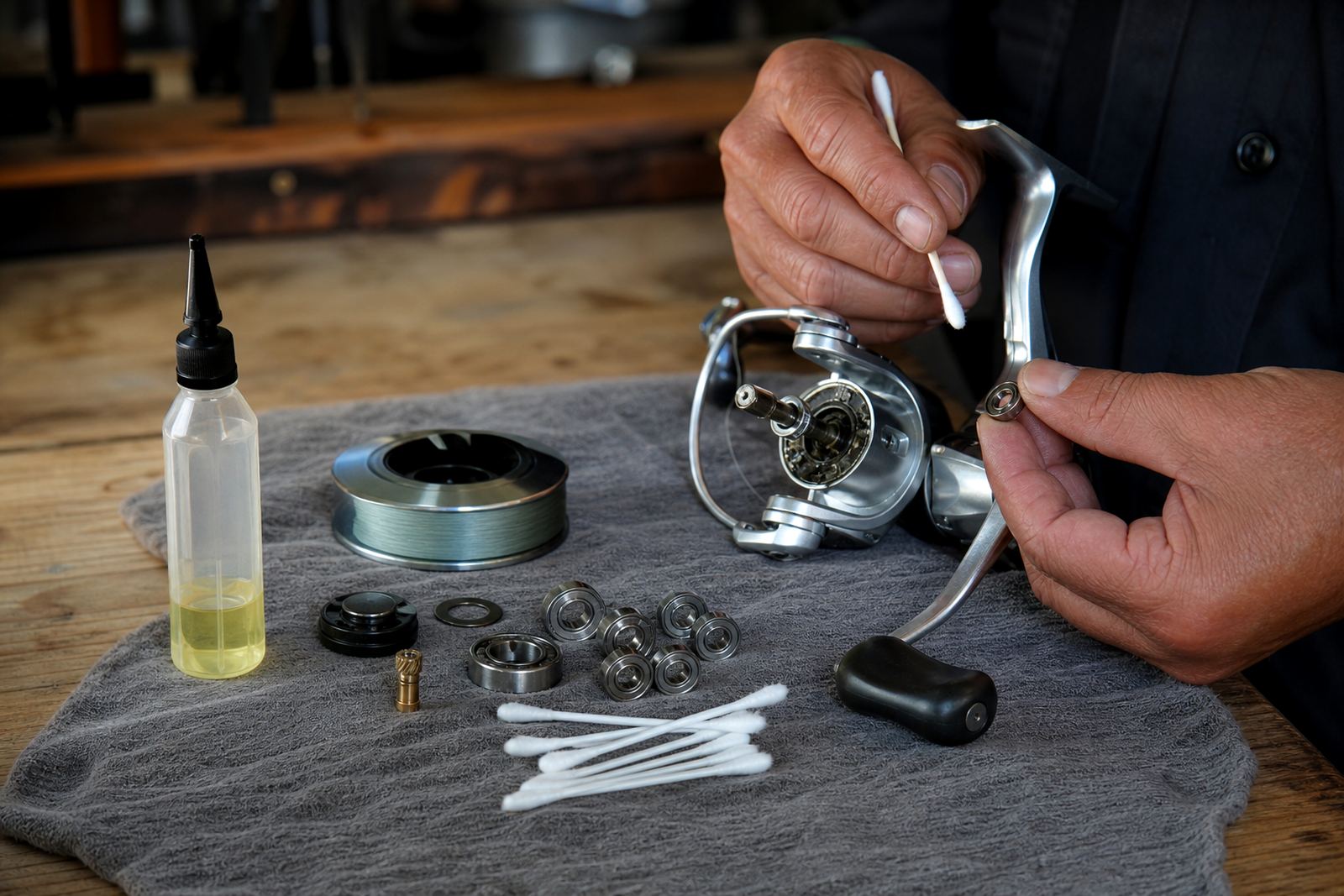
Some anglers also overlook line choice on the reel. Braid packs differently from monofilament and can slip if it is not spooled correctly. If the spool is underfilled or overfilled, casting and line lay suffer. This is where a proper line spool service, knot check and drag tuning can make a noticeable difference. A neat setup is worth more than a guess, and it is easier to fish hard when the gear is sorted first.
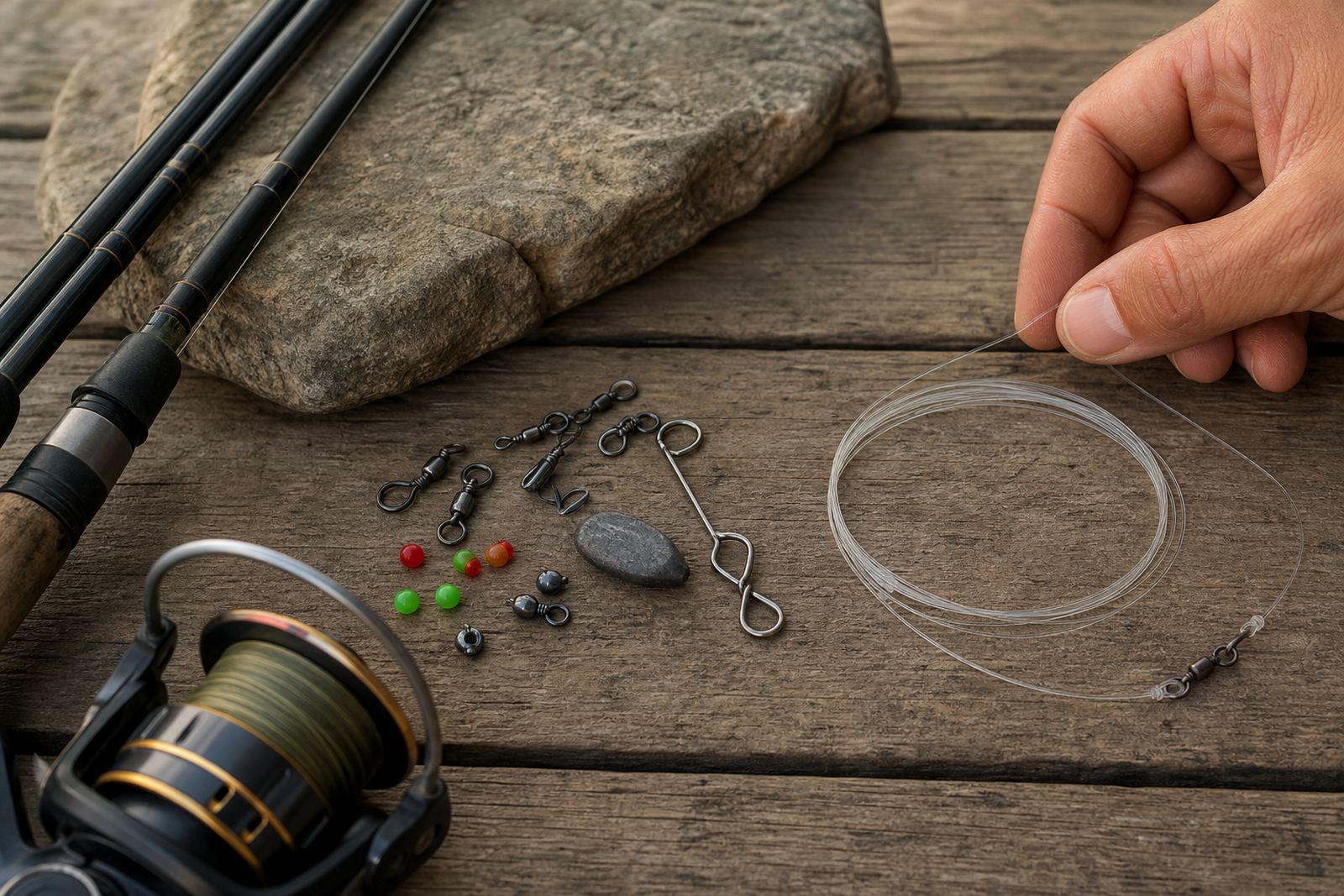
- Use a leader suited to the species and structure
- Set the drag before the fish arrives, not after
- Check knots after each snag or hard run
- Keep the line clean and inspect for fraying near the tip