Why muddy water changes the whole bite
Dirty water shifts the odds away from sight and closer to vibration, smell and simple shape. In the Durban harbour mouth after heavy rain, or in a freshwater impoundment near Pietermaritzburg after a summer storm, fish often hold tighter to structure and will not travel far for a weak presentation. That means your first job is to make it easy for them to find the offering.
In clear conditions, anglers can get away with subtle colours and fine detail. In muddy water, those small advantages disappear fast. The fish may still feed well, but the lure, bait or trace has to work harder to stand out and stay in the strike zone long enough. A neat cast helps, but so does choosing the right size, the right scent and a rig that moves naturally in slow water.
Colour choices that show up without looking gaudy
Bright is useful, but not every bright option is the same. In coffee-coloured water, strong contrasts usually beat pale shades. Think black and chartreuse, orange and gold, or solid dark profiles that throw a clear silhouette. In the Cape after a blow-up swell, a lure with a strong belly flash can help, while in the orange-brown water at some inland dams, a darker bait with a scent trail may produce more consistent bites.
The trick is to match visibility to the job. If the water has only a slight stain, a natural colour with a small highlight can be enough. If you can barely see your hand in the water, go bolder. A lot of anglers underplay this and keep fishing soft colours because they look neat in the shop, but fish are not choosing by fashion.
- Use high-contrast colours when the water is heavily stained.
- Pick darker silhouettes when the sky is bright and the water is murky.
- Keep a few natural colours ready for the water edges where clarity changes.
- Try the same pattern in two sizes before changing the whole setup.
Scent does more work when fish cannot see far
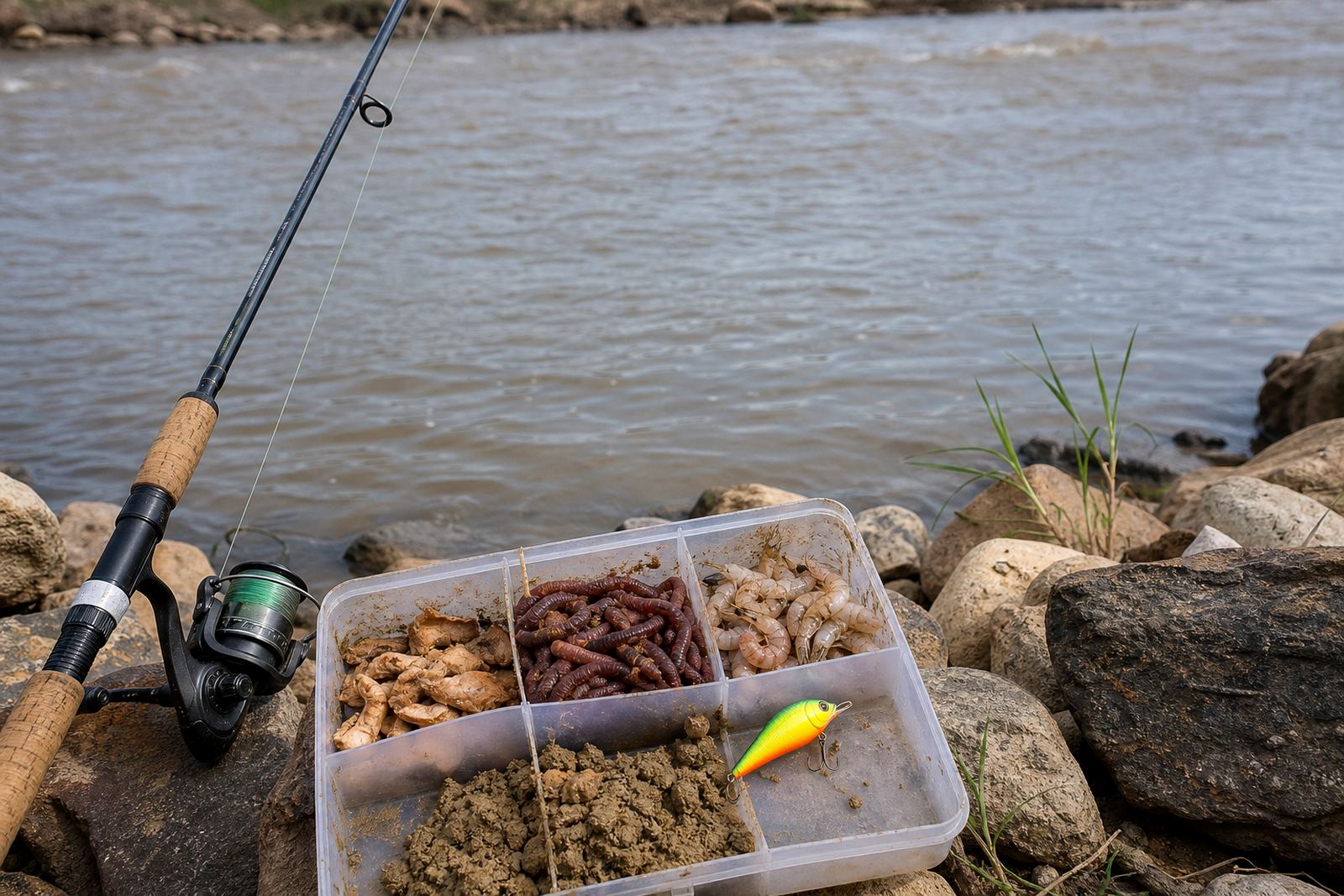
In dirty water, scent becomes part of the search pattern. Fish often test a bait with smell before they commit, especially in slow-moving canals, estuaries and still bays. For bait anglers, that means keeping fresh bait in good condition, not leaving it baking in the sun, and renewing it often. A bait that has lost its scent is much less useful in muddy conditions.
For lure anglers, scent is not a cure-all, but it can help give the fish one more reason to hang on. Soft plastics and natural bait presentations should carry a noticeable smell without being overloaded. Too much scent can feel greasy and unnatural, while too little leaves the fish with nothing to lock onto. It helps to think in terms of a scent trail, not a perfume bomb.
- Refresh bait more often in warm, dirty water.
- Keep bait cool and shaded so it stays firm and odorous.
- Use enough scent to leave a trail, not a slick mess.
- Match the scent to the bait type you are already presenting.
Presentation adjustments that make a bait easier to find
Presentation is where many anglers miss their best chance. In muddy water, a bait that sits too far out of the feeding lane gets ignored. Fish want an easy meal, so keep the rig simple and place it near drop-offs, bridge pylons, drains, weed edges or sandbanks where current brings food past them. Around Durban and the North Coast, that might mean fishing the side of a river mouth or the edge of a harbour channel rather than the middle of the flow.
Movement matters too. A bait that moves just enough to look alive is more attractive than one that drifts lifelessly. On the other hand, too much action can spook fish if the current is already chaotic. Use enough weight to keep the bait in contact with the bottom, but not so much that it looks pinned down. If the water is badly coloured, try shortening the distance between your hook and sinker so the fish does not have to search.
Local conditions from Durban to Gqeberha and beyond
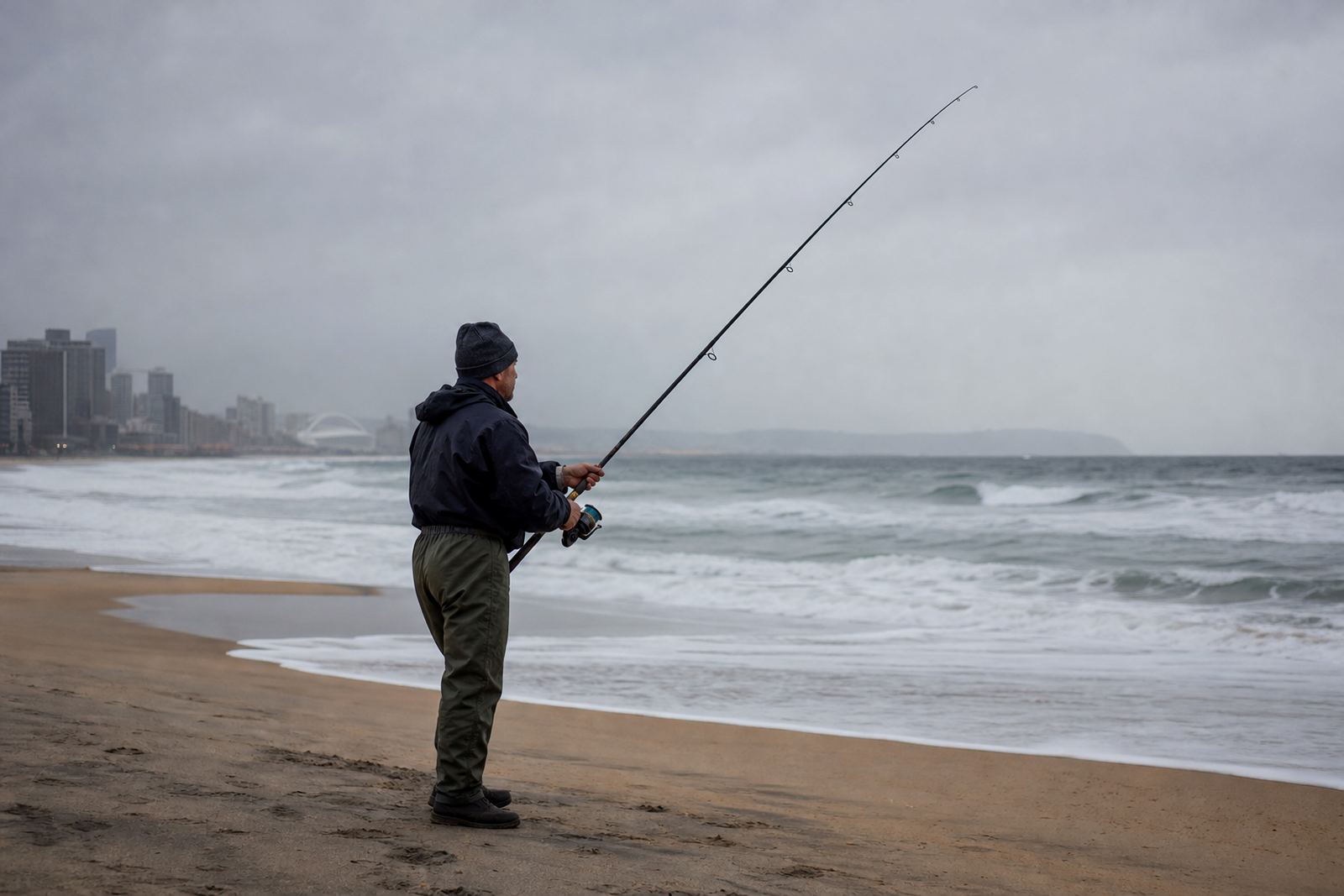
South African water conditions change fast. A Durban estuary after summer rain can look completely different from a still freshwater venue near Johannesburg. Coastal humidity can soften bait and affect knots, while load-shedding can interrupt bait prep, spooling and storage if you are not organised. In the Eastern Cape, wind-driven colour changes can arrive quickly, especially after rough weather around East London or Gqeberha.
That is why a single muddy-water plan does not suit every venue. In the sea, fish often rely more on pressure waves and scent in coloured water. In freshwater, they may sit deeper and wait for food to pass. If you are fishing with a club or heading out for a family session, build your kit around these differences instead of forcing one setup to do everything.
- Carry a darker option, a bright option and one natural option in the same category.
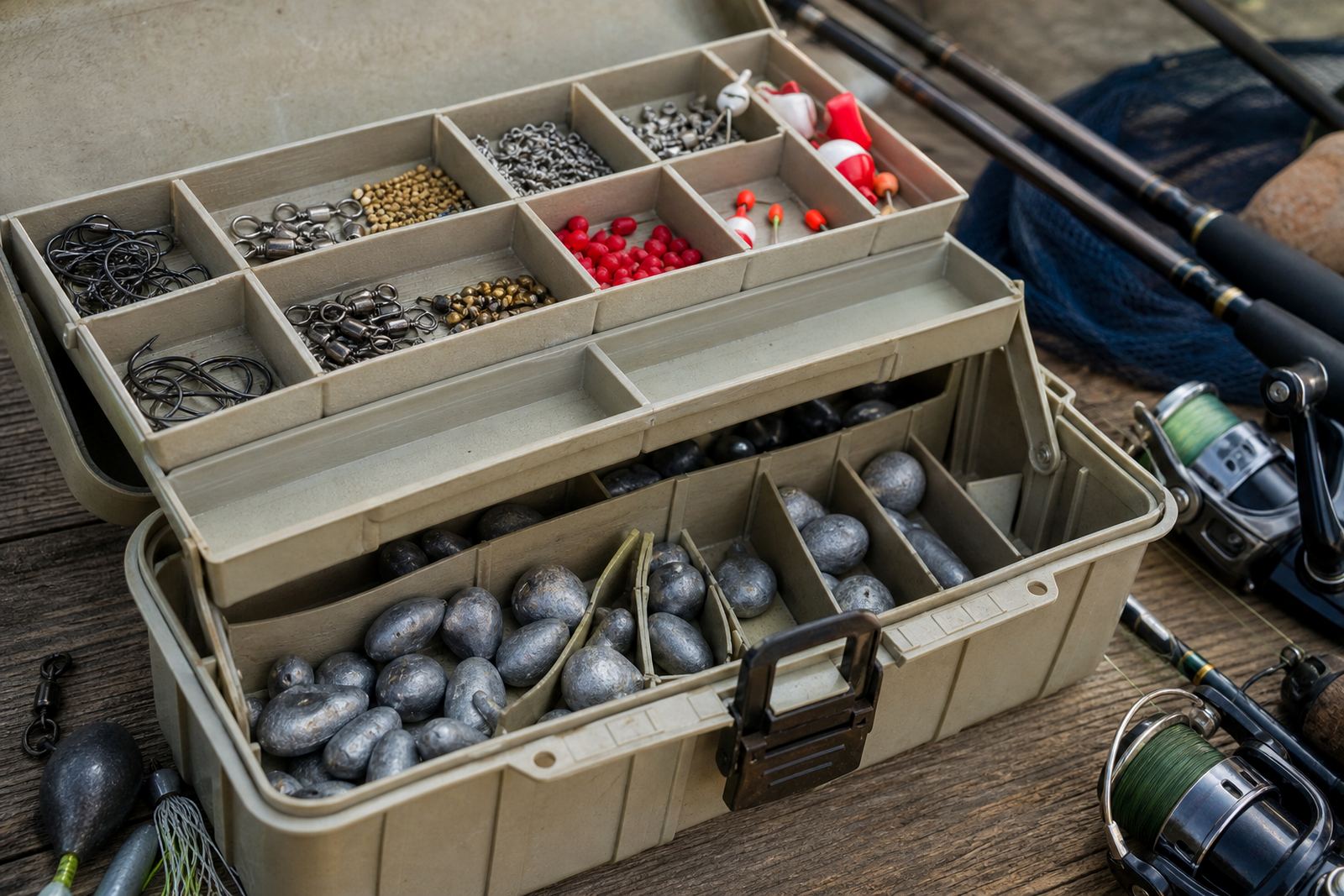
- Keep spare leaders and hooks ready if the water is full of grit or weed.
- Check knot strength after long sessions in sand or dirty water.
- Store bait in sealed containers so it does not pick up moisture or dirt.
A simple muddy-water game plan for your next trip
If the water turns dirty on the day, do not keep repeating the clear-water approach. Start with a bait or lure that is easy to see by silhouette, easy to smell and easy to track in the current. Work the likely holding areas first, then change one thing at a time. That might be colour, then scent, then size, then retrieve speed. Small changes tell you more than a full kit change.
A useful rule is to fish as if the fish are close but cautious. Keep the offering in front of them long enough for the scent to do its work, and make the profile bold enough that they do not lose it in the murk. At Springfield Park in Durban, we see this same pattern every season: anglers who adjust early usually spend less time casting into dead water and more time getting proper bites.
Good muddy-water fishing is not about luck. It is about making smart choices when visibility drops and giving fish a clear reason to feed. If your colour, scent and presentation all work together, dirty water becomes less of a problem and more of an opportunity.