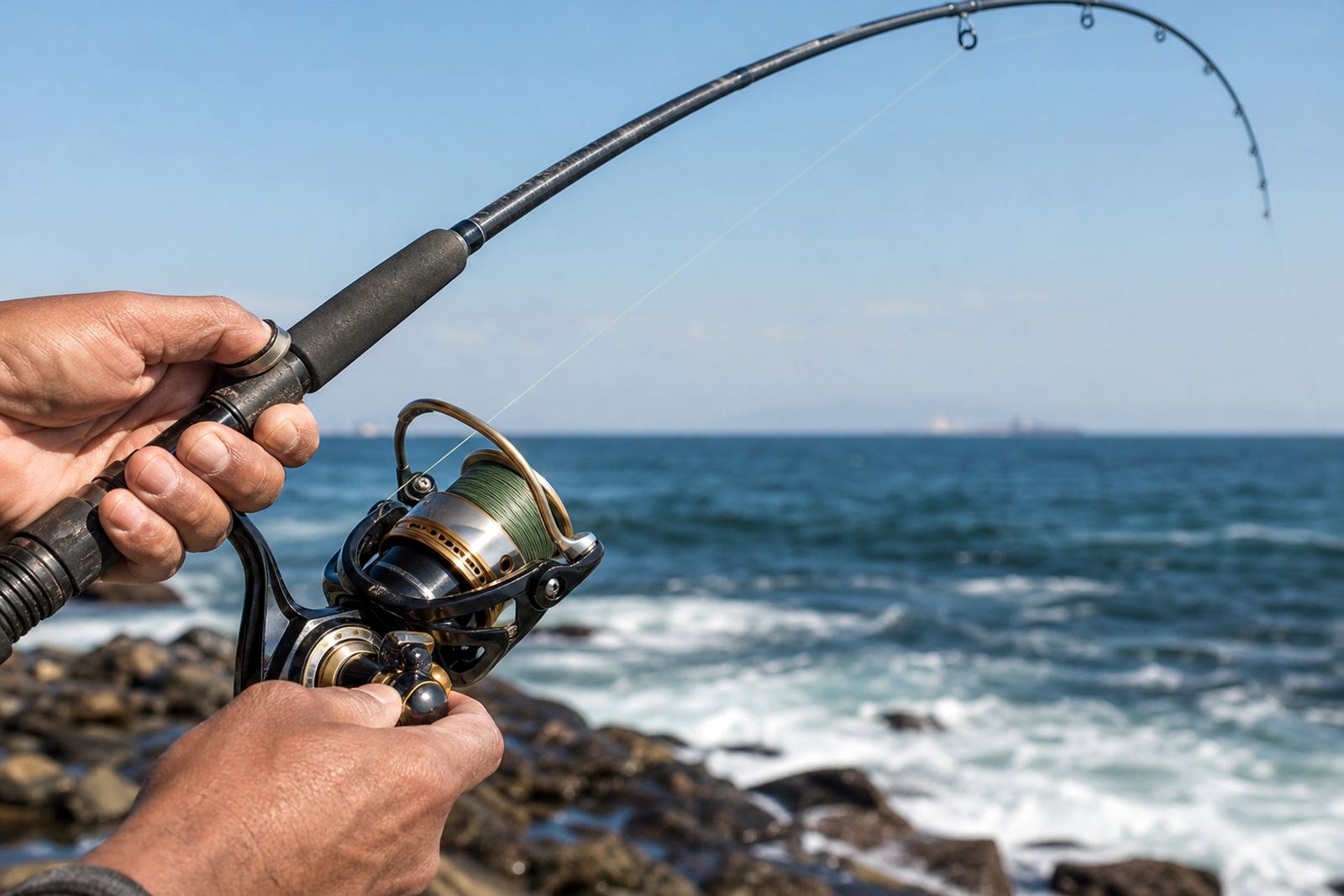
What drag actually does on the water
Drag lets line slip from the reel when a fish pulls harder than your preset pressure. That controlled slip stops sudden lunges from snapping line, bending hooks open, or pulling a small hook free. It also keeps the fight steady, which matters when you are using light leaders for shad, grunter, bass or trout.
Many anglers think a tighter drag always means better control, but that is where mistakes start. If the drag is too tight, the fish fights every surge against a locked line and your knots take the strain. If it is too loose, you lose direct contact and struggle to set the hook properly.
Set drag by line strength, not by guesswork
A simple rule is to begin with drag pressure at about one third of the main line rating, then adjust from there. That is not a hard law, but it gives a sensible starting point for most spinning and bait fishing setups. A reel loaded with 9 kg line should not be fished at a dead-tight setting just because the reel feels strong.
The best method is to pull line from the rod tip with the drag engaged and feel how much pressure is needed to make it slip. If you have to lean back hard to get movement, it is probably too tight for general fishing. If line peels off with a light tug, it may be too loose for casting distance and hook sets.
- Light estuary or freshwater tackle: start softer and fine tune on the spot
- Mid-weight surf or rock gear: allow a bit more pressure for surf pull and current
- Heavy bait setups: increase drag only after the hook is set and the fish is moving
Match drag to the species and the fight
Different fish need different pressure. A cob on light trace will use the current and surge hard, so a steady but forgiving drag helps. A bass in weed or a barbel in murky water may need quicker pressure to stop it diving into cover. In the surf, a fish running with white water behind it can change direction fast, so the drag must give just enough line without going slack.
For Durban anglers targeting edible species from piers or gullies, the first run is often the key moment. Keep the rod angle high, let the drag work, and do not rush the fight. On a calm morning in Umhlanga, a well-set drag can be the difference between landing a fish cleanly and watching the hook pull when the fish turns at the edge.
- Use softer drag for small hooks and thin wire traces
- Increase pressure when fishing close to structure or reef
- Back off drag a touch when using abrasion-prone line in rocky areas
- Check the setting again after a few hard runs, as heat can change the feel
Common drag mistakes that cost fish
One common mistake is setting the drag with a dry reel, then assuming it will feel the same once wet, loaded and fighting a fish. Another is using the same setting for casting and for the fight. A third is winding the drag tighter after a missed strike, which often makes the next hook-up more likely to pull free.
Anglers also forget that knots and leaders can be weaker than the line rating on the spool. If you are using a lighter leader for clear water off Cape Town or East London, the drag should respect the leader strength first, not the main line. That small adjustment can save a lot of heartache.
- Do not lock the drag and hope the rod will absorb everything
- Do not set it by feel alone if you have not tested it
- Do not forget that wet braid, mono and fluoro all behave differently
How coastal conditions change the setting
South African conditions can change drag needs very quickly. Coastal humidity, salt spray and sand all affect how a reel feels, especially after a long session in Durban or Ballito. If the drag washers pick up moisture or grit, the release can become jerky instead of smooth, and that is risky on a strong first run.
On freshwater venues, weed beds and submerged timber create a different problem. You may need a firmer setting to keep fish out of cover, but still enough give to stop a sudden lunge. On windy days, when line bows are worse, a slightly firmer drag can help maintain contact, though it should never be so tight that the rod is doing all the work.
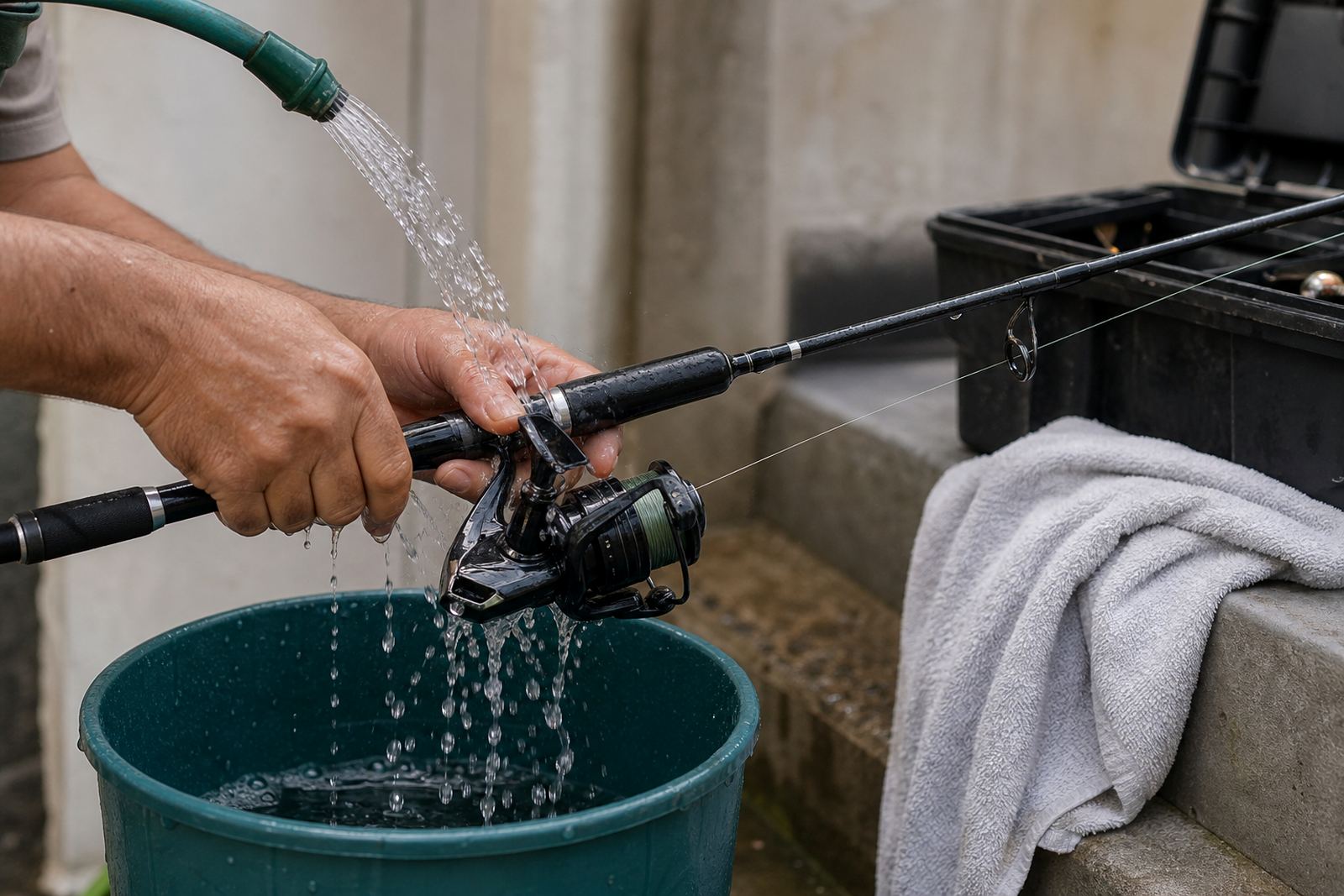
After fishing, rinse the reel lightly, let it dry, and test the drag again before the next trip. If it feels rough, uneven or sticky, do not ignore it. Drag issues often start small and become expensive later on.
A simple pre-trip drag check that saves time
Before heading out, give every reel a quick check. It takes a few minutes and can prevent lost fish, broken trace, or a snapped leader on the first run. This matters even more if you are taking a mixed tackle bag for both surf and freshwater trips.
Use this short check before you leave home or before launching a boat:
- Pull line off the reel by hand and feel for smooth release
- Check that the drag starts and stops without sticking
- Confirm the setting with the line and leader you are actually using
- Inspect knots, trace joins and hook points while the line is under light tension
- Back off the drag slightly for transport so the washers are not compressed for long periods
If you fish often, keep a note of what works for each setup. A reel that feels perfect on light braid for bass may be far too strong when loaded with mono for shad. Small records help more than guesswork, and they make each outing more consistent.
Why better drag settings improve hook retention
Better drag settings improve hook retention because they keep tension steady through the whole fight. The hook stays seated, the line is less likely to shock load, and the fish does not get the chance to use slack against you. That is true whether you are spinning in Gqeberha, fishing a municipal dam near Pietermaritzburg, or standing on a breakwall in Durban.
The aim is not to fight harder, it is to fight smarter. A calm, well-set drag lets you guide the fish, protect your gear and finish the job with less stress. Once anglers understand that, they usually land more fish and break less tackle, which is exactly the point.