Why a shorter rod makes travel fishing simpler
A travel rod is built to break down into shorter sections, which makes a big difference when you are loading a bakkie in Durban, fitting kit into a hatchback in Johannesburg, or flying down to the coast for a few days. Instead of wrestling a one piece rod past seats, roof racks and luggage, you can keep the rod packed safely and still have proper fishing gear on hand.
That convenience matters for both coastal and freshwater trips. On holiday, plans change. One day you are on a harbour wall in KwaZulu-Natal, the next you are trying a dam edge near Pietermaritzburg or a river bank outside East London. A travel rod makes it easier to say yes to fishing, because the kit is ready when the opportunity comes.
- Fits better in cars with limited boot space
- Safer to carry on flights, buses or long road trips
- Easier to store in a flat, apartment or holiday unit
- Less chance of damaging a rod on the road
How travel rods help when you fish in more than one province
Many anglers in South Africa do not fish only one spot. A family holiday in Ballito might end with a quick session at the harbour, then a stopover in Gqeberha on the way home or a work trip that leaves a few hours free near Cape Town. A travel rod gives you one setup that can move with you.
For anglers who fish across coastal and freshwater venues, the main benefit is flexibility. You can keep a medium action rod in the car for bait fishing, light lure work, or general use at a dam. If you are heading to a more specific target, such as shad on the beach or bass in freshwater, you can still choose a rod that matches the job. The key is that it packs small but still fishes properly once assembled.
- Useful for mixed trips where fishing is only part of the plan
- Handy for airport travel or overnight stays
- Works well for anglers who visit different provinces through the year
- Reduces the need to own several bulky rods for occasional use
What to look for before you buy a travel rod
Not every compact rod suits the same type of fishing. Before buying one, think about length, section count, casting weight and how it will be used. A rod that feels fine in the hand but is too light for your bait or too stiff for small lures will quickly become frustrating. For coastal anglers around Durban, a travel rod should still cope with wind, current and rougher conditions. For freshwater, it should have enough feel for bite detection and enough backbone for a solid hook set.
The finish also matters in South Africa. In coastal areas, salt and humidity can work hard on fittings and guides. A good travel rod should be easy to rinse after use and simple to dry before you pack it away. If the rod will spend time in a car during load-shedding or hot weather, check that the bag or tube offers proper protection and that the sections fit together without strain.
- Choose the right length for your target species and venue
- Check that the joins feel firm, not loose
- Look for guides that suit braid or mono line
- Make sure the rod balances well with your reel
Travel rods for beach, harbour and dam sessions
One of the best things about a travel rod is that it can cover more than one fishing style if you choose carefully. A lighter rod can work for freshwater species and smaller lure sessions, while a heavier model may suit bait fishing from jetties, piers or protected shoreline spots. The trick is to match the rod to the kind of fishing you actually do, not just the biggest fish you hope to catch.
For example, a father travelling from Springfield Park to a family holiday home near Umhlanga may want one rod that can handle a quick evening throw from the rocks and then a few freshwater casts on the return trip inland. In that case, a mid range travel rod gives better value than a specialist rod that only works in one place. It also means fewer pieces to pack, which matters when you have coolers, bait and beach gear taking up space already.
- Beach and harbour anglers should check casting distance and line control
- Freshwater anglers should focus on sensitivity and hook setting power
- General purpose rods are useful for mixed family trips
- Keep a small tackle pouch with sinkers, hooks and swivels ready to go
Packing and protecting your gear on the road
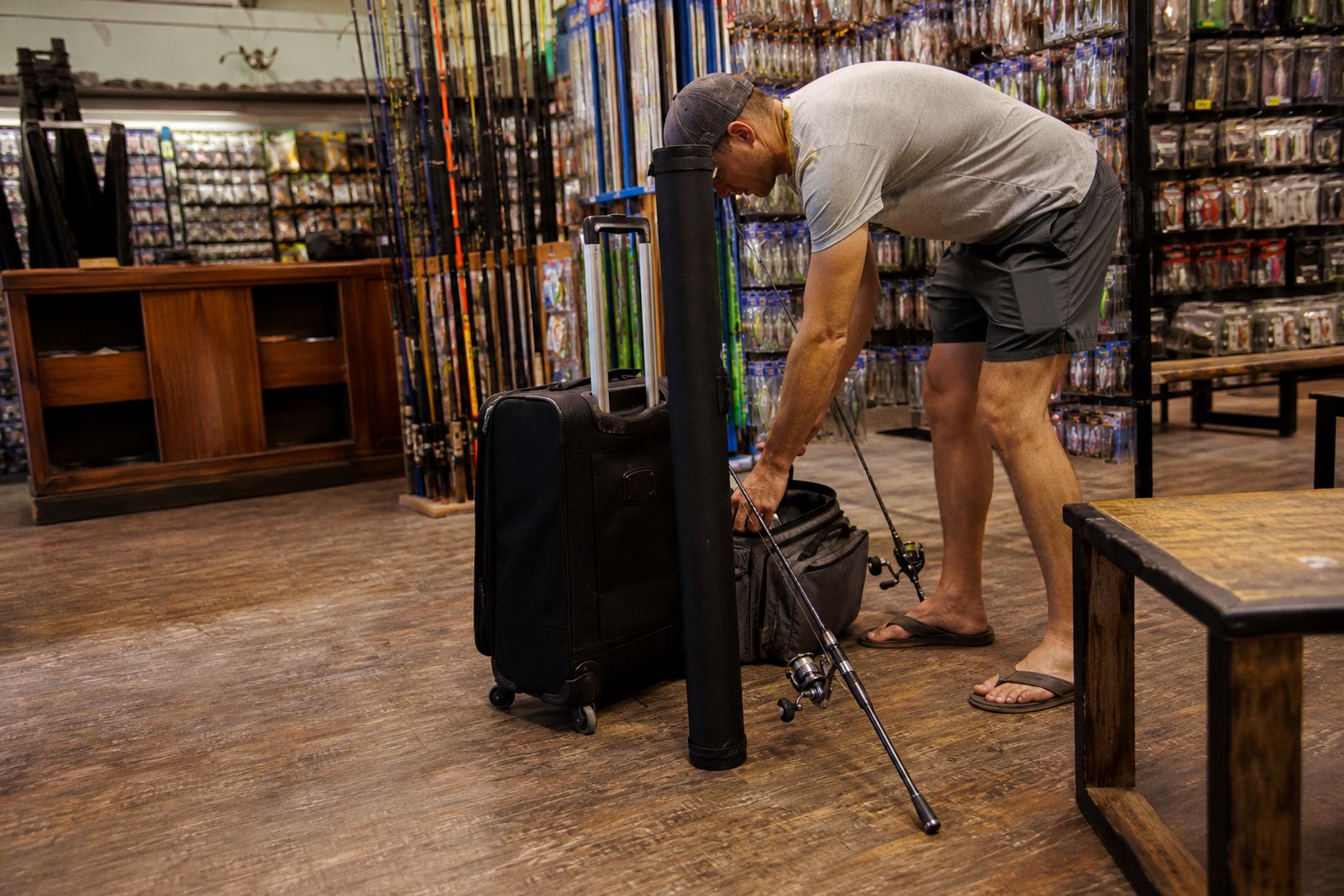
A travel rod only stays useful if it is looked after properly. Always pack the sections in order and keep the tips protected. A padded sleeve or rod tube helps prevent knocks in the boot, especially when luggage is stacked around it. If you are carrying bait, hooks and terminal tackle as well, keep sharp items separate so they do not rub against the rod bag.
It also helps to set up a simple travel routine. After fishing, rinse the rod if it has been near salt water, wipe the guides, and check that sand has not worked into the joints. Before the next trip, inspect the tip, the reel seat and the line. Small checks save bigger repair bills later. A bit of care goes a long way, especially if your rod spends time in humid coastal air or in a hot vehicle during summer.
- Use a sleeve or tube for transport
- Keep terminal tackle in a separate pouch
- Rinse after saltwater use and dry before storing
- Check rod sections and guides before each trip
Why a travel rod can be a smart first rod
For new anglers, a compact rod can be a good starting point because it is easier to transport, easier to store and easier to bring along on a family outing. That means more time fishing and less time trying to organise gear. It also helps if you are learning on a budget, because one well chosen travel rod can cover a wide range of sessions before you decide to buy more specialised tackle.
At Catches, we often see anglers in Durban, Johannesburg, Cape Town, Gqeberha and East London looking for gear that suits real life, not just perfect conditions. That usually means something practical, durable and easy to carry. A travel rod fits that need. It is a sensible option for holidays, quick after-work sessions, and anyone who wants to keep fishing simple without giving up on proper performance.
If you are not sure which rod suits your style, ask for advice based on where you fish, what species you target and how much room you have for transport. The right choice will feel easier from the first trip and save you a lot of hassle later on, no question.