Why clear water changes the whole game
In clear water, fish see more than just the bait. They notice leader thickness, knot bulk, sink rate, lure flash and even the way a trace sits in the water. That means the same rig that works in murky surf or coloured dam water can suddenly look too heavy and unnatural.
The trick is not to go as light as possible every time. It is to reduce what fish can see while still keeping enough strength for the species, structure and current you are working. Around Durban reefs, a fine trace can make all the difference when kob, stumpnose or shad are holding in calm water. On freshwater waters near Pietermaritzburg or inland around Johannesburg, the same idea applies when bass, kurper or carp have had plenty of pressure and know what a poor presentation looks like.
Clear water often means longer casts, softer landings and less commotion at the retrieve. A quiet approach matters more than people think, especially in the morning when the water is like glass and the fish are moving slowly after a cold night or a shift in tide.
Leader length and thickness: make it harder to spot
If the water is clear, start by thinking about your leader. A shorter, thick leader may be fine in dirty water, but in clear conditions it can spook fish that follow the trace right to the bait. A longer leader gives you a cleaner presentation and helps the bait or lure move naturally.
For light surf and rocky coastal work, many anglers do better with a longer fluorocarbon leader or a fine monofilament leader matched to the conditions. For freshwater, the same principle helps when fish are feeding shallow near weed edges, jetties or rocky points. Keep knots neat and trimmed, because a bulky knot can be the first thing a fish sees.
- Use a finer leader when fish are following but not committing
- Increase leader length in clean water with good visibility
- Keep knots compact and test them before you cast
- Step up only when structure, toothy fish or current demand it
There is no single line rating that suits every spot. A clear lagoon near East London can call for a very different leader than a rough Durban ledge with wave wash and barnacles. The water tells you what to do if you watch it closely.
Subtle lure colours that work when the sun is high
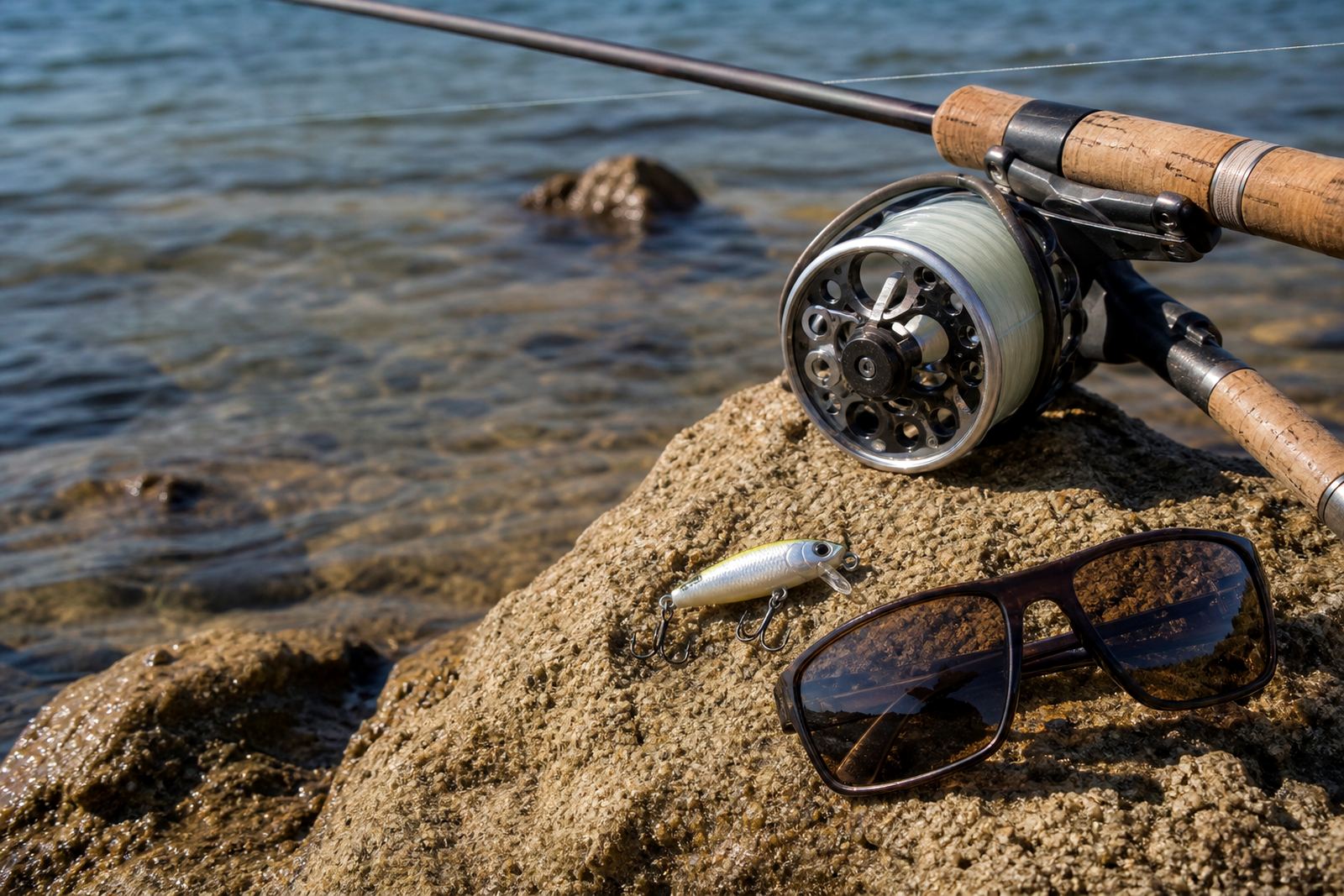
Bright, noisy lures have their place, but in clear water subtle often wins. Natural colours that match sardine, sardine-skin, mullet, small baitfish or even translucent shades usually look more believable. On sunny days, too much flash can make a lure stand out in the wrong way.
That does not mean everything must look dull. It means the lure should blend into the scene until the fish makes a decision. A small profile with a controlled shimmer is often better than a large, shiny lure that throws off too much light. In clear surf along the KZN coast, and in clean estuary water after a few calm days, fish can be selective and nervous at the same time.
- Choose natural baitfish colours first
- Use smaller profiles when fish are shy
- Try lighter jig heads or sinkers to slow the fall
- Switch to more flash only if fish are not reacting
In freshwater, clear water can make fish shy away from oversized plastics and heavy hard baits. A more modest lure, worked with pauses and a slower retrieve, often gets a better response. The goal is not to show the fish everything at once. Let the lure arrive quietly and look like food, not a threat.
Presentation matters more than power
A good clear-water rig is tidy from the start. That means straight hooks, clean swivels where needed, no frayed line and a bait that sits properly on the trace. If your bait spins, twists or drags on the bottom, the whole setup looks wrong. Fish in clear water have time to study mistakes.
On the beach, casting past the strike zone and letting the bait settle naturally can be more effective than working it hard. In dams and rivers, a light touch on the retrieve and a steady rhythm often work better than constant movement. If you are fishing from the Durban side during a calm spell, or inland when load-shedding has pushed your prep time shorter than planned, keep the rig simple and well checked before you leave home.
Small details matter:
- Trim tag ends close after every knot
- Check hooks for sharpness before fishing
- Keep bait fresh and properly secured
- Match sinker weight to the swell, current or depth
When a fish turns away, the reason is not always the bait. Often it is a trace that is too stiff, a hook that is too large, or a retrieve that is too aggressive for the water clarity on the day.
Durban example: when the water clears after a south-easter
After a strong wind drops along the Durban coastline, the water can clear fast. You may have good visibility, but the fish still remember the rough weather. In that window, a finer leader and a smaller, more natural bait or lure can produce better results than a heavy setup.
Our Durban Store in Springfield Park sees this pattern often. Anglers coming from Umhlanga and Ballito will say the same thing: the fish were around, but they would not stick. In those conditions, we usually suggest checking the trace first, then downsizing the presentation before changing spots. If the bait is too big or the leader too obvious, the fish may inspect it and leave it alone.
For freshwater anglers heading out from Pietermaritzburg or planning a run from Johannesburg, the lesson is similar after a cold front. Clear water plus bright light can make bass and carp more cautious. A slower approach and a cleaner rig often beats a louder setup, even when everyone else is throwing bigger tackle at the problem.
Practical gear checks before you go out
Clear-water fishing rewards preparation. If your reel is rough, your line is twisted, or your guides are chipped, the problem shows up quickly in the cast and on the retrieve. We always tell anglers to do a quick gear check before a trip, because small faults become major issues once you are on the beach or bank.
At Catches, we handle reel servicing, reel repairs, line spooling, rod guide replacement, rod tip repair, drag tuning, trace making and starter setup. Those services matter in clear water because your tackle has to perform cleanly, not just hold together. A reel with poor drag or a rod with a damaged guide can ruin a fine leader setup very quickly.
- Spool line neatly to avoid twist and memory
- Test the drag for smooth pressure under load
- Check all rod guides for cracks or grooves
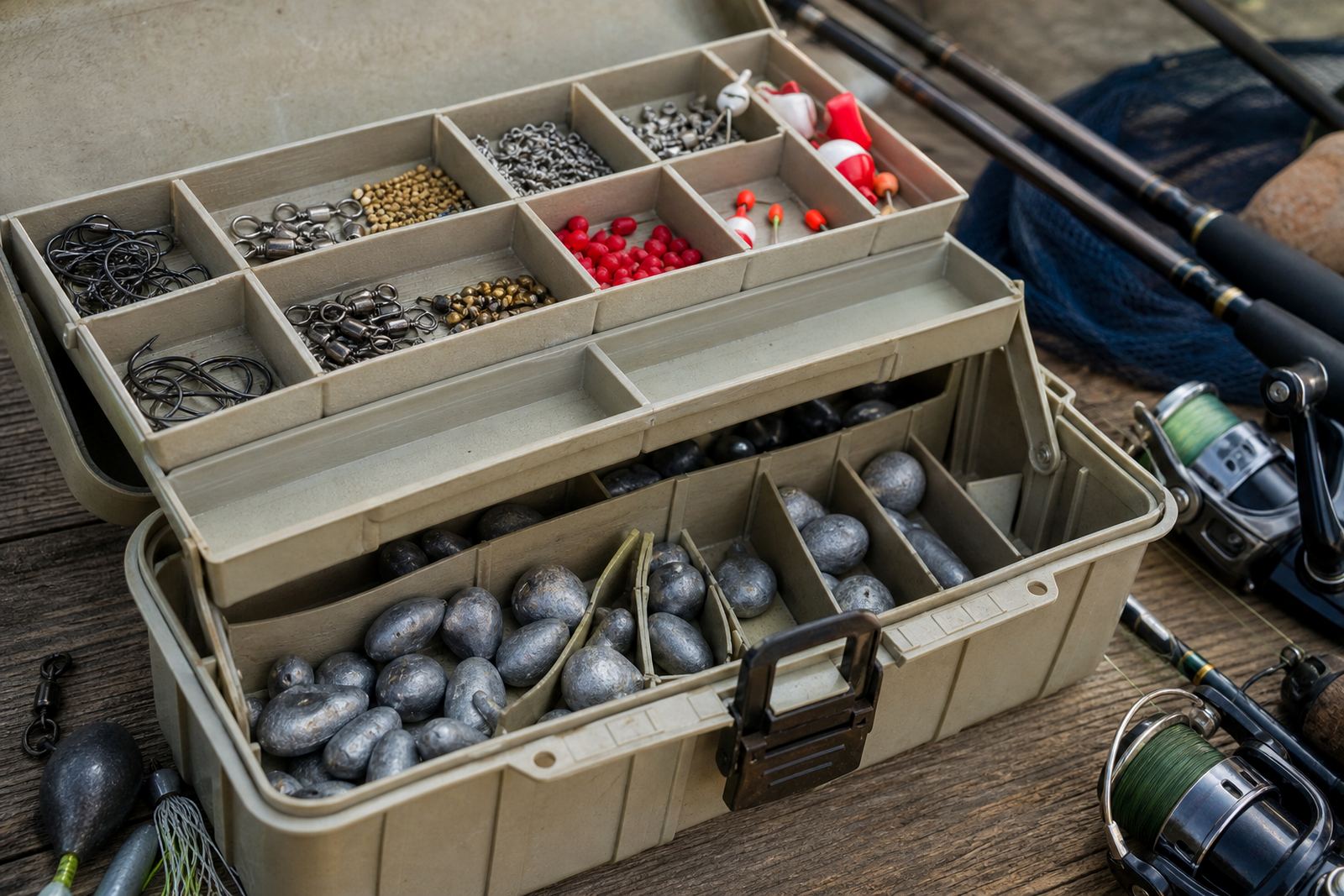
- Carry spare traces and sinkers in the right sizes
If you are planning a trip for coastal or freshwater fishing, it pays to build the setup around the water you will face. Clear conditions call for restraint, not guesswork. A lighter, cleaner presentation gives you a better chance of getting the bite and landing the fish.