
Why float fishing works in still and slow water
Float fishing gives you control. In dams, canals and slow rivers, many species feed in a fairly narrow layer of water, so a bait hanging at the wrong depth can miss the fish completely. A float lets you present the bait at the exact level you want, whether that is just off the bottom or halfway down in a gentle current.
It is also easy to read. If the float dips, slides, or lifts, you know something is happening. That makes it a practical method for beginners, but it is just as useful for anglers who want a neat, repeatable setup for barbel, tilapia, kurper and carp. On a windy Durban morning or a quiet inland dam at first light, a float setup keeps things simple and visible.
- Best for learning bite detection
- Good for calm water and slow flow
- Useful when fish are feeding in one depth zone
- Works well with bread, worms, maggots and small dough baits
Choose the right rod, line and float size
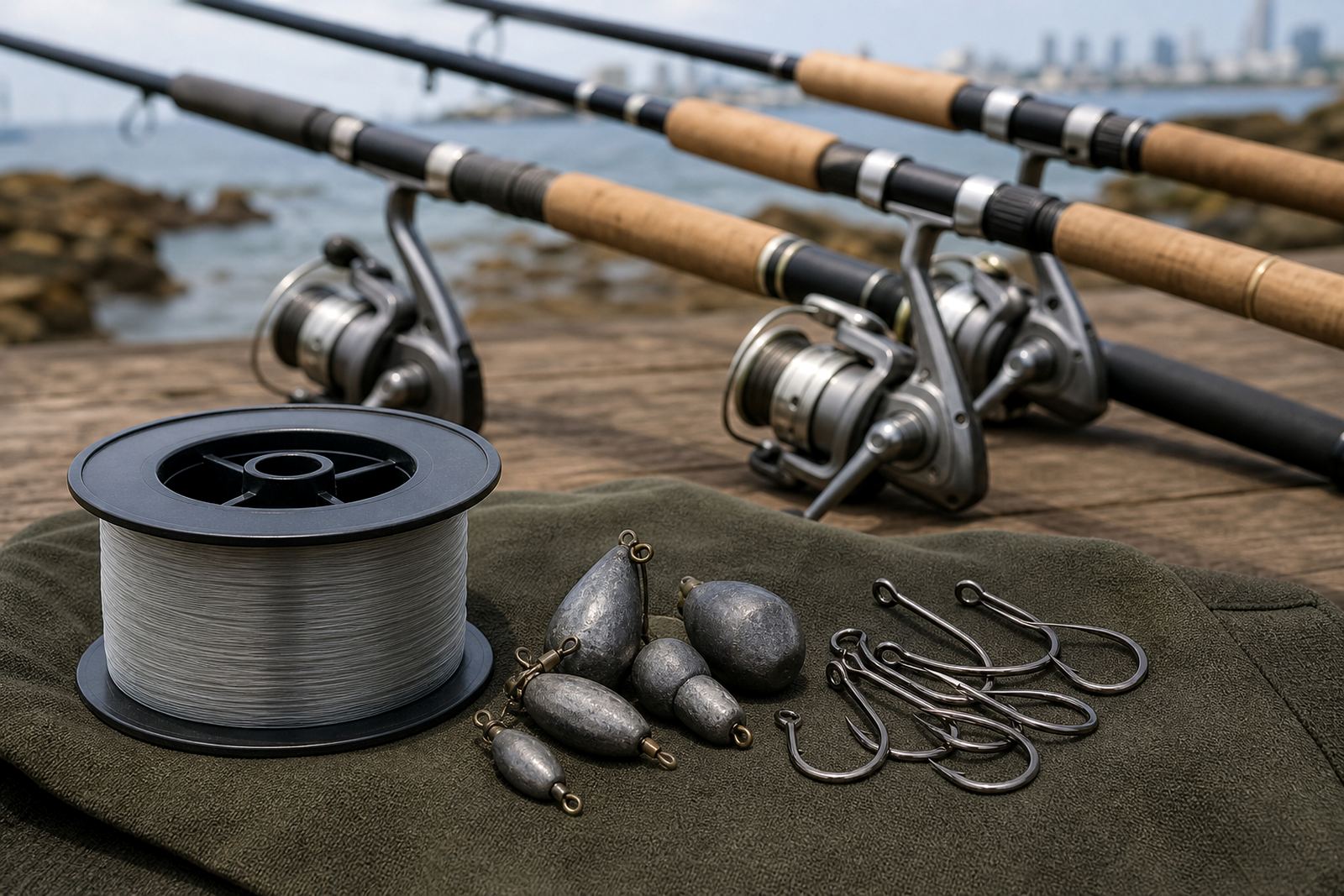
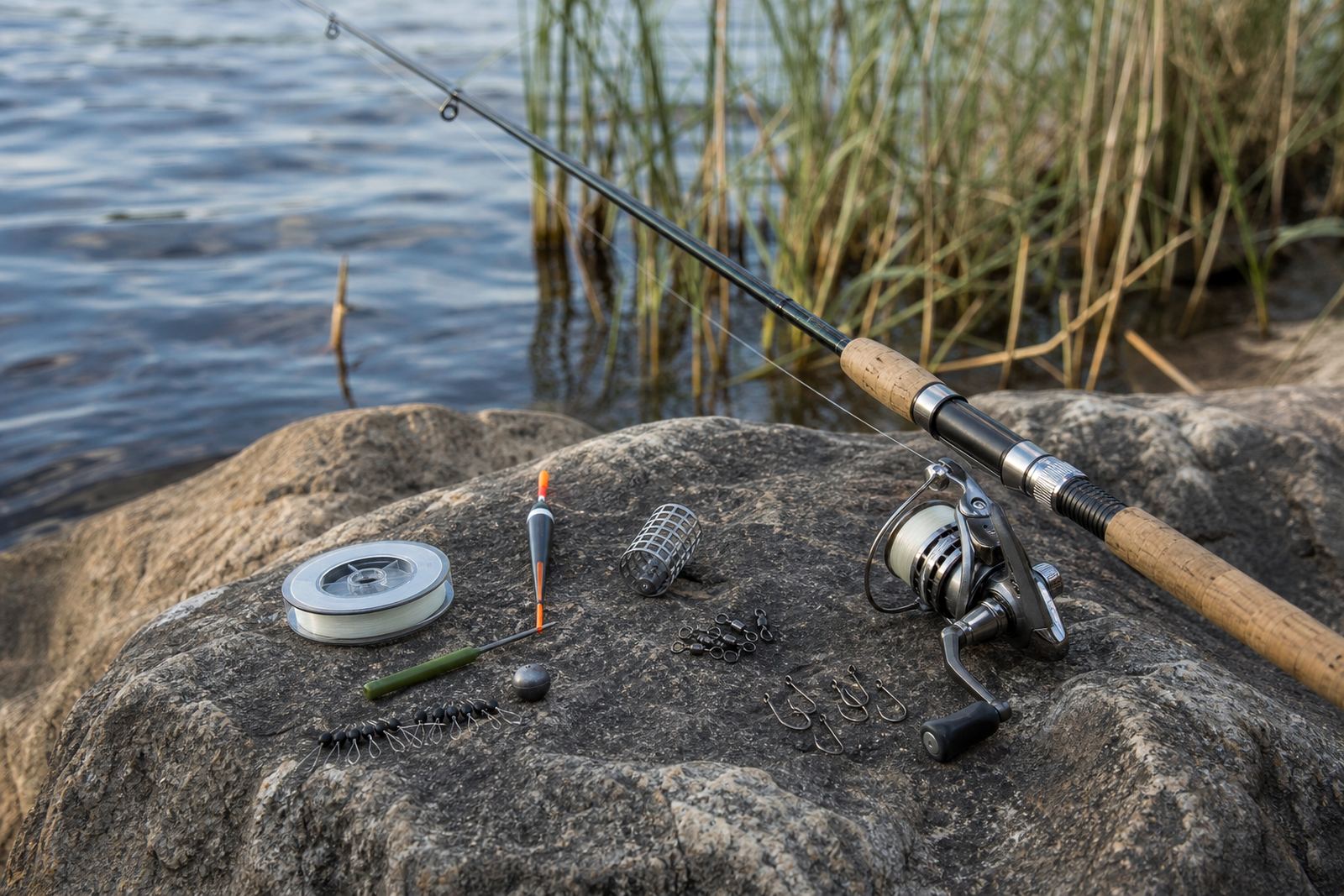
You do not need a fancy rod for float fishing, but the outfit must match the water. A light to medium rod around 9 to 12 feet is a good starting point for dams and canals. Shorter rods are handy near reeds, while a slightly longer rod gives better line control when casting over weed beds or a gentle current.
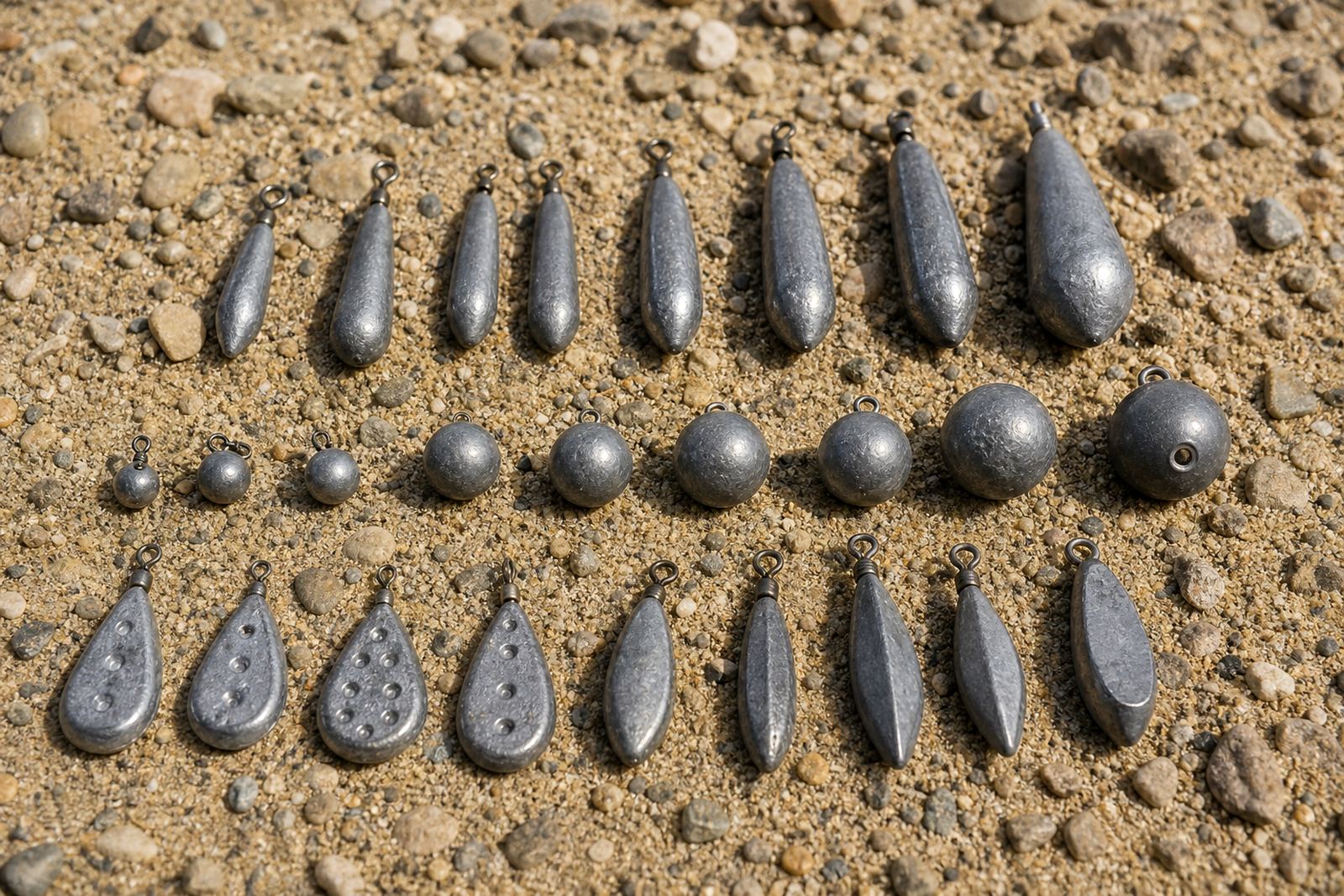
For line, keep it thin enough for a natural presentation. In clear water, lighter line helps the bait move more naturally. In rougher areas with snags or reeds, step up a little so you are not losing tackle every second cast. The float size should match the bait and the wind. If the water is calm, a small sensitive float is ideal. If the wind is pushing across the dam, you may need a slightly bigger float so you can still see it properly.
- Light rod for short casts and finesse work
- Medium rod for all round freshwater use
- Thin main line for a natural bait presentation
- Float size must suit wind, bait weight and depth
Set the depth before you worry about bait
Depth is the part many anglers guess, and that is where they lose bites. Before changing bait or hook size, set the depth so the hook sits where the fish are feeding. If you are fishing a dam wall or a canal edge, start with the bait just off the bottom and then adjust from there. In slow rivers, a slightly higher presentation can work better if the flow is carrying food through the water column.
A simple way to start is to fish one rod length out from the bank and watch the float for a few minutes. If there is no interest, change depth in small steps. Fish do not always want a bait on the bottom, especially when the weather is warm or the water is carrying a bit of colour after rain. In places like the Umgeni canal edges or sheltered inland dams around Pietermaritzburg, a few centimetres can make a real difference.
- Start with the bait just off the bottom
- Adjust depth in small steps, not big jumps
- Watch for lift bites as well as dips
- Check the bottom for weed, silt or rocks before settling in
Simple bait choices that get results
Keep bait selection practical. Freshwater float fishing is often about matching the size of the mouth and the mood of the fish. Small bait usually gives more bites, especially when the water is clear or the fish are cautious. Bigger bait can work when you want fewer small pecks and you are targeting larger fish.
For starters, bread, worms, maggots and small dough baits are easy to use and easy to adjust. Bread can be pinched into a small piece for tilapia or carp, while worms are reliable when the fish are active after rain. If the water is colder, a smaller and neater bait often outperforms a large soft one.
- Bread for simple, cheap sessions
- Worms for natural movement and smell
- Maggots for neat, small presentations
- Small dough baits for cautious feeders
Reading the float without chasing every movement
A float does not only dip when a fish is hooked. Sometimes it twitches because of wind, line tension, or a small bait fish brushing past. The trick is to learn the difference. A proper bite usually looks steady, whether that means the float slides under, lifts slightly, or moves sideways with purpose.
Keep the line as straight as you can between rod tip and float. Too much slack makes it harder to see a real bite, while too much tension can drag the float out of position. If you are fishing a canal with a light breeze, hold the rod high and mend the line now and then so the float remains free. That little bit of line control often turns a quiet session into a steady one.
Common signals to watch for include:
- Float sinking slowly and firmly
- Float lifting when the bait is picked up from the bottom
- Float moving sideways with no wind change
- Repeated taps followed by a clean pull under
A Durban example for a first float session
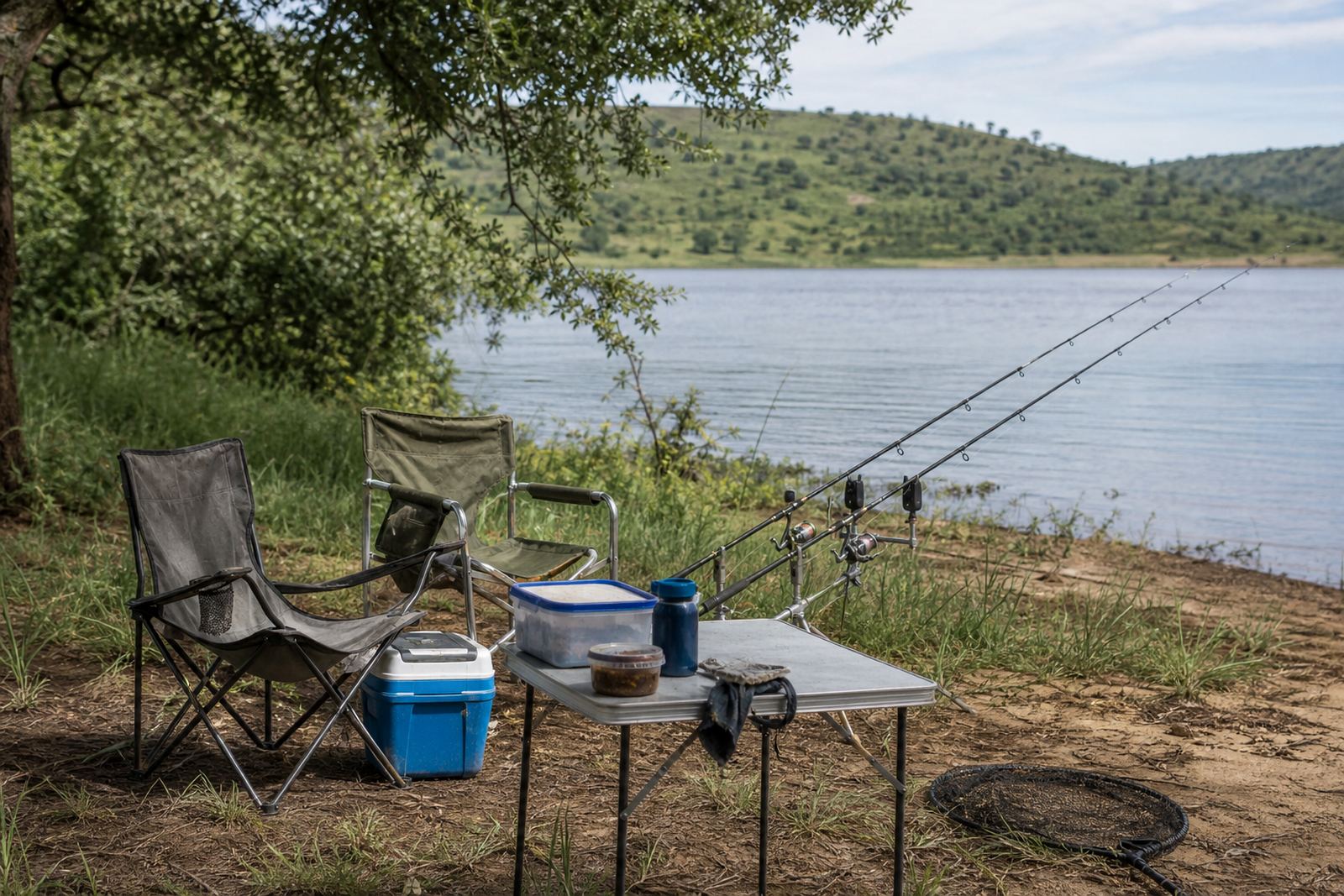
Picture an early morning session near a sheltered stretch outside Durban, where the water is calm and the bank drops off gently. The angler sets a medium rod, small float, light line and a simple bread or worm bait. The first cast goes a few metres from the bank, the depth is set so the bait just touches the bottom, and the float is left to settle for a minute or two.
After a couple of small taps, the float rises a touch, then slides under cleanly. That is a classic sign the bait has been taken from below. The point is not to overcomplicate the setup. In freshwater float fishing, the best results often come from neat tackle, the right depth and a patient watch. If the first spot is quiet, move a little along the bank and try again. Fish often hold in pockets rather than spreading evenly across the water.
For anglers travelling between Durban, Ballito, Pietermaritzburg, Gqeberha or Johannesburg, the same basic principles still apply. The water may change, but the setup stays simple: match the float to the conditions, choose a sensible bait, and keep the depth honest.