Start with the right rod, reel and line for the place you fish
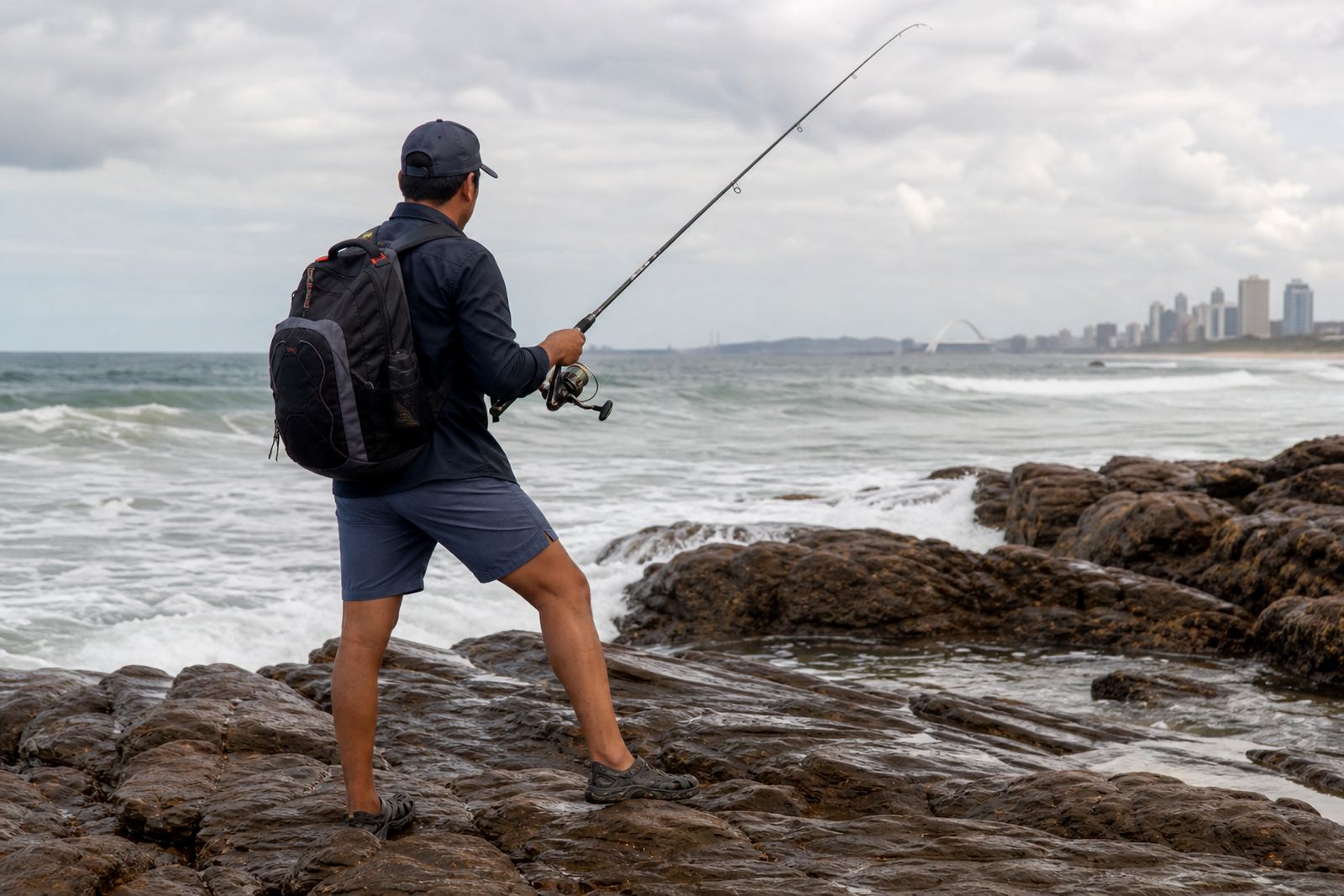
One of the biggest beginner mistakes is buying tackle that looks impressive but does not suit the water you are fishing. A light freshwater setup for carp dams in Gauteng will feel underpowered on the Durban beachfront, while a heavy surf rod can be awkward on a small estuary or farm dam. Match the outfit to the fish, the casting distance and the conditions. If you are fishing from the rocks around the KZN coast, you need gear that can handle abrasion and salt. If you are working stillwater in the Free State or Mpumalanga, you can often go lighter and get better bite detection.
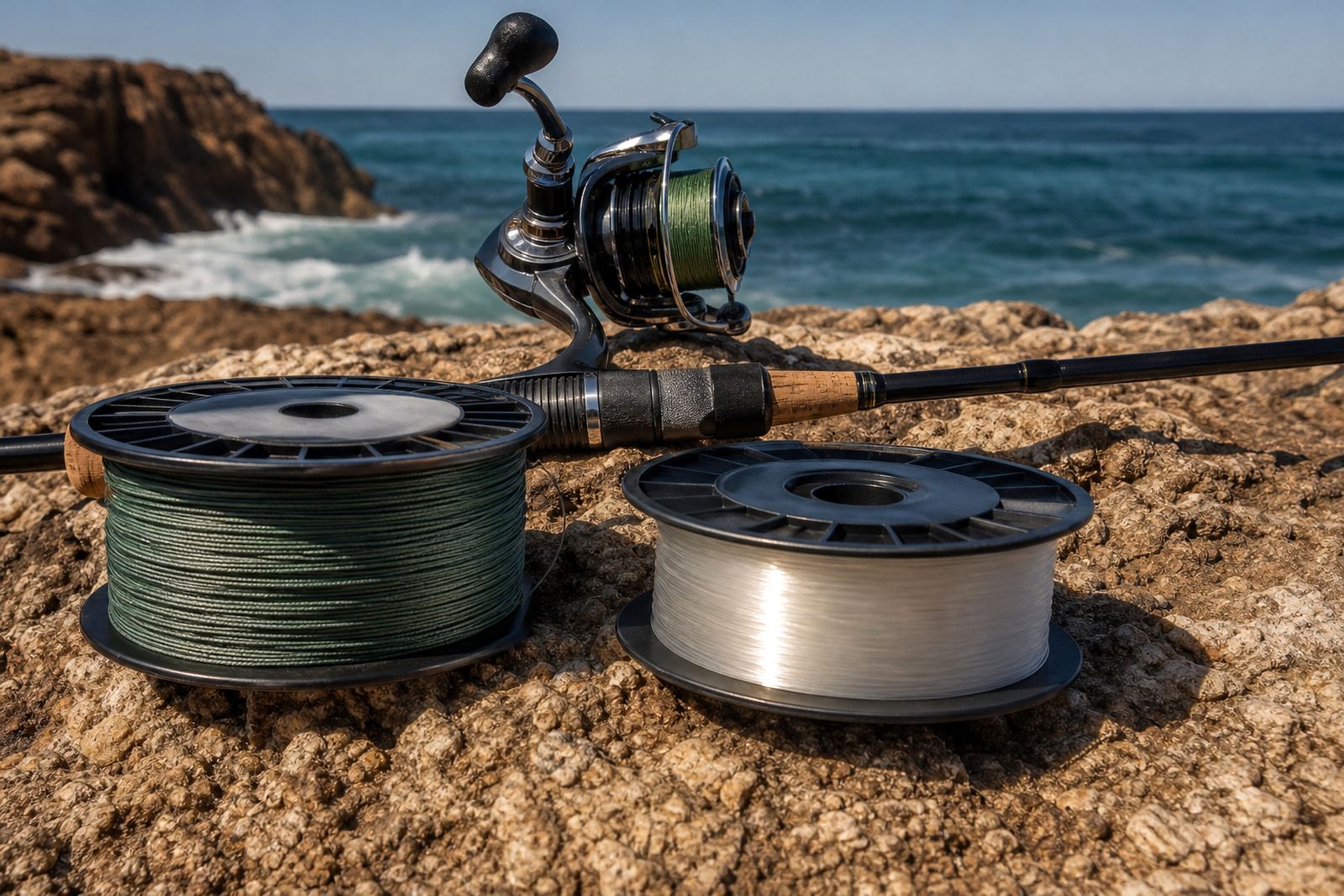
Line choice matters just as much. Too thick and you lose casting distance, too thin and you lose fish around snags or reef. Many beginners spool up with whatever line is on special, then wonder why the reel overruns or the knots fail. A simple rule is to choose line based on the type of fishing, then check the reel capacity and the rod rating before you load it. If the line does not suit the reel, the drag will feel wrong and casting will suffer.
Do not overcomplicate the rig before you can read a bite
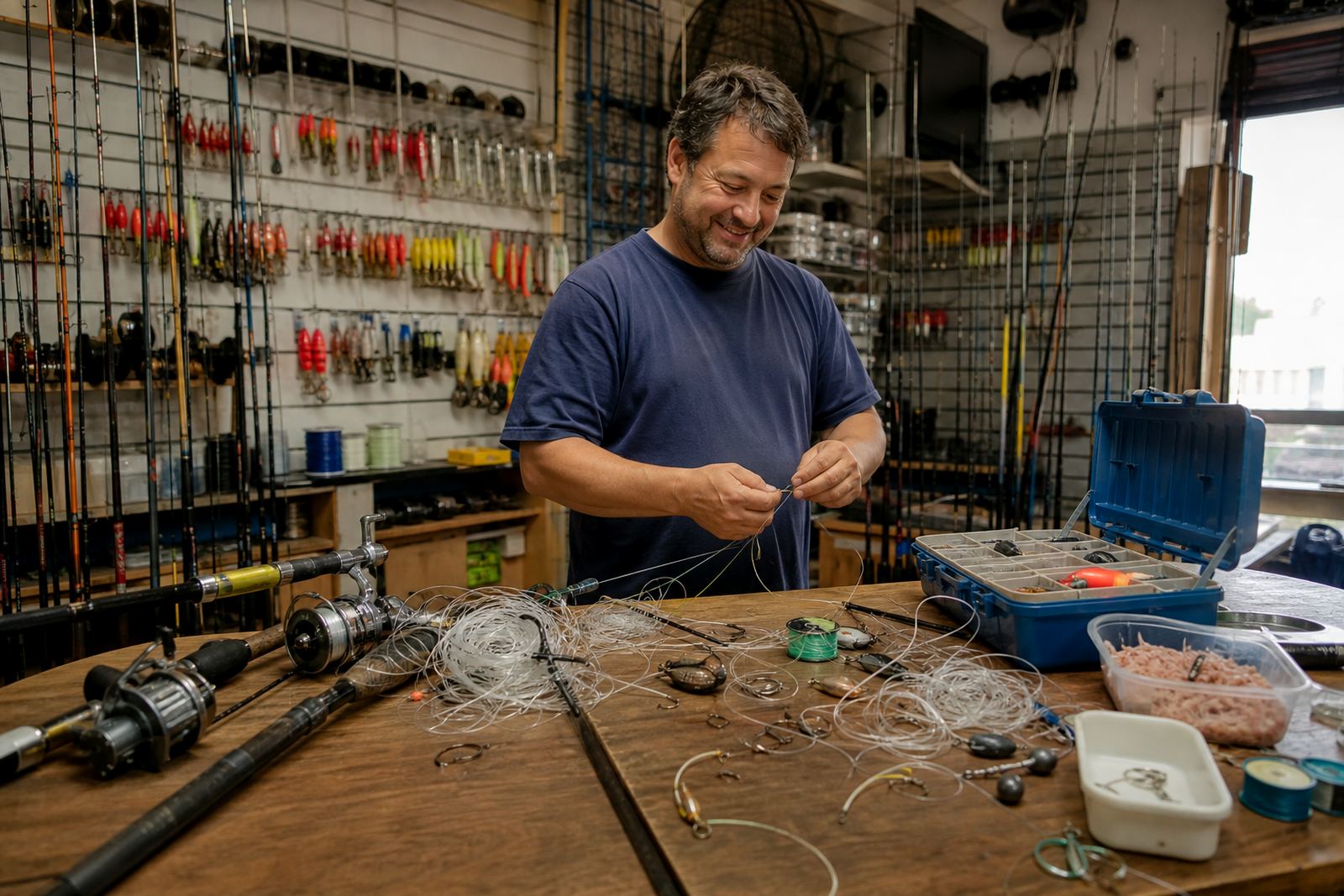
New anglers often tie rigs that are far more complicated than they need to be. A basic running sinker rig, a simple trace or a neat hook knot will catch plenty of fish if it is tied properly. The problem is not that fancy rigs never work, it is that beginners usually do not know why they are using them. Start simple, learn how the bait behaves and then add more detail once you understand the water.
Keep an eye on these common rigging errors:
- Using hooks that are too large for the bait or too small for the fish you want
- Leaving knots untrimmed so weed and debris catch on the line
- Overloading the trace with swivels and beads that add little value
- Forgetting to check the sinker size for current, wind or surf wash
- Not retying after abrasion from rocks, shell or a snag
A good rig should be neat, practical and easy to repeat. If you cannot tie it cleanly at home, it will be a headache on the bank or beach.
Handle bait properly or it loses its appeal fast
Bait is where many beginners lose easy bites. Fresh bait that has been left in the sun too long will soften, dry out or start smelling wrong. In Durban and other coastal areas, heat and humidity can ruin bait quickly, especially if it sits in a vehicle boot while you sort out the rest of your kit. Keep bait cool, shaded and packed in containers that close well. If you are fishing on a windy morning at Ballito or chasing a quick session after work in Umhlanga, it helps to prep your bait before you leave home.
Do not overhandle bait either. Clean hands make a difference, because sunscreen, fuel residue and bait juices all affect scent and texture. Use enough bait to attract fish, but not so much that it falls off the hook on the cast. Freshwater anglers often waste bait by making pieces too large for the species they are targeting, while coastal anglers sometimes under-bait and expect a small offering to hold in rough water. Get the size right, and keep it secure.
- Store bait in a cooler bag or box when fishing for more than an hour
- Separate soft bait from hard bait so it does not crush in transit
- Carry a small cloth or wipes for hands before re-baiting
- Prep enough bait for the session, but not so much that it spoils
Do not pack tackle in a way that slows you down
Beginner tackle bags often become a jumble of hooks, traces, pliers, sinkers and spare line. Then the first fish is on the bite and nobody can find the right size hook. Pack by category and keep the most used items on top. If you are doing a family trip to the beach or a club morning at a dam, a bit of order saves time and stops missing gear. It also helps when you are fishing near rocks, jetties or municipal areas where you need to move quickly and keep the space tidy.
Think in terms of sessions, not just items. A bait fishing session needs hooks, trace material, sinkers, bait cotton, scissors and a landing tool. A lure session needs leaders, pliers, spare clips and a way to store lures without tangles. If you are heading out before dawn and load-shedding has affected your prep routine, sort your tackle the night before so you are not trying to pack in the dark. One missing item can turn a smooth morning into a frustrating one.
Learn the local conditions before you cast
Beginners often blame their tackle when the real issue is the conditions. Wind, current, tide, weed, water colour and pressure from other anglers all affect how you should fish. In Durban, a south swell and coloured water can change the way a bait sits on the bottom. In Cape Town, cold water and strong wind can demand longer casts and stronger knots. Around Gqeberha and East London, coastal conditions can shift from one day to the next, so what worked last weekend may not work today.
Freshwater spots have their own rules. A quiet dam near Johannesburg may need a more subtle approach than a flowing river outside Pietermaritzburg. If the fish are small or wary, downsizing the hook and keeping the presentation tidy will often beat forcing a bigger bait. Ask local anglers, check the water and adjust before you change everything in your tackle bag.
A simple Durban example that shows the difference
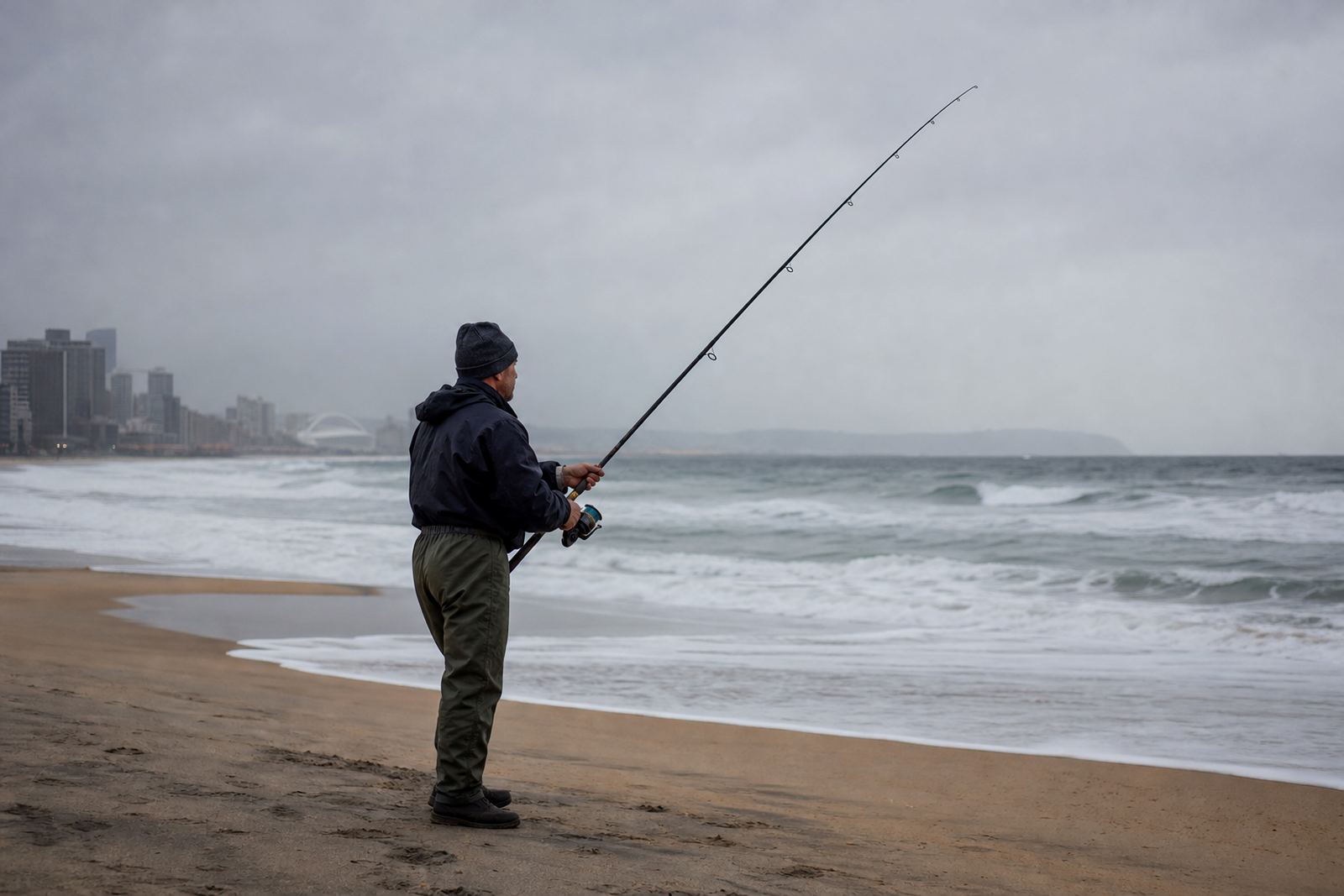
Take a first-time angler heading to the Durban beachfront on a warm Saturday. He packs a very heavy rig, thick line, old bait left in the car and a bag full of mixed tackle that he cannot sort through. By mid-morning, the line has twisted, the bait is soft, and every change takes too long. The fish are there, but the setup is working against him.
Now compare that with a cleaner approach: matched rod and reel, line suited to the job, a simple rig, fresh bait kept cool, and a tackle bag packed for the session. The angler spends less time fixing problems and more time fishing. That is the main lesson for beginners. The best gear is not the gear with the most parts, it is the gear that suits the water and can be used without fuss.
If you are unsure about the right reel size, leader strength, bait setup or trace for your next trip, it is worth asking for practical advice before you buy. A few careful choices at the start can save you from repeat mistakes and help you build confidence on the water.