Why summer estuaries fish differently
When the temperature climbs, estuaries in places like Durban, the KZN North Coast and the Eastern Cape can turn lively very quickly. Small baitfish gather in pockets of shade, prawns move with the tide, and species such as grunter, kob, leervis and shad often hunt with less hesitation than they do in cooler months. That means the lure has to look alive from the first crank, not after ten seconds of dead water.
Warm water also changes your timing. In summer, fish often feed harder early morning, late afternoon and after a tide change, especially where the current brings in fresh food. If the water is stained after rain, or the sun is high and bright, lure profile matters as much as colour. A lure that tracks cleanly and stays in the strike zone for a short, convincing burst will usually beat a flashy option that works only on the drop.
- Look for moving water near creek mouths, sandbank edges and bridge pilings.
- Watch for nervous bait, surface flicks and bird activity before choosing a lure.
- Use the tide to your favour, rather than forcing a spot that looks quiet.
Match lure size to the food around you
Summer estuaries are full of small prawns, juvenile mullet, glassies and tiny baitfish. That is why a lure that is too large can feel out of place. Many anglers still reach for oversized plastics when a smaller paddle tail or slim minnow would match the hatch better. In clear water, a compact lure often gets more confidence bites because it looks like something the fish already knows.
On the other hand, when the water is dirty after a storm or the estuary is coloured by tidal movement, a slightly bigger silhouette can help fish find the lure. This is where contrast comes in. You do not always need the brightest option, but you do need a shape the fish can detect quickly. A weedless plastic, a shallow hard body or a small jig-style lure can all work if the size suits the forage.
- Clear water: go smaller, slimmer and more natural.
- Stained water: use stronger contrast and a bit more profile.
- Heavy current: choose a lure that holds its line and does not tumble.
Colour choices that work in heat and sunlight
Colour in summer is not about guessing. It is about water colour, light level and pressure from fish that have seen plenty of lures. In bright Durban sun, natural baitfish shades can work well over sand and grass flats. In low light, overcast weather or deeper channels, stronger colours often help the lure stand out. Glow and reflective finishes can help in darker water, but only if the retrieve is steady and the lure is staying in the zone.
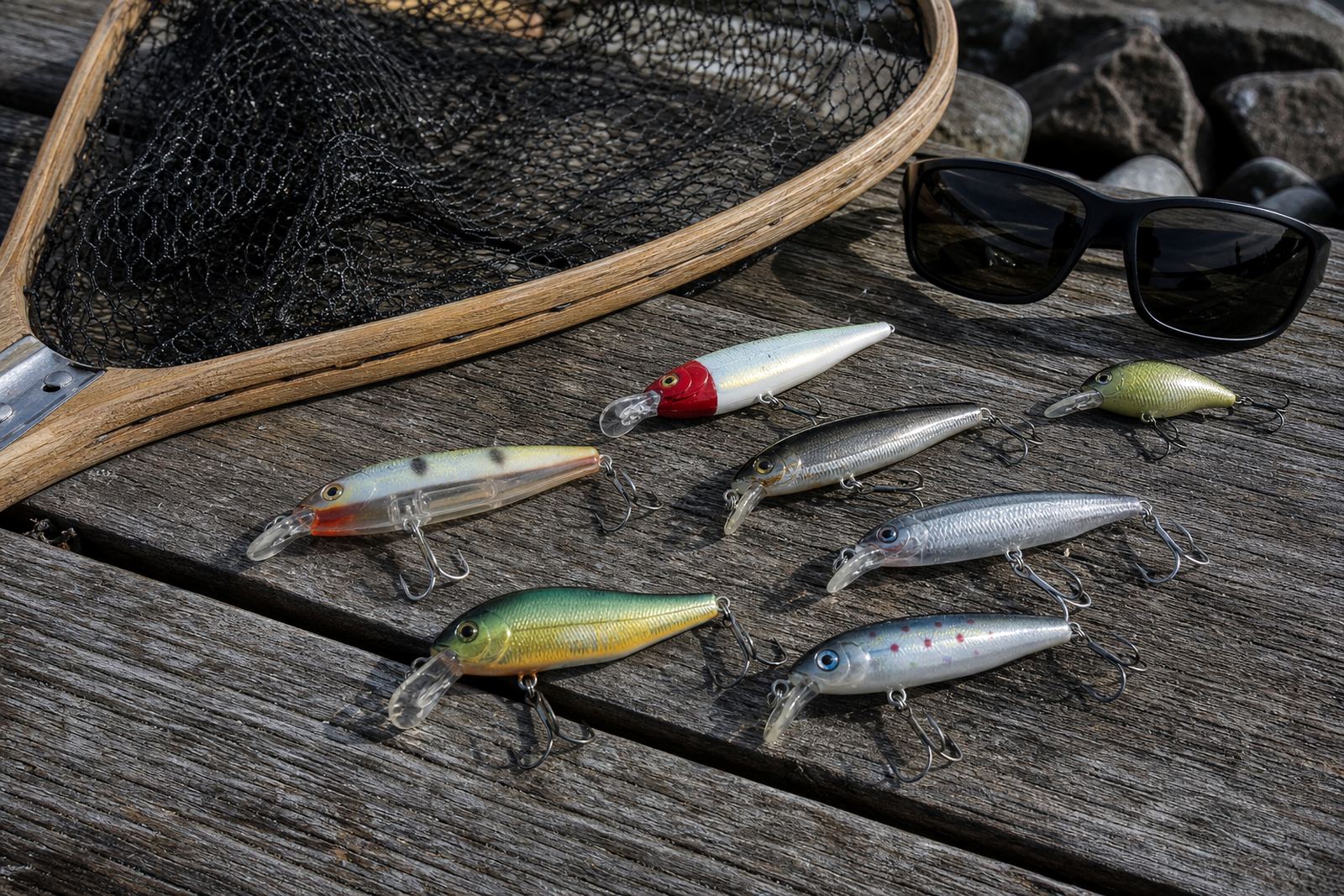
For many estuary anglers, the best results come from carrying three simple options: a natural pattern, a high-visibility pattern and a darker profile for contrast. That gives you enough range without overcomplicating the day. If you are fishing after load-shedding in the early evening, or under poor light near a river mouth, a darker lure can actually show up better than a pale one because it makes a clear shape against the water surface.
- Natural colours for clear water and bright sun.
- Chartreuse, orange or silver accents for dirty water or low light.
- Darker bodies for strong silhouettes at dawn, dusk and after rain.
Retrieve speed: fast enough to trigger, slow enough to sell it
Warm water usually means a quicker response from fish, but that does not mean every retrieve must be fast. The trick is to start with a steady pace and then change rhythm. A summer estuary retrieve often works best when the lure is moving just fast enough to look alive, with the occasional pause, twitch or speed burst. That small change can make a fish commit, especially when it has followed the lure for several metres.
For species that sit tight to structure, a slower retrieve with short hops can look more natural. For active predators chasing bait across open water, a faster, more consistent retrieve may draw a reaction strike. If you are using soft plastics, let them sink briefly before you begin the retrieve. If you are using a hard lure, keep it tracking straight and avoid overworking it. Too much action can turn summer fish off quick.
- Start steady, then add one or two quick twitches.
- Pause briefly near potholes, wall edges and current seams.
- Speed up only when the fish show signs of chasing.
A Durban summer example on a dropping tide
Take a summer afternoon at the Mhlanga lagoon edge or any similar Durban estuary section after a hot day. The tide starts to fall, baitfish are pushed through a narrow channel, and the water has a little colour from the outgoing flow. A local angler throwing a small minnow-style lure with a steady retrieve may get followed, but not eaten. The moment the retrieve changes, maybe a brief stop and then a quicker burst, the fish often strikes on the restart.
This is where local knowledge pays. In Durban, warmer water and tidal pressure can make fish picky about speed, especially in areas with constant angling pressure. If the same lure is worked too quickly through a shallow flat, it can look unnatural. If it is dragged too slowly through current, it may lose its action. The sweet spot is usually somewhere between, and it can change from one tide to the next.
That is why anglers in Springfield Park and along the coast often keep a few lure styles ready before the session starts. Changing from a slim lure to a paddle tail, or from a floating option to a sinking one, can be the difference between a follow and a proper hookup.
Build a summer estuary lure box that can cope with local conditions
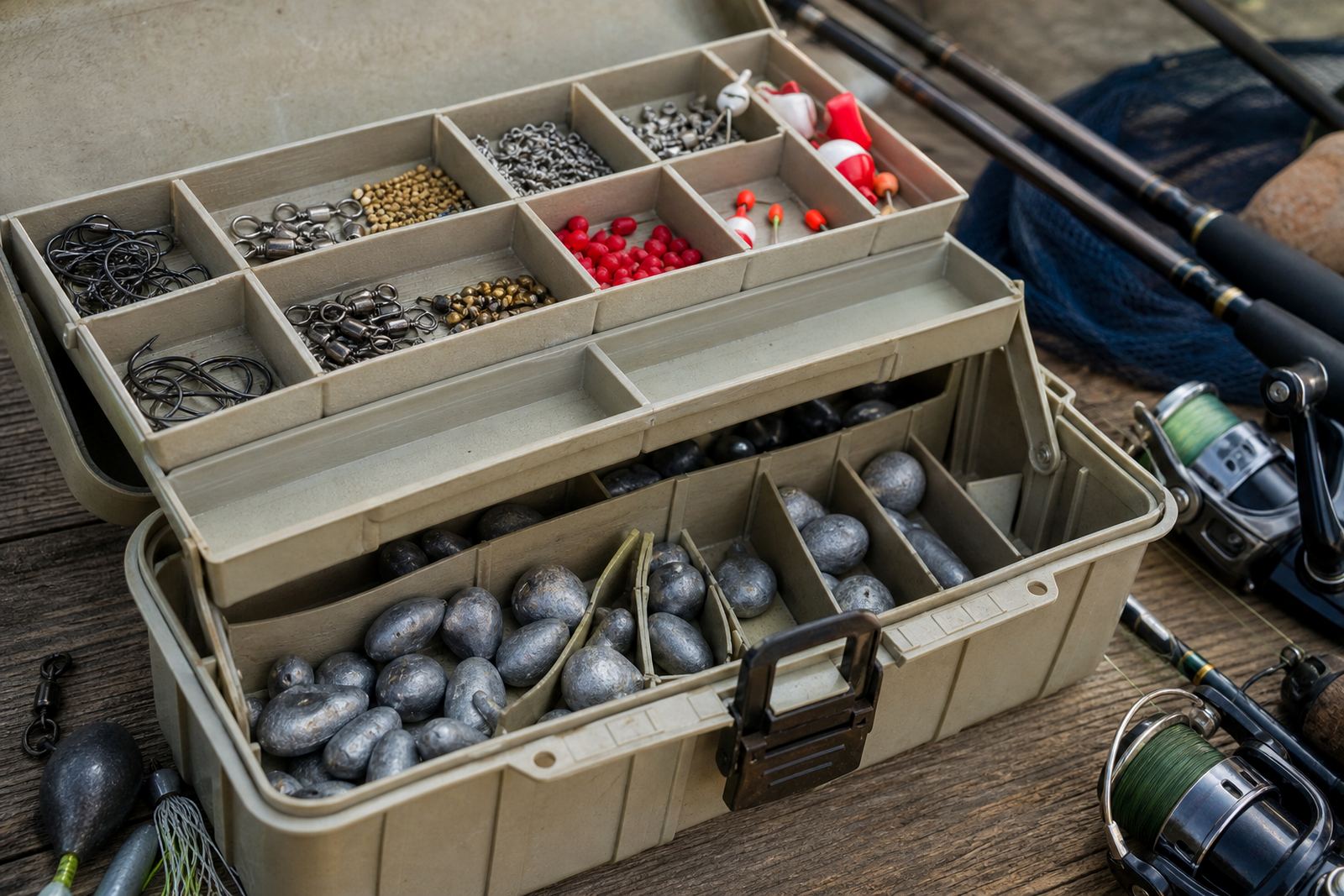
You do not need a huge pile of lures to fish estuaries well in summer. You need a small, sensible spread that covers clear water, dirty water, shallow flats and deeper holes. With the right choices, you can adapt quickly to tide, wind and sunlight without wasting time. A compact box also helps when you are fishing from the shore, a boat, or a launch point where space is limited.
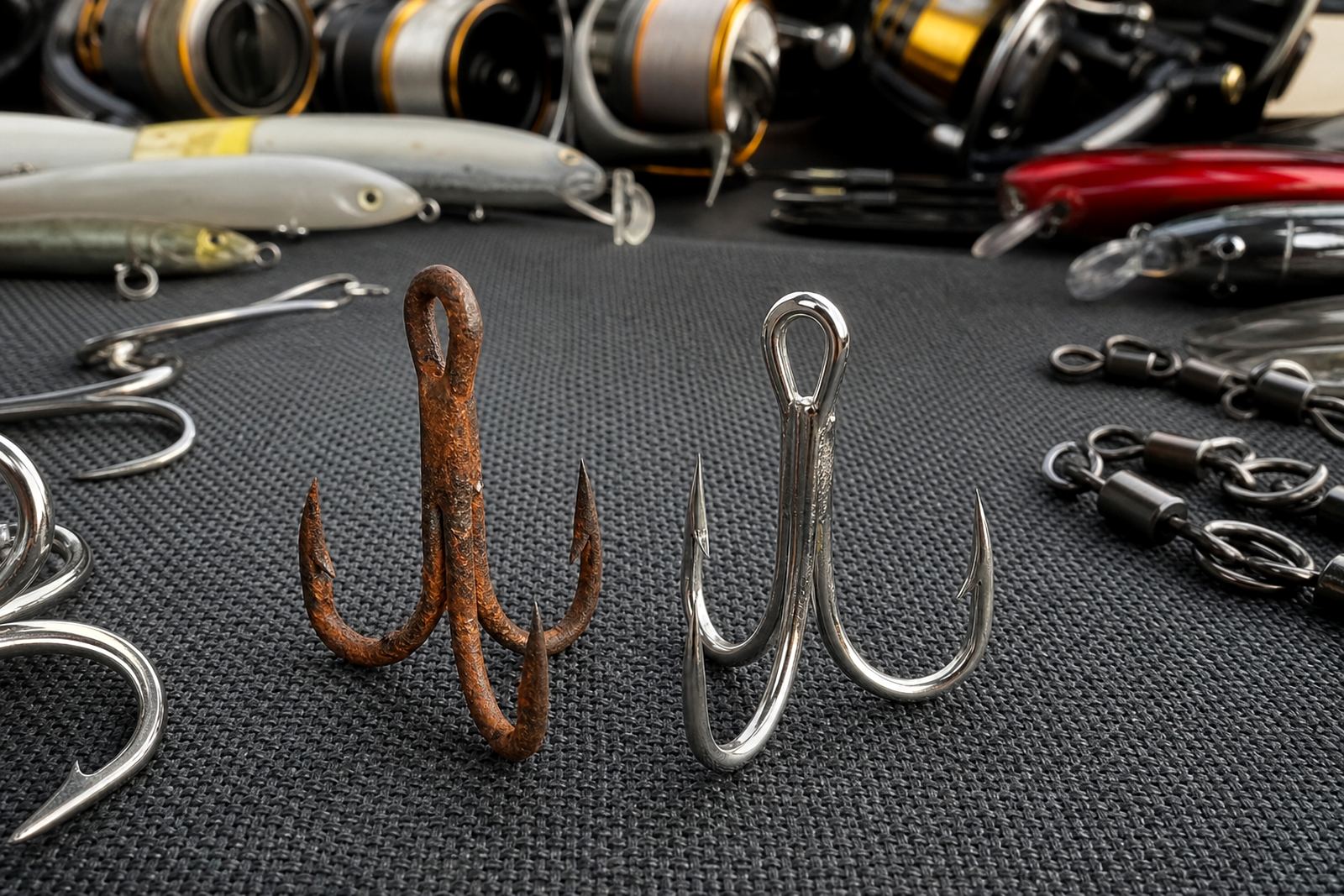
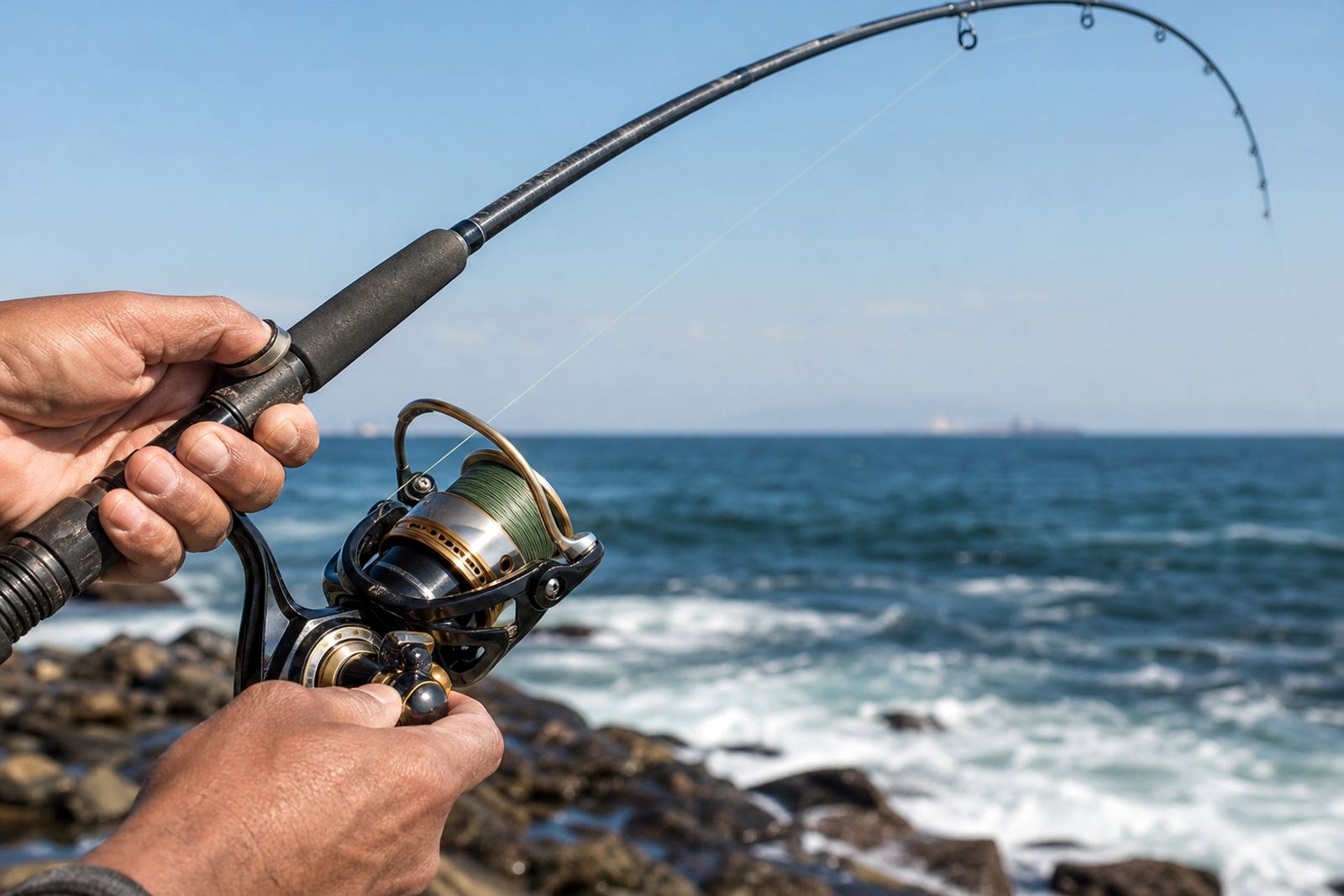
For South African estuaries, it helps to keep your tackle ready for heat, salt and rough handling. Rinse gear after each session, check hooks for rust, and replace split rings or snaps that have opened under pressure. Coastal humidity in KwaZulu-Natal can punish neglected tackle, so a little maintenance goes a long way. If you are fishing regularly, your reel should also be serviced before summer gets into full swing.
- Carry one natural lure, one bright lure and one dark lure.
- Include both fast-sinking and shallow-running options.
- Keep spare hooks, leaders and a small pair of pliers close at hand.
The practical rule for summer success
In summer estuaries, the best lure is often the one that looks like easy food and moves with purpose. Choose a size that matches what fish are already eating, pick a colour that suits the water, and adjust your retrieve until the lure feels right in the current. If the water is warm and the fish are active, do not overthink it. Keep it simple, keep it accurate and let the tide work for you.
Anglers who fish from Durban through to Cape Town, Gqeberha, East London and inland spots around Johannesburg all face different water conditions, but the same basic rule still applies: summer fish respond to movement and timing. Get those two things right and your lure choice starts making a lot more sense. Its a small adjustment, but it can turn a quiet session into a proper one.