Start with the way you actually fish
The best tackle box is not the one with the most compartments, it is the one that matches your fishing. A Durban surf angler will carry different terminal tackle from a freshwater angler heading to the Vaal or a weekend dam near Pietermaritzburg. If you fish both, keep separate boxes or at least separate trays so coastal gear does not get mixed with lighter freshwater items.
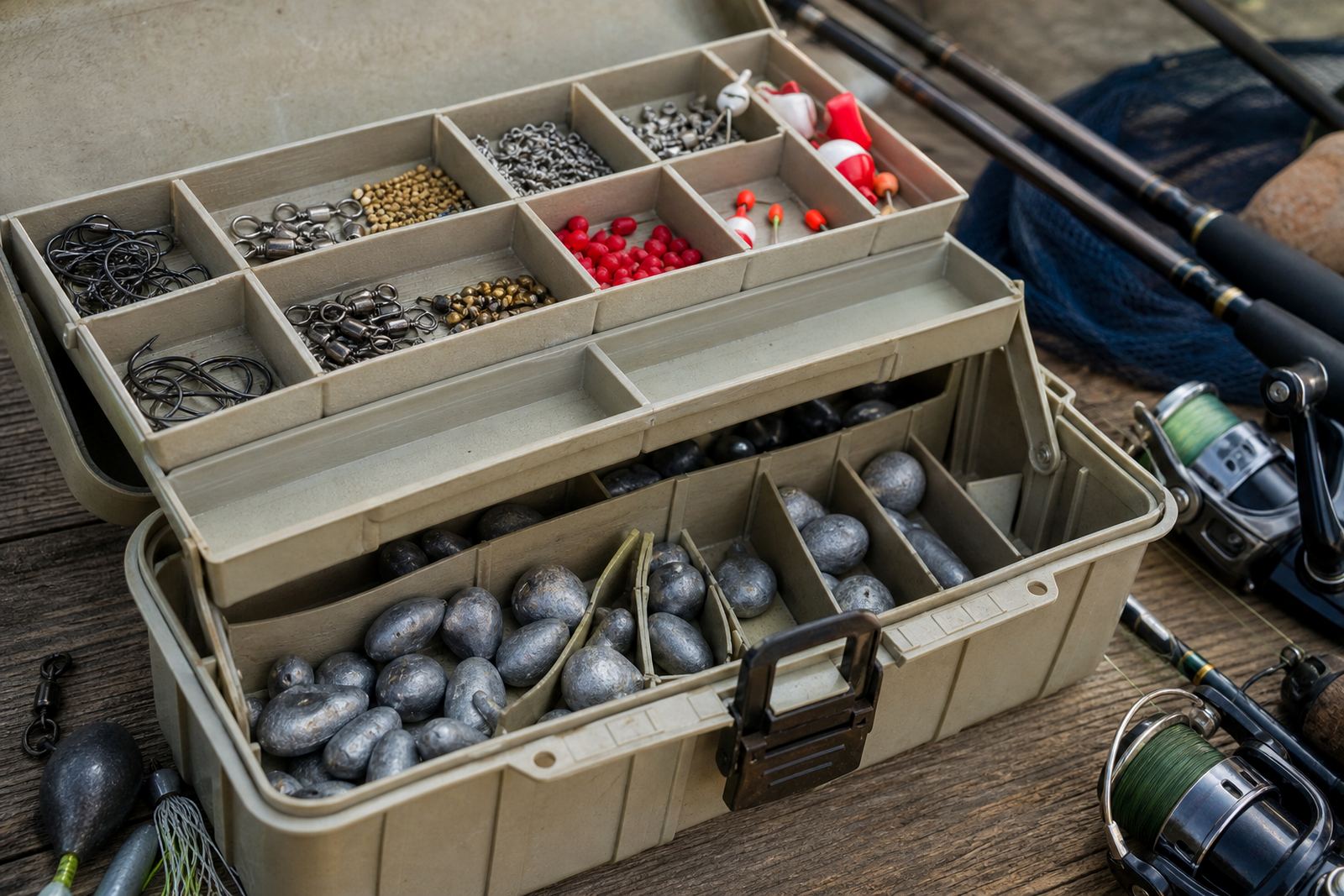
Start by grouping your kit into clear use zones. Keep hooks with hooks, sinkers with sinkers, beads with beads, swivels with swivels. When everything has a place, you can re-stock fast after a session and you will see gaps before your next trip. That matters when you are leaving early for a dawn tide or packing after work and the light is fading.
- Coastal box for sinkers, traces, circle hooks and heavier swivels
- Freshwater box for smaller hooks, floats, split shot and lighter line accessories
- Bait and terminal section for bait cotton, leaders, clips and spare rigs
- Small repair kit with scissors, pliers, braid cutters and spare split rings
For anglers who fish around Springfield Park, Umhlanga, Ballito, or even on orders sent to Cape Town, Johannesburg, Gqeberha and East London, the rule is the same: sort by use, not by habit.
Use compartments that stop gear from moving around
Loose gear wastes time and damages tackle. If hooks slide into sinkers or swivels rub against soft plastics, you end up with bent points, scratched coating, and a mess that takes ages to sort out. Clear compartment boxes help, but the size of each section matters just as much as the lid.
Choose containers with compartments that fit the size of your most-used tackle. Long slots work well for traces and ready-made leaders. Smaller sections suit beads, rings, crimps, and spare clips. If you fish from the surf, make sure the lid seals properly because fine sand and salt spray get into everything. On the coast, a box that closes firmly is worth more than one with fancy extras.
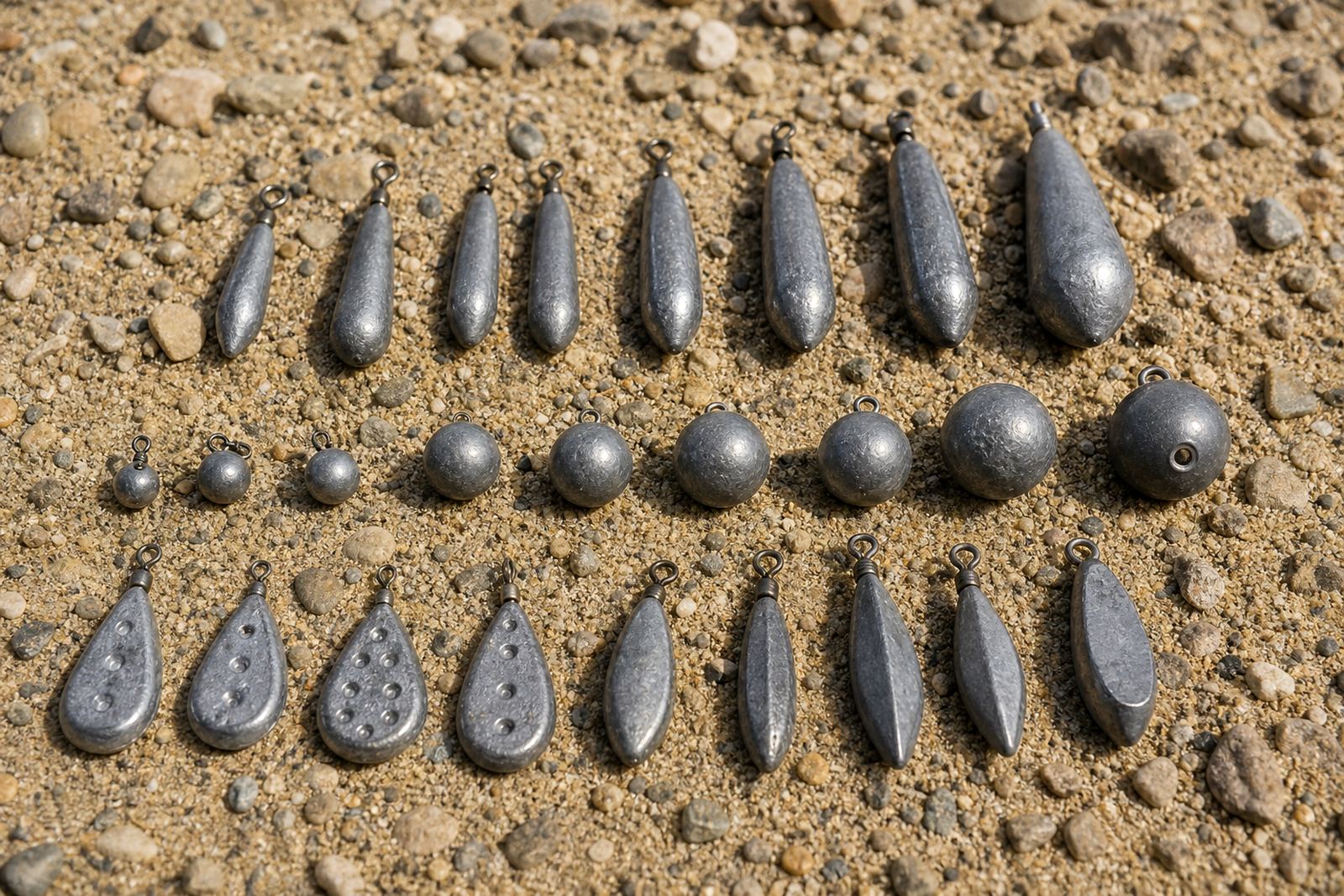
- Use deeper sections for sinkers and metal accessories
- Use shallow sections for small hooks and tiny hardware
- Keep one long section for pre-tied traces or rigs
- Label trays if you switch between coastal and freshwater sessions often
In humid Durban weather, a mixed box can rust from the inside out if you forget a wet trace or damp hook packet. A little discipline here saves real money over time, and it keeps your setup ready when load-shedding interrupts your evening prep and you have to pack quickly by torch light.
Protect hooks, swivels and sinkers from rust
South African anglers who fish near the sea know how fast salt can work its way into tackle. Even if you rinse your gear after a session, moisture can linger in a tackle box. That is why storage is not only about neatness, it is about keeping metal parts usable.
After each trip, open the box and let it dry fully. Wipe down damp items before they go back in. If you store tackle in the garage or a bakkie cab, keep it off the floor and away from direct sun, which can warp soft plastics and weaken some packaging. Small silica packs help, but they are not a replacement for proper drying.
- Remove wet traces and bait residue before re-packing
- Store hooks in closed packets or sealed containers
- Keep sinkers separate from plated hardware to reduce abrasion
- Check for rust spots every few weeks, especially in summer
For anglers along the KwaZulu-Natal coast, a quick rinse is not enough on its own. Salt air in Durban, Ballito and along the North Coast can affect tackle even when it has not been in the water. If you store gear carefully, your hooks stay sharper and your reels, traces and terminal tackle last longer.
Make bait, traces and terminal tackle easy to reach
When you are on the water, the items you use most should be the easiest to grab. Keep baiting tools, spare hooks, leaders and trace parts in the top layer or in a tray you can lift out quickly. If you are constantly digging through layers of unused gear, you will waste fishing time and create more mess than you started with.
A useful setup is to divide your tackle box into three working groups. One group is for active fishing items, one is for back-up items, and one is for home storage. The active section should include the gear you need for rigging, rebaiting, and quick adjustments. The back-up section can hold less-used sizes and spares. The home section is where you keep bulk stock and items for future sessions.
- Active section: hooks, swivels, leaders, traces, sinkers and scissors
- Back-up section: extra sizes, duplicate rigs, spare beads and rings
- Home section: bulk packs, bait prep items and club order stock
This kind of layout also makes it easier to help family or club members. If you are packing for a group trip from Johannesburg or a weekend session near East London, you can check each category without opening every packet. It saves time and keeps the box from turning into a jumble by the second outing.
Build a simple box for different trips
Not every session needs the same tackle box. A short afternoon cast near the harbour is different from a full-day freshwater session, and both are different again from a club outing. Keep a basic box for everyday use and a second box for bigger trips or specialised fishing.
This approach helps if you fish a range of water types. Coastal anglers may need heavier sinkers, stronger traces and baiting gear, while freshwater anglers often rely on smaller hooks, floats and lighter terminal tackle. By separating these setups, you avoid carrying unnecessary weight and you reduce the chance of packing the wrong item.
- Small box for quick sessions and light travel
- Medium box for regular weekend fishing
- Specialist box for surf, rock, estuary or freshwater trips
- Repair pouch for broken tips, guide checks and line issues
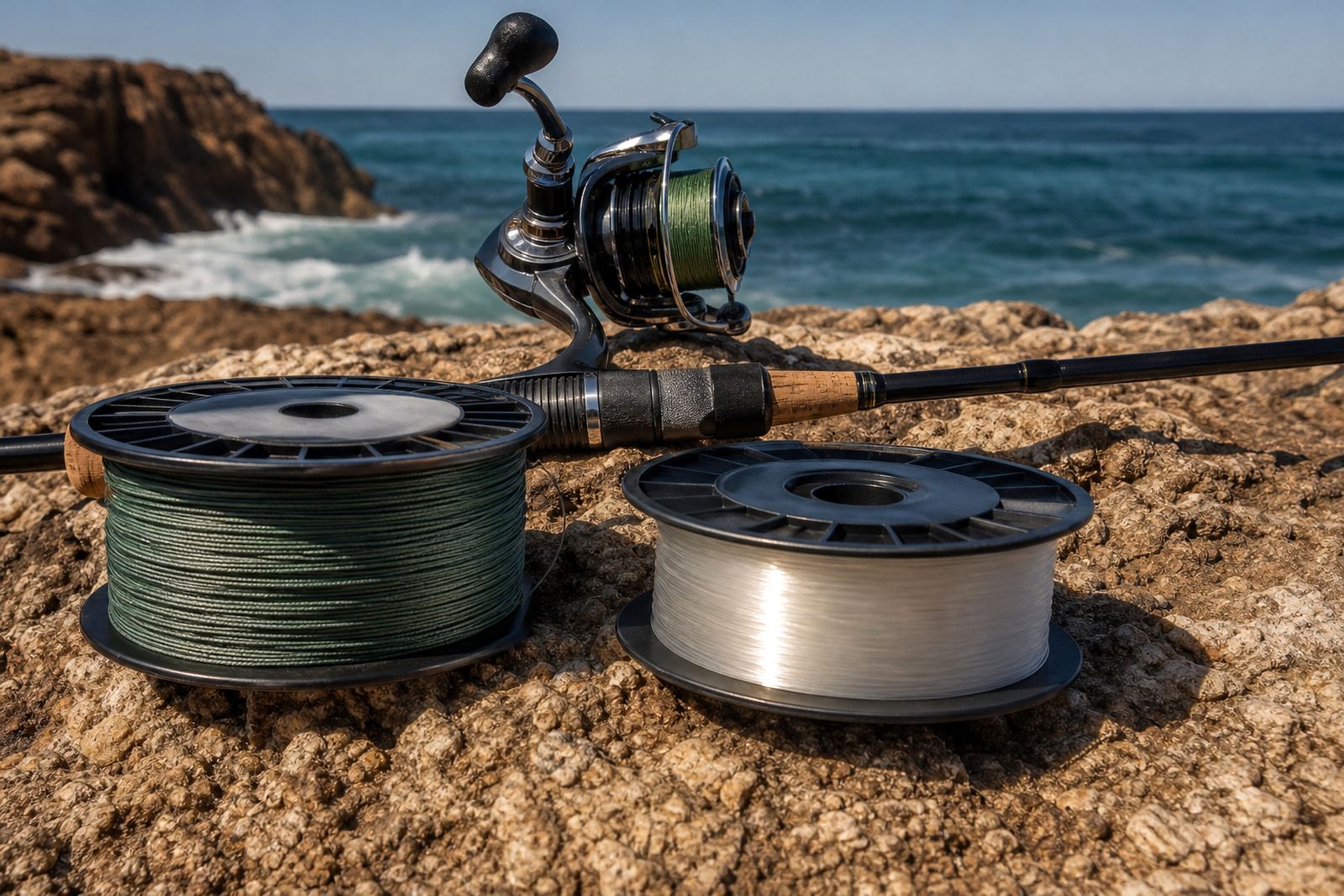
If a reel needs servicing, line spooling, or drag tuning before a trip, sort the tackle box at the same time. That way the rod, reel and storage system work together instead of being handled as separate jobs. It is a small habit, but it keeps the whole kit in better shape.
A Durban example: sorting tackle before a coastal trip
Take a typical Durban angler getting ready for an early morning session after a busy week. The weather has been sticky, the garage is warm, and there was load-shedding the night before. The easiest way to lose time is to leave tackle in loose packets and trust memory. By the time the sun is up, you are still looking for the right sinker size or a fresh trace.
A better routine is to pack the night before. Dry the gear, check the hooks, top up sinkers, and make sure bait items are in a separate bag. Put the most-used items at the front and keep backup stock behind them. If something is running low, write it down right away so you do not forget before the next outing. That one habit cuts down on wasted trips to the shop and stops you from arriving underprepared.
It also helps to keep a small note inside the box for common rig setups. If you fish the same stretch regularly, you will know which trace, hook size, and sinker weight works best in that area. The note is not fancy, but it is practical and quick to check when you are packing in a hurry.
Keep your system tight with regular stock checks
A tackle box only stays useful if you keep it updated. Once a month, empty it onto a clean surface and sort through every item. Throw out damaged hooks, bent swivels, split sinkers, and any baiting accessories that have cracked or gone brittle. Replace anything that is too small a quantity to be useful on a proper trip.
Use the clean-out to make sure your box still suits the way you fish. Your needs may change through the season, especially if you start fishing different water, join a club, or take on more coastal sessions. A simple stock check also helps with bulk club orders because you can see what is running low before it becomes a problem.
At Catches in Springfield Park, Durban, our team often sees anglers improve their setup just by organising what they already own. From rod and reel advice to trace making, starter setup and bait prep guidance, the goal is the same: less faffing around, more time fishing. A tidy tackle box is not about looking good. It is about being ready.