Check your light before you leave Springfield Park
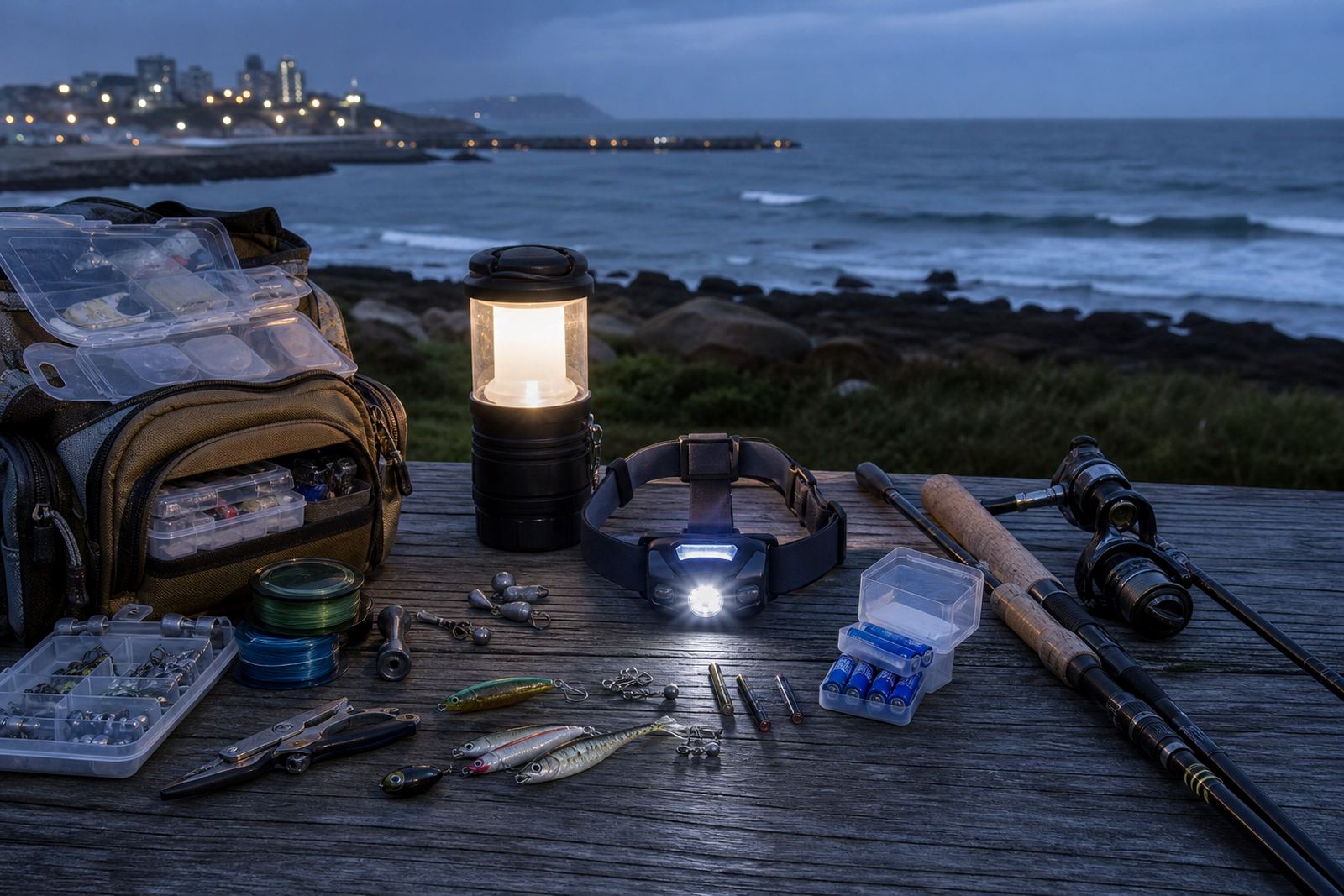
Night fishing in Durban, Ballito or along the KZN coast is much easier when your lighting is sorted at home. Test every torch, headlamp and clip-on light before you load the car, because a weak battery on the bank can turn a simple bait change into a full stop. If you fish after work, keep a spare set of batteries in the tackle bag and charge rechargeable lights the day before. Coastal humidity can also affect contacts and switches, so wipe gear dry after each trip and store it where it can breathe.
Keep one light for hands free work and another for walking back to the vehicle or moving along a breakwall. A small red mode can help preserve night vision, but a bright beam is still useful for knot work and checking trace details. Try to keep the beam pointed away from other anglers, especially on busy Durban spots where people fish shoulder to shoulder.
- Headlamp with fresh batteries or a full charge
- Small torch for backup
- Extra batteries in a dry pouch
- Soft cloth for wiping salt spray and sand
- Red light mode if your lamp has one
Pack tackle for quick access, not for show
At night, gear that is buried under layers of bags and boxes slows you down. Before you leave, load only what you will use and keep it in the same place every trip. A clean layout helps when the wind picks up near the surf or when you need to retie in the dark. Keep pliers, scissors, leader material and spare hooks in the top compartment, not at the bottom under bait and food.
For anglers working tidal zones, there is value in having one smaller rig ready to go and a second longer setup for changing conditions. That way you are not rebuilding from scratch when fish move in or when the tide starts pushing harder. Night sessions also bring more dropped items, so bright colours on tackle trays and tool handles can save time.
- Pre-rigged traces in labelled bags
- Leader material and spare sinkers
- Pliers, knife and line cutters within arm’s reach
- Glow sticks or line markers if you use them
- Dry towel for hands and bait work
Bait prep that works after dark
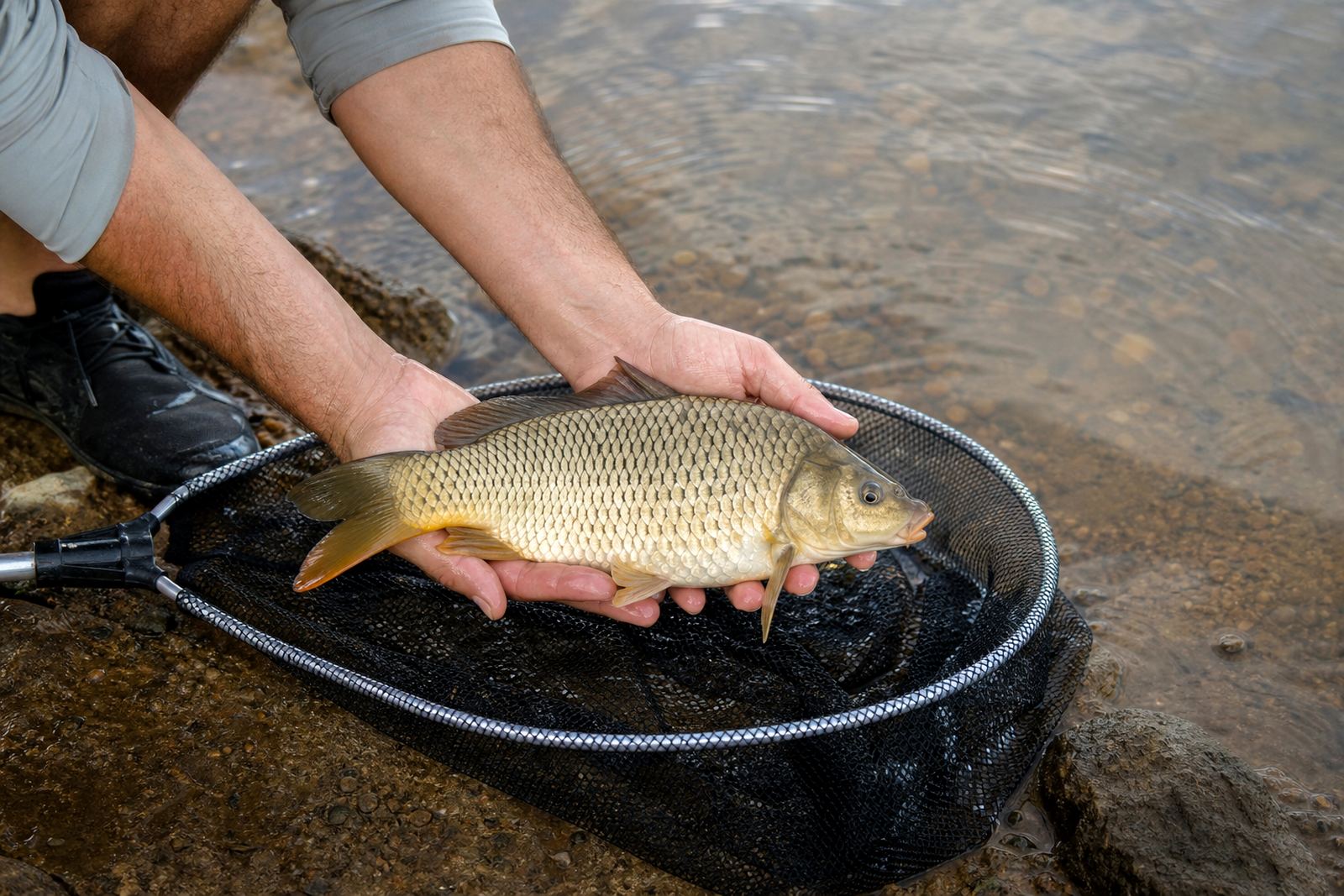
Bait prep is one of the easiest parts to overlook before a night outing. It is far better to sort bait at home than to stand in the dark trying to cut strips, mix ground bait or open sealed packs with cold hands. Keep bait portions simple and pack them in small containers so you can reach what you need fast. If you are heading to a freshwater spot near Pietermaritzburg or an estuary mouth, adjust the bait size and trace setup before you leave the house.
For bait that needs to stay firm, use a cooler bag with ice packs and do not leave it sitting in the boot for hours. If you are fishing saltwater in warm weather, bait can break down quickly, so check it often and replace soft pieces before they start slipping on the hook. A small bait board or tray also keeps things cleaner when the sand starts blowing.
- Pre-cut bait portions
- Small bait container or cooler bag
- Paper towel or cloth for mess
- Hookbait and attractor items kept separate
- Waterproof bag for used wraps and offcuts
Safer movement on rocks, sand and riverbanks
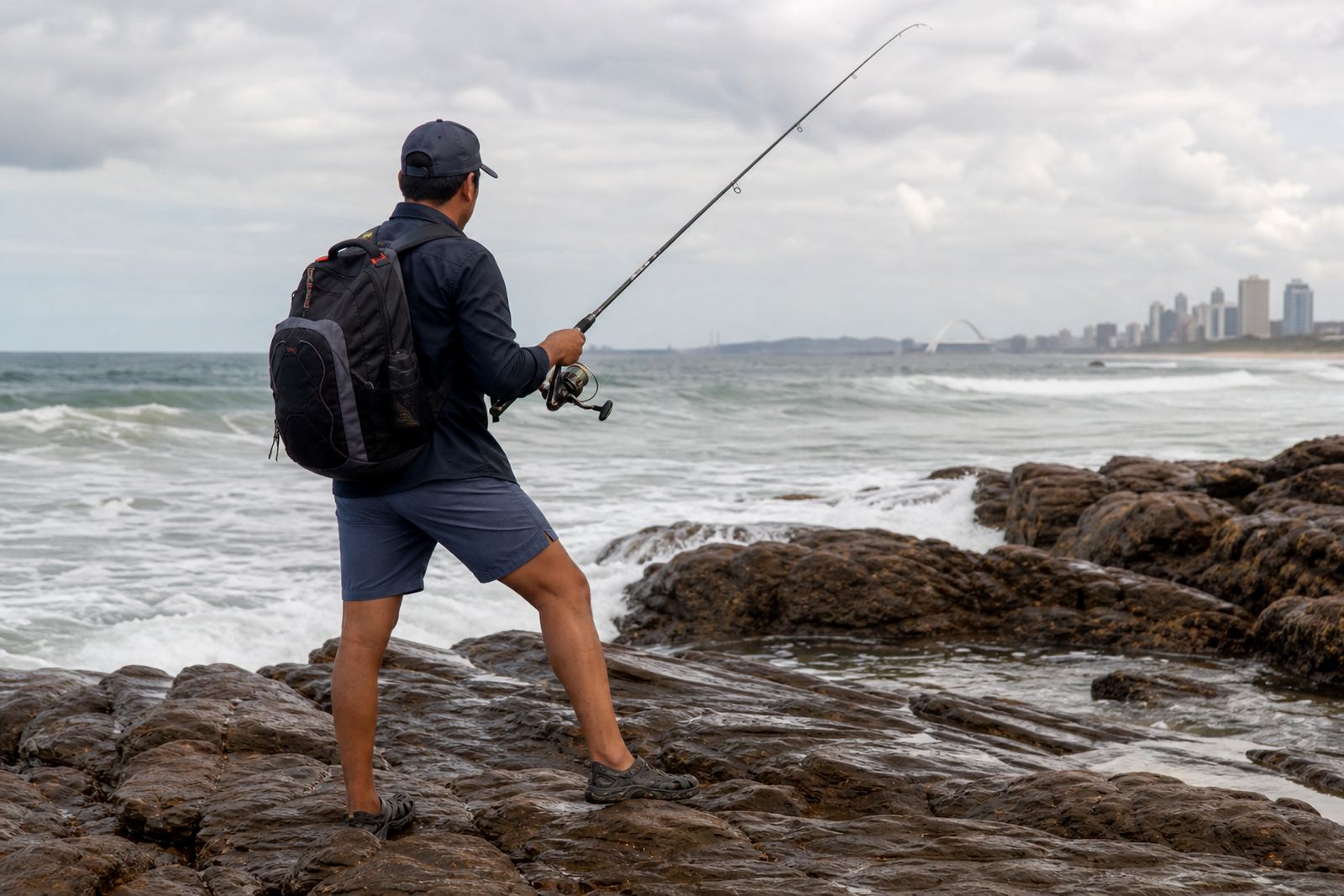
Night fishing means slower movement and better judgement. On a Durban shoreline, a wet rock can be just as dangerous as a strong sweep, and on inland banks loose ground can catch you out when you are carrying rods. Wear shoes with proper grip and keep your hands free when walking. If you need to move far from your set-up, wind the line in first rather than leaving rods unattended in the dark.
Know the exits before sunset. Check where the tide line is, where the walkway sits and whether your chosen spot has any municipal rules about access, parking or closing times. In some areas there may also be security patrols or restricted zones, so it pays to arrive early and ask around before setting up. A good night session is calm, not rushed.
Tell someone where you are going and when you expect to be back. That small habit matters when you are fishing quieter areas around the KwaZulu-Natal coast or heading out for a late freshwater session inland.
Use the right setup for your target and conditions
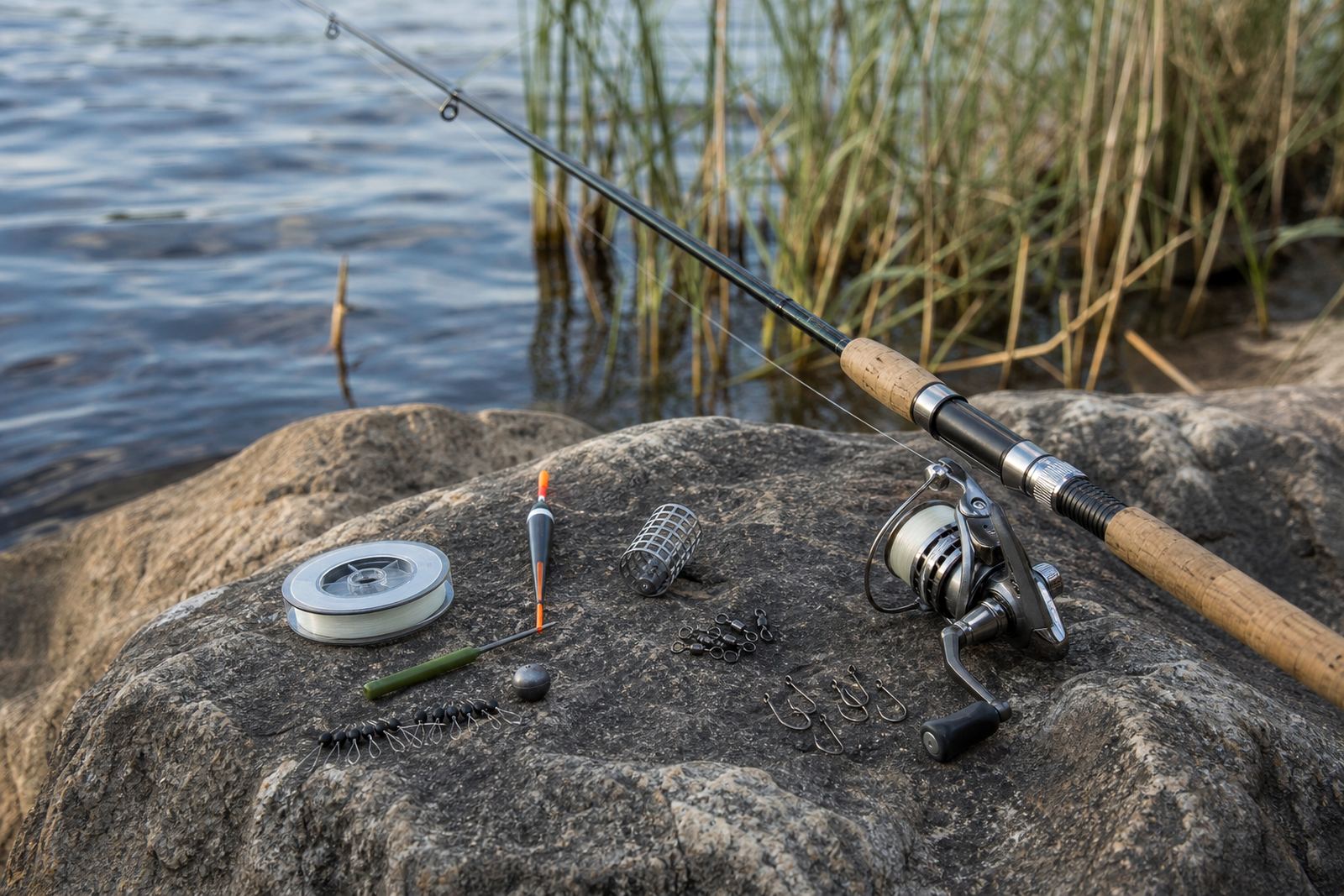
There is no single night rig that suits every spot. A cleaner setup for surf fish near Durban may need stronger line and longer casting room, while a river or dam session may call for lighter tackle and more sensitivity. Before you leave, check that your reel drag is smooth, your line is in good condition and your rod guides are clear of cracks. If you have had line twist or rough drag lately, get it sorted before the trip, not after a fish takes off.
At Catches, we often see anglers lose time on simple issues like a damaged rod tip, a tangled leader or a reel that has not been serviced in months. A night session is not the place for guesswork. Match your hook size, sinker weight and trace length to the bait you are using and the water you expect. If conditions are rough or there is extra weed in the water, keep a spare rig ready.
A Durban example: short session, clean plan
Take a late weekday session from Springfield Park down to the Durban coast after work. If your gear is already packed, your lights are charged and your bait is sorted, you can arrive, set up and start fishing without faffing around. That matters when you only have two or three hours before you need to head back. With night fishing, preparation is what gives you time on the water.
A simple checklist before leaving home can be the difference between a steady session and a frustrating one. Check the reel, check the battery, check the bait, then check your exit route. If anything looks off, fix it first. The sea will still be there tomorrow, and so will the fish.
If you need help with reel servicing, line spooling, rod tip repair or a starter setup for night fishing, our team in Durban can assist through the enquiry form on our contact page.