Why careful handling matters for every angler
Handling a fish well is not only about looking after the catch. It also reduces stress on the fish, lowers the chance of a hook injury turning nasty, and helps you avoid cuts from fins, gills and sharp teeth. In warm South African conditions, fish can go downhill quickly if they are left on a hot deck, in dry grass or in a net for too long.
Whether you are fishing the Durban beachfront, the Umhlanga rocks, a Cape freshwater venue or a weekend dam outside Johannesburg, the basic rule stays the same: do the least harm possible while you sort out the fish. That means getting ready before the bite, working quickly and keeping the fish supported properly. A calm, organised approach often makes the difference between a healthy release and a fish that struggles badly after being let go.
Prepare before the fish reaches the bank
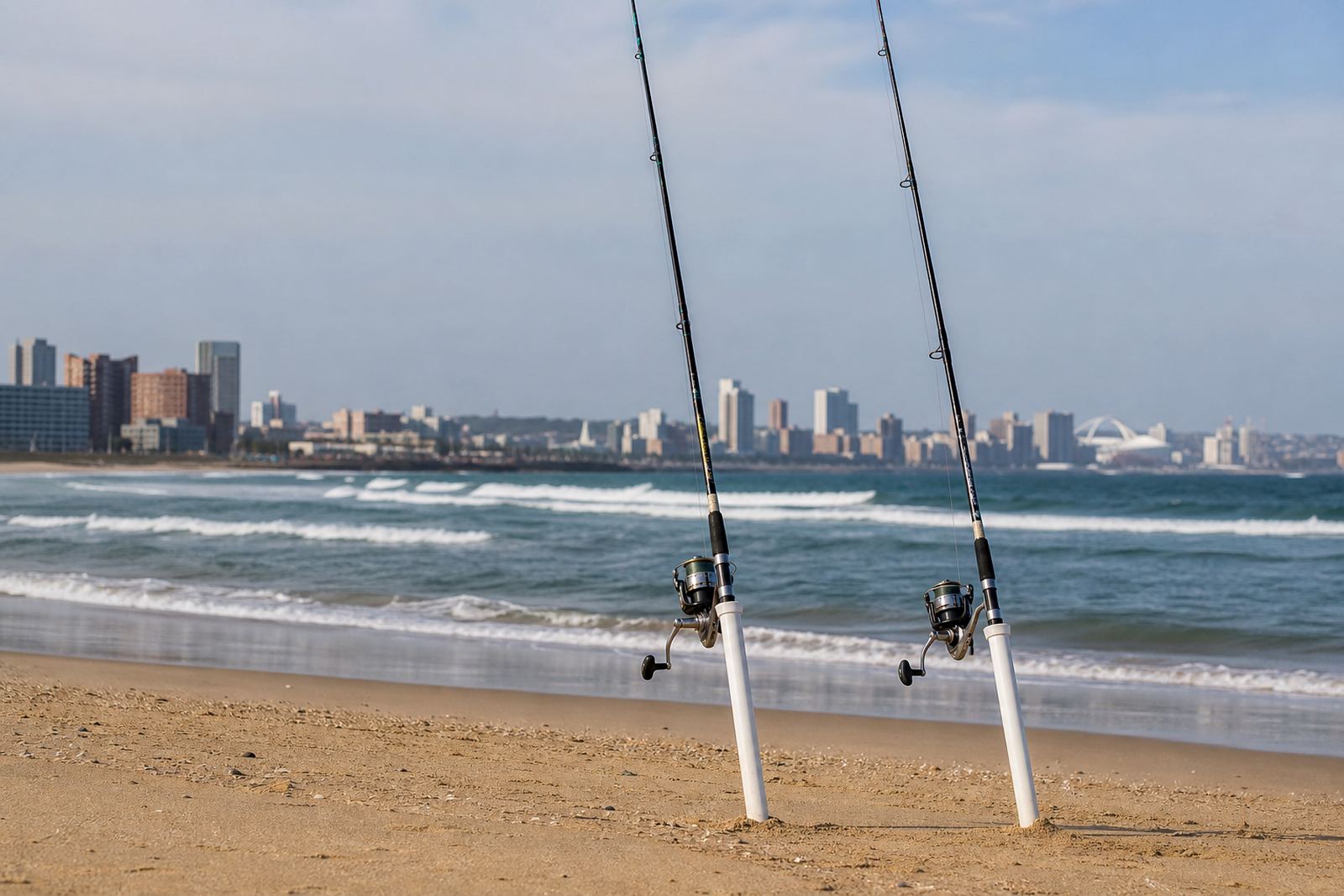
Good handling starts before you cast. Keep your landing net, hook remover, pliers, camera, wet cloth and release tool within reach. If you need to hunt around in the tackle box while the fish flaps on the sand, you have already lost time and added stress. For surf anglers, a low sling seat or bucket can help keep gear off wet sand and salt spray. For boat or harbour work, make sure the deck is clear and not slippery.
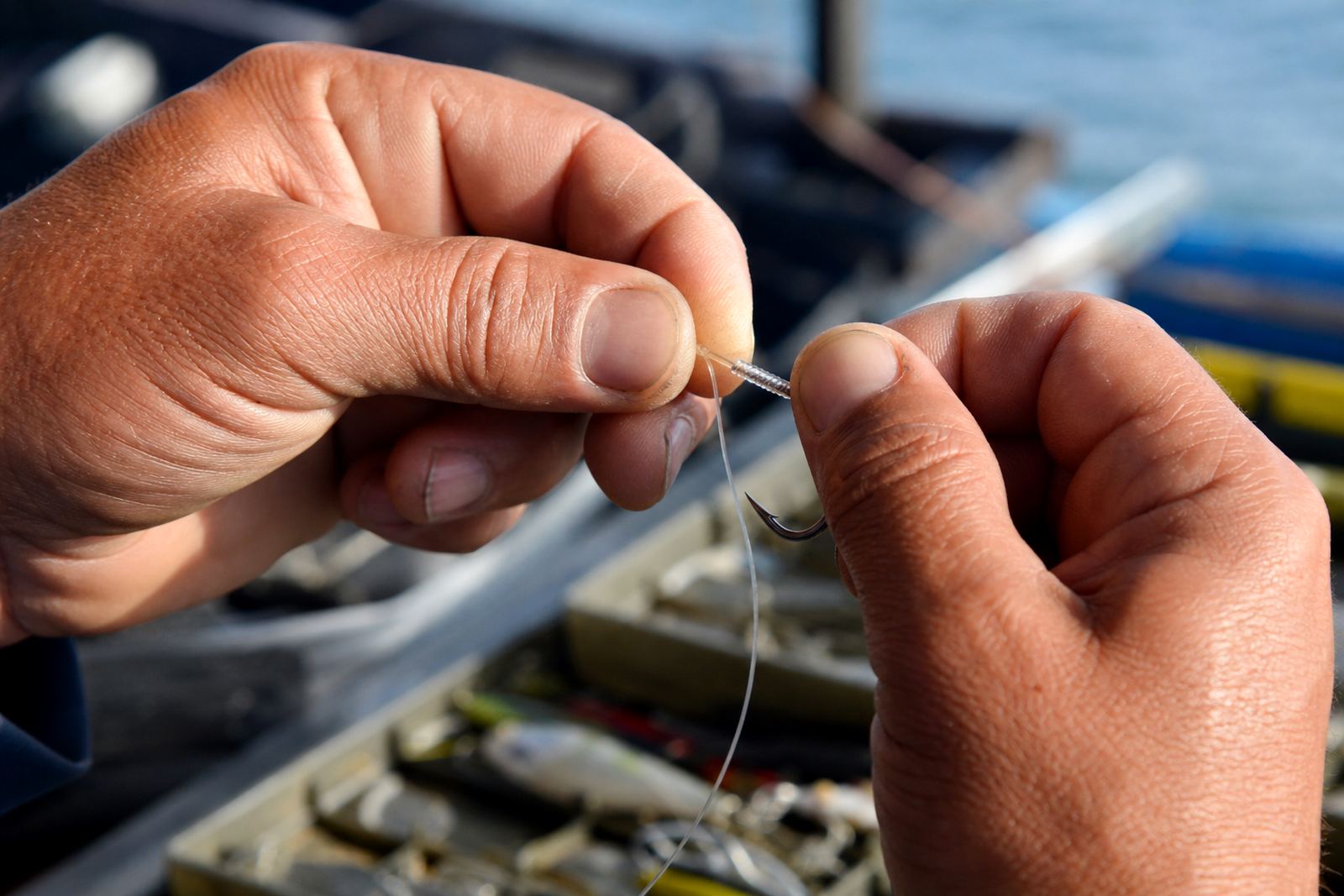
It also helps to plan for the type of fish you are targeting. Smaller freshwater species need a different touch than a strong reef fish or a shad taken in the surf. If you are fishing with barbed hooks, carry a proper disgorger or long-nose pliers. If you fish through load-shedding at dawn or late afternoon, keep a small light handy so you can see what you are doing. A rushed unhooking job leads to dropped fish, bent hooks and injured hands.
- Wet your hands and any landing mat before touching the fish.
- Keep the fish low to the ground or water while you work.
- Use the right tool for hook removal, not your fingers.
- Have your camera ready before lifting the fish for a photo.
Support the fish properly, not by the gills
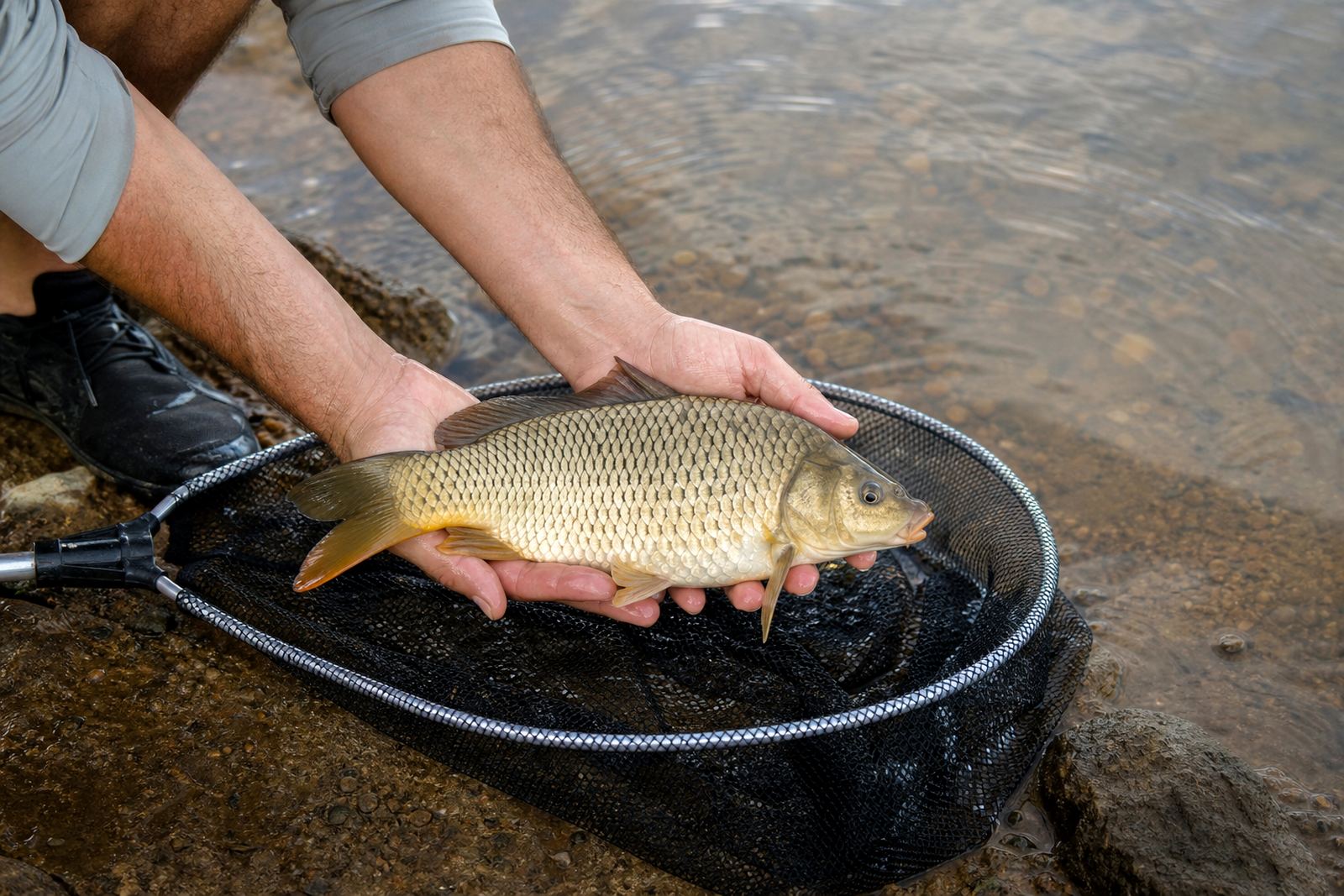
Most fish are not built to be held by the jaw alone for long. A light species can damage its mouth if it hangs too long, and larger fish can injure their internal organs if they are lifted badly. Support the body with one hand near the chest and the other closer to the tail, especially when the fish is heavy or twisting. If the species is spiny or slimy, take extra care and grip just enough to control it without squeezing hard.
Never put fingers into the gill area unless you know exactly what you are doing and the fishery rules allow it. The gills are delicate and bleed easily. A better approach is to cradle the fish with wet hands and keep it close to the water while you remove the hook. On a warm KwaZulu-Natal day, fish can dry out surprisingly fast, so a few seconds out of water is enough. If you need a better photo, get one quick and return the fish immediately. No one needs ten poses when one will do.
Release fish quickly and cleanly
If the fish is going back, the goal is a short handling time and a clean release. Remove the hook with the least amount of force possible. If the hook is deep and the fish is likely to survive better with the hook left in place, cut the trace close to the hook rather than tearing the mouth apart. For many species, especially when they are small or tired, that is the safer call.
Once the hook is out, place the fish back in the water facing into the current or gentle water movement. Hold it upright if needed until it regains balance. Do not throw it back and hope for the best. If the fish rolls over or struggles on its side, give it more time. A steady release often turns a weak fish into a strong one again within moments.
- Keep the fish in the water as much as possible.
- Use wet hands and avoid dry towels unless absolutely needed.
- Release the fish where the water is clean and not too shallow.
- Watch for full recovery before letting go completely.
Keep the fish in good condition if you plan to keep it
Sometimes the fish is for the table, and then handling is still important. A fish that is treated badly before it is kept can spoil faster and lose quality. Bleed fish promptly where appropriate, then place them in a cool esky with ice or chilled packs. Do not leave them lying in direct sun in the back of a bakkie or on a boat seat. Coastal humidity and heat can turn a fresh catch soft quickly, especially in summer.
Freshwater anglers should do the same after a day at the dam. Rinse off mud and slime with clean water if needed, then cool the fish fast. If municipal by-laws or venue rules set limits on cleaning fish at the water, follow them and do the cleaning at home or in a proper area. The cleaner and cooler you keep the catch, the better it will taste later that evening. That is practical handling, not just good manners.
A Durban surf example that shows the small details
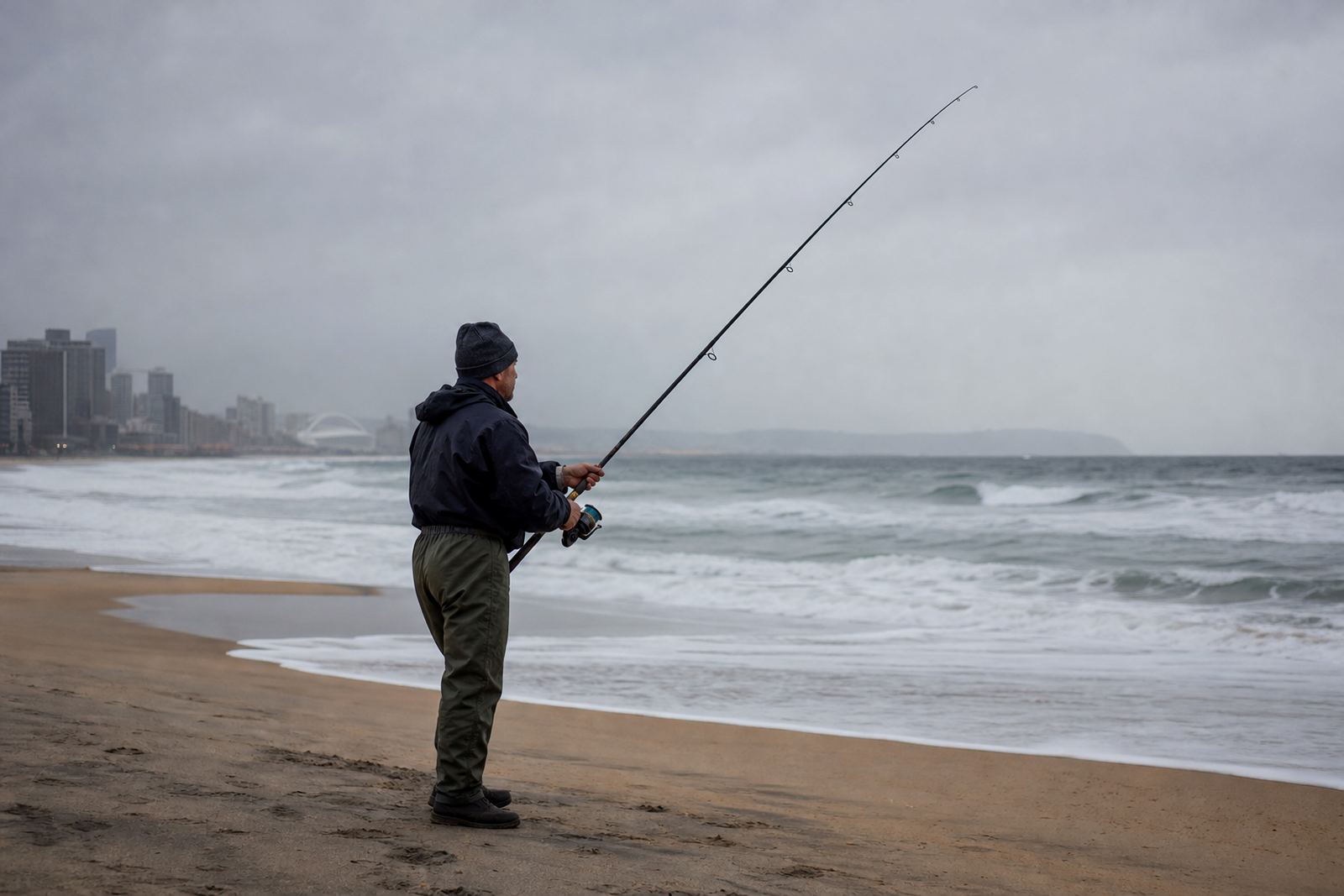
Picture a shad taken early morning on the Durban coastline. The angler has a wet rag ready, pliers clipped to a belt and a landing net sitting close by. The fish is brought in, supported low over the sand and unhooked in seconds. A quick photo is taken with both hands under the body, then the fish is released into the wash where it swims off strongly. Nothing fancy, just a clear routine and a steady pair of hands.
Now compare that with a fish lifted high into the air, passed between three people and handled on dry sand while everyone tries to find a camera. The difference in survival is obvious. The same goes for freshwater outings around Pietermaritzburg or long trips from Johannesburg to the coast. A simple routine beats excitement every time. Keep the fish low, keep your tools ready and keep the process short.
- Work quietly so the fish does not thrash more than necessary.
- Keep sand, weed and grit out of the gills and mouth.
- Carry a small first aid kit for hook points and fin nicks.
- Respect local rules, limits and closed seasons where they apply.
Make careful handling part of your regular routine
Careful fish handling is a habit, not a once-off lesson. Build it into every trip, from starter fishing sessions to full club outings. It helps the fish survive, keeps your own gear cleaner and reduces stress on busy days when the bites come fast. The more organised you are, the less chance there is of a lost fish, a damaged rod tip or a nasty cut from a sharp spine.
At Catches, we often see that anglers who look after the little details catch and release better fish over time because they work with more confidence. That includes good tackle choices, the right trace, sensible net use and a plan before the first cast. Handle the fish with respect and it will repay you in better releases, better quality keepers and less trouble on the bank.