Start With The Seat You Will Not Dread After Two Hours
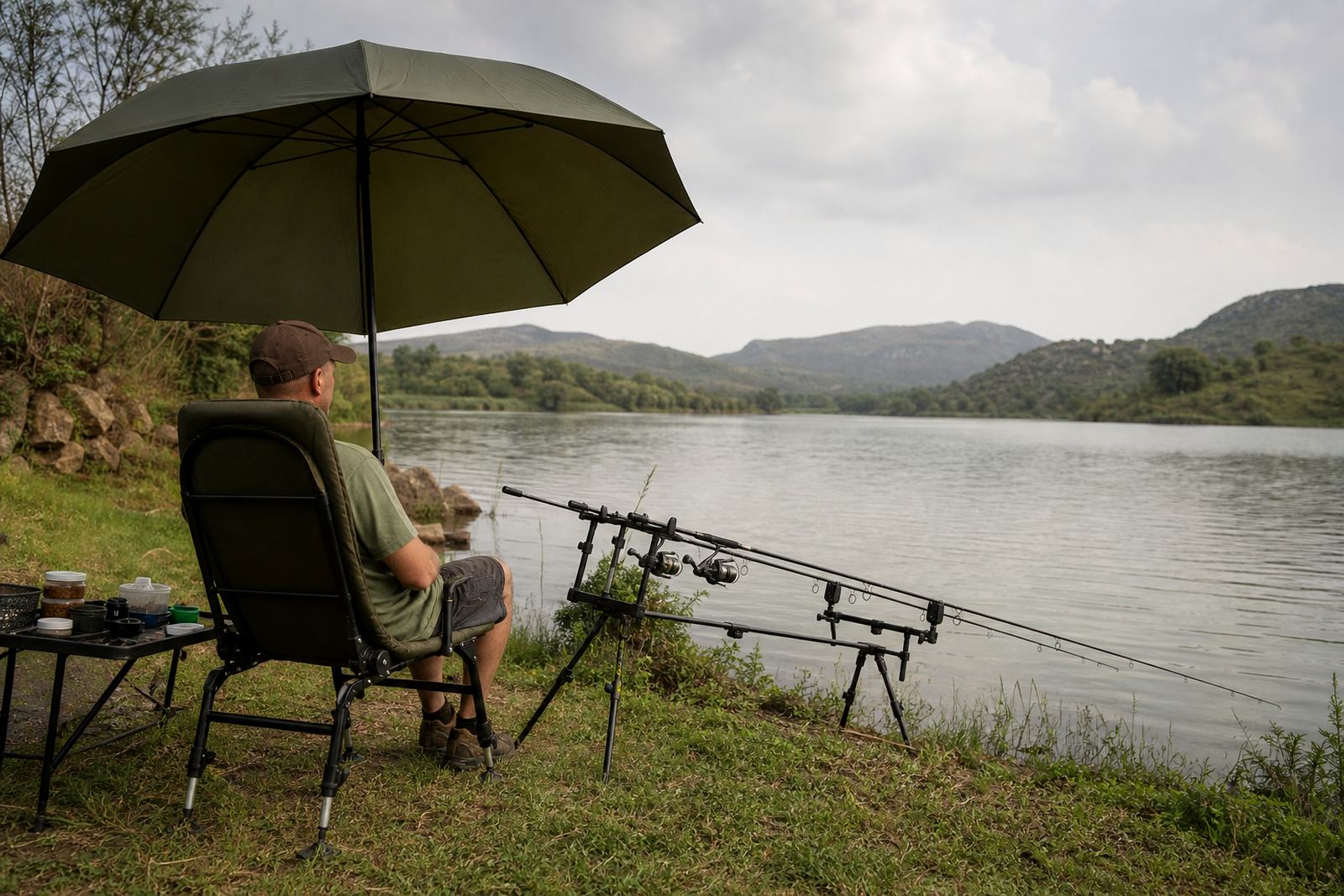
If you fish from the bank often, the first comfort decision is where you sit. A low camp chair might feel fine for a quick throw-in after work, but a full morning on the Vaal, in Pietermaritzburg or at a farm dam outside Durban can test your knees and lower back. Pick a seat that gives you enough height to stand up without a struggle, and enough support to stay still while waiting on a bite.
Think about the ground as well. Soft riverbank mud, loose sand and uneven grass all behave differently. A chair with wide feet or a steady frame is worth more than one that looks neat but sinks halfway into the soil. If you fish in windy conditions, add a small ground mat or rubber feet so the chair does not drift. It sounds minor, but after a few hours it stops being minor very quickly.
- Choose a seat height that keeps your knees at a natural angle
- Check the frame for wobble before a long session
- Keep a small mat or board for soft ground
- Use a backrest if you plan to fish from dawn to dark
Shade, Wind And The South African Sun
Comfort on the bank is not only about sitting, it is about staying usable through heat, glare and sudden wind. In KwaZulu-Natal humidity can make a still day feel heavier, while inland sites can dry out quickly and leave your lips cracked by mid-morning. A simple shade setup changes the whole session. Even if you only fish for a few hours, a bit of cover lets you bait hooks, tie traces and handle fish without squinting into the light.
A cap helps, but it does not solve everything. Sunglasses reduce glare and make it easier to read the water. A light jacket or windbreaker is useful for early starts in Cape Town and the Eastern Cape, where the temperature can shift fast. If load-shedding has you leaving early or returning late, pack a torch with fresh batteries as part of your comfort kit, not as an afterthought.
- Pack a shade umbrella or small shelter for open banks
- Keep a cap, sunglasses and sunscreen in the same bag
- Carry a light jacket for cold mornings and coastal wind
- Store a torch and spare batteries where you can reach them fast
Bait Prep That Saves Time And Keeps Hands Clean
Bait work can turn messy fast if your gear is scattered. A dedicated bait tray or small tub helps you keep bait, hooks, pliers and scissors in one place. That matters when you are fishing soft pellets, maize, worms or small prepared baits on local freshwater spots around Gauteng and KZN. Less searching means less fumbling, and less fumbling means fewer missed chances when the bite window opens.
It also helps to think about hygiene. Wet hands, damp bait and sand on the table can make everything more difficult. A cloth, a small bottle of water and a sealed container for bait scraps go a long way. If you are sharing a bank with others, neat bait prep is just good manners too. Nobody wants loose maize rolling into their gear bag, it happens quicker than you would think.
- Use separate containers for bait, hooks and tools
- Keep a cloth handy for wet hands and muddy fingers
- Store bait off the floor and out of direct sun
- Prepare only what you need for the first part of the session
Rods Reels And A Setup That Feels Lighter
Bank comfort improves when the tackle itself is easy to manage. A rod that is too heavy for long casting or a reel that feels rough under load can wear you down before lunch. For freshwater sessions, balance matters more than many anglers realise. If the rod and reel work well together, your wrist and shoulder stay fresher, and your casting stays more controlled through the day.
Keep your setup simple for the type of water you fish most. If you are often bank fishing dams near Johannesburg or slow-moving rivers near Pietermaritzburg, you may not need to carry every spare item you own. A lighter carry bag, fewer duplicate tools and one dependable rig for the day can make a noticeable difference. Jason Petersen, who handles rod and reel work, sees it often: a cleanly spooled reel and a checked drag can solve more frustration than another expensive add-on.
Before a long session, do a quick check:
- Test the drag so it runs smooth, not jerky
- Look for line twists, nicks and flattened sections
- Check guides for chips that can damage line
- Make sure the reel seat is tight and secure
Small Repairs And Spares That Prevent Big Frustration
Comfort on the bank is also about avoiding avoidable problems. A broken rod tip, a damaged guide or a reel with poor line lay can turn a quiet session into a long, annoying one. Carrying a few spare parts and knowing what to check before you leave home saves time later. In Durban’s coastal air, metal parts can pick up moisture quickly, so wiping gear down after each trip is good habit, not a luxury.
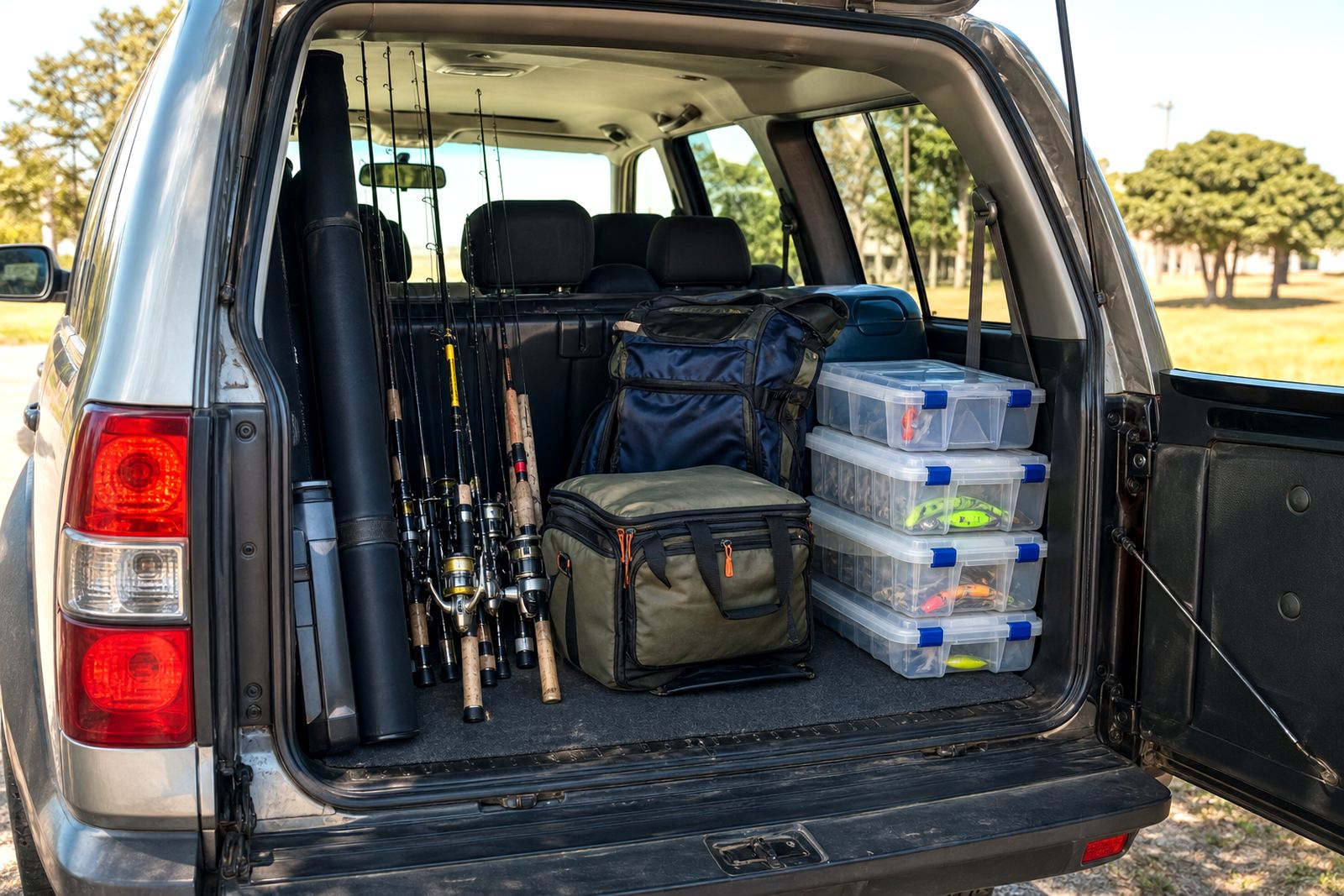
For anglers who go out regularly, a small maintenance pack makes sense. Keep line clips, sinkers, swivels, a spare trace wallet, a knife or cutter, and a basic first aid item or two. If you fish club events or longer weekend sessions, this kind of backup keeps you on the water instead of heading home early. A little pre-trip effort can spare a lot of frustration, simple as that.
- Carry spare swivels, hooks and sinkers in small sealed packets
- Keep a rod tip repair sleeve or spare top section where possible
- Dry tackle before storing it in humid conditions
- Use a carry system that keeps sharp items separate from food and bait
A Durban Example For A Better Bank Session
Take a family day out at a freshwater spot near Durban or inland from Springfield Park. If the plan is to sit from sunrise until early afternoon, comfort becomes part of the fishing plan. A proper chair, light shade, a tidy bait tray and a rod bag with only the needed gear can make the day feel organised instead of tiring. You are far more likely to enjoy the session, and to stay patient when the bites go quiet.
Sibusiso Mthembu often reminds anglers that long sessions are won before the cast. That means checking your tackle, packing for the weather and making sure your setup matches the way you fish. For one angler that might mean a simple starter rig with a spare spool of line. For another it could mean trace materials, bait prep and a properly serviced reel. The point is not to carry more, it is to carry better.
When your bank setup is comfortable, you fish smarter. You notice the water, you react faster and you finish the day without feeling beaten up. That is usually when the fishing gets more enjoyable, and yes, often when the better bites start coming through.