Start with a light rod that fits small hands
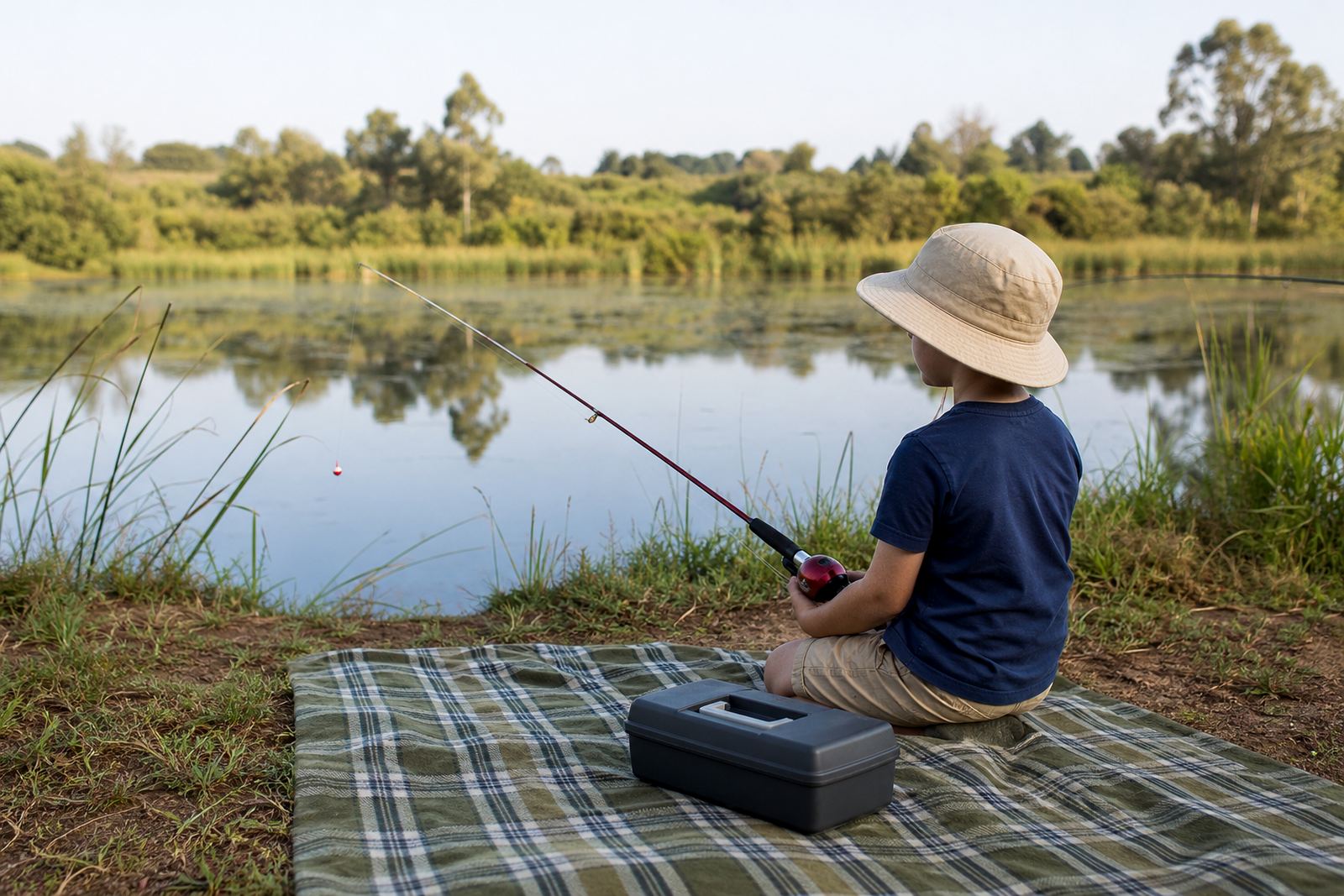
A child does not need a full size setup to enjoy fishing. A short, light rod is easier to hold, cast and lift, especially when the fish are small or the wind picks up. For most kids, a rod around 5 to 6 feet is a practical choice because it is easier to control and less tiring during a long morning on the bank.
Soft action rods are kinder on young arms and help reduce lost fish when the youngster is still learning how to set the hook. A simple spinning rod and reel combination is usually the easiest place to start, since it handles bait, small lures and basic float fishing without too much fuss.
- Choose a rod that the child can hold for several minutes without strain.
- Keep the reel size small enough for easy winding.
- Make sure the grip feels comfortable in wet hands.
- Test the balance before buying if possible.
Keep the reel simple and easy to maintain
For kids, the reel should do one job well: let line out and bring it back in without drama. A small spinning reel is usually the best option because it is easier to learn than a more complex setup. It should have a smooth handle, a reliable drag and a bail arm that moves freely.
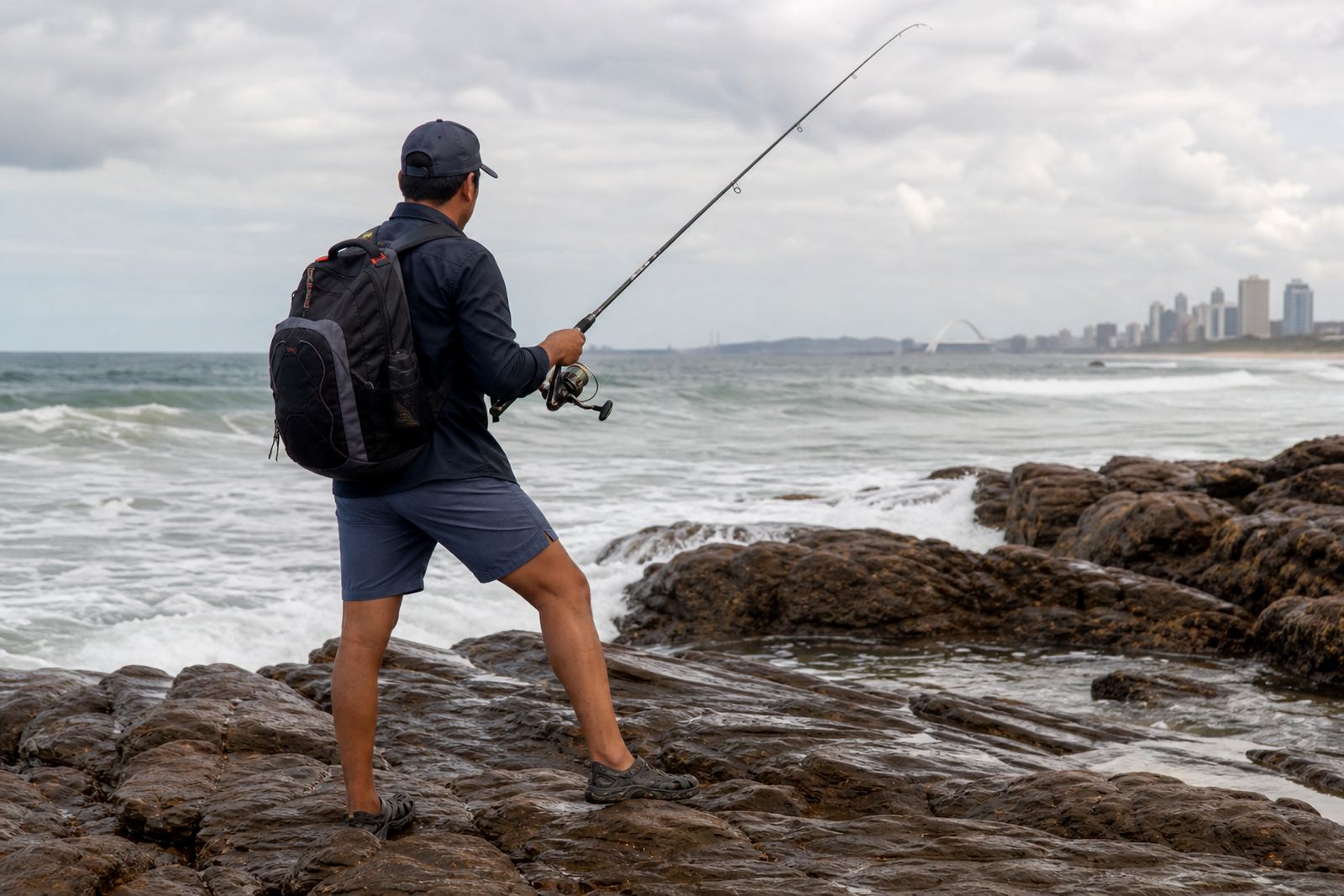
Salt water around Durban, Umhlanga and Ballito can be hard on gear, so a quick rinse after use matters. Even freshwater trips can leave sand and dirt in the reel if children put it down on the ground. Teaching basic care early helps the gear last longer and keeps the next outing frustration free.
- Use a reel with a smooth drag for smaller fish.
- Check that the handle turns freely without grinding.
- Rinse salt and sand off after each trip.
- Store the reel dry, not in a damp car boot.
Use tackle that is easy to see and tie
Children often do better with tackle they can see clearly. Bright floats, simple sinkers and hooks that are not too tiny make the whole rig easier to understand. Thin line can be harder to manage, so a slightly heavier main line often gives a better balance between strength and ease of handling.
Keep rigs basic at first. A float rig or a simple sinker rig with one hook is enough for most family fishing days. Too many swivels, clips and extras can confuse a child and slow the trip down. A clear setup also makes it easier for an adult to show how the line, hook and bait work together.
- Choose a float that is easy to spot on the water.
- Keep knots simple and repeatable.
- Avoid overloading the rig with extras.
- Use hooks suited to the target fish and bait size.
Bait choices that are manageable for children
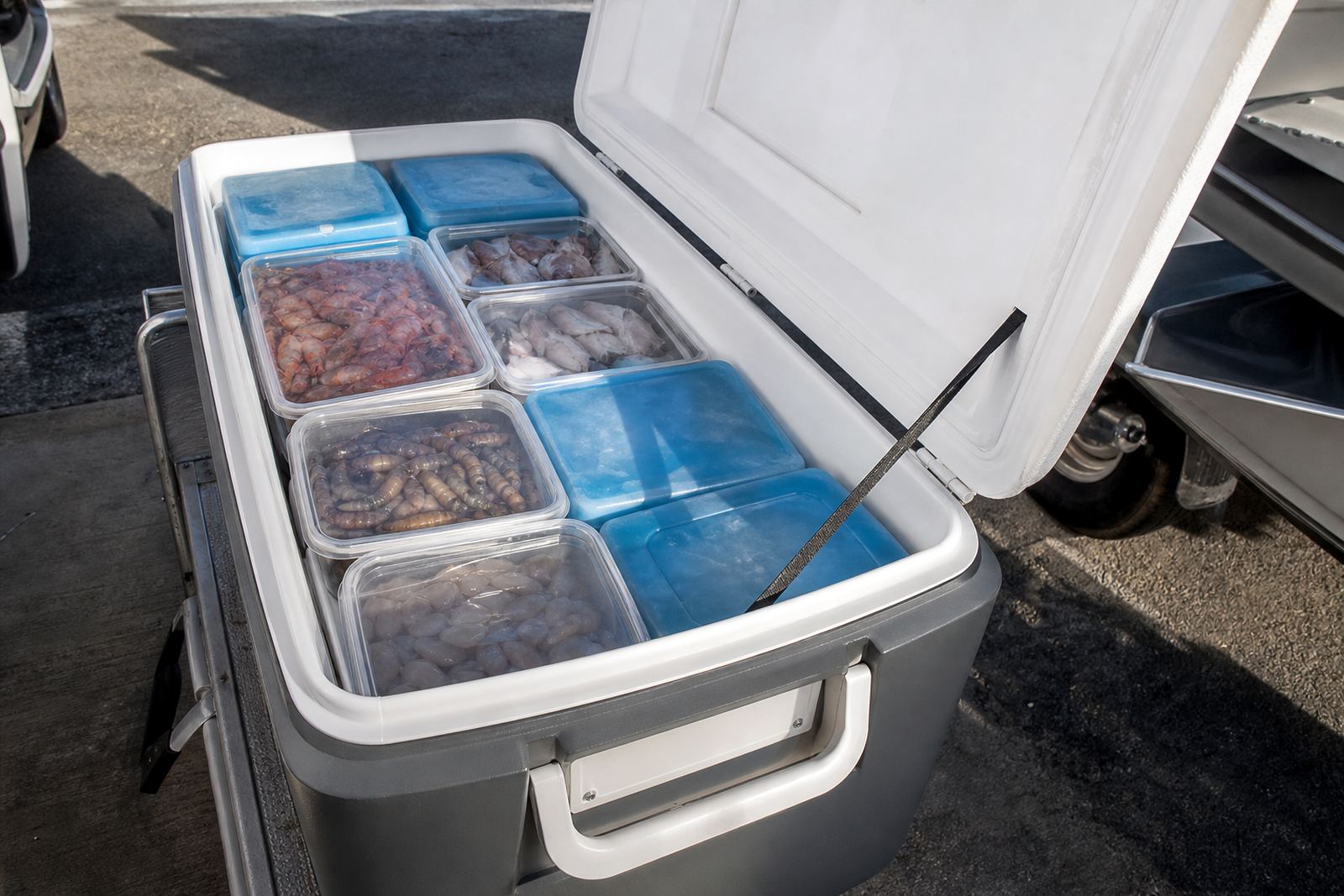
Kids do best with bait that is easy to handle and stays on the hook long enough to be useful. Small pieces of bait reduce mess and help children stay involved instead of waiting around while an adult keeps re-baiting every few minutes. For coastal trips, cut bait, small strips and prepared bait can be easier than large, slippery chunks.
For freshwater outings, worms, maize, bread and small dough baits are often simple to use. If the day is hot, keep bait shaded and covered so it does not spoil too quickly. In Durban's warm, humid weather this matters more than many people expect, especially on a long summer session.
- Use bait that can stay on the hook for a few casts.
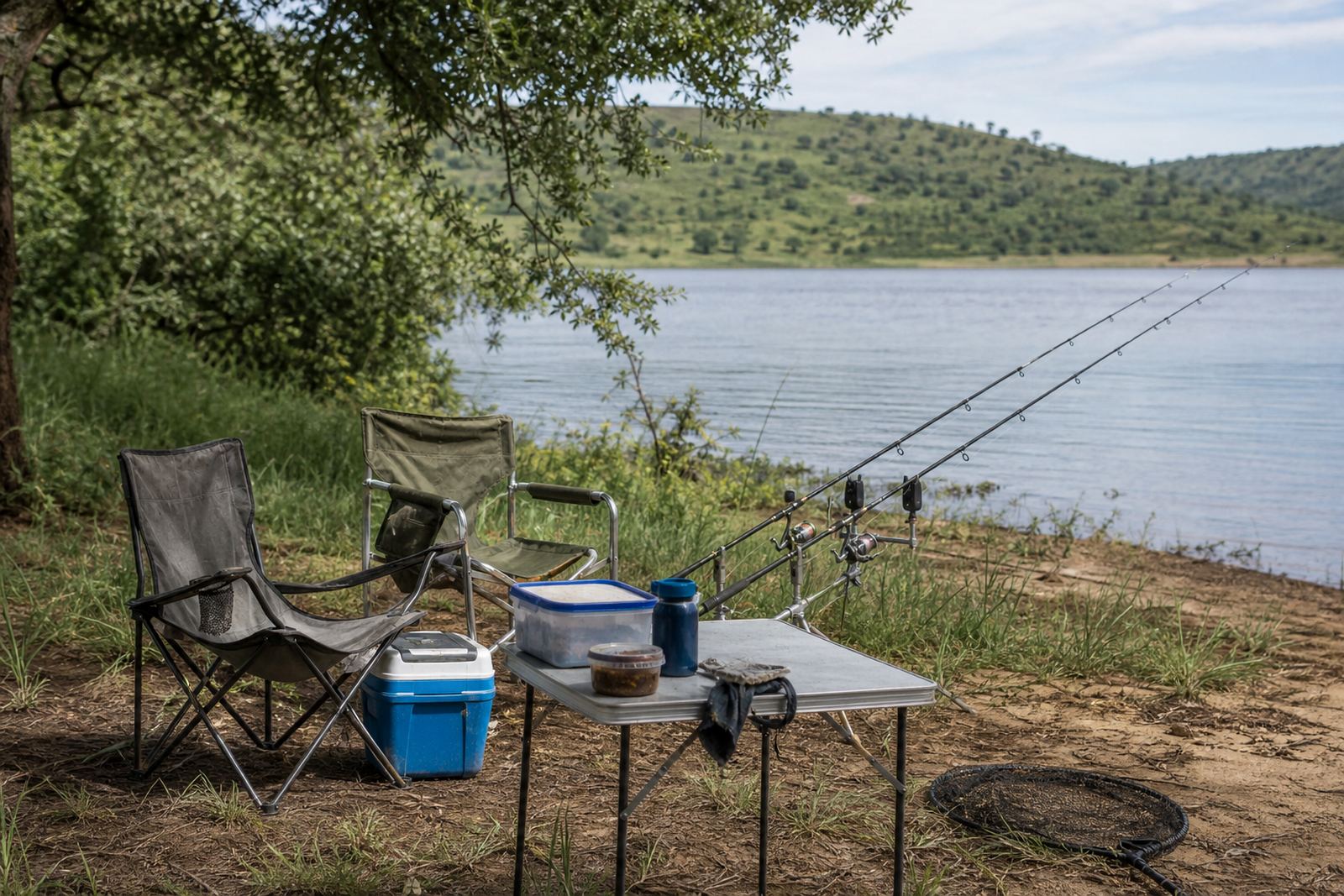
- Keep bait boxes closed to stop spills and flies.
- Pack a small cloth or wet wipes for sticky hands.
- Teach children not to touch every bait in the tub.
Safety items that should never be left at home
Safety is part of a good fishing day, not something separate from it. Children need shade, drinking water and footwear that grips well on wet rocks, sand or muddy banks. A light hat and a long sleeve top can help with sun exposure, while a small rain jacket is useful when coastal weather changes quickly.
After load-shedding, it is worth checking that torches, headlamps and spare batteries are ready before an early start or late return. A first aid kit, sunscreen and a small bottle of hand sanitiser are also sensible additions. If fishing near jetties, breakwalls or estuaries, adult supervision should stay close at all times.
- Pack extra water for each child.
- Use non-slip shoes with closed toes.
- Take a headlamp for early mornings or evening pack-up.
- Keep pliers, sunscreen and a small first aid kit in the bag.
A simple family setup that works well in Durban and beyond
A practical family kit does not need to be expensive or complicated. One light rod, one small reel, a few floats, basic hooks, sinkers, bait and a compact bag can cover most beginner trips. That makes it easier to travel from Springfield Park to the beach, or load the car for a weekend in the Midlands, without filling the boot with gear no one will use.
For a Durban family starting out, a light spinning outfit with a simple float rig works well for estuary edges and sheltered shore spots. For inland waters, the same rod can be paired with a basic bait rig and a few spare terminal tackle items. The goal is to keep the focus on the outing itself, not on sorting through too much kit before the first cast.
When the equipment stays manageable, children can learn faster and enjoy more of the day. That is usually what keeps them keen for the next trip.