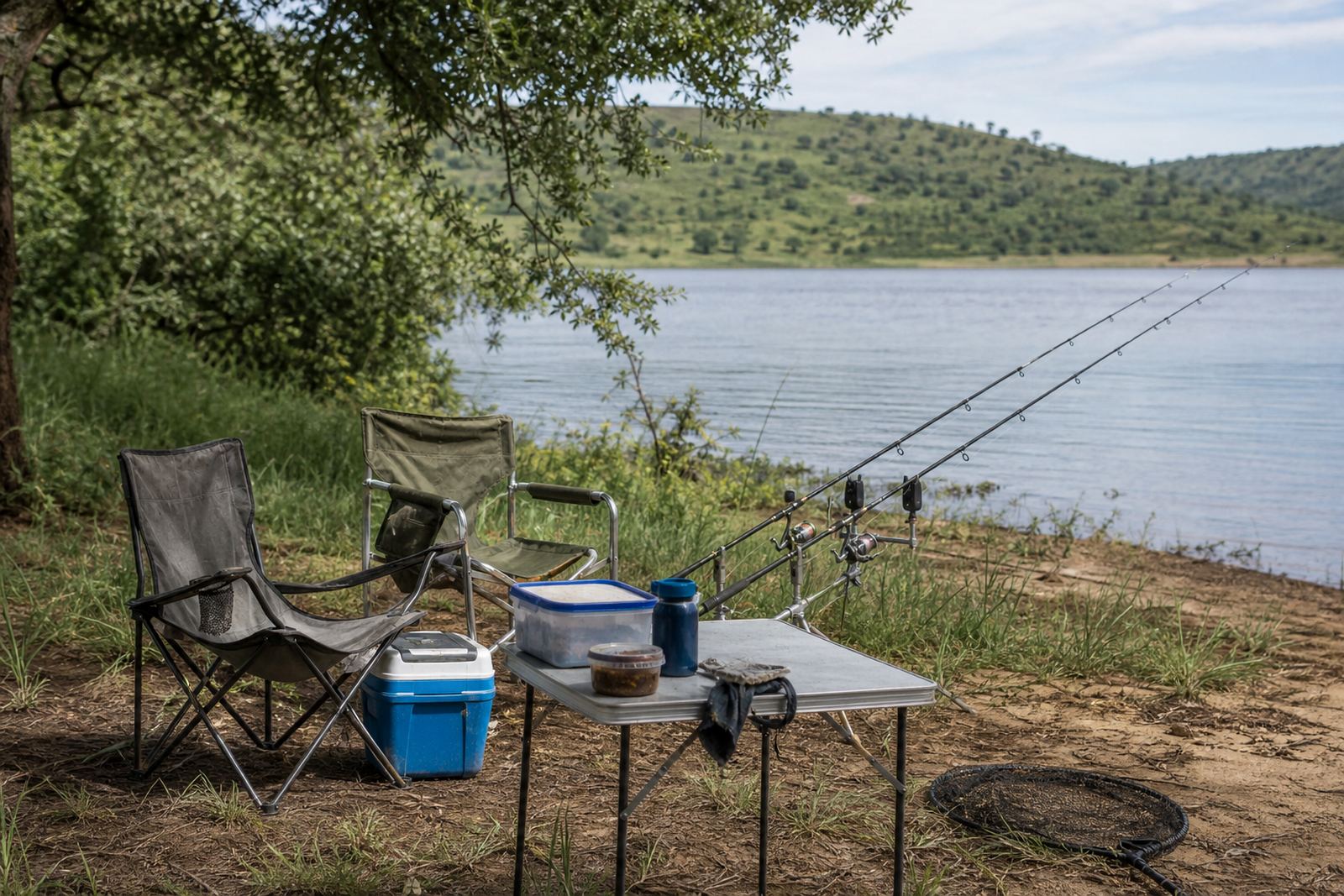
Start with a small, sensible kit
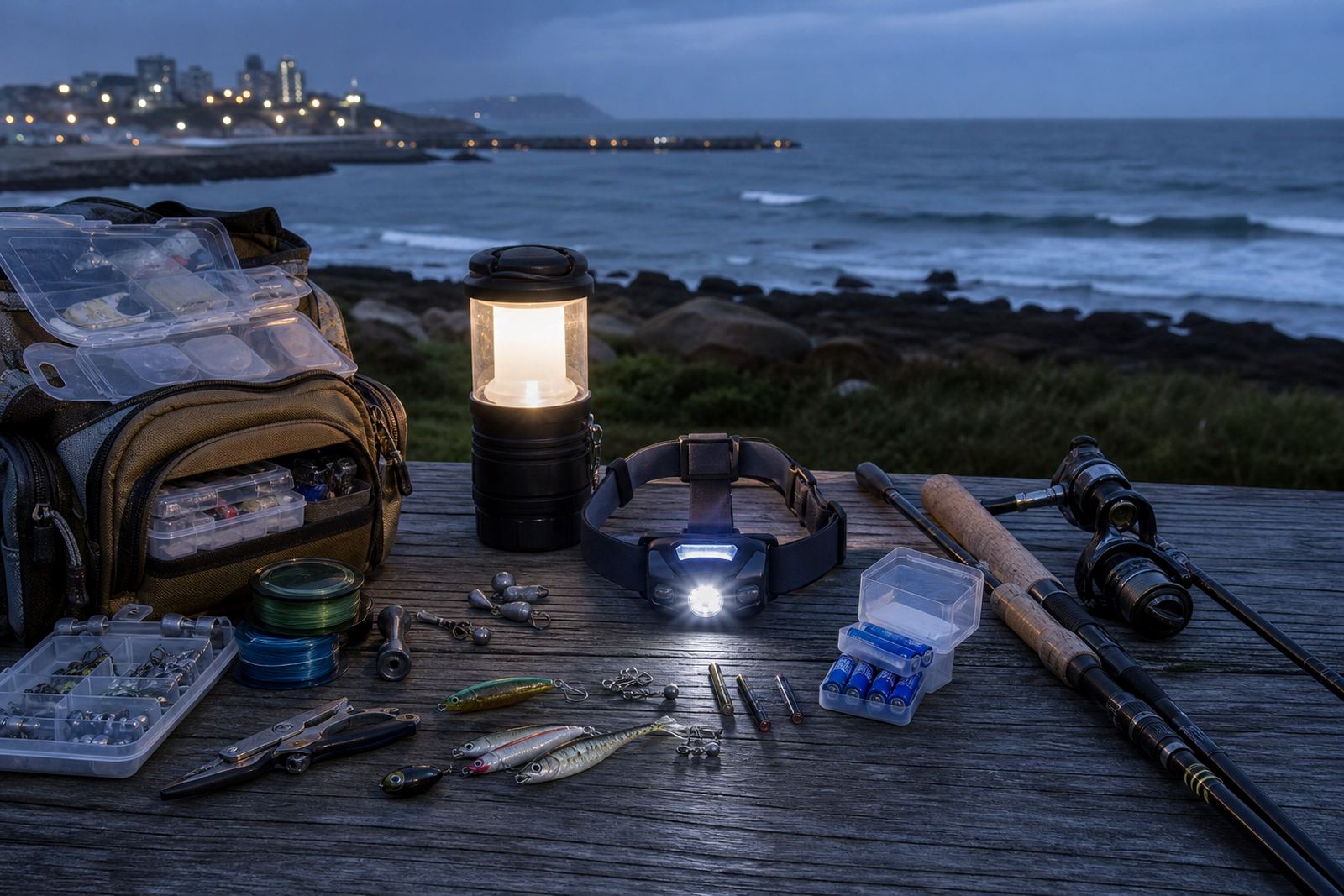
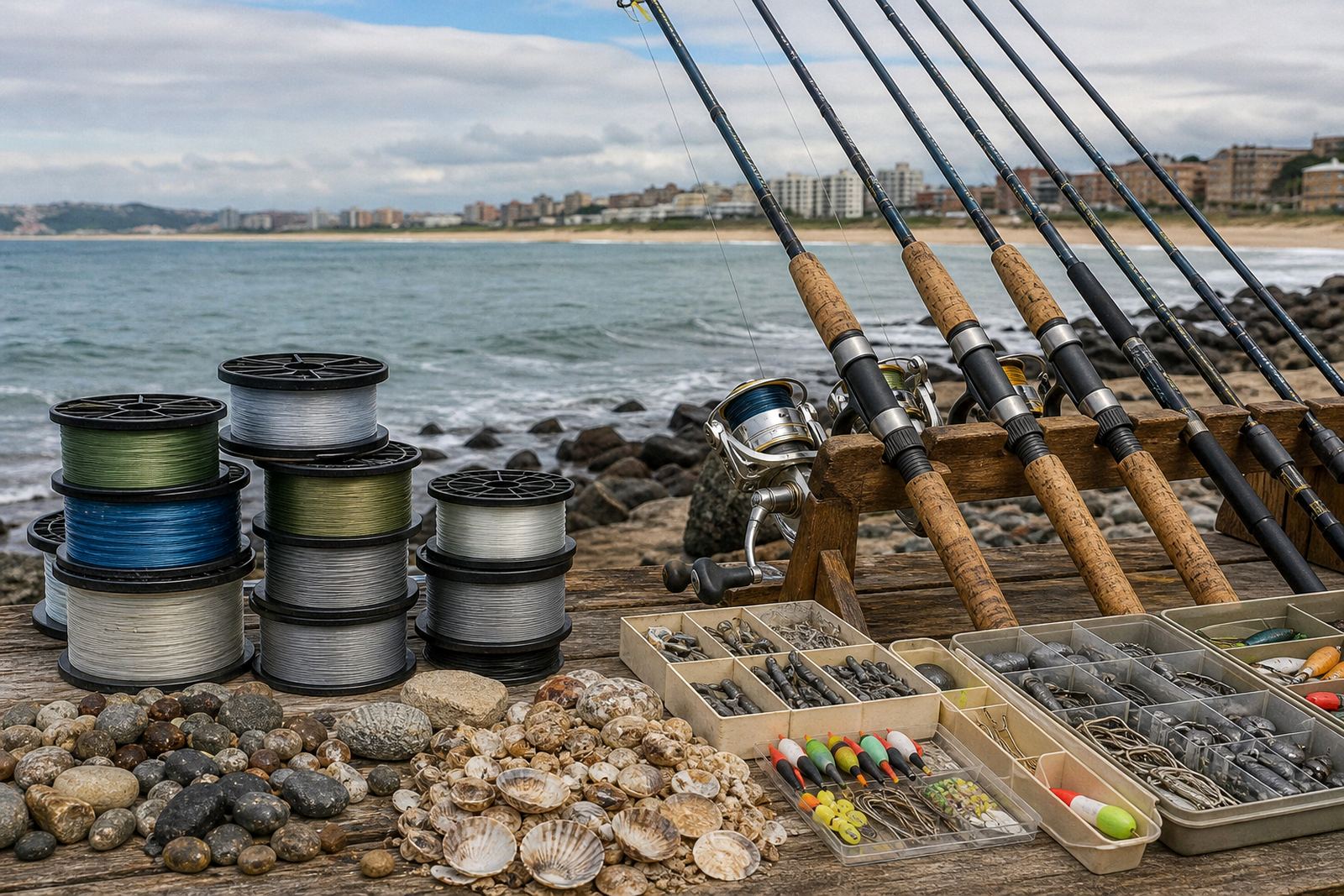
Your first freshwater outing does not need a boot full of gear. A basic rod and reel, line, a small tackle box and a few bait options are enough for a relaxed day at the water. If you are fishing from the bank at a dam near Durban, Pietermaritzburg or even further inland, the goal is to stay mobile and avoid carrying extras you will not use.
Beginners often pack too much and end up spending more time sorting gear than fishing. Keep it simple, and choose items that are easy to handle if you are still getting used to casting and knot tying. A medium-light rod with a matching reel is usually a good starting point for calm dam conditions.
- 1 rod and reel matched to your experience level
- Spool of suitable line in the right breaking strain
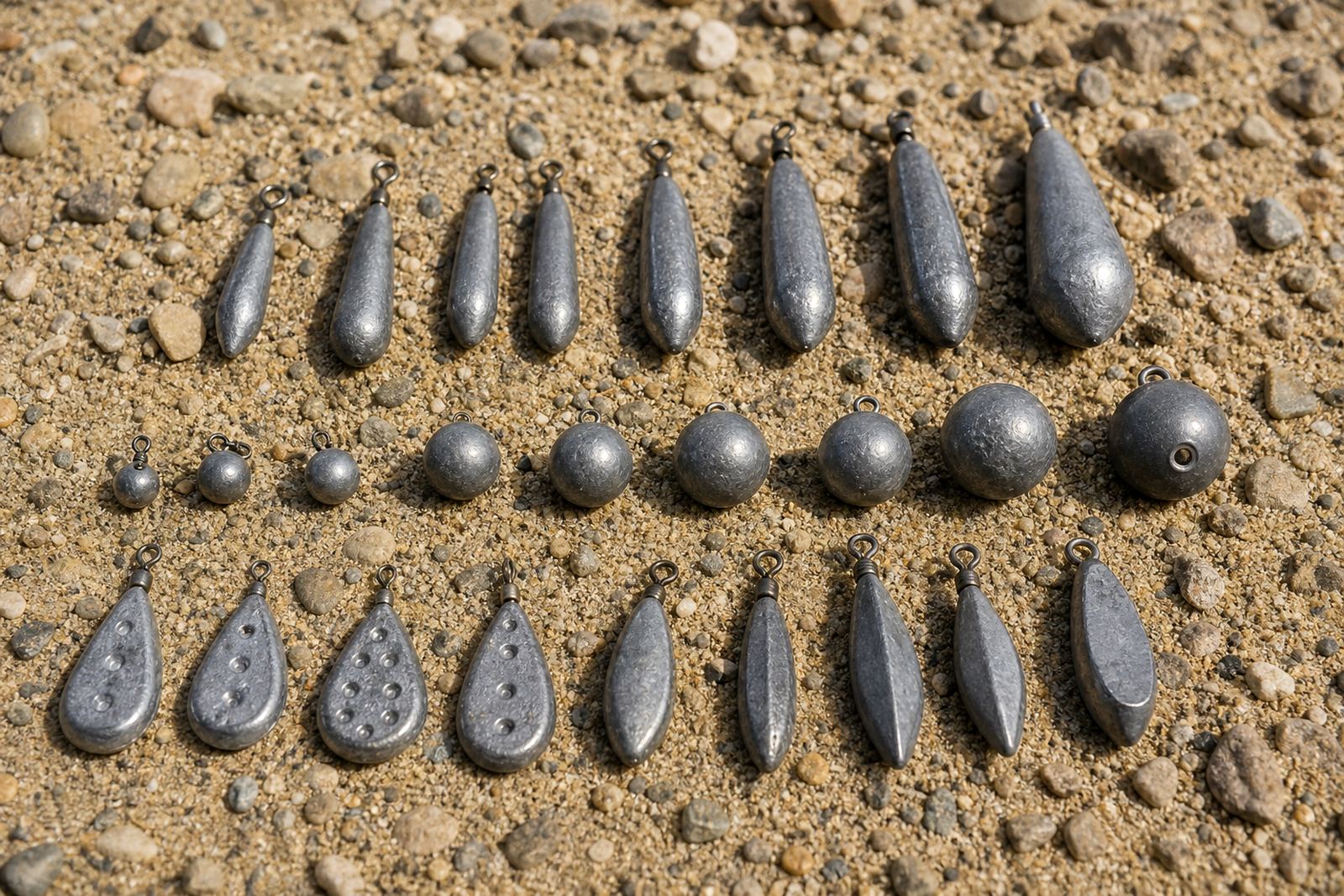
- Small tackle box with hooks, sinkers, swivels and floats
- Landing net if you expect to keep fish in the water while unhooking
- Unhooking tool or forceps
Bait that suits local dam fish
For most beginners, bait choice should be practical rather than fancy. If you are heading to a dam in KwaZulu-Natal or the Highveld, ask what the usual target species are and pack bait that matches the season and the water. Sweetcorn, worms and prepared dough baits are all common starter options for freshwater fishing.
In warmer weather, fish can be active early and late in the day, so fresh bait matters. Keep bait cool in a container that closes properly, especially in Durban humidity where soft bait can spoil faster than you expect. If you are travelling to a dam for the day, split bait into smaller portions so you do not expose everything to the heat.
- Worms or bloodworms for natural presentation
- Sweetcorn for a simple, clean hook bait
- Dough bait for beginners learning to cast and recast
- Small bait tubs or sealed containers
- Wet wipes or a cloth for sticky hands
Clothing for wind, sun and wet banks
The weather at a dam can change quickly. A warm morning can turn windy by midday, especially on open water with no shade. Pack a hat, sunscreen, a light jacket and shoes that can handle wet grass or muddy edges. If the bank is slippery, proper footwear matters more than people think.
For a relaxed day, comfort beats looking prepared. Long sleeves help with sun protection, and a small towel is useful when handling fish or bait. If you are fishing around reeds or rough ground, choose clothing that you do not mind getting dirty. That way you can focus on learning the basics instead of worrying about every mark and stain.
- Wide-brim hat or cap
- Sunscreen and lip balm
- Light rain jacket or windbreaker
- Closed shoes with grip
- Small towel and hand sanitiser
A simple setup makes the day easier
Beginners usually do better with one straightforward rig than with a complicated tray full of parts. A basic float rig or simple running sinker setup is easy to learn and gives clear feedback when a fish bites. If you are unsure, keep the trace short and the terminal tackle light enough to fish naturally but not so light that it drifts everywhere.
A day at a dam is also a good time to practice one or two knots only. Learn how to tie your hook properly, how to change a sinker, and how to check for abrasions in the line. If your line is frayed after a fish or a snag, replace it before the next cast. Small habits like that save a lot of frustration later.
- One or two pre-made traces for backup
- Hooks in a small range of sizes
- Sinkers suited to still water conditions
- Floats if you plan to fish off the bottom
- Spare swivels and line clips
Food, water and a bit of patience
Freshwater fishing can be a long wait, especially on your first outing. Pack enough water for the whole day, plus a snack or two that will not melt or spoil easily. A simple cooler bag helps keep bait and drinks in better condition, and it is useful if you are fishing from a spot with little shade.
Take a folding chair if you plan to sit for long periods, but do not overpack. The idea is to stay comfortable enough to keep fishing without turning the trip into a chore. At a dam outside Johannesburg or around East London, a basic setup with water, food and shade can make the difference between a rushed visit and a proper learning day.
- At least 1.5 to 2 litres of water per person
- Light snacks that travel well
- Small cooler bag for bait and drinks
- Folding chair or mat
- Refuse bag to take all litter home
A Durban example for a first outing
Picture a beginner leaving Springfield Park early on a Saturday, heading out toward a nearby dam with a medium-light rod, a small tackle box and a few bait tubs. The plan is not to catch everything in sight. It is to learn how the line behaves, how the float sits in the water and how a fish feels on the rod when it takes the bait.
That kind of trip works because the gear is limited and the expectations are realistic. If the fish are quiet, the angler still gains practice casting, tying knots and reading the water. If the bite picks up, the basics are already in place. With a calm approach, a first dam outing becomes a useful start rather than an expensive guess.
Leave room for local rules and good habits
Before you fish, check whether the dam has its own access rules, bag limits or catch-and-release guidance. Some venues require permits, some have controlled launch areas, and some ask anglers to keep the banks clear. It is always worth asking before you set up, especially if you are fishing a municipal or managed water.
Good habits matter just as much as gear. Keep hooks covered while walking, handle fish with wet hands, and never leave line or bait packaging behind. If you are fishing with children or a friend who is new to angling, show them how to store tackle safely and how to put fish back gently. That makes the whole trip better for everyone, and it keeps the water in good shape for the next visit.