Choose the right container before you leave Durban
Start with a container that suits the bait and the trip. Small baitfish need clean, oxygen-rich water and enough room to turn, while prawns and worms need cool conditions and gentle handling. If you are driving from Springfield Park to a beach session in Umhlanga or a dam run inland, pack the bait so it can breathe and stay stable rather than rattling around in a hot bucket.
For live bait, avoid overfilling one container. Too many fish in a small tub use up oxygen fast and can die off in a short stop-and-start drive. A cooler box with a smaller inner container works well for keeping the water shaded and cooler, especially on humid Durban days. Keep the lid closed as much as possible and do not place the bait next to ice directly unless it is separated, because sudden temperature changes can shock them.
- Use a clean bucket, tub or bait tank with a secure lid.
- Keep a second container for fresh water changes.
- Shade the bait from direct sun and hot car interiors.
- Do not mix sick bait with healthy bait.
Keep the water moving and oxygenated on the road
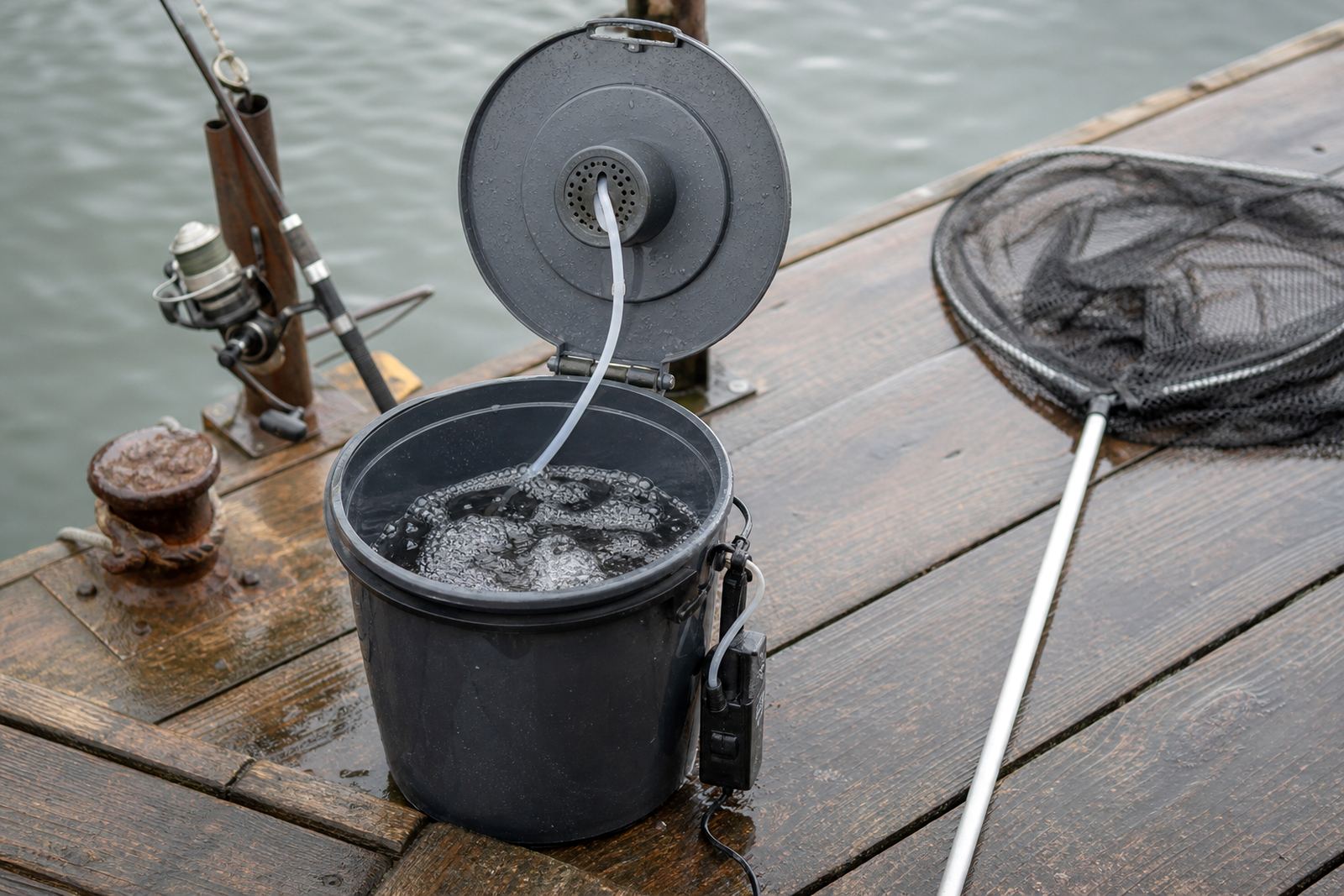
Live bait needs oxygen, and still water can turn bad quicker than most anglers expect. If you are moving between bays, jetties or launch sites, stop every so often and check the bait rather than leaving it untouched for hours. In warm weather, especially along the KZN coast, even a short delay can make a difference.
Battery aerators are useful for longer drives and can be run in the car or from a small power pack. If you do not have one, a simple water exchange can help. Replace only part of the water at a time so you do not shock the bait. Use water from the same area where you plan to fish if possible, or match the temperature as closely as you can. On freshwater trips, lake water and river water often differ enough to stress bait, so do not assume one bucket fits all.
- Check the bait every 20 to 30 minutes in warm conditions.
- Keep spare batteries or a power source for the aerator.
- Change water gradually, not all at once.
- Match salinity and temperature when moving between waters.
Handle bait gently so it stays usable for longer
Most live bait dies from rough handling, not just heat. Wet your hands before touching it and avoid squeezing the baitfish or prawns. If you are tracing hooks, preparing rigs, or rebaiting after a missed run, work quickly and keep the bait out of the sun for as little time as possible. Small injuries heal poorly once bait is stressed, so a little care goes a long way.
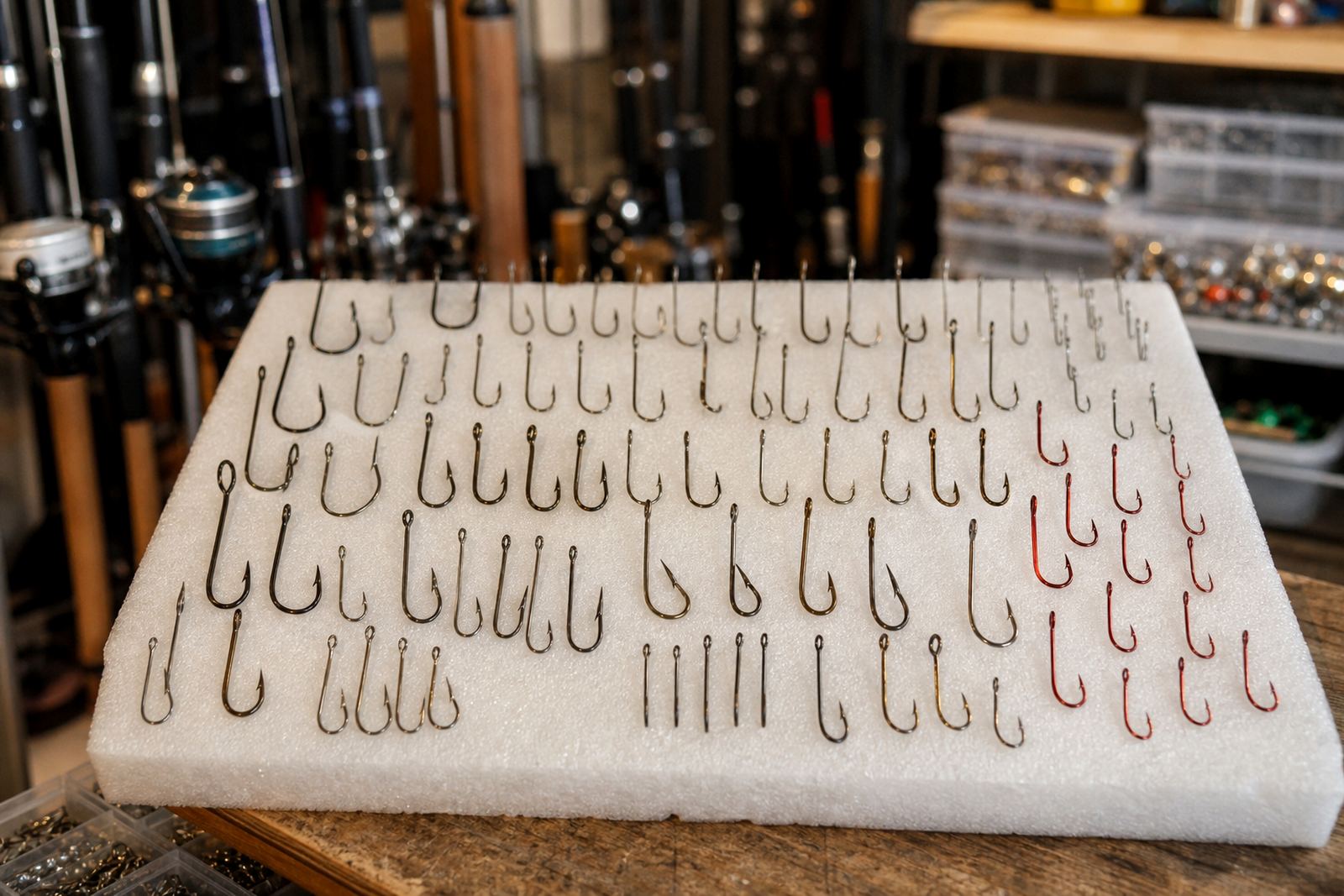
When bait is lively but skittish, use a soft mesh net or a small scoop rather than chasing it around the container. If you are using worms, keep the soil or bedding damp but not waterlogged. For prawns, a cool, slightly salted container usually works better than letting them sit in warm fresh water for long periods. A neat container is easier to manage too, and a stray hook in the bottom can damage bait without you noticing.
- Wet your hands before handling delicate bait.
- Use a soft net, not a hard scoop with sharp edges.
- Keep bait shaded while you rig up.
- Remove dead bait straight away so it does not spoil the rest.
Match the bait setup to coastal or freshwater conditions
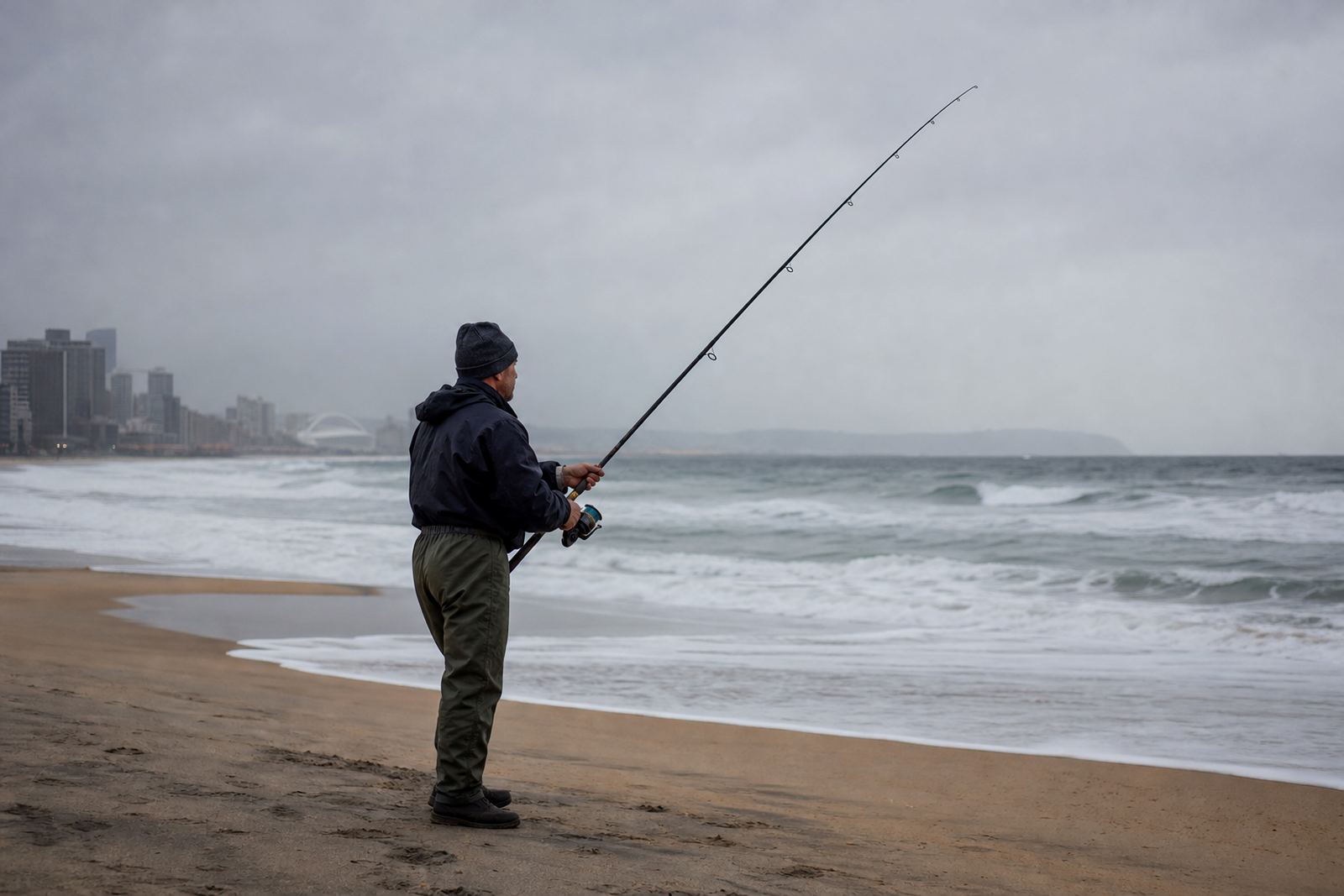
What works for surf fishing in Durban is not always right for an inland dam near Pietermaritzburg. Coastal bait often needs more aeration and salt balance, while freshwater bait may need cooler storage and less movement. If you are fishing off the rocks, from the beach, or around a harbour wall, waves and spray can add heat, sand and dirt to the container, so keep it sealed but still ventilated.
Freshwater anglers often have the opposite problem, because the bait can be fine in the morning and then fade when the sun gets high. A shaded box under the seat, a damp cloth over the lid, and a top-up with clean water can help. If you are taking bait to Johannesburg or inland club waters, plan for a longer trip and less access to fresh bait along the way. That means starting with stronger stock and packing for the full day, not just the first hour.
Local conditions matter. A tide change in Durban, a hot afternoon in Ballito or a windy session in Cape Town all call for slightly different bait care. The angler who plans for conditions usually keeps better bait, and gets more bites, too.
Simple bait care for longer sessions on the water
Once you are set up, the goal is to keep the bait active without stressing it. If your session runs from early morning into the heat of the day, check the container more often as the temperature rises. Bait that is still moving but slow can often be revived with fresher water, a little shade, and less crowding. Do not assume bait is lost just because it has gone quiet for a few minutes.
Use a bait net or hand scoop to remove only what you need for the next cast. This keeps the rest of the stock calm. If you are fishing with friends or on a club outing, keep the bait box in one place and make sure everyone knows not to open it repeatedly. Too much opening lets heat in and makes the bait nervous. A small towel over the lid can help with shade and reduce splashing, which is handy on windy coastal days. If your bait starts to turn, separate the best pieces first and use them before they decline further.
- Keep the container shaded all day.
- Use only the bait you need for the next rig.
- Watch for signs of stress such as rolling, slowing or gasping.
- Refresh water more often as the day gets hotter.
When bait starts struggling, reset before it is too late
There are times when the smart move is to stop trying to rescue weak bait and reset the container. If the water smells off, the bait is crowded, or several pieces have died, clean the tub and start again. Leaving poor water in place usually makes the rest fail faster. That small reset can save the session, especially when you still have a long drive home or another stop ahead.
If you are far from home, carry a simple backup kit with spare bags, a small scoop, a spare lid, and a means of cooling the container. It sounds basic, but these small items matter when bait gets tired halfway through the day. For anglers heading out from Durban to East London or from Cape Town to a weekend breakaway, the extra prep is worth it. Good live bait is not just about buying it, it is about keeping it fit to fish until the last cast.
A Durban example that shows the difference good bait care makes
Picture an early Saturday run out of Springfield Park with a few live baitfish for a coastal session near Umhlanga. The drive is short, but the weather is warm and the car warms up quickly. One angler keeps the bait in a sealed container with no aeration, then leaves it in the sun while rigging rods. Another keeps the bait in a shaded cooler box with air and checks it before every move. By the time the first cast goes out, one container is struggling and the other is ready.
That small difference often shows up in the catch. Healthy bait swims naturally, stays on the hook better and looks more like an easy target. The same approach works inland too, whether you are carrying worms, prawn or small baitfish to a dam. Plan the trip around the bait, not the other way round, and your chances of a solid session improve straight away.