Start with a setup that feels right in your hands
A smooth cast begins before the rod moves. If the rod, reel, line and bait do not work together, you will fight the setup all day. South African anglers often switch between estuary, surf and dam fishing, so it helps to match the outfit to the place you are fishing rather than trying to make one rod do everything.
At our Springfield Park shop we see plenty of casting issues that come from simple setup problems. A reel filled too full, a leader knot that clicks through the guides, or a rod tip with a small chip can all spoil the release. On a hot Durban morning with salt in the air, a dry drag or stiff line can make the first few casts feel jerky.
Before you head out, check these basics:
- Line level sits just below the spool lip, not piled up to the edge
- Knots pass through the guides without catching
- Rod guides are clean and free of cracks
- Drag is set so line gives under pressure, not too tight
- Bait weight suits the rod rating and the wind you expect
Use the same stance and grip every time
Repeatable movement matters more than power. If your feet move differently on each cast, your rod angle changes and the bait will leave in a different direction. That is why so many anglers can cast far one minute and then spray line into the side wind the next.
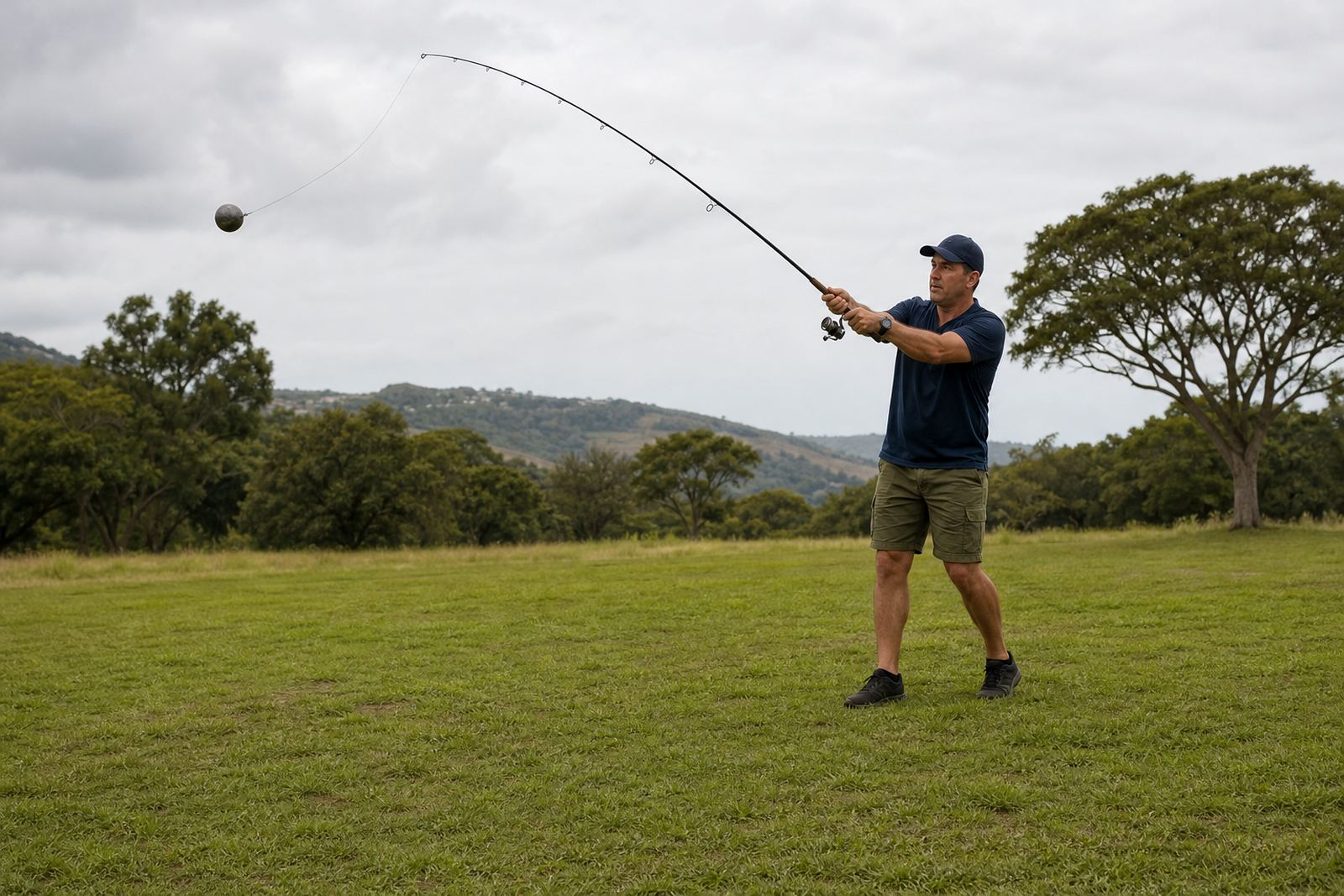
Stand with your feet steady, shoulders relaxed and your casting arm free to move in a straight line. Keep your grip firm but not tight. If your knuckles whiten, you are already working too hard. A relaxed wrist helps the rod load properly and release cleanly.
For beginners, it often helps to practise in a clear open area before the trip, using the same distance each time. Even ten clean repetitions can teach your body what a good cast feels like. Once that motion becomes normal, you can make small adjustments for different water and weather conditions.
- Keep your feet shoulder width apart
- Hold the rod in line with your target, not across your body
- Use one smooth motion instead of a sudden jab
- Follow through after the release
- Reset your stance before every new cast
Watch the wind, tide and current before you make the first cast
In coastal fishing, the environment often decides how your cast behaves. A light south-wester can carry your bait further down the beach, while a crosswind may push it off line before it lands. In a strong current, especially around estuaries and harbours, the bait may look correct in the air but land in the wrong pocket of water.
Before casting, look at the surface. Foam lines, rip seams and moving colour changes show where the water is pulling. If you are fishing a dam near Pietermaritzburg or inland around Johannesburg, the same habit applies. Watch for weed beds, drop offs and sheltered corners where wind is less likely to disturb the line.
It is often better to cast slightly shorter and land in the right place than to throw as far as possible and miss the feeding zone. A neat, controlled cast beats a big splashy one most days.
Choose bait and terminal tackle that release cleanly
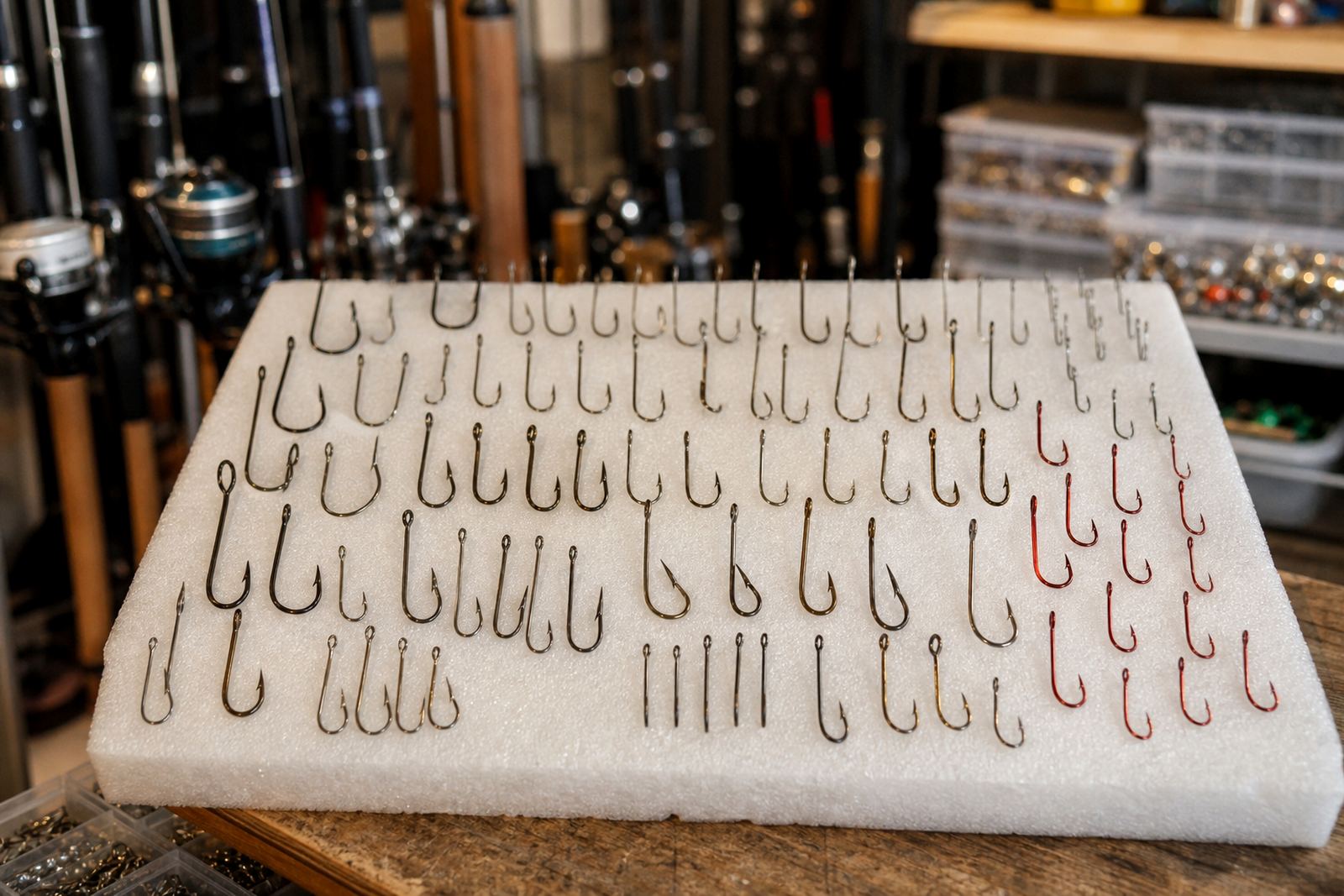
Heavy bait that swings around on the trace makes casting uneven. Too much bulk near the hook can catch the wind and twist the line at the last second. That is why trace making and rig advice matter just as much as the rod you are using.
For surf sessions in Durban or Gqeberha, keep rigs tidy and balanced so they travel straight. Freshwater anglers using smaller baits can still run into the same problem if the sinker size is wrong or the hook snood is too long. The aim is simple: the rig should open up cleanly as it leaves the rod tip.
A few useful checks before you cast:
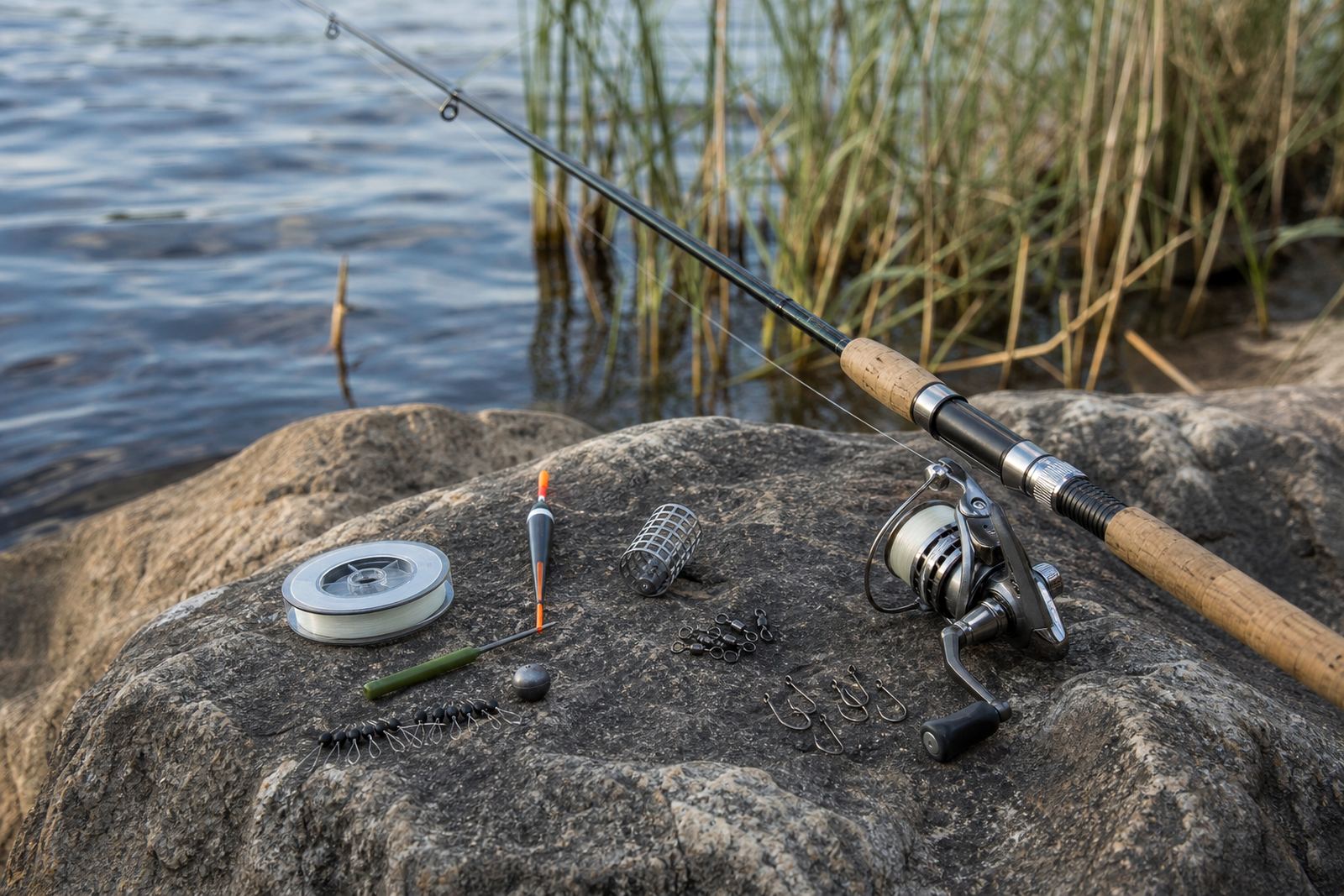
- Use a sinker weight that matches the rod and conditions
- Trim damaged line ends before tying knots
- Keep bait compact so it does not catch the wind
- Check that the leader length suits the cast and the target fish
- Replace worn swivels and clips before they fail under pressure
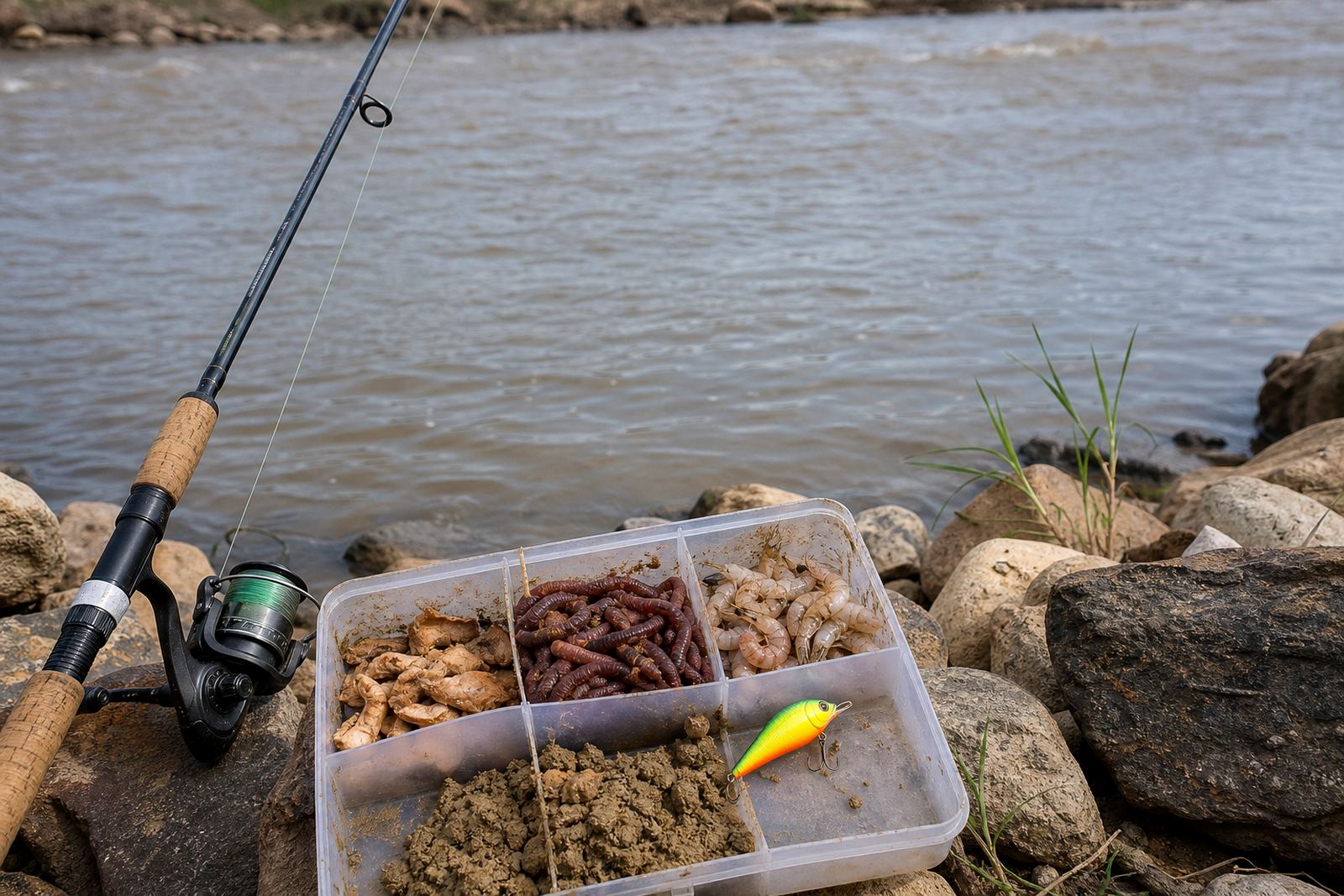
If you are unsure, a starter setup check can save you time on the water and reduce lost tackle. It also helps to have bait prep sorted before you reach the riverbank or shoreline.
Handle load-shedding, salt and wear before they spoil the session
Good casting habits also depend on gear that works properly on the day. A reel with gritty bearings, a dry spool or a bent line roller can ruin the release. In coastal areas, salt and humidity get into moving parts fast. If you leave tackle unserviced after a trip, the next cast may feel sticky or uneven.
Load-shedding can also catch anglers out when they are spooling line or checking tackle after work. If you have been relying on last-minute prep, it is easy to miss a worn drag washer or a guide with a sharp edge. That is where regular reel servicing, drag tuning and line spooling help keep your outfit ready for the next outing.
Local anglers often bring in reels after a few weekends of hard use and are surprised by how much smoother the cast feels once the service is done. Even a small repair, like a rod tip replacement or guide repair, can make the whole rod feel more balanced in the hand.
Build confidence with a simple pre-cast routine
Confidence comes from doing the same checks in the same order. A short routine helps you settle in, especially when the water is rough or the fish are not biting. Rather than rushing into ten quick casts, slow down and give each one a purpose.
Try this before your first cast:
- Check knots, leader length and trace connection
- Feel the rod for any cracks, chips or loose guides
- Open and close the bail arm or reel mechanism once to confirm smooth movement
- Look down the line path and clear any twists
- Pick one target and cast to it deliberately
That simple routine works whether you are fishing from the Durban beachfront, a quiet inland dam or a harbour edge. Over time, it becomes second nature and your casts start to look the same from one session to the next.
For club outings or group trips, a bulk gear check before the day can prevent avoidable problems. It also means less time fixing tackle and more time fishing.
A Durban example that brings it together
Picture an early morning session in Durban after a humid night and a bit of onshore wind. The beach is moving, the braid has a slight twist, and the first cast keeps kicking left. Instead of forcing more power into it, the better move is to pause, check the spool fill, make sure the leader knot is sliding cleanly through the guides, and reset the stance.
Once the outfit is sorted, the next cast lands straighter, the line settles faster and the bait reaches the right gutter with less fuss. That is the real value of casting confidence. It is not about showing off distance. It is about sending the rig where it needs to go, every time, with less waste and fewer snags.
From Springfield Park to the coast, our team helps anglers fine tune their setups for the way they fish. Whether you need rod and reel advice, trace making, starter setup help or a quick trip gear check, the goal is the same: better habits, cleaner casts, and more time with line in the water.