Start With the Trip, Not the Tackle Bag
Before you pack, match the gear to the water. A quick weekend in Ballito does not need the same setup as a three day run to a Highveld dam near Johannesburg, and an overpacked bag is usually the first thing that causes trouble. Think about species, access, weather, and whether you will be fishing rocks, estuary mouths, piers, or bank side spots.
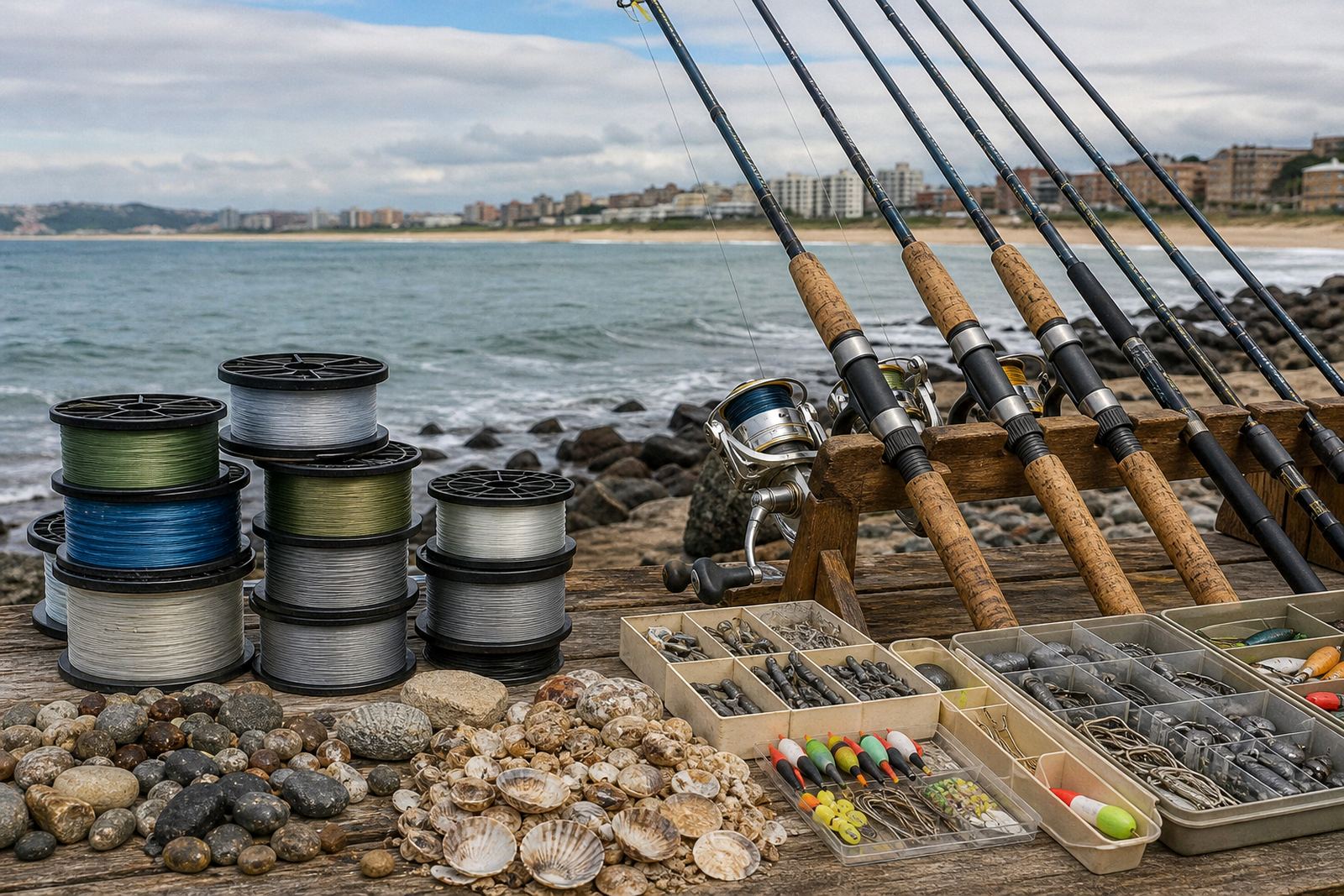
For coastal trips, it helps to keep one compact saltwater setup ready with a rod, reel, trace box, sinkers, hooks, and pliers. For inland fishing, build a separate bag with lighter terminal tackle, smaller floats, and the lures or bait rigs you actually use. That way you are not unpacking half the garage every time a trip comes up. A tidy plan also makes it easier to spot what is missing, which matters when load-shedding has cut your prep time short.
Pack Rods and Reels So They Survive the Drive
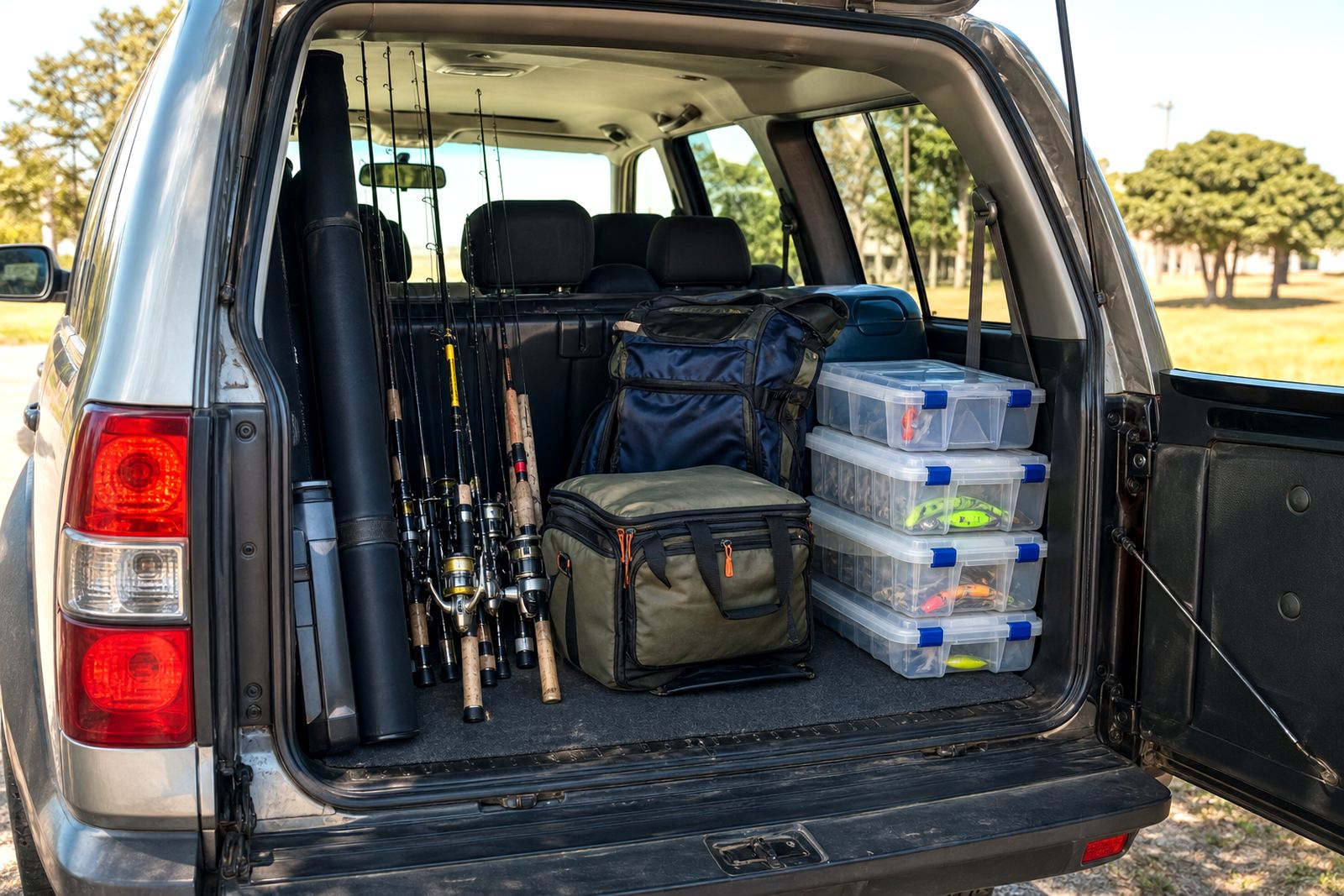
Rods should be broken down where possible and stored in sleeves or padded holders. If you are carrying multiple rods, keep the tips pointed away from anything hard in the vehicle and do not let them rub against cooler boxes, gaffs, or dive kit. The smallest knock can crack a guide or weaken a tip, and you often only notice it after a few casts.
Reels need a little more care. Loosen the drag before packing so the washers are not under tension for hours, then wipe the outside of the reel with a dry cloth, especially after a salty session. Durban humidity can leave metal looking fine one day and sticky the next, so give reels a quick check before they go back in the case.
- Use rod sleeves or soft wraps to stop guide damage.
- Keep reels dry and away from wet towels or bait ice.
- Store spare spools in a sealed pouch so sand and salt do not get in.
- Pack one small cloth for cleaning hands, handles, and reel seats.
Build a Tackle Box You Can Use on the Road
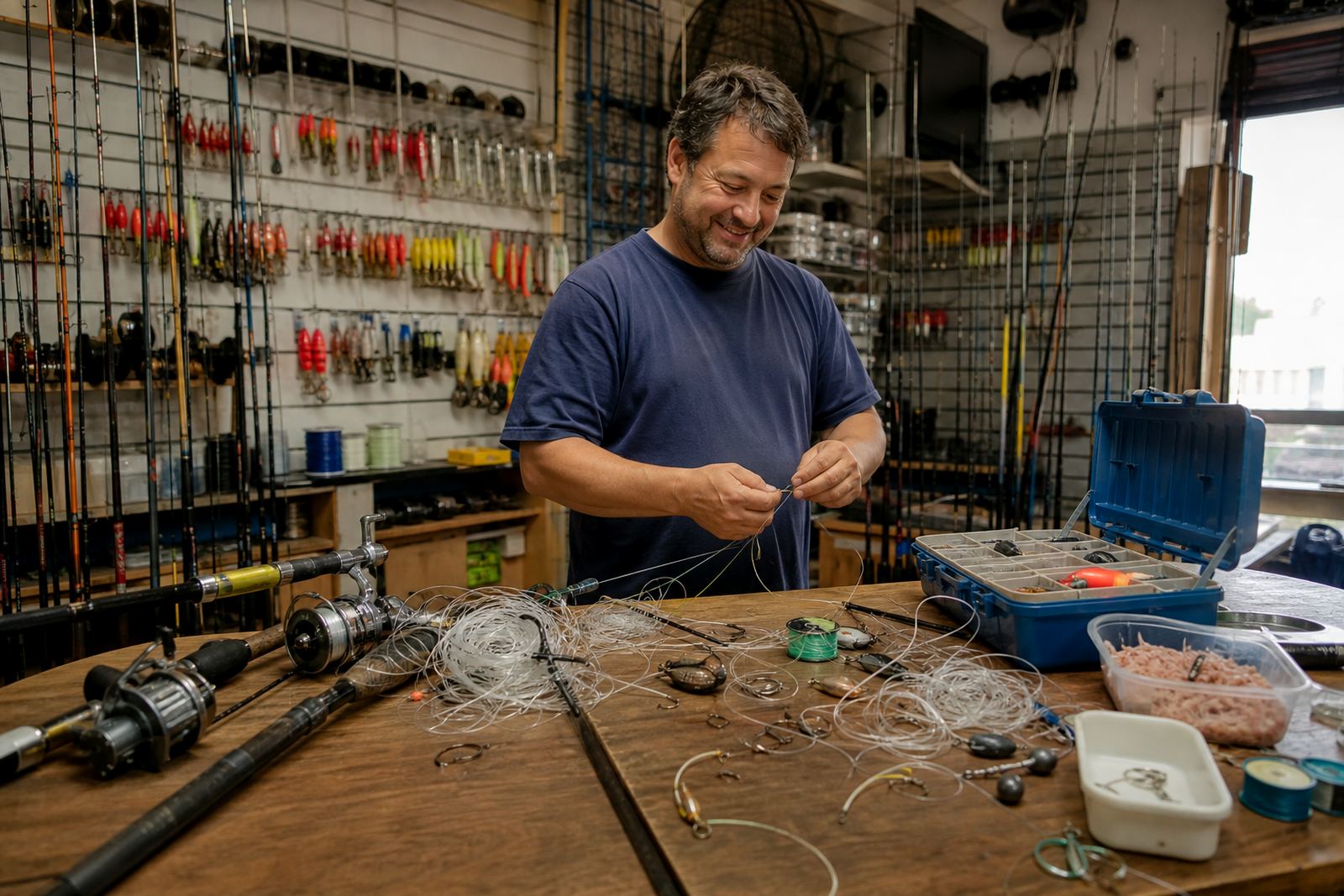
A road trip tackle box should be practical, not crowded. Pick a main box for the basics and a smaller organiser for the bits you reach for often. If you can find a hook or swivel without emptying the whole lid onto the tailgate, you have packed it right.
Keep your everyday items in the same place on every trip. That might sound simple, but it saves time when you are setting up at dawn and the coffee has not kicked in yet. Sort your tackle by function so you can find things fast when the wind picks up or the tide turns quicker than expected.
- Hooks by size and type
- Swivels, clips, and beads
- Sinkers sorted by weight
- Line cutters, scissors, and pliers
- Spare leader material and trace components
- Floats, lures, and spare jig heads
Bait, Ice, and Smell Control on Long Drives
Bait is where many road trips go wrong. If you are carrying prawns, sardines, worms, or cut bait, pack them in sealed containers and keep the cooler box organised so one spill does not spoil the rest of the load. Use ice packs where you can, and keep bait away from clothing and food. A bait leak in the car is not just unpleasant, it can ruin the trip before you reach the water.
For overnight drives, separate fresh bait from sinkers and metal accessories. Moisture and salt together will rust hooks, clips, and swivels quicker than many anglers expect. If you are stopping at a petrol station or roadside shop near Pietermaritzburg, keep a small backup of bait options so you are not stuck if the main choice spoils on the way.
- Use sealed tubs for bait and traces
- Keep ice inside a proper cooler, not loose in the bag
- Carry a spare zip bag for used wrappers and bait cloths
- Store soft baits and scent items separately from dry tackle
Make a Trip-Ready Bag for Coastal and Inland Conditions
South African fishing trips can shift from salty wind to still freshwater in the same week, so your packing should handle both. Coastal anglers need extra rinsing gear, corrosion care, and heavier leaders for abrasion. Inland anglers usually need lighter rigs, smaller tools, and a little more space for organised trace work. If you fish both, keep two smaller systems instead of one overstuffed pile of gear.
A practical trip bag often includes a rain jacket, hat, sunscreen, spare socks, bottled water, and a headlamp. Add a basic first aid kit, municipal permit or venue permit where required, and a copy of your club or site rules if you are heading to a managed water. On a long drive from Durban to a dam outside the city, those small extras make the whole outing easier. They also help when the weather changes without warning, which happens often enough along the KZN coast.
Do a Quick Check Before You Leave Springfield Park or Any Other Stop
Before you load up and head out, check each rod, reel, and box once more. Line should be free of twists, knots should be tight, and traces should be ready to clip on. If a reel feels rough, if a rod guide is chipped, or if the drag is not pulling evenly, sort it before the trip rather than trying to work around it on the road.
We see it often: an angler leaves Durban thinking the setup is ready, then finds a cracked tip ring on the beach or a jammed spool at the dam. A simple check at home saves fuel, time, and frustration. It also means your gear gets where it needs to go in one piece, not rattling around in the back after a bumpy run through the Midlands.
If you are packing for a family weekend, a club outing, or a solo session, the same rule applies. Keep the load light, the tackle organised, and the essentials close at hand. That way when the fish are on, you are already sorted and not digging for a swivel while everyone else is casting.