Why line twist starts in the first place
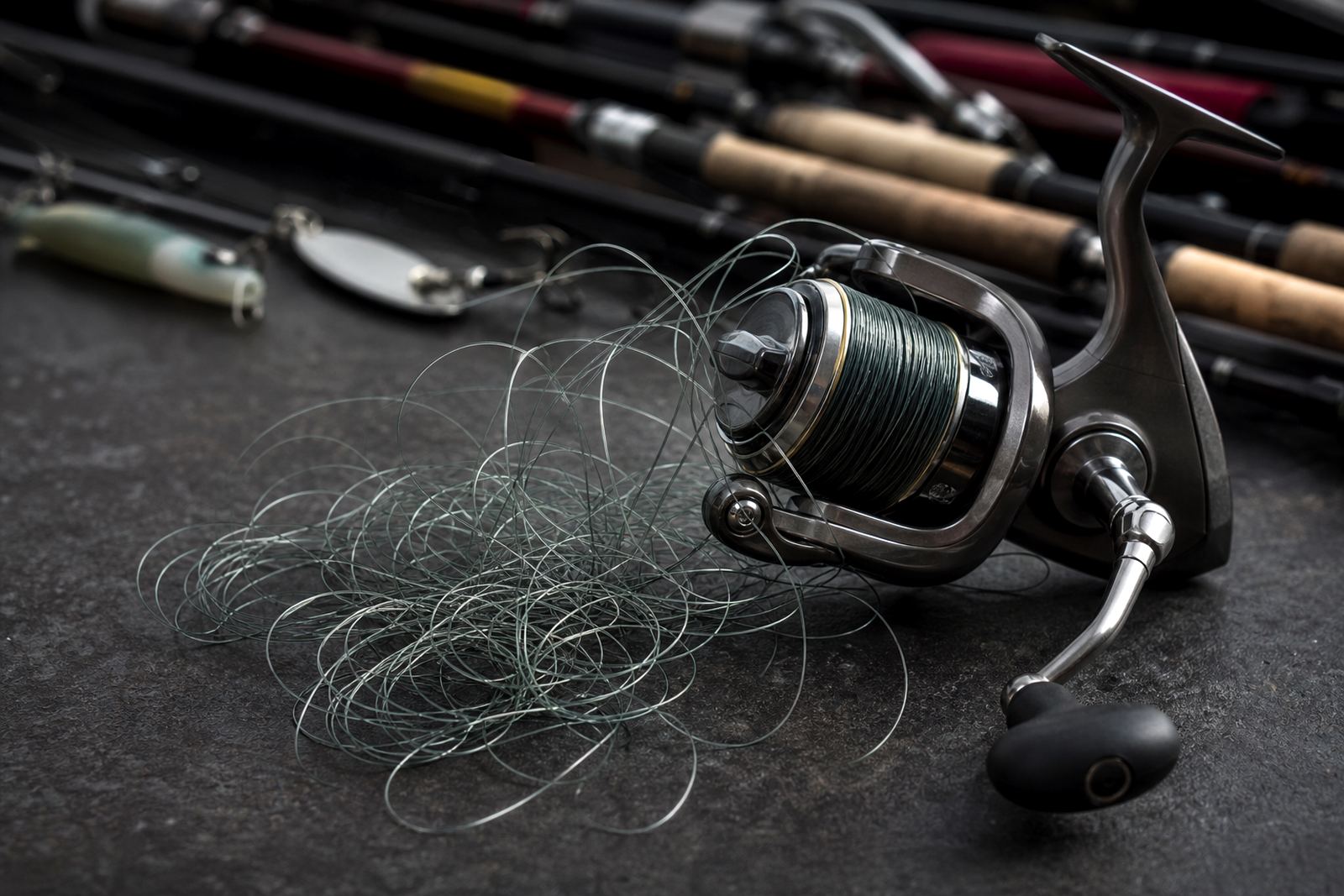
Most line twist begins long before the cast. A spinning reel that is filled with line the wrong way, a lure that spins on retrieve, or a trace that turns in the current will slowly put twist into the line until it starts jumping off the spool in coils. In Durban’s coastal conditions, salt spray and damp air can make the problem worse if line is left wet and packed too tightly after a session.
The other common cause is simple mismatch. Light braid on a reel that is overloaded, or thick mono on a small spool, does not lay neatly and can track unevenly. Once the line starts crossing itself on the spool, the next cast usually makes things worse.
If you fish often around the Umhlanga rocks, the North Coast piers or the freshwater banks near Pietermaritzburg, it helps to watch how the line behaves on the first few casts. Small signs early on are easier to fix than a full spool of twisted line later.
Check the reel and spool before you blame the line
A lot of anglers try to solve line twist by changing line, when the real issue is the reel setup. A twisted bail arm, worn roller, dirty line roller or poor drag feel can all contribute. If the line roller is not turning freely, the line is being dragged over a fixed point and twist builds fast. That is especially common after saltwater use if the reel was not rinsed and dried properly.
For spinning reels, the line should leave the filler spool in the same direction that it enters the reel. If it is loaded the wrong way, the line can look fine at first but will coil badly after a few retrieves. A clean, even spool lay is important too, because line that is stacked too high on one side tends to jump and loop under pressure.
- Open the bail and check that the line roller spins smoothly.
- Look for crossed line or tight lumps on the spool lip.
- Make sure the spool is filled to the correct level, not overpacked.
- Check for grit, old grease or salt on moving parts.
Bait, lures and traces that spin the line
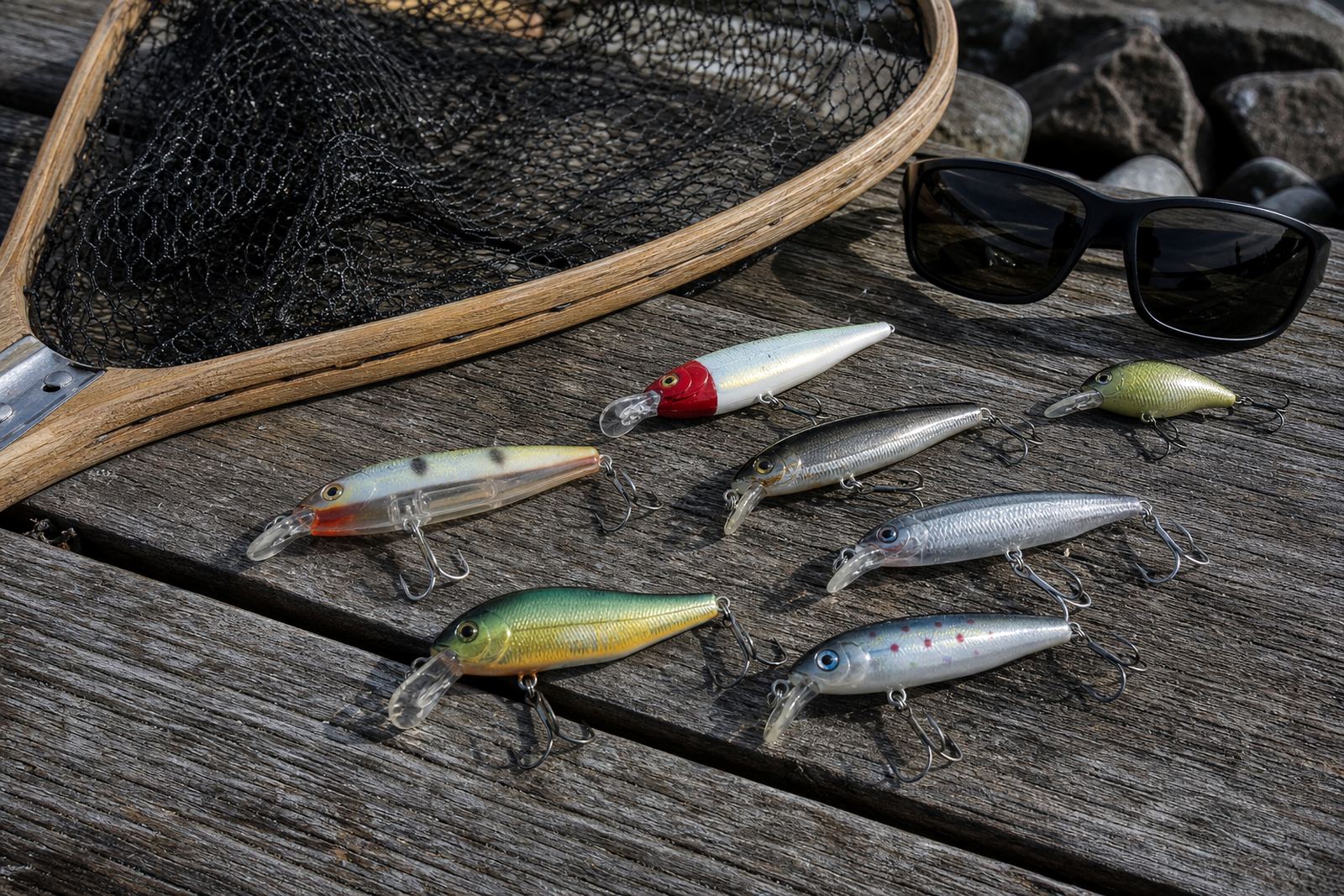
One of the fastest ways to create twist is using tackle that rotates in the water. Spoons, inline spinners and some soft plastics can all spin if they are retrieved too fast or rigged poorly. Even a baited trace can twist if the hook is not sitting straight or if the swivel is too small for the job.
When fishing from the surf near Durban or East London, a bait that tumbles in the shore break can add twist very quickly. In freshwater, a bait left to drift unnaturally in a dam wind can also spin with every turn of the current. That is why trace making matters so much. A clean trace with the right swivel and hook alignment keeps the bait swimming naturally instead of corkscrewing.
- Use swivels that match the size and strain of the line.
- Keep bait rigs straight so the hook point and bait do not turn under pull.
- Replace bent clips and weak swivels early.
- Slow down retrieves if a lure is wobbling or spinning.
Casting habits that reduce twist on the water
A hard cast is not always a better cast. Overpowering the rod can make the spool dump line too fast and twist it as it lands. This is common with beginner setups and also with anglers who are chasing distance without checking the line lay. A smoother cast puts less stress on the line and usually gives better control in wind, which is handy on the coast where the breeze can change quickly.
Another simple habit is to close the bail by hand instead of turning the handle after every cast. That small move reduces loose loops and helps the line settle evenly on the roller. If you fish a lot from jetties or along the south coast, where wind and surf can pull line off angle, that extra control makes a real difference.
After a few casts, let the lure or bait drift behind the boat or in current for a moment before retrieving. This gives the line a chance to untwist a little, especially if you have been fighting fish that ran in circles.
How to remove twist before it gets out of hand
If the line already has twist, do not keep fishing through it and hope it clears itself. There are practical ways to reset it. Start by letting out a good length of line and dragging it behind a moving boat if you are on one, or walking the line out across open ground with a weight attached in a safe area. The moving resistance helps the line straighten.
For a spinning reel, you can also strip several metres off the reel and rewind it under light tension while making sure the line enters the spool evenly. If the twist keeps returning, the issue may be with the reel, the lure or the way the line was loaded in the first place.
- Strip off badly twisted sections rather than forcing them back onto the spool.
- Re-spool under steady tension so the line beds down properly.
- Check the first few metres near the knot, as that section takes the most strain.
- Use a line conditioner where suitable, especially on mono and fluoro.
Freshwater and coastal fishing need different checks
Line twist does not behave the same way in every water type. In freshwater, lighter lures and longer casts often mean more time for the line to coil on itself, especially when fishing from the bank. In coastal fishing, heavier sinkers and surf movement can put a different kind of stress on the line, with repeated drag from waves and current. That means the setup needs to suit the session.
For anglers around Johannesburg dams, Pietermaritzburg rivers or Cape Town harbour edges, a quick pre-trip check helps a lot. Make sure the line is fresh enough for the conditions, the reel is smooth and the terminal tackle is matched to the target species. A basic starter setup can work well if it is balanced properly, but a poorly matched setup will twist itself into trouble fast. Jason Petersen, who handles reel work and line issues, sees this often when reels come in after a busy weekend. Most of the time the fix starts with the line lay, not the fish.
A simple pre-trip routine that saves the session
Before you leave for the harbour, dam or beach, spend five minutes on the setup. Check the spool, the swivel, the trace and the first metre of line. If anything looks rough or feels stiff, sort it before you start fishing. That small habit saves time and avoids losing good bait and hooks to a problem that could have been caught early.
Anglers who fish often across Durban, Ballito, Cape Town, Gqeberha and East London usually find that good line care becomes part of the routine. Reel servicing, drag tuning, line spooling and rod guide checks all help keep twist under control. It is not complicated, just consistent. Once the tackle is set up right, you spend more time fishing and less time untangling coils from the reel seat, which is how it should be.