Why rain changes the bite so quickly
After rain, fish do not just move because the weather feels different. They respond to the water itself. Fresh runoff can cool a river, lift silt from the bottom, and push food into new places. In the sea, storm water can stain the surf zone and shift baitfish closer to gullies, river mouths and harbour edges.
That change can work for or against you. Some species feed harder in murky water because they feel safer. Others hold back until the water settles and they can see better. The trick is to look at the exact conditions where you are fishing, not just the forecast.
How to judge water colour before you cast
Water colour tells you a lot about what to use. Clear water usually means fish can inspect your presentation more closely, so lighter line, natural colours and a neater bait job help. Tea-coloured water can still fish well if it has some visibility, while heavy brown water usually means the fish will rely more on vibration, scent and movement.
At the Durban beachfront after a strong downpour, the surf may go from green to dirty in an hour. On the Umgeni or smaller freshwater systems, the water can go from clear to muddy overnight. If you can see about knee depth in the surf, or at least a metre in a river pool, you still have a workable window.
- Clear water: finer line, subtle lure colours, smaller hooks
- Light stain: natural bait and moderate scent works well
- Dirty water: louder action, stronger smell, bigger profile
Flow and current: where fish sit after heavy rain
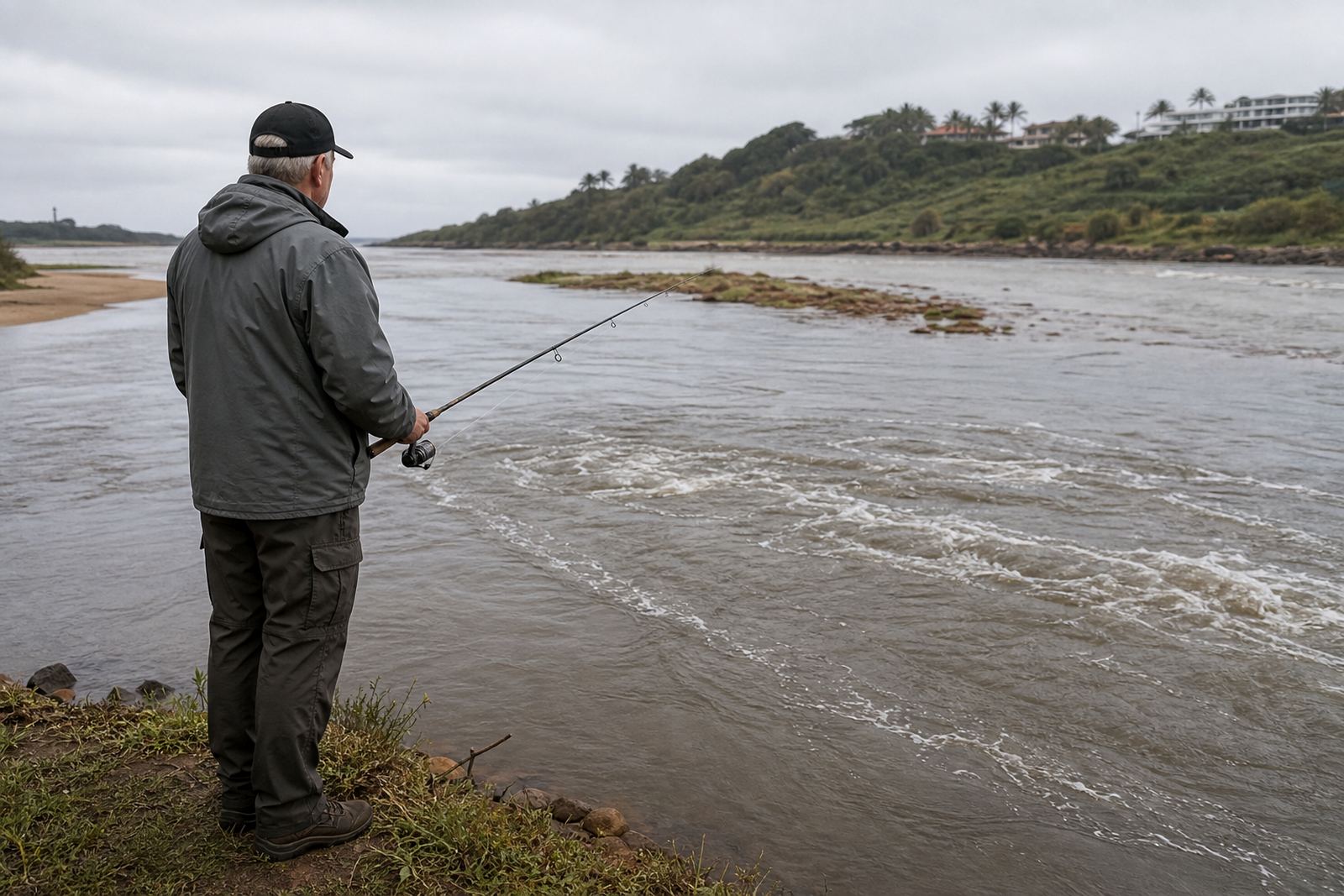
Rain changes current speed, and current decides where fish can hold without wasting energy. In rivers and estuaries, they often sit in slack water near broken banks, bridge pilings, weed edges and deeper bends. In the surf, the same idea applies to gutters, rip channels and the calm edge behind sandbanks.
Do not fish only the fastest water. Fish often wait at the edge of the push, where food gets delivered but the current is easier to manage. If the flow is racing through a creek, move upstream or down to a side pocket where the pressure drops.
- Look for eddies behind rocks, pylons and submerged structure
- Work the edge where fast and slow water meet
- Check deeper colour changes, they often show a drain or gutter
- Avoid the strongest torrent unless you are targeting a species that likes heavy flow
Bait and lure choices that match dirty water
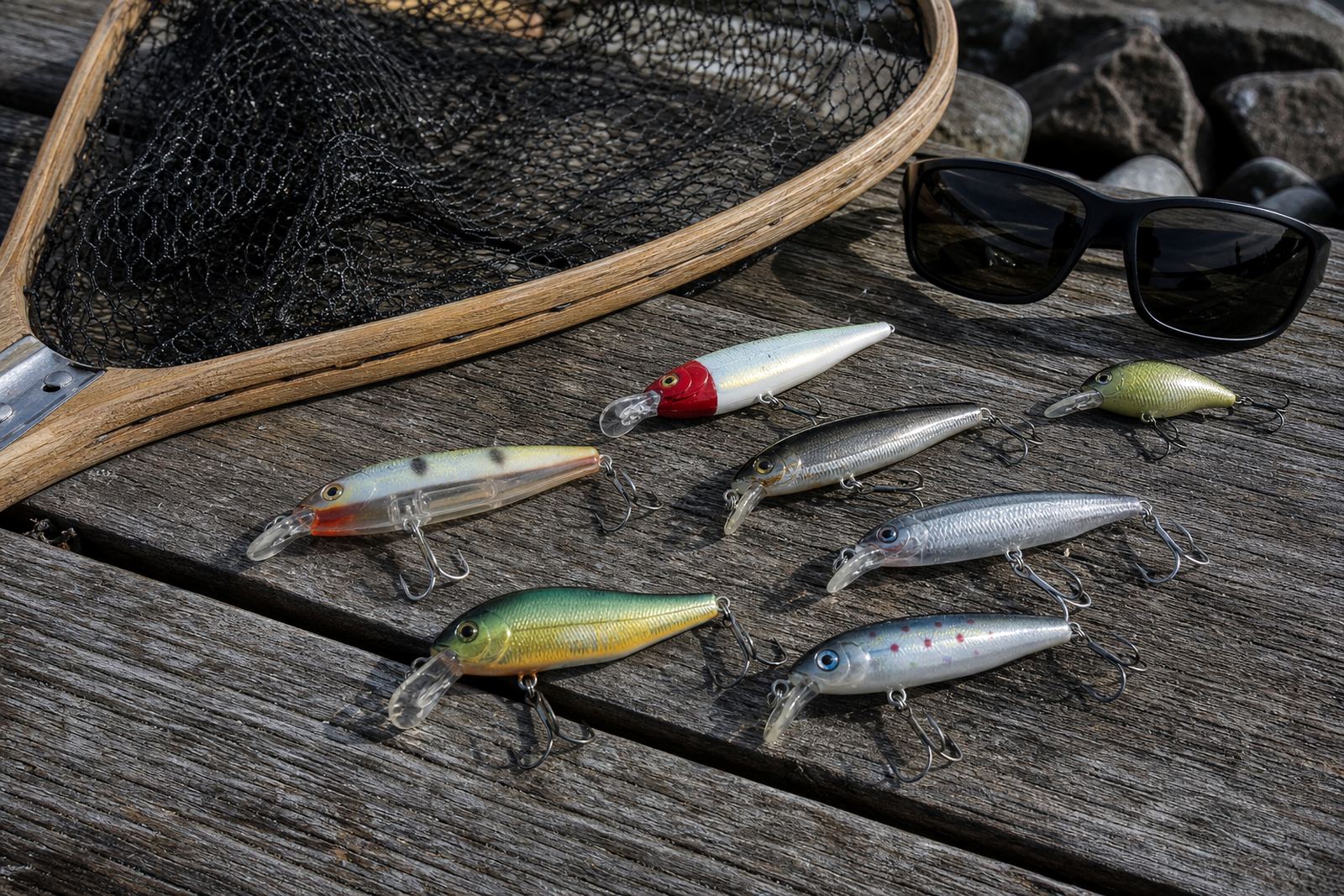
After rain, scent and profile matter more than finesse in many spots. For bait fishing, fresh bait with a strong smell can help fish find the offering in poor visibility. For lure fishing, choose something that pushes water, flashes clearly or throws a strong silhouette against the background.
That does not mean you must fish heavy and clumsy. A neat bait, well placed, still catches fish. But in stained water, a small bait on a tiny hook can get lost fast. If you are fishing from the Durban coast after rain, a bait with more scent and a stronger rig presentation often gets the nod before a plain light setup.
- Use fresh bait with firm skin so it stays on the hook
- Try brighter or darker lure colours for contrast
- Choose rigs that cast cleanly and hold bottom in stronger flow
- Keep traces strong enough for debris and sudden runs
A Durban example: spring tide, brown water and a short window
Picture a rainy Saturday in Durban after a heavy overnight storm. The harbour mouth has gone brown, the surf is rough, and the first line of foam is carrying grass and bits of debris. A lot of anglers pack up, but this is often when the first useful bite window opens, especially near cleaner seams beside the dirty water.
You could start by finding the edge of the stain rather than the heart of it. Cast into the colour change, not straight into the worst water. If the tide is moving and the wind drops for an hour, the bait can be enough. In a situation like that, patience matters, and so does keeping a spare rig ready because a fouled line or snapped trace can waste the best part of the session.
Gear checks that save time when the weather turns
Rain puts pressure on tackle in ways many anglers forget. Sand, grit and dirty water get into reels, line rollers and guides. If you fish often around the coast, it is worth checking drag smoothness, line condition and rod guides before the next trip. A line that felt fine last week may have picked up hidden abrasion after one bad session.
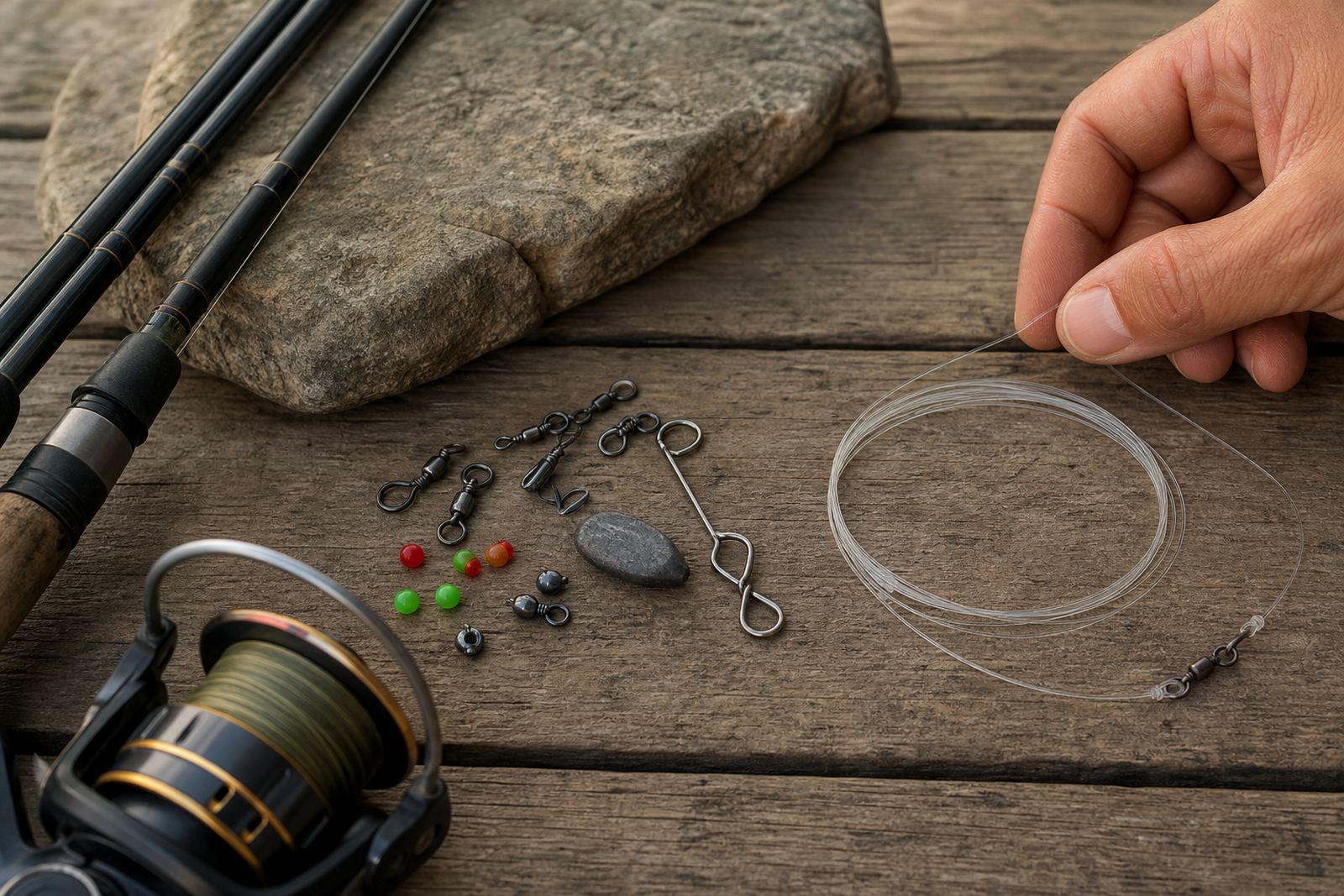
It also helps to plan for practical problems. Load-shedding, wet roads and slippery rocks can shorten a fishing day very quickly. Keep a simple kit ready with spare trace material, sinkers, hooks, pliers and a towel. If you use braid, check the first few metres for fraying after fishing near rocks or shell beds.
- Rinse reels lightly after saltwater use, then dry them properly
- Check knots and the first metre of line for scuffs
- Replace damaged rod guides before they cut line further
- Carry one pre-made rig so you can reset fast if the bite opens
When to fish, and when to wait it out
Not every rainy day is worth forcing. If the water is chocolate brown, the current is dangerous, or floating debris is too heavy, waiting can be the smarter choice. The best after-rain session is usually the one where the water has started to settle but still holds enough stain to give you an advantage.
As a rule, the first calm period after rain can be productive, followed by another short window as the water clears a little more. In freshwater this may happen at dawn or late afternoon. On the coast, tide movement can matter more than the clock. Watch the water, trust what it is telling you, and move if the condition changes before the fish do.