1. Start With The Fishing You Plan To Do
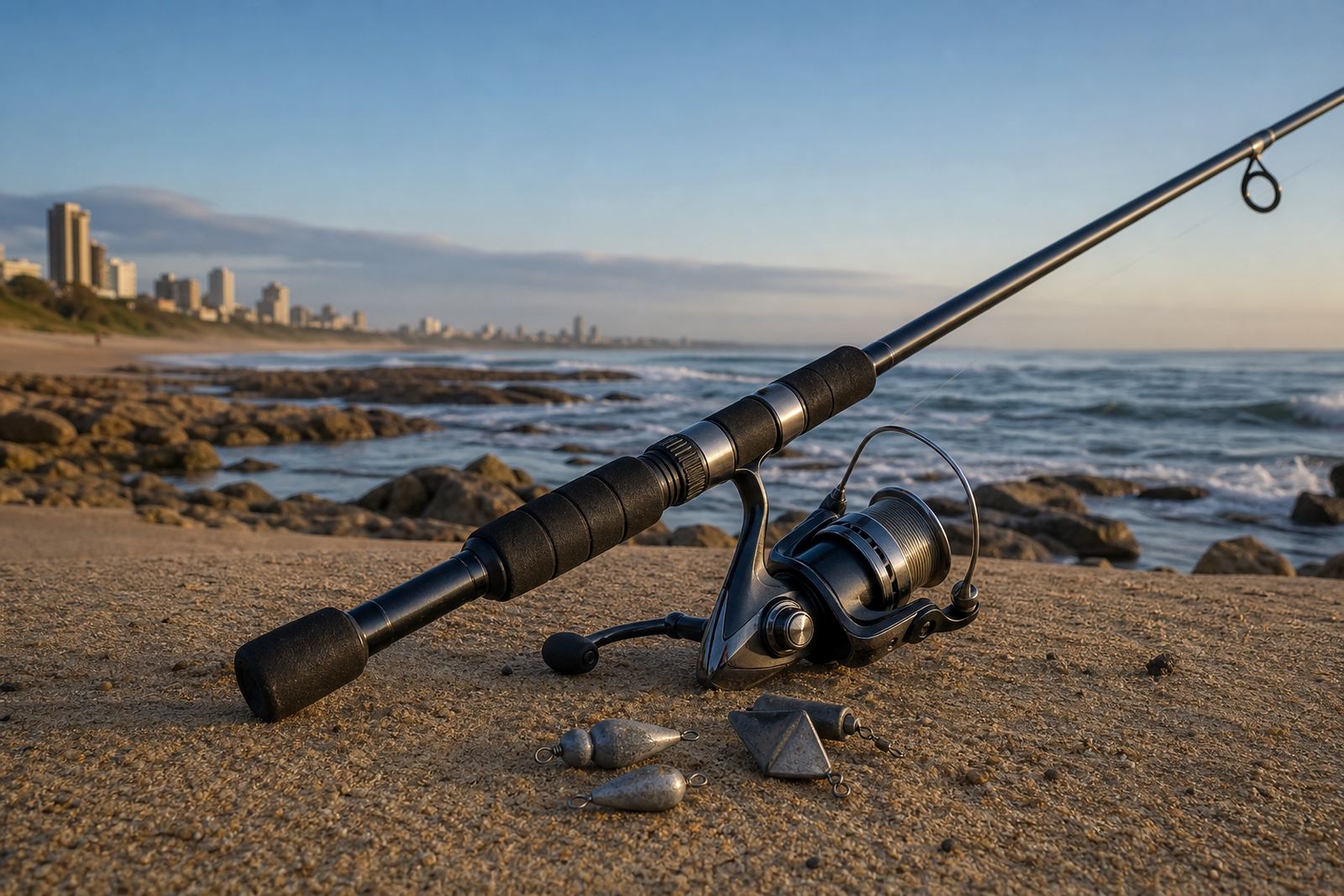
A surf combo for throwing 4 oz sinkers and big bait is not the same as a setup for light estuary work. If you fish from open beaches around Durban, Cape Town or Gqeberha, you usually need a stronger rod, a reel with a good line lay, and enough backbone to handle wind, current and bigger surf.
Before you buy, ask yourself three simple questions: how far do I need to cast, what size sinker will I use, and will I target edible fish or bigger sharks and rays. That answer should guide the rod length, reel size and line choice, not just the price tag.
- Open beach and heavy surf: longer rod, higher line capacity, tougher guides
- Mixed beach and harbour edges: lighter combo with more feel
- Fresh bait fishing at dawn or dusk: smooth drag and steady retrieve matter most
2. Rod Length, Power And Action Explained Simply
For most surf anglers, a rod between 3.6 m and 4.5 m is the usual starting point. Shorter rods are easier to handle in tight spots or when fishing from rocky sections, while longer rods help with casting distance and line control from the sand.
Power tells you how much weight the rod can handle. A medium-heavy surf rod suits many South African beach sessions, while heavier sticks are better for larger sinkers and stronger tides. Action describes how the rod bends. A faster action gives more cast speed, while a more progressive blank can be kinder when a fish runs close in and shakes its head.
- 3.6 m to 4.0 m: easier handling, good for lighter surf work
- 4.2 m to 4.5 m: better distance and line lift in open beaches
- Check the lure or sinker rating before matching your setup
3. Reel Size, Drag And Line Capacity Matter More Than Looks
Surf reels need enough capacity for cast distance and enough drag to control a fish in current. A reel that feels smooth in the shop can still struggle if the spool is too small or the drag washers are not up to coastal use. Salt spray and fine sand are hard on gear, so a simple rinse after every trip helps a lot, no shortcuts there.
For beach bait fishing, many anglers prefer a reel that can hold enough line for long casts and at least one strong run from a fish. Match the reel to the rod rather than forcing a small reel onto a heavy rod. If you fish around Durban or Ballito where conditions can change quickly, a balanced setup is easier to cast all day and less tiring on the shoulders.
- Check line capacity in metres, not just reel size
- Make sure the drag turns smoothly under pressure
- Choose a reel body that can handle coastal corrosion
4. Line And Leader Choices For Local Conditions
Your line choice should suit the beach, the bait and the fish. Monofilament is forgiving and works well for many surf anglers because it stretches a bit and helps cushion lunges. Braid gives better sensitivity and thinner diameter, but it needs a proper leader and careful knot tying.
For sandy beaches and bait fishing, many anglers use braid on the reel with a strong monofilament or fluorocarbon leader. On very rough ground, add more abrasion resistance. Around Durban's humid coast, check knots often because heat, salt and repeated casting can weaken poor connections. Line that looks fine can still be tired after a few hard sessions.
- Mono: easier to handle, good stretch, friendly for newer anglers
- Braid: thin diameter, better feel, needs a leader
- Leader: increase abrasion resistance near rocks, reefs or shells
5. Match The Combo To The Bait And Target Species
The best surf combo for a throw bait session is the one that lets you cast cleanly and still control the bait in the wash. If you fish fresh sardine, chokka, prawns or sea dabs, you need a rod that loads well without cracking the bait off on the cast. A combo for bigger species should give you enough power to set the hook and turn a fish before it reaches structure.
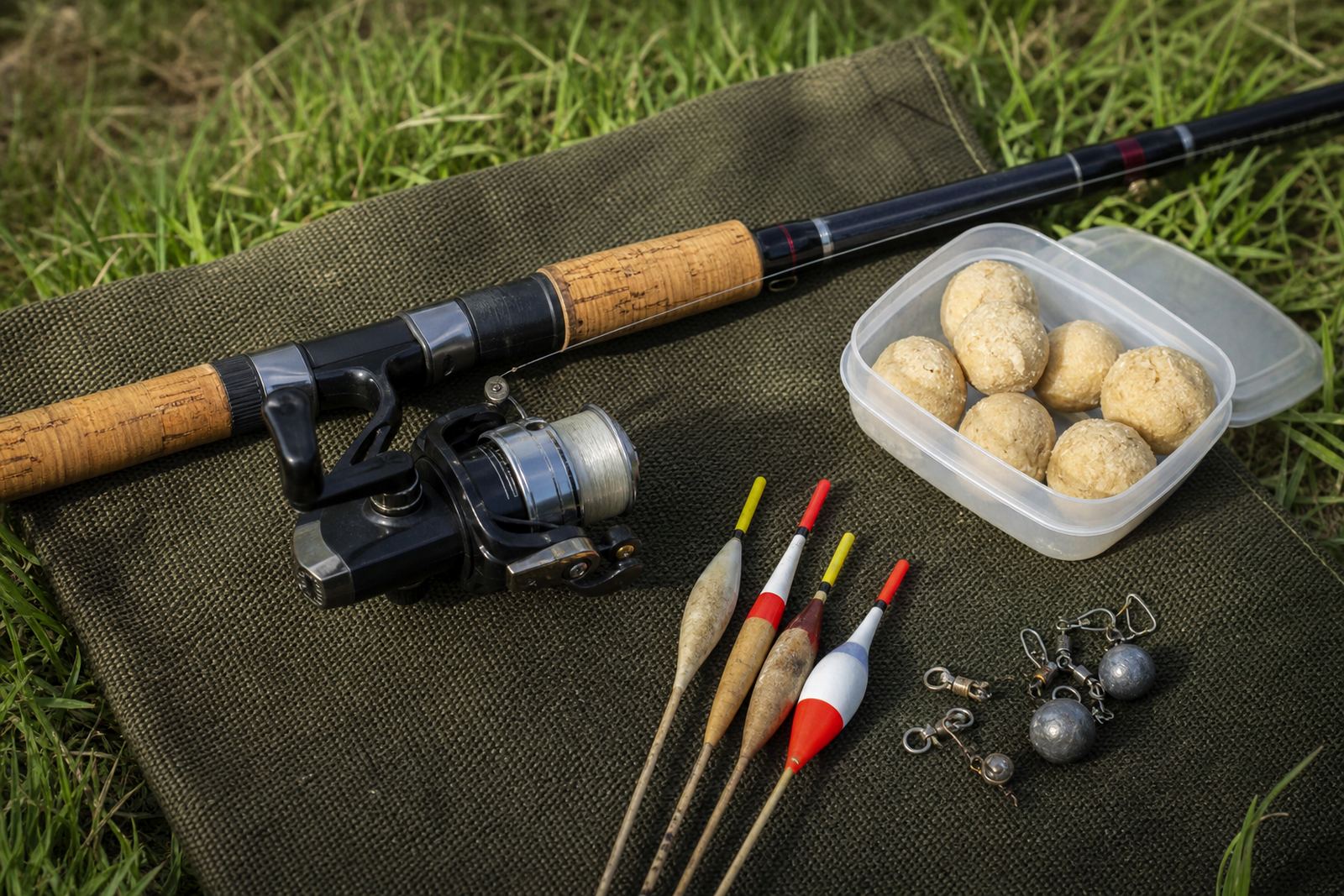
For freshwater bait fishing, the same principles apply but the rod can usually be a little lighter. If you switch between coastal and freshwater trips, it helps to choose a middle-ground setup that handles both with sensible line and reel spooling. That way you are not rebuilding the whole kit every weekend.
- Small bait and lighter sinkers: medium combo with more tip feel
- Big bait and stronger surf: heavier rod with higher line capacity
- Mixed use: choose a versatile rod and a smooth, medium-sized reel
6. Practical Checklist Before You Leave The Store
It is worth testing the combo in your hands before buying. Hold the rod with the reel fitted, check the balance point and make sure the grip feels comfortable when you simulate a cast. A setup that feels nose heavy in the shop will feel worse after three hours on the beach.
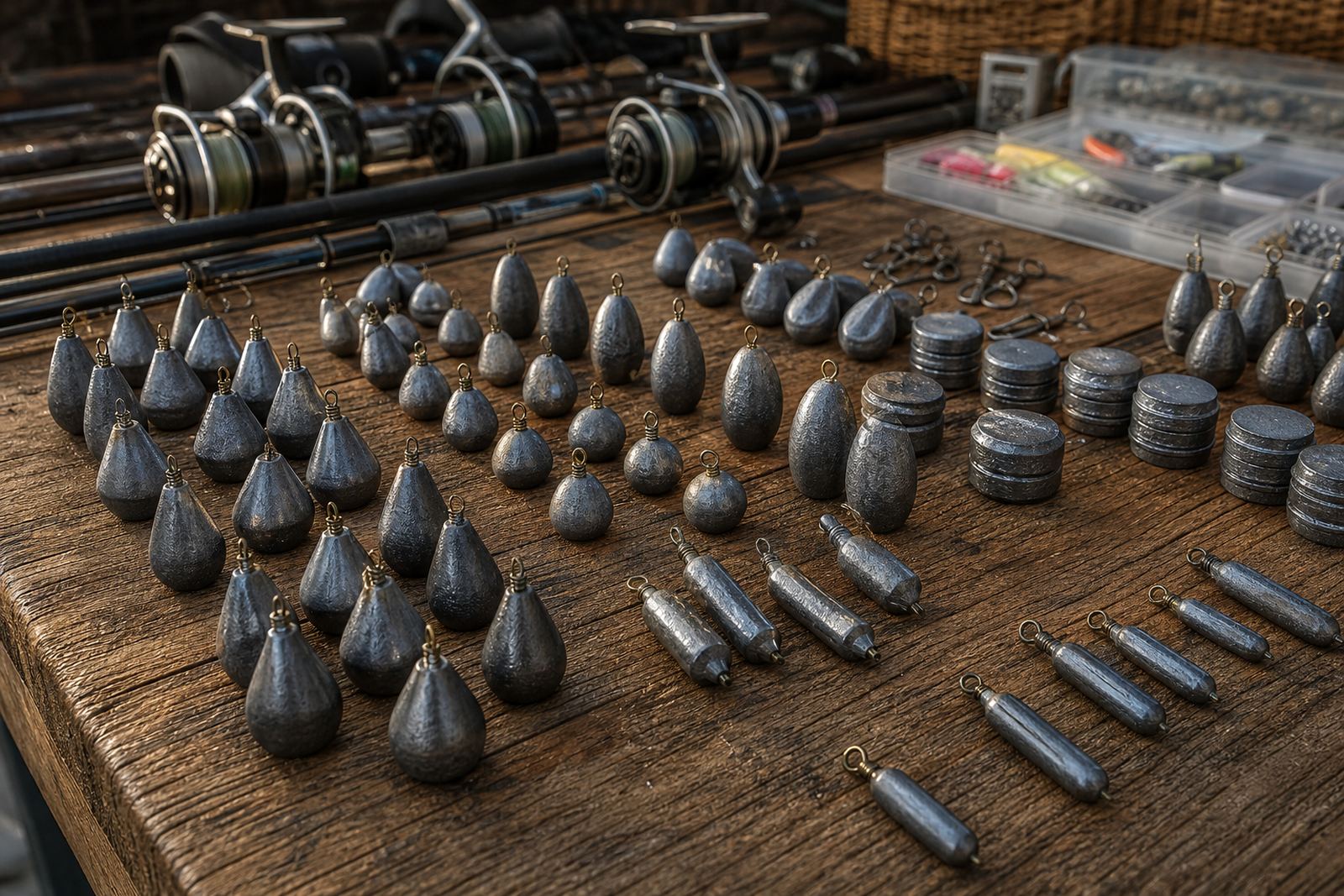
Ask for help with line spooling, drag tuning and trace making if you are not sure. A well set surf combo saves frustration and lost fish, especially when load-shedding has affected prep time and you are rushing to get out the door. Keep a small kit ready in the car with sinkers, swivels, hooks, spare line and a cloth for wiping salt off the gear.
- Does the rod load well with your usual sinker weight?
- Is the reel smooth, with enough line capacity?
- Can you hold and cast it comfortably for a full session?
- Do you have the right leader, trace and bait rig?