Choose the right spot on the dam bank
Start with a bank that gives you room to cast, move around, and keep children safe. At smaller farm dams, look for a shaded area with firm ground and enough space to set down rods, bait and a small cooler. In hotter parts of KwaZulu-Natal, the first and last light often fish better than the middle of the day, while inland dams can be breezy and colder than expected once the sun drops.
Check the water before you set up. A gentle drop-off, reed edge, inlet, or sheltered corner can hold fish better than a flat open bank. If the dam is full after rain, watch for muddy water and floating debris. If there are municipal or farm rules on access, bait collection, or parking, follow them. It saves trouble and keeps the spot open for everyone.
- Pick a stable, dry bank with no overhanging branches
- Keep children away from steep edges and slippery mud
- Avoid setting up near other anglers without asking first
- Keep a small rubbish bag for line scraps, wrappers and bait tubs
Simple tackle for casual freshwater fishing
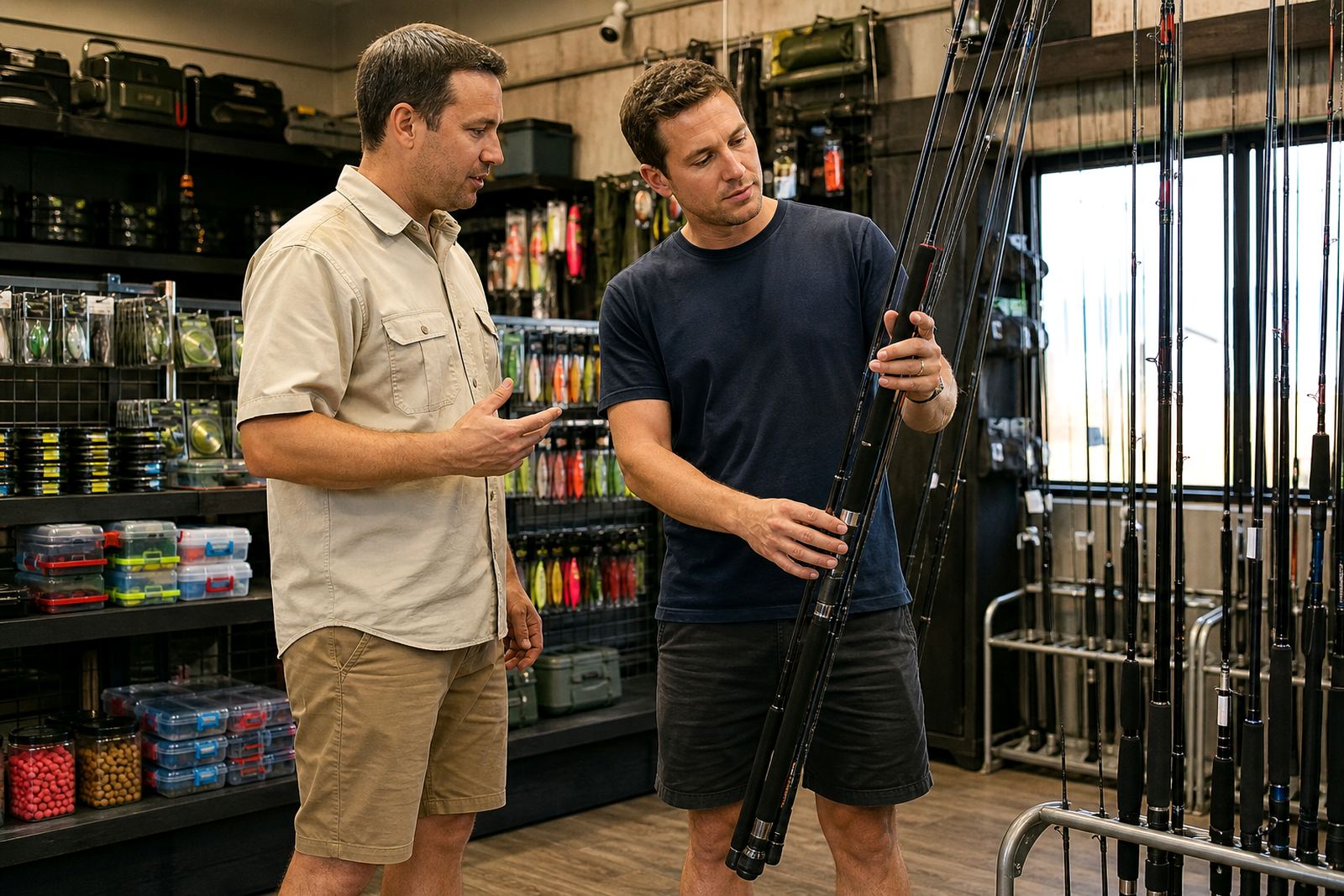
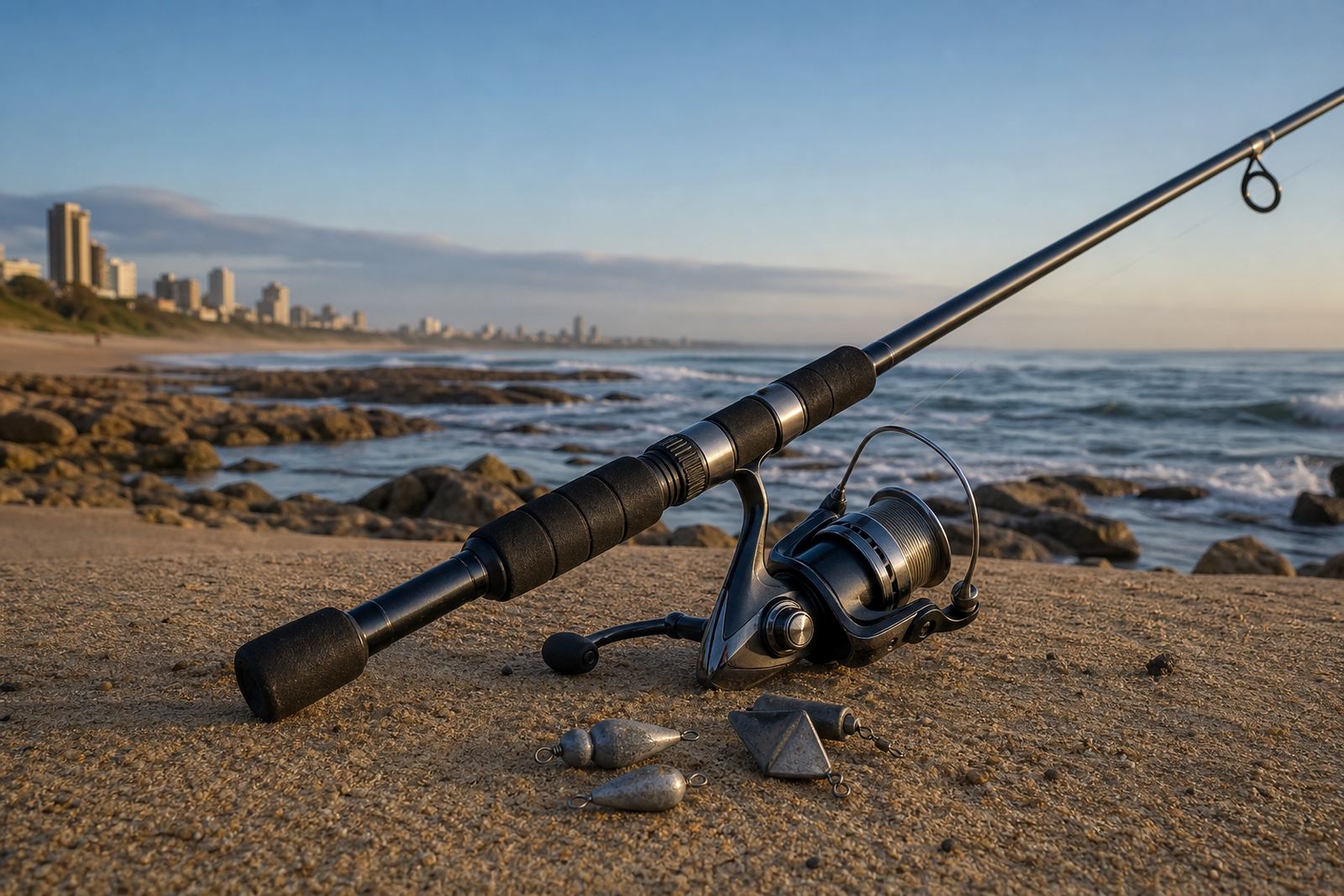
You do not need a complicated rig for dam fishing. A basic spinning rod in the 6 to 7 foot range works for most family outings. Pair it with a medium reel and a line that suits the size of fish you expect. For small carp, barbel and kurper, light to medium line is usually enough, but if the dam holds bigger fish you may want to step up a little. If you are unsure, ask for a starter setup that matches the water you are fishing.
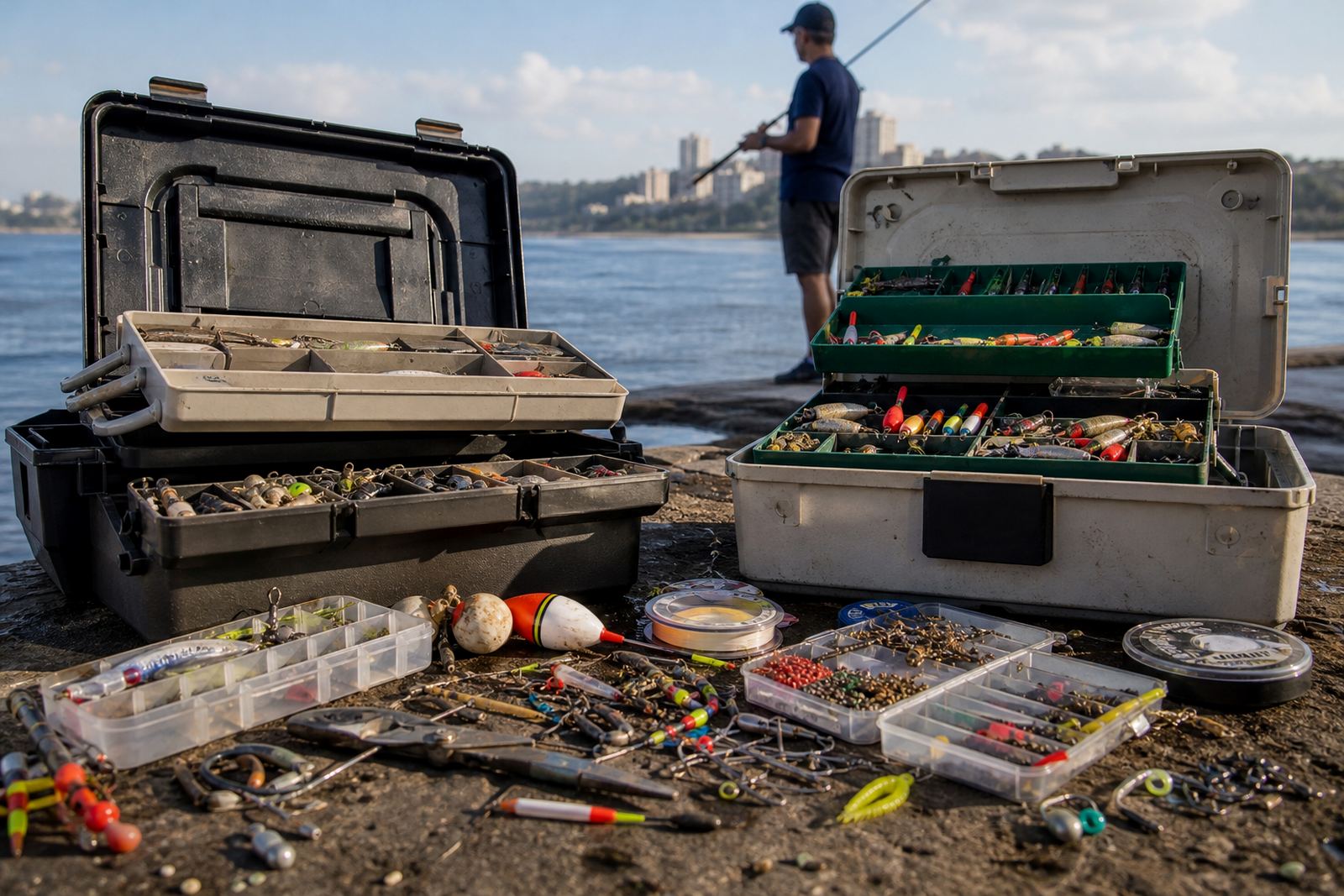
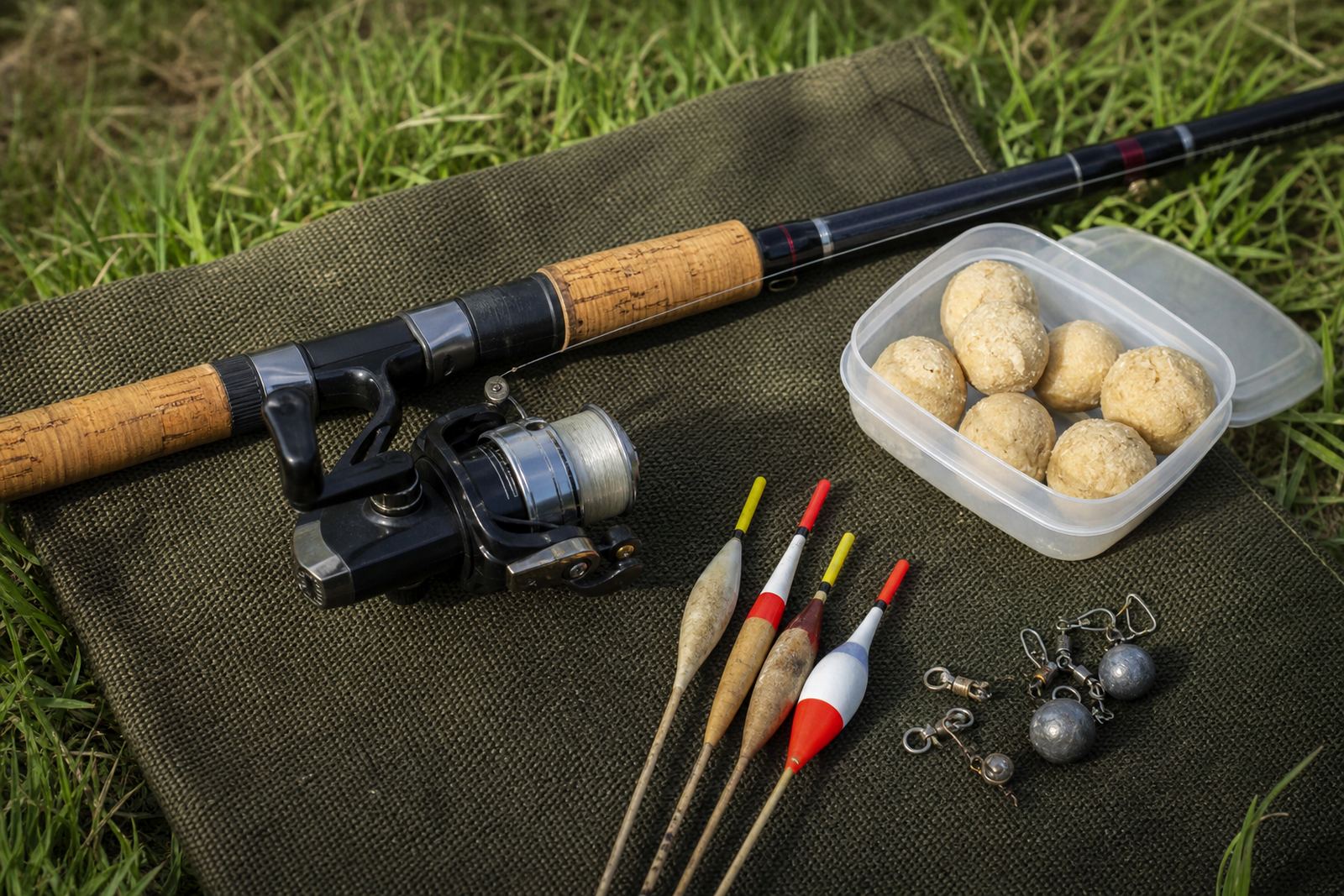
Keep terminal tackle simple. A few hooks, split shot, swivels, floats and sinkers will cover most situations. For bait, pack what the fish are already feeding on. Bread, worms, maize, dough, sweetcorn and small pellets are common freshwater options. On busy weekends, fish can become cautious, so a neat presentation often works better than a heavy rig. Jason Petersen, our rod and reel technician, often reminds anglers that a smooth drag and clean line matter more than fancy extras.
- 1 rod and reel combo
- Spare line and a small scissors or line cutter
- Hooks in a few sizes
- Sinkers, swivels and floats
- Bait tub, landing net and towel
- Sun protection and drinking water
Set up your rig without making it complicated
For beginners, a float rig or simple bottom rig is a sensible starting point. If fish are feeding near the top or around shallow edges, a float helps you see bites clearly. If the fish are feeding lower down, a sinker and bait on the bottom may work better. Keep your trace short and tidy, and avoid overloading the rod with heavy tackle that makes casting awkward.
When rigging, check your knots carefully. A weak knot can cost you the fish, and it usually happens when people rush. Make sure your hook point is sharp and the bait sits naturally. If you are fishing with kids, tie on a rig that is easy to rebait and easy to reel in. That keeps the day moving and avoids frustration when everyone wants a turn.
Before the first cast, test the drag. It should give line when a fish pulls hard, but not slip too freely. If the reel feels rough or noisy, a service may be due. Reel servicing and line spooling are worthwhile before a holiday trip, especially if the gear has been stored since the last season.
Bait and presentation for family dam fishing
Fresh bait is often the difference between a quiet day and a busy one. Keep your bait cool and clean, and only take out what you need for the next few casts. In warmer weather, bait can spoil quickly, especially in coastal humidity or in the back of a hot car. A shaded cooler box helps, and a damp cloth over the bait tub can make a small difference.
Match the bait to the size of fish you want. Smaller baits can be better for mixed bags and for children learning to cast, while larger baits may help if bigger carp are in the water. Do not crowd the hook with too much bait. A neat bait sits better in the water and is easier for fish to take. If the fish are shy, try reducing the bait size before changing the whole rig.
- Keep bait cool and out of direct sun
- Use fresh hooks and replace damaged bait after each cast
- Try lighter bait if bites are slow
- Change bait type before changing the entire setup
Safety, shade and load shedding planning
For a relaxed family trip, safety matters as much as tackle. Take hats, sunscreen, water and a basic first aid kit. If you are fishing with children, show them where to stand, how to hold the rod, and what to do around hooks. A landing net is safer than lifting fish by the line. If the bank is uneven, keep gear laid out neatly so nobody trips.
Load-shedding can affect early morning prep if you rely on charging lights or keeping bait fridges running. Pack torches, spare batteries and any gear you need the night before. If you are using a fish finder or charging a portable light, do that well ahead of time. For overnight dam trips, follow campsite rules, keep food sealed, and never leave bait or tackle where animals can get into it.
- Carry torchlight for late pack-up
- Keep hooks in a closed container
- Bring water and snacks for kids
- Check weather and wind before leaving home
- Leave the bank clean when you go
What to check before you leave Durban
A quick gear check at home can save a long drive from Durban to a dam outside the city. This is especially useful if you are heading to Pietermaritzburg, Ballito or inland family spots where you may not find tackle nearby. Pack spare swivels, line, a few extra hooks and a dry towel. If your rod guide is chipped or your reel feels sticky, sort it out before the trip instead of fighting the problem at the water.
We also suggest a short trip gear check if you are taking a group. That way you know who has the bait, who has the net, and whether there is enough tackle for the children. A small checklist keeps the day calm and helps everyone focus on fishing instead of searching through bags. If you need advice on a starter setup, trace making, or bait prep advice, use the enquiry form on our contact page and we will help you choose gear for your dam trip.