Start with the water you are fishing
Before you pick a lure, decide whether you are fishing saltwater or freshwater, then look at the structure. A lure that works well in a rocky Durban point may be a poor choice in a clear farm dam near Pietermaritzburg. Think about current, colour of the water, weed, depth and whether the fish are feeding close to the bottom or higher up in the water column.
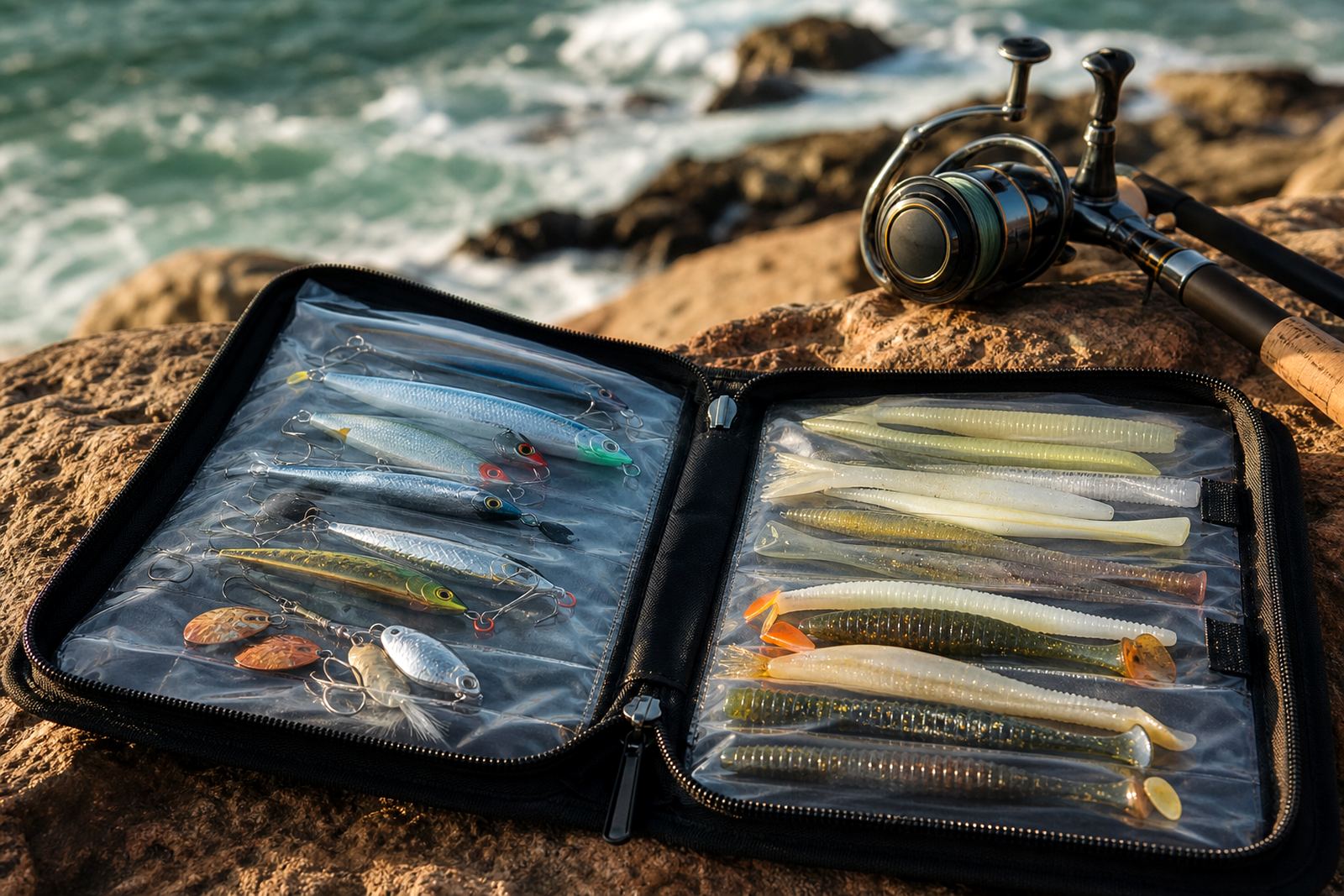
As a simple rule, use lighter, smaller profiles in clear calm water and larger or noisier lures when the water is coloured, windy or moving fast. Around the coast, baitfish style shapes often work well near gullies, reefs and harbour walls. In freshwater, match the lure to the local forage, such as small baitfish, frogs, insects or juvenile fish.
- Clear water: natural colours, slimmer profiles, slower retrieve
- Coloured water: brighter colours, vibration, a bit more movement
- Shallow water: shallow runners, weedless options, lighter weights
- Deep water: sinking lures, heavier jigheads, longer count downs
Choose lure depth before colour
Many anglers start with colour, but depth matters first. If the fish are feeding near the bottom and your lure rides too high, it will miss them completely. A lure should swim in the strike zone for most of the retrieve, not just for a few seconds at the start.
For shallow flats, estuary edges and weed beds, use lures that run just below the surface or at half a metre to 1 metre. For deeper channels, drop-offs and dam points, pick sinking lures or soft plastics on jigheads that reach 2 metres, 4 metres or more depending on the water. In strong current, go heavier than you think, because the lure needs to hold its line and not wash out too quickly.
- Surface lures: early morning, low light, active fish on top
- Suspending hard lures: pauses and hang time for finicky fish
- Sinking hard lures: deeper points, wind lanes and tide lines
- Soft plastics: versatile for bottom hopping and slow rolling
Match the retrieve to the species mood
Retrieves make a big difference, and the best choice often comes down to how the fish are feeding on the day. If they are aggressive, a faster steady retrieve can trigger strikes. If they are cautious, a stop-start retrieve with short pauses may be better. The same lure can fish very differently depending on your rod action, line choice and how much rod movement you add.
Try a few patterns instead of casting the same way all day. In saltwater, a fast wind with short twitches can imitate fleeing baitfish. In freshwater, a slow roll with pauses often works better on cooler mornings. If you are not getting touches, change retrieve before changing lure. Many missed fish are simply following a lure that is moving too fast or too straight.
- Fast retrieve: active predators, warm water, chasing fish
- Slow retrieve: cold water, pressured fish, finesse bites
- Jerk and pause: reaction strikes around structure
- Bottom bounce: rocky points, drop-offs, sand edges
Lure choices for coastal fishing around Durban and beyond
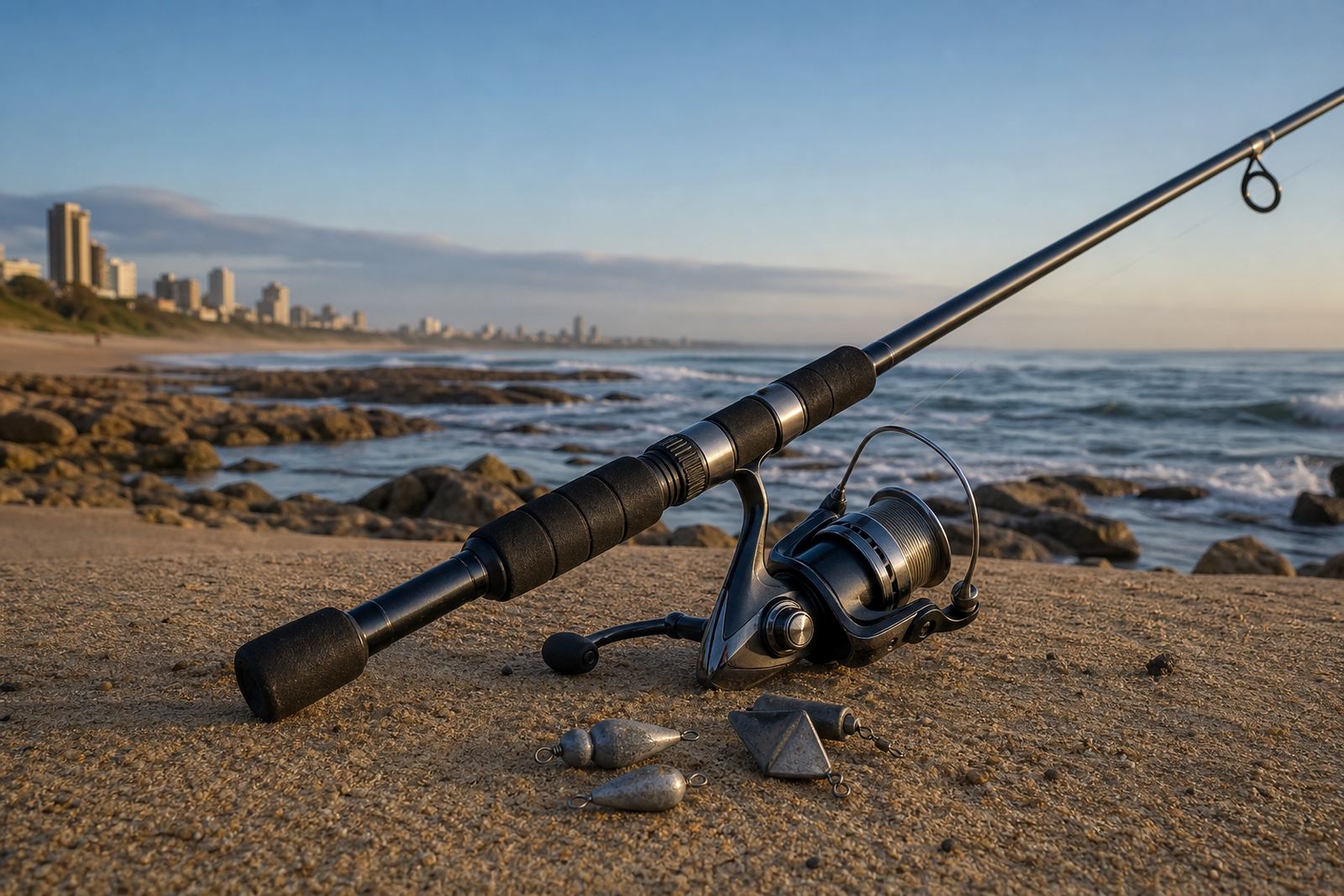
Along the KwaZulu-Natal coast, lure choice changes with the venue. In surf and gullies, choose lures that cast well, hold depth and stay stable in moving water. Around harbour walls, estuaries and rocky ledges, smaller profiles and natural baitfish colours are usually a good starting point. Coastal humidity can be hard on tackle, so rinse lures, split rings and hooks after each trip and dry them properly before storage.
For long casts in the surf, use lures with enough weight to punch through wind and reach the backline. For estuary fishing, keep things lighter and more subtle. If the water is dirty after rain, a little extra vibration or flash can help fish find the lure. In clear conditions, too much noise can spook fish, especially in shallow water.
- Surf gutters: casting metal, minnows and sinking hard lures
- Rock and reef: durable lures with strong hooks and good balance
- Estuaries: lighter hard lures, soft plastics and shallow runners
- Harbours: compact lures that work around walls, slips and shadow lines
Freshwater lure picks for dams, rivers and impoundments
Freshwater fishing calls for a slower reading of the water. In clear dams, fish often hold near points, weed edges, submerged timber and drop-offs. In rivers, look for seams, pool tails and slower pockets beside faster flow. A lure that swims naturally and does not look overworked will usually get more attention.
Spinnerbaits, soft plastics, crankbaits and surface lures all have their place. Use spinnerbaits in stained water or around cover where snag resistance matters. Soft plastics are a good all-round option because you can fish them deep or shallow, fast or slow. Surface lures can be excellent at first light or on overcast days when fish are active near the top.
- Clear dam water: natural colours and subtle action
- Stained water: more flash, vibration and stronger profile
- Weed or timber: weedless rigs and snag-safe lure styles
- Flowing rivers: compact lures that track well in current
A practical lure checklist before you cast
Use this quick check before starting your session. It saves time and helps you avoid carrying the wrong gear to the water. If you are heading out for a long day, pack a few different lure weights and retrieve styles so you can adjust as conditions change.
Also check your line, knots and hooks. A lure can be perfect and still fail if the knot is weak, the hook is blunt or the split ring is corroded. For coastal anglers, salt build-up can shorten tackle life fast, especially in spring and summer. In inland waters, watch for weed on hooks and replace damaged trebles or split rings before they cost you a fish.
- Water type: saltwater, estuary, dam or river
- Depth: shallow, mid-depth or deep strike zone
- Visibility: clear, stained or dirty after rain
- Retrieve: fast, slow, stop-start or bottom contact
- Hardware: hooks sharp, knots sound, lure weight suitable
If you are unsure where to begin, start simple with one surface option, one mid-water lure and one bottom-fishing option. That gives you enough range to adapt without carrying unnecessary tackle.